

We may earn a commission when you buy through links on this page, at no extra cost to you. Learn more.
The best 20 bottle wine fridge is a compact unit with a stable temperature setting, and a dual zone layout helps if your 20 slots will hold both reds and whites. Twenty bottles is a practical step up from a small cooler, enough for a rotating stock and a few bottles set aside for later. Choose the layout that matches your room, check how the shelves handle the bottles you already own, and confirm the temperature range before you buy.
Many home collectors reach twenty bottles before they realize they need real storage. At that point a countertop chiller is too small and a full-size cellar is more than the room can hold. A 20-bottle fridge fills the gap, and it works in a kitchen corner, a dining room, a bar cabinet or a basement wall. This guide explains the main layouts, shows which kind of drinker each one suits, and lists the checks that matter before you choose a model.
Quick Comparison of 20 Bottle Wine Fridge Layouts
Twenty-bottle fridges share a few common layouts. The table compares them by how they are installed and what each one trades away.
| Layout | Installation | Temperature control | Works best for | Main trade-off |
|---|---|---|---|---|
| Freestanding single zone | Floor or sideboard, plugs into an outlet | One set point for all bottles | One main wine style | Reds and whites share a temperature |
| Freestanding dual zone | Floor, with a compact footprint | Separate set points for each zone | Mixed reds and whites | Two set points to monitor |
| Built-in under-counter | Planned cabinet opening, front venting | Often dual zone | Kitchen islands and bars | Needs an exact cutout and gap |
| Glass-door cabinet | Sideboard or living room | Varies by model | Display and entertaining | Glass admits light |
Best for a First Step Up From a Small Cooler
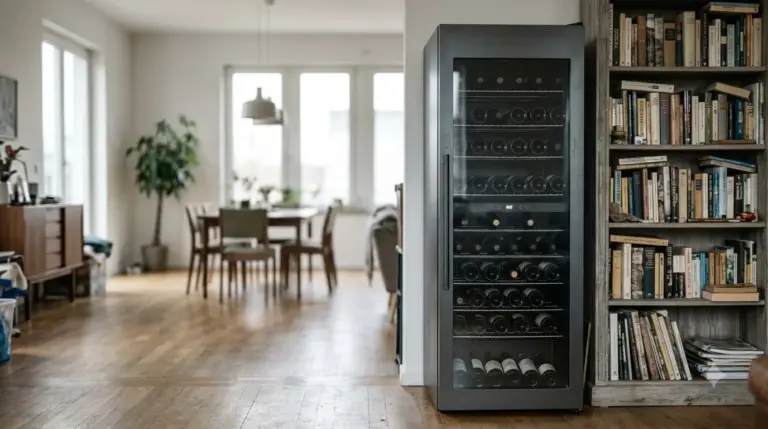
A twenty-bottle fridge suits a collector who has outgrown a small unit but does not need a full cellar.
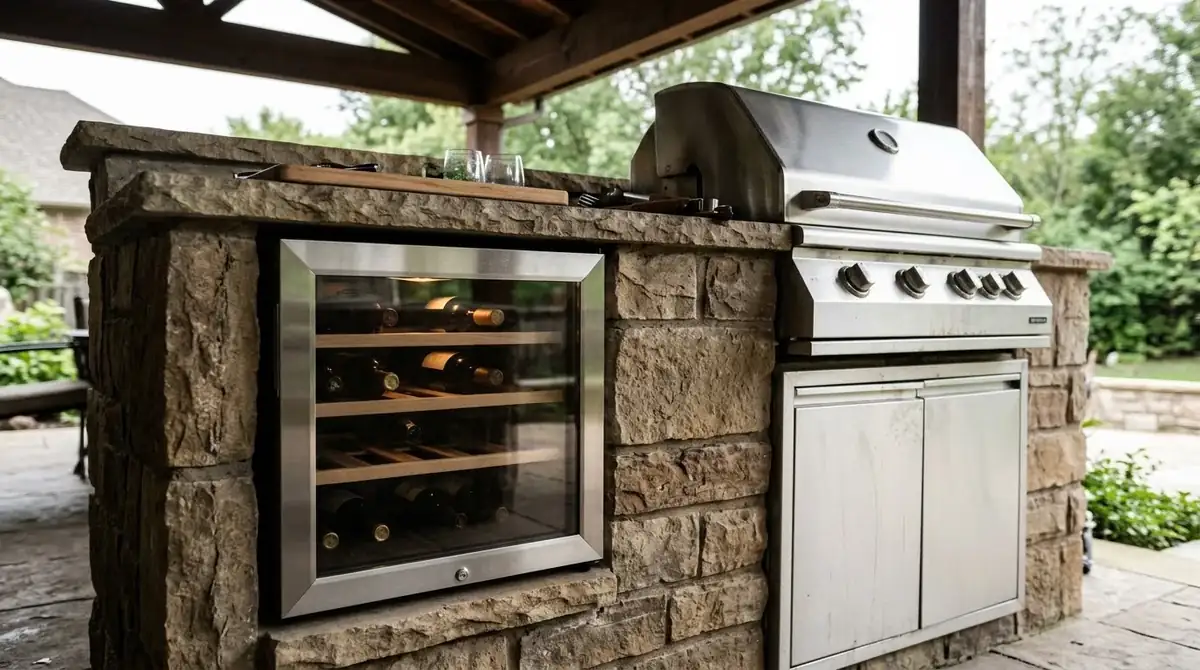
Why it stands out: Twenty slots give room to rotate everyday bottles and still keep a few for a special dinner. The unit is large enough to hold a real stock, but small enough to stay in a kitchen or dining room without dominating the space.
Keep in mind: A growing collection often outpaces the shelves. Before you buy, count the bottles you own today and add a realistic margin for the next year. If the count already fills most of the slots, look one size up instead.
Best for: Owners moving from a small cooler who want room for a steady rotation.
Best for a Red-Heavy Collection
If most of your bottles are bold reds, the temperature setting and the shelf depth matter more than the number of zones.
Why it stands out: Bold reds are usually served a little warmer than whites, and a unit set to a steady cool range can keep them near the right serving range. Wine Folly’s serving temperature guide puts bold reds at about 60 to 68 °F (15 to 20 °C), so a unit that holds a stable middle setting works well for a red-heavy stock.
Keep in mind: A cooler that runs very cold can leave reds tasting flat until they warm up, so plan to take bottles out a short time before pouring. Setting the unit to a stable middle point is usually a safer start than an extreme setting.
Best for: Collectors who keep mostly Cabernet, Syrah and other full-bodied reds.
Best for a White and Rosé Drinker
A cooler setting suits a household that opens white and rosé most nights, and a fridge with a colder zone keeps those bottles ready.
Why it stands out: Full-bodied whites and rosé sit in a fridge-cold range, and a unit that holds a steady cooler setting keeps them ready without a trip to the main refrigerator. A dual zone layout lets the whites sit colder than the reds.
Keep in mind: Light whites often serve colder still, so a single setting may not suit every bottle. If your white stock ranges from crisp to oaked, a dual zone layout gives you more control.
Best for: Households that drink mostly white, rosé and sparkling wine through the warm months.
Best for Renters and Frequent Movers
A freestanding fridge is the easiest layout to move when the home changes, and it does not need a permanent cabinet opening.
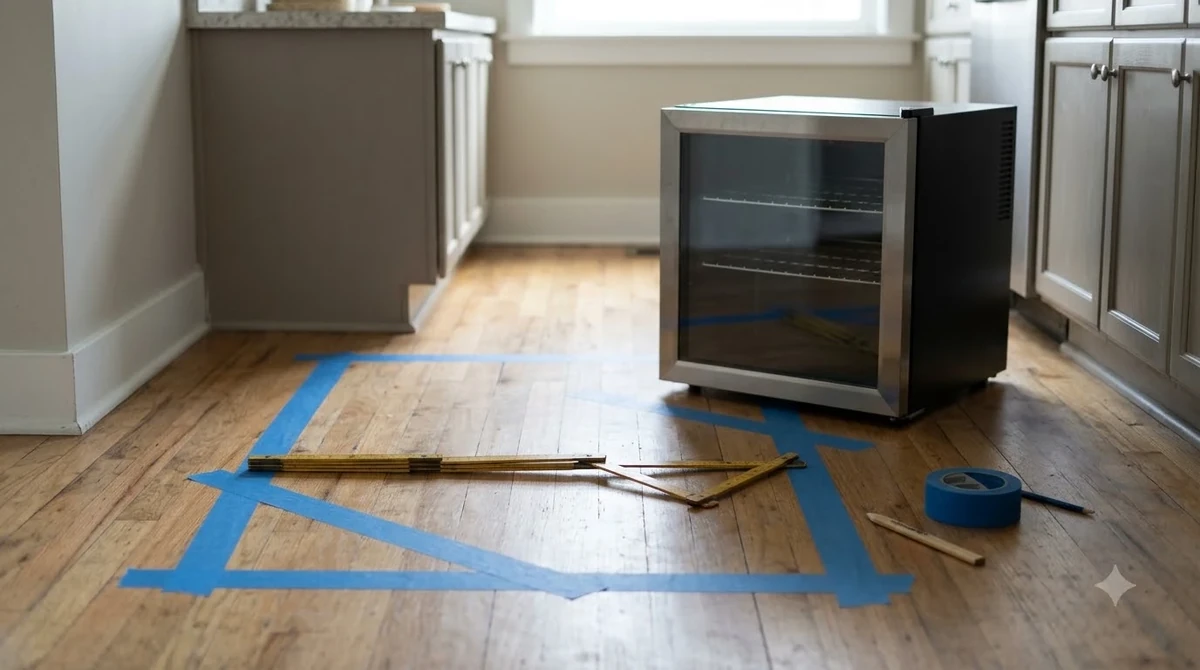
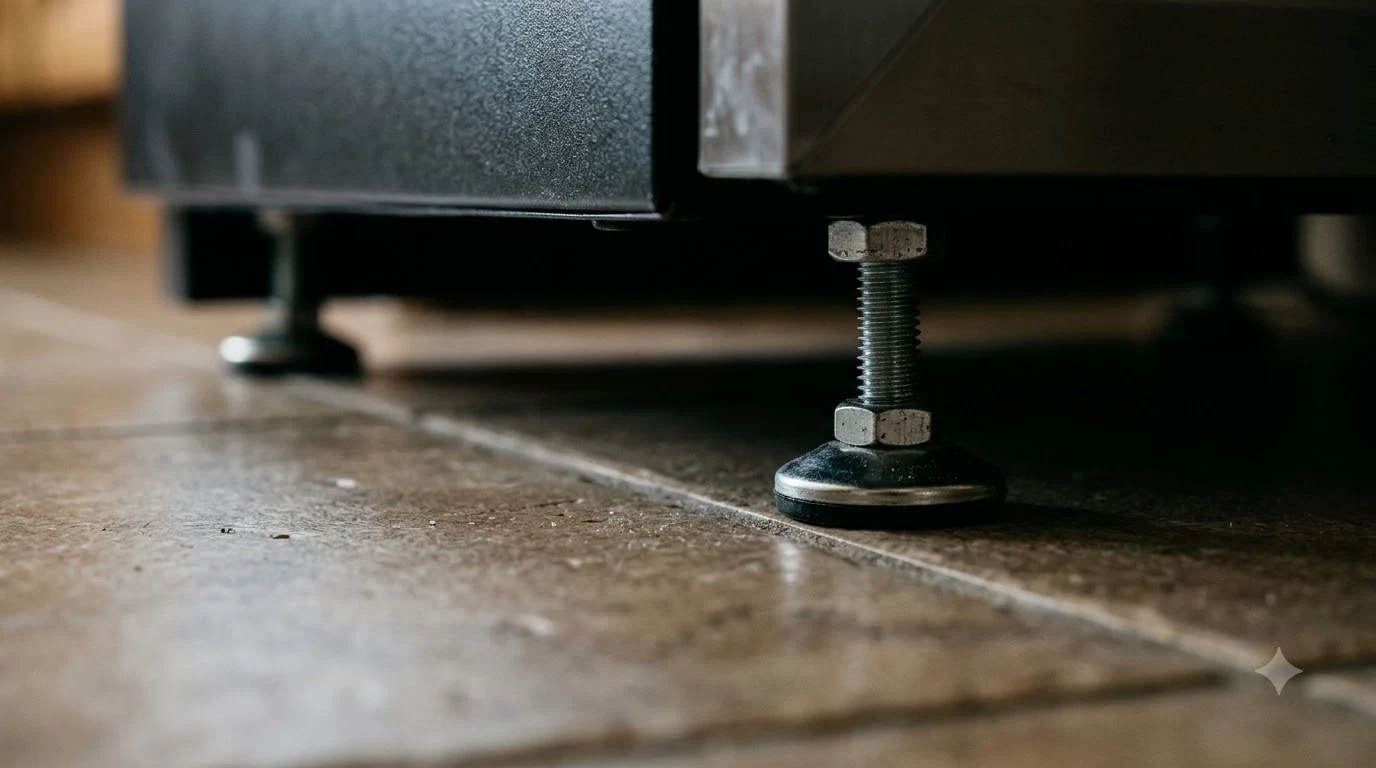
Why it stands out: A freestanding model plugs into a standard outlet and can move with you. Adjustable feet help it sit level on a rented floor, which protects the compressor and keeps the bottles steady.
Keep in mind: Leave the clearance the manual asks for around the back and sides. A unit pushed tight against a wall can run longer and hold its set point less well, and a landlord may ask for the space to be left clear.
Best for: Renters who want a real wine fridge without a built-in install.
Best for Gift Stock and Holiday Hosting
Twenty bottles is a useful size for a stock that grows in the weeks before the holidays, when gifts and house wines pile up quickly.
Why it stands out: A cooler with twenty slots holds a mix of gift bottles and everyday pours without crowding the shelves. It also keeps a few bottles at serving temperature when guests arrive.
Keep in mind: Gift bottles often come in larger shapes or boxes that take extra room. Measure the shelf depth and check whether the boxes fit before you plan the load.
Best for: Hosts who keep a seasonal stock and want it in one place.
How to Choose a 20 Bottle Wine Fridge
A twenty-bottle fridge is easy to pick once the layout, the zones and the placement are settled. Work through these points in order.
- Count the bottles you own. Add a margin for the next year so the unit does not fill up right away.
- Check the shape mix. Tall, wide and magnum bottles take more room, so confirm the shelves suit your stock.
- Pick one zone or two. Choose dual zone for mixed reds and whites, and single zone if one style dominates.
- Confirm the temperature range. Look for a stated range, a clear display and a setting you can hold steady in your room.
- Plan the spot. Keep the unit level, out of direct sun and away from heaters and heavy vibration.
Shelf depth and door type matter as much as the bottle count. A deep shelf holds a Bordeaux bottle without crowding the next one, and a solid door keeps the light out. Compare two or three models side by side on those two points before you read the capacity claim. After you bring a new unit home, let it run for a day before loading it, so the interior reaches its set point. Load the back of the shelves first with the bottles you plan to keep longest, and keep the everyday bottles near the front where they are easy to reach.
Frequently Asked Questions
How many bottles does a 20 bottle wine fridge really hold?
The rating assumes standard 750 ml bottles, which is the common unit of volume for wine. Larger bottles and magnums take more space, so the real count can drop. Check the shelf design in the manual to see how many standard bottles fit.
Should a 20 bottle fridge be single zone or dual zone?
Pick dual zone when you store reds and whites and want each at its own temperature. Single zone works when most of your bottles share one style and one serving range.
What temperature should I set a wine fridge to?
It depends on the wine. Wine Folly suggests serving full-bodied whites around 44 to 55 °F (7 to 12 °C) and bold reds around 60 to 68 °F (15 to 20 °C). Many owners set a middle point for mixed storage and adjust for each bottle.
Is a 20 bottle wine fridge good for long-term aging?
It can hold wine for a while, but aging needs a steady temperature and low vibration. General wine storage guidance describes 13 °C (55 °F) as ideal for storage and aging, and swings of 14 degrees or more are said to speed aging. A stable spot matters more than the size of the unit.
If your collection is still smaller, a 12 bottle wine fridge may be a better match, and a 6 bottle wine fridge suits a very small stock. For a quick guide to how many glasses a bottle pours, see how many glasses in a bottle of wine. Count your bottles, decide on one zone or two, and choose the fridge that holds your stock with room to spare.
More in By Bottle Count
 Best 52 Bottle Wine Fridge Options for Every Kitchen and CollectionUpdated Nov 18, 2026
 Best 15 Bottle Wine Fridge Options for Quiet Storage and Ready-to-Pour ServingUpdated Nov 18, 2026
 Best 34 Bottle Wine Cooler Types for Kitchens, Bars, and Home CellarsUpdated Nov 18, 2026
 Best 166 Bottle Wine Cooler Types for Serious Collectors and HostsUpdated Nov 18, 2026
 Best 54 Bottle Wine Fridge Types for Undercounter and Home CellarsUpdated Nov 18, 2026
 Best 46 Bottle Dual Zone Wine Cooler for Built-In Kitchens and Home BarsUpdated Nov 19, 2026