

We may earn a commission when you buy through links on this page, at no extra cost to you. Learn more.
The villa maria wine price for a typical 750 ml bottle in the United States generally falls around $12 to $25, depending on the grape, collection, vintage, and retailer. Villa Maria Sauvignon Blanc is generally among the more affordable choices, while Private Bin Pinot Noir and organic selections can cost more. Reserve, Single Vineyard, and Icon wines occupy progressively more specialized positions in the producer’s portfolio, so comparing the range and grape variety is important before purchasing.
Villa Maria is a New Zealand producer particularly associated with Marlborough Sauvignon Blanc, but its portfolio extends well beyond that familiar white wine. American shoppers can find approachable everyday bottles, food-friendly selections, organic wines, and more distinctive vineyard-focused releases. Understanding the differences between these collections makes it easier to judge whether a bottle offers appropriate value for its style and intended occasion.
Who This Is For
Villa Maria appeals to shoppers looking for recognizable New Zealand wines across several grape varieties and spending levels. Its range is particularly useful for people who enjoy fresh Sauvignon Blanc, lighter Pinot Noir, and approachable wines for everyday meals or casual entertaining.
First-time buyers will often find Private Bin the simplest starting point. Villa Maria describes this collection as elegant, approachable, and fruit-driven, with wines expressing the character of New Zealand’s different growing regions. Its Marlborough Sauvignon Blanc is an especially practical choice for someone who wants a recognizable New Zealand white without immediately moving into a specialized collection. The Private Bin selection also includes Pinot Noir, Chardonnay, Pinot Gris, Rosé, and a Hawke’s Bay Merlot Cabernet Sauvignon blend.
Shoppers who already know the brand may have different priorities. Someone looking for an organic wine can explore EarthGarden, while a person interested in wines from selected fruit parcels may prefer Reserve. Single Vineyard is relevant to buyers interested in differences between individual vineyard sites, and Icon is aimed at those seeking the producer’s more distinctive releases.
Villa Maria is also worth considering for people building a mixed selection for a dinner or gathering. A crisp Marlborough Sauvignon Blanc can serve as an aperitif or accompany seafood, while Pinot Noir provides a lighter-bodied red alternative. Chardonnay offers another white wine style, and the producer’s rosé range gives shoppers an option for informal lunches and warmer-weather meals.
The brand may be less suitable for someone who wants only powerful, heavily tannic red wines or a portfolio focused exclusively on traditional European appellations. Villa Maria’s New Zealand origins and emphasis on regional expression are central to its identity. Its range is broad, but the most recognizable starting points remain its fruit-forward whites and approachable reds.
For a broader look at the producer’s bottles, the Villa Maria wine overview provides a useful companion when comparing varieties and collections. Buyers can use the range information to decide whether they want an everyday bottle or something more distinctive before comparing retailer listings.
Key Factors to Compare
The most useful way to compare Villa Maria bottles is to look at the grape variety, collection, growing region, vintage, and bottle size together. These factors explain why two wines carrying the same producer name can occupy noticeably different retail price categories.
The following table summarizes representative US retail price ranges from tracked listings. These are shopping benchmarks rather than fixed producer prices, and availability can differ between stores.
| Wine or collection | Typical US retail range | What to consider |
|---|---|---|
| Private Bin Sauvignon Blanc | About $12 to $16 per 750 ml bottle | Fresh, approachable white wine; Vino Alert retailer listings |
| Private Bin Marlborough Pinot Noir | About $15 to $24 per 750 ml bottle | Vintage and retailer differences; Vino Alert listings |
| EarthGarden Pinot Noir | About $16 to $27 per 750 ml bottle | Organic range; Vino Alert retailer listings |
For the 2025 Sauvignon Blanc, Vino Alert records US retail listings ranging from approximately $12.95 to $15.97 per 750 ml bottle. Its Villa Maria Sauvignon Blanc price listings provide a useful reference for comparing tracked retailers. Listings for the 2021 Private Bin Marlborough Pinot Noir show a wider recorded range of approximately $14.97 to $24.00, illustrating how vintage and retailer selection can affect the amount shoppers encounter. Prices vary by state and retailer, and shipping charges and taxes may be additional.
EarthGarden Pinot Noir provides another useful comparison. Vino Alert records prices of approximately $16 to $30 for its listed 2022 vintage, depending on the retailer. The collection should therefore be evaluated by the specific wine and vintage rather than by the organic designation alone.
Grape variety and drinking style
Sauvignon Blanc is generally the most straightforward entry point for someone who prefers crisp, aromatic white wine. It is known for high acidity, which helps it work alongside seafood, salads, goat cheese, and dishes featuring lemon or fresh herbs. Marlborough is particularly associated with this style, and Villa Maria’s official portfolio emphasizes the region’s fresh, fruit-driven expression.
Pinot Noir provides a different experience. It typically has low-to-medium tannin and relatively high acidity, with red-fruit characteristics and a lighter body than Cabernet Sauvignon. This makes it useful with roast chicken, salmon, mushroom dishes, and moderately seasoned foods. Chardonnay is another option for shoppers who prefer a fuller white wine, while rosé can suit lighter meals and casual gatherings.
Collection and production positioning
The collection name helps identify the kind of wine being considered. Private Bin is the approachable starting range, while Cellar Selection focuses on food-friendly wines. EarthGarden identifies the producer’s organic range, and Reserve indicates wines made from selected fruit parcels. Single Vineyard and Icon offer additional distinctions for buyers who want to explore more specific expressions of Villa Maria’s portfolio.
For an accurate comparison, avoid assuming that every bottle in a named collection costs the same. A Sauvignon Blanc, Pinot Noir, and Chardonnay can have different retailer listings even when they belong to the same collection. Comparing the exact wine and vintage is more useful than comparing collection names in isolation.
Step-by-Step: How to Compare Villa Maria Wine Prices
A reliable purchase begins by choosing the wine style and then checking equivalent bottles across retailers. Following a consistent process helps prevent misleading comparisons between different vintages, sizes, and collections.
-
Choose the grape variety.
Decide whether the occasion calls for Sauvignon Blanc, Pinot Noir, Chardonnay, rosé, or a red blend. For example, Sauvignon Blanc is a logical choice for a seafood lunch, while Pinot Noir can work with roast poultry or mushroom dishes. Starting with the grape prevents an attractive listing from distracting from the type of wine actually needed.
-
Identify the Villa Maria collection.
Look for Private Bin, Cellar Selection, EarthGarden, Reserve, Single Vineyard, or Icon. Private Bin provides an accessible starting point, while the other collections have different production and positioning descriptions. Compare wines within the same collection before drawing conclusions about their relative value.
-
Match the vintage.
Vintage differences matter, particularly for wines such as Pinot Noir. A 2021 bottle should not automatically be compared with a 2024 bottle as though both were identical products. The same principle applies to Sauvignon Blanc: a listing for one vintage may have a different retail range from another.
-
Confirm the bottle size.
Use 750 ml bottles as the standard comparison. If a retailer lists a larger format, a can, or a multipack, calculate the equivalent per-bottle amount before deciding which option represents better value. A lower displayed total is not necessarily a lower cost for the same quantity of wine.
-
Compare several retailers.
Check at least three listings when possible. Price-comparison services such as Vino Alert can help identify differences between stores, but shoppers should still confirm that the retailer serves their state and has the intended bottle available. A listed price may exclude shipping and taxes.
-
Evaluate the complete purchase cost.
Consider delivery charges, applicable taxes, pickup availability, and any minimum order requirement. A bottle with a slightly higher shelf price may be more economical if it is available for local pickup or has lower delivery costs. Compare the total amount for the same bottle and quantity.
-
Match the wine to the occasion.
Think about whether the bottle will be served with food, shared at a gathering, or opened for a casual evening. There is little reason to pay for a more specialized selection if an approachable Private Bin wine already fits the occasion. Conversely, a distinctive vineyard-focused wine may be appropriate for a more focused tasting or special dinner.
Tip: Compare the same grape, collection, vintage, and 750 ml bottle size before deciding that one Villa Maria listing is cheaper than another. This avoids confusing genuine price differences with differences in the wine itself.
It is also useful to keep a record of the retailer and vintage when comparing listings over time. A price that looks unusually low may refer to a different vintage, a case-only offer, or a bottle with limited availability. Confirming those details makes the comparison more meaningful and helps shoppers avoid purchasing a wine that does not match their original preference.
Types or Styles Explained
Villa Maria’s portfolio covers several grape varieties and collection styles, so the right selection depends on whether the buyer values everyday drinkability, organic production, regional character, or a more specialized wine. Understanding the main categories is more useful than treating the producer’s entire range as one uniform product.
Private Bin: approachable everyday wines
Private Bin is a sensible place to begin for shoppers who want an accessible Villa Maria bottle. The producer describes these wines as fruit-driven expressions of New Zealand’s wine regions, made in an approachable and elegant style. The range includes Marlborough Sauvignon Blanc and Pinot Noir, East Coast Chardonnay and Pinot Gris, East Coast Rosé, and Hawke’s Bay Merlot Cabernet Sauvignon.
Private Bin Sauvignon Blanc is especially relevant to shoppers who enjoy bright acidity and fresh citrus or tropical-fruit characteristics. It can be served with grilled prawns, white fish, salads, and goat cheese. A serving temperature around 45 to 50 degrees Fahrenheit helps preserve the wine’s refreshing character without making its aromas difficult to appreciate.
Private Bin Pinot Noir is a useful alternative for people who prefer red wine but do not necessarily want the firm tannins associated with Cabernet Sauvignon. Its lighter body and acidity make it suitable for roast chicken, grilled salmon, and mushroom-based dishes. For everyday drinking, this collection provides a practical starting point before moving into more specialized selections.
Cellar Selection: food-friendly choices
Cellar Selection is described by Villa Maria as a food-friendly range suited to entertaining. This positioning makes it relevant to shoppers who want a bottle to accompany a meal rather than a wine intended primarily for independent tasting.
When choosing between a Cellar Selection white and red, consider the main ingredient and preparation method. Chardonnay can complement roasted poultry, creamy sauces, and richer vegetable dishes. A red blend can work with grilled meat, tomato-based meals, and moderately seasoned food, particularly when the dish has enough protein and fat to balance the wine’s tannin.
Food pairing is not simply about matching the color of the wine with the color of the food. Acidity, sweetness, tannin, and intensity all matter. A highly acidic Sauvignon Blanc is often more successful with a lemon-dressed seafood dish than a soft, low-acidity white wine. Similarly, a red wine with noticeable tannin is usually easier to enjoy with a substantial protein-based meal.
EarthGarden: organic wine selections
EarthGarden is Villa Maria’s organic range, giving shoppers an alternative when organic production is an important purchasing consideration. It includes wines such as Sauvignon Blanc and Pinot Noir, providing access to familiar grape varieties within a separate collection.
Its Pinot Noir is a useful comparison for shoppers who want to explore beyond Private Bin. Vino Alert’s tracked listings show that EarthGarden Pinot Noir has a different retail range across its vintages, with the 2022 and 2024 bottles appearing at different prices. The collection should therefore be evaluated by the specific wine and vintage rather than by the organic designation alone.
Organic status does not automatically mean a wine tastes sweeter, has more acidity, or is better suited to a particular meal. The grape variety and winemaking style remain important. Buyers who enjoy Marlborough Sauvignon Blanc or lighter Pinot Noir can use those familiar flavor preferences when considering an EarthGarden bottle.
Reserve: selected fruit and more specialized choices
Villa Maria describes Reserve wines as exceptional selections made from selected fruit parcels. This range is appropriate for shoppers interested in a more focused expression of a grape variety or growing region.
Reserve can be a logical next step after trying a Private Bin bottle. A shopper who enjoys Marlborough Sauvignon Blanc might want to explore a Reserve expression to compare the way the wine communicates its origin and style. The same approach applies to Pinot Noir and other varieties available in the collection.
However, a higher collection position should not be the only reason for purchasing a bottle. The most suitable wine is the one whose acidity, body, flavor profile, and intended use match the buyer’s preferences. A familiar Private Bin wine may be more enjoyable for a casual lunch than a more specialized bottle intended for closer attention.
Single Vineyard and Icon: distinctive selections
Single Vineyard wines emphasize the relationship between a specific vineyard, grape variety, and growing season. Villa Maria describes these wines as expressions of individual sites, making them relevant to shoppers who enjoy comparing regional and vineyard differences.
Icon represents the producer’s pinnacle winegrowing achievements. These selections are best approached as specialized purchases rather than automatic upgrades for every occasion. Their appeal lies in the distinctive positioning of the wines and the opportunity to explore a different level of the producer’s portfolio.
Shoppers interested in these collections should compare the specific grape, region, and vintage rather than assuming that every Icon or Single Vineyard bottle follows the same style. A Sauvignon Blanc and a Pinot Noir will naturally differ in body, acidity, tannin, and food compatibility even when they come from the same producer.
For shoppers comparing New Zealand wines with other international brands, the Wine Brands overview provides broader context. It can also help clarify how a producer’s collection structure differs from the approach taken by other wine companies.
Common Mistakes When Buying Villa Maria
The biggest purchasing mistakes involve comparing different wines as though they were identical, focusing only on the lowest displayed price, or choosing a bottle without considering the meal. A few basic checks can make the buying process more reliable.
Comparing different vintages without checking the details
A common mistake is assuming that every vintage of Villa Maria Sauvignon Blanc or Pinot Noir should have the same retail value. Wine prices can vary with inventory, vintage demand, retailer availability, and the number of bottles remaining in circulation.
For example, a listing for a 2021 Private Bin Pinot Noir should not be treated as directly interchangeable with a 2024 listing. The wines may differ in age, availability, and pricing. If a retailer has an older vintage at a lower price, the buyer should decide whether that particular vintage is actually desirable rather than treating the difference as an automatic saving.
Assuming every Villa Maria wine is Sauvignon Blanc
Villa Maria is strongly associated with New Zealand Sauvignon Blanc, but the portfolio also includes Pinot Noir, Chardonnay, Pinot Gris, rosé, and red blends. Restricting the comparison to one grape can cause shoppers to overlook a wine that may be better suited to their preferences or meal.
Someone who prefers red wine, for instance, may find Private Bin Pinot Noir more appealing than Sauvignon Blanc. A Chardonnay drinker may prefer a fuller white style, while a person looking for something aromatic and refreshing may find Pinot Gris or rosé more appropriate.
Choosing by collection name alone
Another mistake is assuming that a collection name guarantees a particular flavor profile. Private Bin includes several grape varieties, and those varieties naturally differ. A Pinot Noir is not going to taste like Sauvignon Blanc simply because both belong to the same collection.
The same principle applies to EarthGarden, Reserve, and Single Vineyard. The collection tells the buyer something about the wine’s positioning or production approach, but the grape, region, and vintage remain essential information. Compare the individual bottle before making a decision.
Ignoring food compatibility
Wine that works well on its own may behave differently with a meal. Sauvignon Blanc’s high acidity makes it a useful partner for acidic ingredients such as lemon, vinegar, and fresh tomato. A wine with less acidity may seem flat beside a strongly acidic dish.
Tannin also matters. Cabernet Sauvignon generally has high tannin, while Merlot is softer and usually has medium tannin. Pinot Noir typically has lower tannin and higher acidity. Salt and fat can soften the impression of tannin, while chili heat can become more pronounced with alcoholic or tannic wines.
Oily fish is generally a difficult match for heavily tannic red wine. A fresh white or a lighter-bodied Pinot Noir is often a more suitable direction, depending on the preparation. Choosing the wine around the actual dish is more reliable than selecting a bottle solely because it is familiar.
Judging value by the lowest displayed number
A very low listing may represent an older vintage, a limited quantity, a different bottle size, or a price that excludes delivery costs. It is important to distinguish single-bottle retail listings from case-only offers. The cost of the complete order is what matters.
Shoppers should also be careful about comparing a standard Private Bin wine with an organic or vineyard-specific selection. These are different purchasing propositions. A slightly more expensive wine may be the better choice if its style is closer to the buyer’s preferences, but a premium collection is not automatically the best value for every drinker.
Care and Storage Tips
Proper storage and serving temperatures help preserve the characteristics of Villa Maria wines after purchase. The most important considerations are keeping bottles away from excessive heat, serving each style at an appropriate temperature, and storing opened wine correctly.
Store unopened bottles consistently
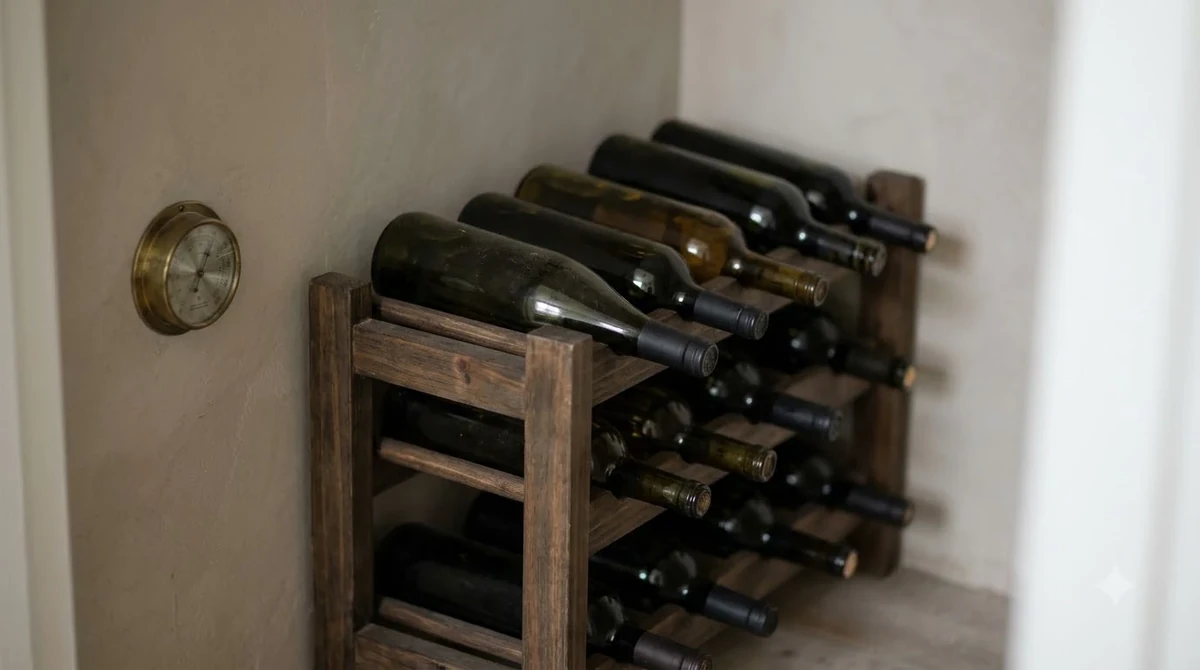
For bottles intended for storage, a cool environment around 55 degrees Fahrenheit is a useful target. Keep bottles away from direct sunlight, radiators, ovens, and locations where temperatures fluctuate significantly. Bottles with traditional cork closures are generally best stored on their sides to help maintain contact between the cork and wine.
A wine refrigerator can help maintain more consistent conditions than a kitchen refrigerator, especially if bottles will be kept for an extended period. A regular refrigerator is suitable for chilling wines before serving, but its colder and drier environment is not ideal for long-term storage.
Not every Villa Maria wine needs extended cellaring. Many approachable Sauvignon Blanc and rosé wines are intended to be enjoyed while fresh. Buyers should avoid assuming that a higher collection name automatically means the bottle needs years of aging.
Serve each style at the right temperature
Temperature affects aroma, acidity, body, and the perception of alcohol. Serving a white wine too cold can mute its aromas, while serving a red wine too warm can make its alcohol seem more prominent.
Use these general serving ranges:
- Light white wines and rosé: 45 to 50 degrees Fahrenheit.
- Fuller-bodied white wines: 50 to 55 degrees Fahrenheit.
- Light-bodied red wines: 55 to 60 degrees Fahrenheit.
- Full-bodied red wines: 60 to 65 degrees Fahrenheit.
- Sweet white wines: 43 to 50 degrees Fahrenheit.
For a Villa Maria Sauvignon Blanc, begin around 45 to 50 degrees Fahrenheit. A Pinot Noir is generally more expressive around 55 to 60 degrees Fahrenheit. Chardonnay can benefit from slightly warmer serving conditions, particularly if it has a fuller body.
Handle opened bottles carefully
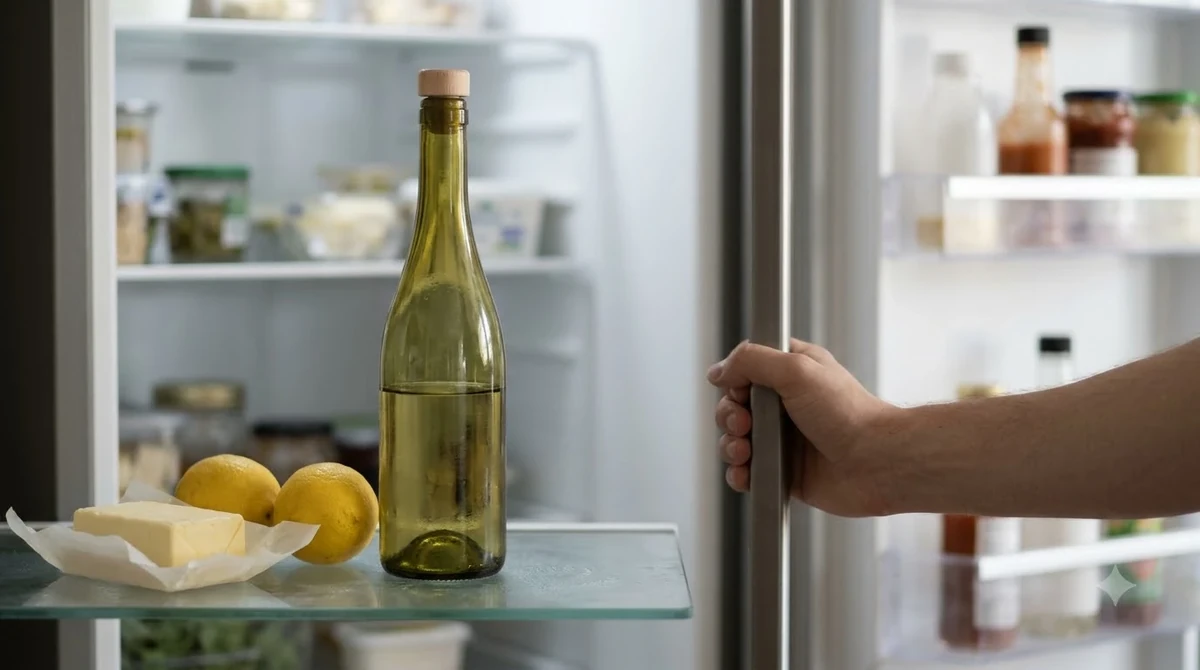
Once a bottle has been opened, reseal it promptly and place it in the refrigerator. Most opened still wines remain in reasonable drinking condition for approximately three to five days, although their freshness can decline depending on the wine and storage conditions.
Minimizing air exposure helps slow oxidation. A suitable wine stopper is useful for everyday storage, while a vacuum stopper can reduce the amount of air remaining in the bottle. Keep the bottle upright in the refrigerator after opening and allow it to approach the appropriate serving temperature before pouring.
For a typical dinner, a standard 750 ml bottle provides approximately five glasses when each pour is 5 ounces. This makes it easier to estimate how many bottles are needed for a gathering without opening more wine than necessary.
Decanting is not automatically required for every Villa Maria red. Young, full-bodied red wines may benefit from approximately 30 to 60 minutes of aeration, but lighter Pinot Noir generally does not require the same treatment. A simple pour into an appropriate glass is usually sufficient for many approachable bottles.
Frequently Asked Questions
How much does Villa Maria wine cost in the United States?
Many approachable Villa Maria bottles sit in the everyday retail category, while specialized vineyard and Icon selections can occupy higher price positions. The final amount depends on the specific grape, vintage, bottle size, and retailer. Local alcohol taxes and shipping arrangements can also affect the complete purchase cost.
Is Villa Maria Sauvignon Blanc from Marlborough?
Villa Maria offers a Marlborough Sauvignon Blanc, and the producer identifies Marlborough as a particularly important region for its crisp, fruit-driven white wines. Marlborough’s Sauvignon Blanc is internationally recognized for its aromatic intensity and refreshing acidity. The brand also produces wines from other New Zealand growing regions.
Does Villa Maria make vegan wine?
Vegan suitability cannot be assumed from a wine’s grape variety or collection name alone. Some winemaking clarification materials can be animal-derived, so shoppers who require vegan-certified wine should look for a specific certification or written confirmation from the producer for the individual bottle.
Can Villa Maria Sauvignon Blanc be aged for several years?
Many approachable Sauvignon Blanc wines are designed to emphasize freshness rather than extended bottle aging. Their citrus and aromatic characteristics are often most enjoyable while youthful. More specialized releases may have different aging potential, depending on their structure, vintage, and winemaking approach.
How many servings are in a standard Villa Maria bottle?
A 750 ml bottle contains approximately 25.4 US fluid ounces. At a standard 5-ounce pour, that works out to roughly five full servings, with a small amount remaining. Smaller tasting pours can provide additional samples when comparing several Villa Maria varieties at the same gathering.
Villa Maria offers a broad selection of New Zealand wines, from approachable Private Bin Sauvignon Blanc to Pinot Noir, organic selections, and more specialized vineyard releases. Compare the same grape, collection, vintage, and bottle size across retailers to make a meaningful purchasing decision. The best choice is the bottle that matches both the occasion and the style of wine you enjoy.
More in Wine Brands
 Underwood Wine Price: Compare Bottles, Cans, and Pack SizesUpdated Nov 21, 2026
 Zenato Wine Price: Compare Styles and Choose the Right BottleUpdated Nov 21, 2026
 Zuccardi Wine Price: Compare Bottles and Find the Right RangeUpdated Nov 21, 2026
 Yellow Tail Moscato Review: Taste, Sweetness and Serving TipsUpdated Nov 21, 2026
 Wolf Blass Yellow Label Review: Choose Your Best StyleUpdated Nov 21, 2026
 Wolffer Estate Rose Review: Choose the Right Bottle for Your TableUpdated Nov 21, 2026