

We may earn a commission when you buy through links on this page, at no extra cost to you. Learn more.
Whitehaven Sauvignon Blanc is a New Zealand white from Marlborough, known for ripe citrus, tropical fruit and a fresh, herbal edge. It shows the classic regional style: bright acidity, aromatic lift and flavors of passion fruit, lime and green herbs. It suits anyone who wants a lively, dry white for seafood, salads or an easy weeknight glass.
This guide covers what Whitehaven Sauvignon Blanc tastes like, how the wine is made, how it differs across vintages and tiers, and what to serve it with. Sauvignon Blanc from Marlborough is one of the most recognizable wine styles in the world, so the details matter when you are comparing bottles.
What Marlborough Sauvignon Blanc Is
Marlborough is the large region at the top of New Zealand’s South Island, and it is the source of most of the country’s Sauvignon Blanc. The cool growing season and long, sunny days help the grape keep its acidity while still ripening to full fruit flavor. That balance is the reason the style is so easy to recognize.
Whitehaven’s wines are grown in Marlborough, and the 2024 bottling listing places the fruit in the region. Because the style is so consistent across producers, many shoppers buy by the name on the label and rely on the vintage year to tell them how fresh or how rich the wine will be.
The Flavor Profile of Whitehaven Sauvignon Blanc
The 2024 bottling is described on a retailer listing as having ripe citrus oil, white peach and tropical melon, with the green herbaceous notes that define the region. The same listing also mentions stone fruit, yuzu, gooseberry, blackcurrant and boxwood, and it calls the wine fresh and elegant, with a lingering, precise finish.
Across other vintages, retailers and review sites describe a similar core: lemon and grapefruit, green apple, lemongrass and passion fruit. Older releases are often described with more gooseberry and lime, and some notes mention a touch of lychee or herbal spice. Those differences are normal for a wine made from different seasons, so the vintage year is useful information when you are choosing a bottle.
Acidity is the backbone of the style. It keeps the wine crisp on the palate and makes it feel lighter than the fruit might suggest. A well-made Marlborough Sauvignon Blanc should finish clean, not sugary, and that is what most drinkers look for in this category.
How the Wine Is Made
According to the winemaking notes on the 2024 listing, the grapes are destemmed but not crushed. They are then lightly pressed with minimal skin contact. That approach keeps the wine’s aromas fresh and limits harsh, bitter notes that can come from extended contact with skins.
Fermentation takes place in upright stainless steel tanks at very low temperatures, and the process can run for up to 30 days. The slow, cool ferment locks in the bright fruit and the aromatic character that drinkers associate with the style. Stainless steel also keeps the wine clean and crisp, without the creamy notes that oak can add.
Vineyard work matters too. The listing says the fruit comes from a mix of company-owned or managed vineyards and contract grower vineyards, and the vines are pruned to a set number of canes. Those choices shape the amount of fruit each vine carries and help control the flavor concentration in the finished wine.
Whitehaven Styles and Vintages
Most people buy the core Marlborough Sauvignon Blanc, which is the everyday bottling sold in wine shops and grocery stores. It is designed to be fresh, approachable and consistent from year to year, and it is the easiest entry point into the Whitehaven range.
The winery also produces more specialized wines. One listing for a Single Vineyard Series bottling describes a barrel-fermented Sauvignon Blanc from 2023. Barrel fermentation usually adds texture and a rounder mouthfeel, so it reads as a different style from the crisp, stainless steel version. Tasting notes for that bottling sit behind a members-only listing, so check the current producer information before buying.
| Style | What to expect | Best with |
|---|---|---|
| Core Marlborough Sauvignon Blanc | Citrus, passion fruit, green herbs, crisp finish | Oysters, goat cheese, green salads |
| Recent vintages (2023 to 2025) | Ripe citrus, white peach, tropical notes | Grilled fish, shrimp tacos |
| Barrel-fermented single vineyard | Richer texture, more roundness, same bright core | Roast chicken, creamy pasta |
How to Serve Whitehaven Sauvignon Blanc
Serve this wine well chilled, but not ice cold. Very cold temperatures mute the aroma, and the herbal and tropical notes are the best part of the glass. A short time in the refrigerator before pouring is usually enough.
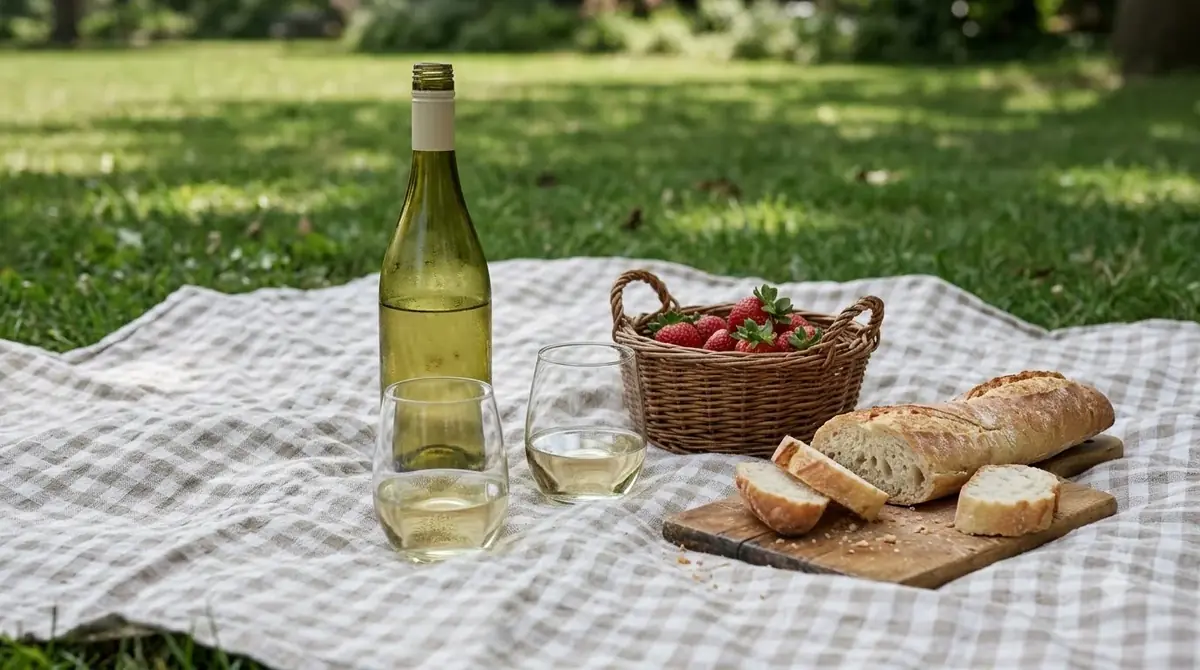
Use a standard white wine glass, which concentrates the aroma near the rim. Pour a moderate amount so the wine has room to open as it warms slightly in the glass. Keep the bottle cold between pours, especially on a warm day or outdoors.
Once opened, recork the bottle and keep it in the refrigerator. Sauvignon Blanc is usually at its best within a few days of opening, because its fresh aromas fade gradually with exposure to air.
Food Pairings That Work Well
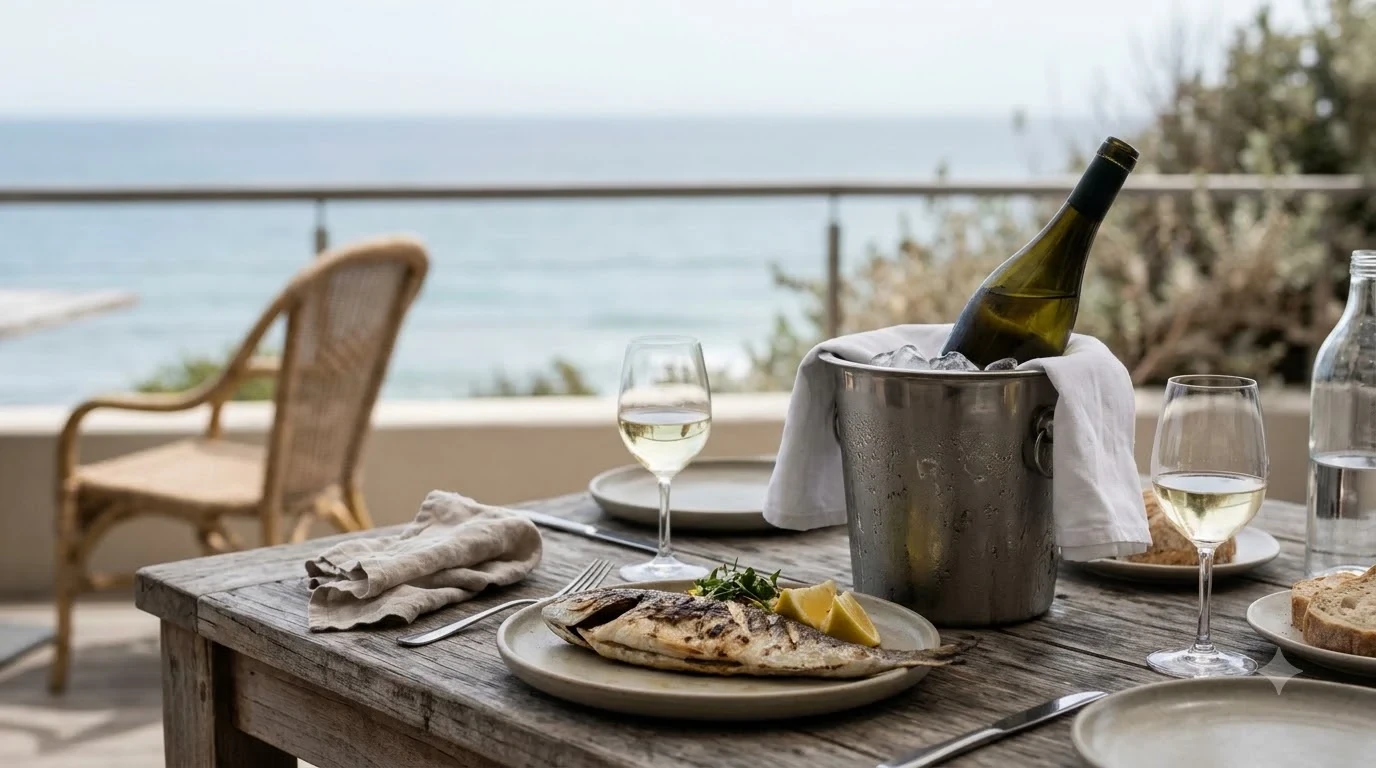
The wine’s acidity makes it a strong partner for seafood and fresh produce. Oysters, grilled white fish, ceviche and shrimp all suit the citrus and herbal notes. Goat cheese and feta bring out the tang in the wine, while salads with lemon dressing or fresh herbs echo its character.
It also works with spicy and herbal dishes. Thai green curry, Vietnamese fresh rolls and dishes with cilantro or basil find balance in the bright fruit. For richer food, pick the barrel-fermented style, which has more body for roast chicken or creamy pasta.
Vegetables with a little char or a bit of bitterness also suit the wine. Grilled asparagus, zucchini with lemon and mint, and roasted peppers all echo the herbal side of the wine. A simple dinner built around fresh produce and olive oil is one of the easiest ways to show off a Sauvignon Blanc, because the wine’s acidity lifts the vegetables without competing with them.
Tip: If you want to compare styles, open the core bottling and a single vineyard bottling side by side with the same meal. The difference in texture is easy to notice once the two are on the table together.
Frequently Asked Questions
Is Whitehaven Sauvignon Blanc dry?
Yes. Sauvignon Blanc from Marlborough is a dry white wine. Its fruit flavors come from the grape and the cool climate, not from residual sugar, so it finishes crisp and clean.
What does Whitehaven Sauvignon Blanc taste like?
Most vintages show citrus, passion fruit, green apple and herbal notes such as lemongrass. Recent bottlings are often described with white peach and tropical melon, along with the grassy, green character typical of Marlborough.
How is it different from other Marlborough Sauvignon Blancs?
The core style is similar to other Marlborough producers, so the differences come down to the specific fruit, the winemaking and the vintage. Comparing tasting notes from the same year is the most reliable way to see which bottle suits your taste.
Can you cook with Sauvignon Blanc?
Yes. Its acidity works well in pan sauces for fish, in steamed mussels and in risotto. Use a wine you would be willing to drink, because the flavor concentrates as the sauce reduces.
If you are comparing New Zealand whites, the Kim Crawford Sauvignon Blanc guide and the Oyster Bay Sauvignon Blanc page cover two other popular bottlings. For a wider look at producers, the wine brands guide is a good next step. Whitehaven is a dependable choice when you want a bright, food-friendly white that tastes like its region.
More in Wine Brands
 Underwood Wine Price: Compare Bottles, Cans, and Pack SizesUpdated Nov 21, 2026
 Zenato Wine Price: Compare Styles and Choose the Right BottleUpdated Nov 21, 2026
 Zuccardi Wine Price: Compare Bottles and Find the Right RangeUpdated Nov 21, 2026
 Yellow Tail Moscato Review: Taste, Sweetness and Serving TipsUpdated Nov 21, 2026
 Wolf Blass Yellow Label Review: Choose Your Best StyleUpdated Nov 21, 2026
 Wolffer Estate Rose Review: Choose the Right Bottle for Your TableUpdated Nov 21, 2026