

We may earn a commission when you buy through links on this page, at no extra cost to you. Learn more.
The best 80 bottle wine fridge is usually a dual-zone freestanding unit for households that serve both reds and whites, a single-zone model for one steady storage temperature, and a built-in unit for a kitchen or bar run. An 80-bottle capacity is a common mid-size choice: large enough for a rotating collection, small enough for a kitchen corner or a basement wall.
Buyers often search for an 80-bottle fridge because it sits in the middle of the market. It holds more than the smaller 6- and 12-bottle units, yet it is not as large as a full wine cellar. This guide explains the main types of 80-bottle fridge, what each one does well, and how to match a model to the way you store and serve wine.
Quick Comparison of 80-Bottle Fridge Types
An 80-bottle fridge is usually sold in one of three layouts. A single-zone unit keeps every shelf at the same temperature, which suits a collection that is mostly red and aging. A dual-zone unit has two temperature areas, so you can keep reds slightly warmer and whites cooler. A built-in unit is designed to sit under a counter or inside cabinetry, with the vents and front airflow planned for that install.
| Fridge type | Best use | Temperature control | Footprint | Install |
|---|---|---|---|---|
| Single-zone freestanding | Aging and storing one style | One steady zone | Freestanding | Plug in anywhere with airflow |
| Dual-zone freestanding | Mixed reds and whites | Two zones | Freestanding | Plug in with airflow |
| Built-in under-counter | Kitchens and bars | Usually one or two zones | Flush with cabinets | Needs front or side venting |
| Quiet compressor model | Living rooms and open kitchens | Varies | Freestanding | Plug in with airflow |
Best for Mixed Reds and Whites: Dual-Zone Models
A dual-zone 80-bottle fridge is the most flexible option for a household that drinks both colors. You can keep the reds in one zone at a warmer setting and the whites and sparkling wines in a cooler one. That matters because serving temperatures differ. VinePair’s temperature guide lists sparkling wine at 40 to 50 degrees and white wine at 45 to 55 degrees, while light-bodied reds sit at 55 to 60 degrees and fuller reds at 60 to 65 degrees.
Why it stands out: It gives you two serving temperatures without a second appliance, and it suits a rotating mix of bottles.
Keep in mind: Two zones mean two sets of shelves to organize, and the cooler zone is usually smaller than the warmer one.
Best for: households that serve both red and white every week and want each bottle at the right temperature.
Best for Long-Term Aging Collections
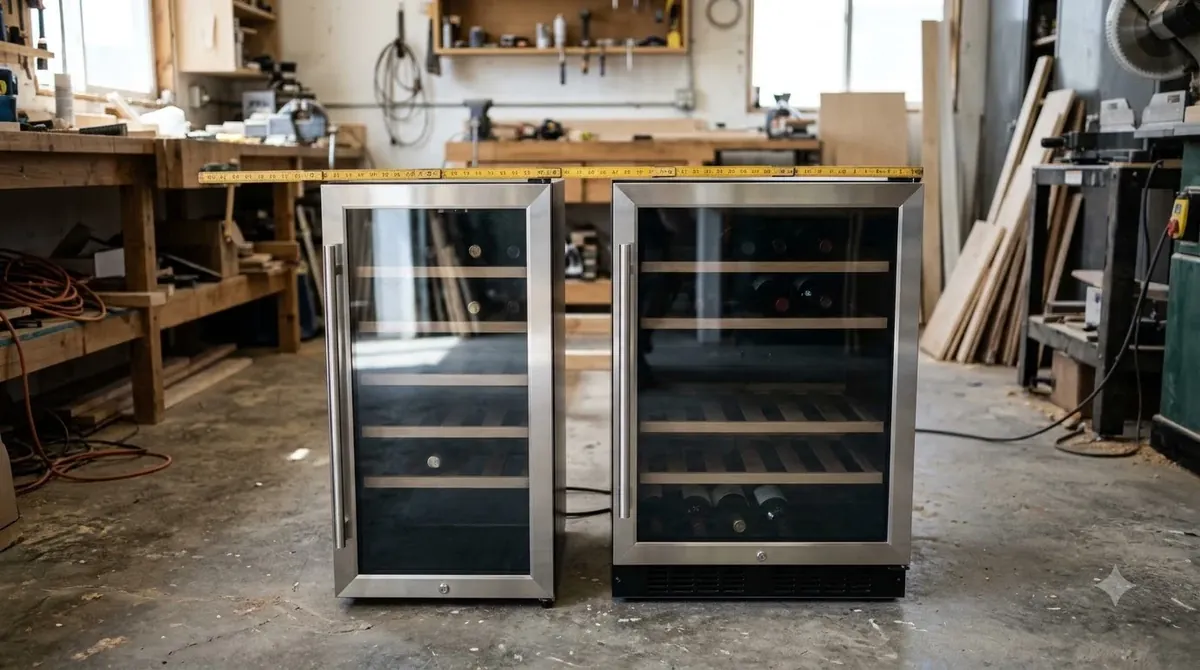
If you buy wine to age, a single-zone 80-bottle fridge is often the better choice. Aging depends on a steady, cool temperature more than on fine-tuned serving settings. Wikipedia’s entry on wine cellars gives 13 degrees Celsius (55 degrees Fahrenheit) as an ideal temperature for both short-term storage and long-term aging, and it describes a range of 10 to 14 degrees Celsius for normal aging. The same entry warns that swings of 14 degrees or more can make wine breathe through the cork and speed up aging.
Why it stands out: One steady zone keeps the temperature from swinging, which is the main thing an aging collection needs.
Keep in mind: A single-zone fridge cannot serve whites and reds at different temperatures, so you will need to move bottles to a cooler spot before serving.
Best for: collectors who buy bottles to hold for years and drink from the rack in order.
Best for Kitchens and Bars: Built-In Under-Counter Units
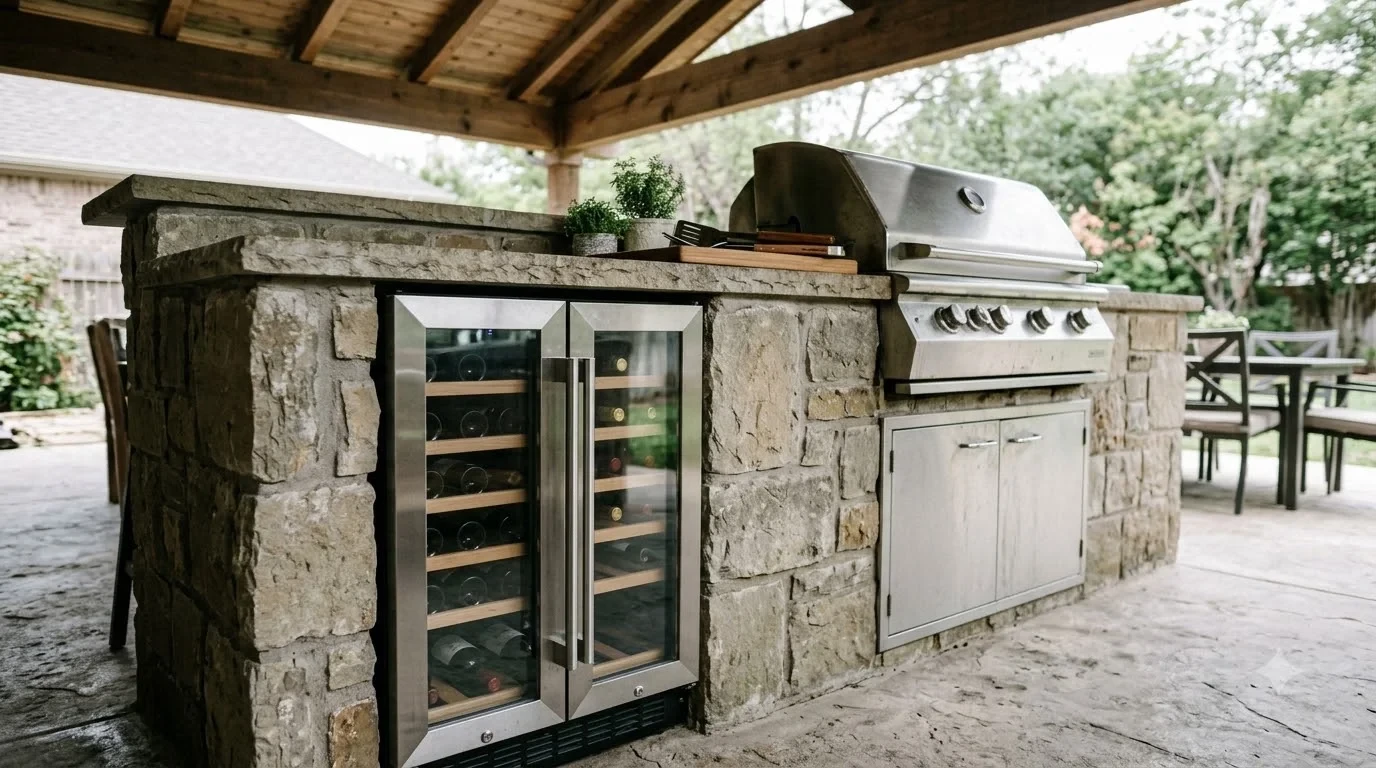
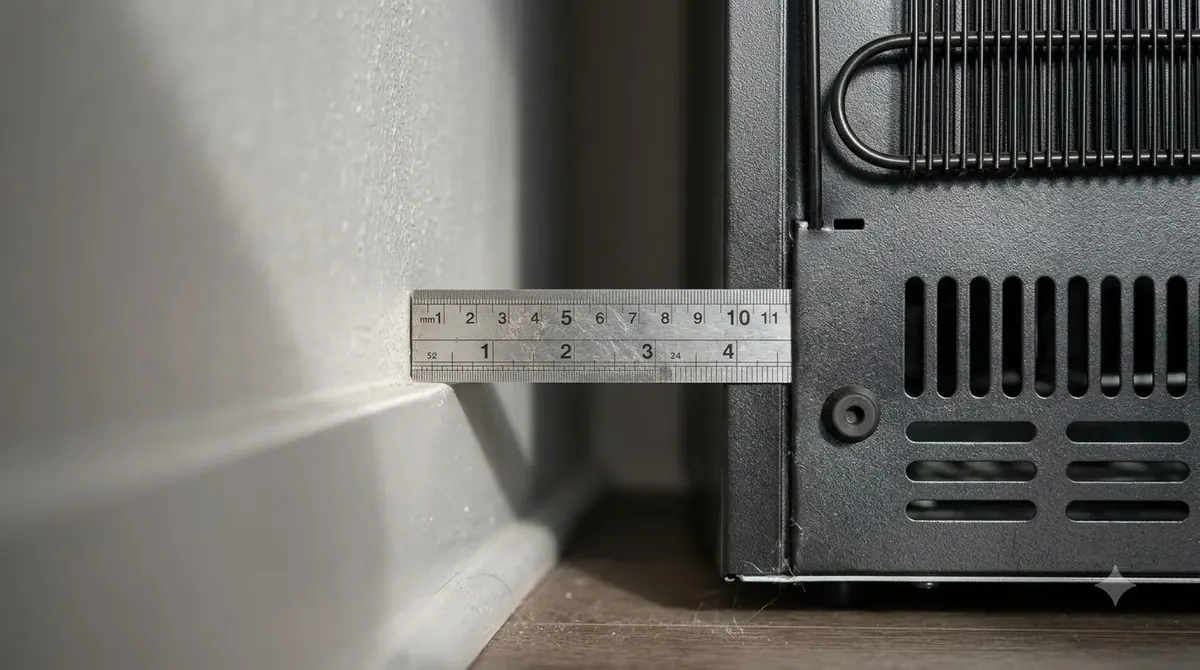
A built-in 80-bottle fridge fits under a counter or into a run of cabinets, so it looks like part of the kitchen rather than an appliance placed in a corner. These units need planned airflow, usually through a front vent or a side vent, and they are best installed in a space the manufacturer’s guide describes. Check the vent layout before you buy, since a built-in unit blocked by a panel can run hot.
Why it stands out: It keeps wine at hand near the counter, and the finish matches the cabinets around it.
Keep in mind: Built-in models usually cost more to install than freestanding ones, and the install dimensions must match the opening exactly.
Best for: remodels, kitchen islands, and home bars where the fridge should look built in.
Best for Living Rooms and Open Kitchens: Quiet Models
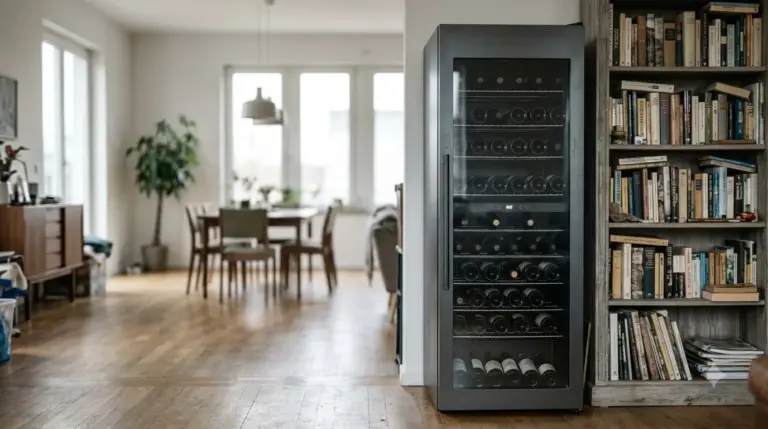
An 80-bottle fridge in a living area or open kitchen needs to run quietly. Compressor units can hum when they cycle, while some other designs run more quietly. Look for specifications that describe noise levels and vibration, and if the fridge will sit near a sofa or a dining table, check the sound rating before buying.
Vibration matters too. Wine ages best when it is not shaken, and a fridge that sits on an uneven floor can move. Level the unit with its adjustable feet, and keep it away from a dishwasher or washing machine that adds vibration of its own.
Why it stands out: It keeps the fridge out of the way in a room where people talk and eat.
Keep in mind: Quiet models may cost more than standard units, and you should confirm noise specs with the manufacturer rather than relying on general claims.
Best for: open-plan homes, apartments, and dining rooms with a wine display.
Best for Serving Right Away: Reds and Whites on Display
A glass-door 80-bottle fridge makes a display feature, and it is useful for bottles you plan to drink within a few weeks. Display models suit everyday reds and whites well, while long holds are better served by a unit built for steady storage. Store bottles on their sides on the racks, so corks stay moist.
VinePair’s aging guide recommends storing wine “either on a horizontal rack” for the long term, and it advises a cool, dark place. A glass door lets in light, so position the fridge away from a sunny window and consider a tinted or UV-filtered door if the model offers one.
Why it stands out: You can see the collection at a glance and pick a bottle without opening the door.
Keep in mind: Light and temperature swings from frequent door openings can affect wine over time, so keep the door closed when you are not choosing a bottle.
Best for: wine enthusiasts who drink from the display and enjoy seeing the bottles.
How to Choose an 80-Bottle Wine Fridge
Start with your storage goal. If you want to age wine, a steady single-zone unit is the simplest choice. If you serve both colors often, a dual-zone model gives you two temperatures. Then check the space. A freestanding unit needs clear airflow around the back and sides, while a built-in unit needs the vent layout the manufacturer specifies.
Consider the room. A quiet model suits a living area, while a standard unit may be fine in a garage or a basement. Finally, look at the shelves. Wood or wire racks that hold bottles on their sides are the most useful for storing corks in contact with the wine.
| Factor | What to look for |
|---|---|
| Storage goal | Single zone for aging, dual zone for mixed serving |
| Space | Freestanding needs airflow; built-in needs the planned vent |
| Noise | Quiet models for living areas and open kitchens |
| Shelves | Racks that hold bottles on their sides |
| Light | Solid or tinted door for long holds |
Frequently Asked Questions
How much space does an 80-bottle wine fridge need?
Footprint varies by brand and layout, so check the exact dimensions in the manufacturer’s specifications. Freestanding units need space around the back and sides for airflow, and built-in units need the exact cabinet opening they were designed for.
Is a dual-zone fridge better than a single-zone one?
It depends on how you drink. A dual-zone model lets you serve reds and whites at different temperatures, while a single-zone model keeps one steady temperature that suits aging. If you mostly store wine rather than serve it, single-zone is often enough.
What temperature should a wine fridge hold?
For aging, the Wikipedia entry on wine cellars points to about 13 degrees Celsius, or 55 degrees Fahrenheit, with a normal aging range of 10 to 14 degrees Celsius. For serving, use a cooler setting for whites and sparkling wine and a warmer one for reds.
Should wine be stored on its side in a fridge?
Storing bottles on their sides keeps corks in contact with the wine, which helps prevent drying. VinePair’s aging guide recommends a horizontal rack for long-term storage, so racks that hold bottles on their sides are the practical choice for an 80-bottle unit.
An 80-bottle fridge is a practical size for most collections that grow past a dozen bottles. Decide whether you need one steady zone for aging or two zones for serving, check the space and the noise, and choose racks that keep corks moist. For more size comparisons, see the guides to 12 bottle wine fridges and 6 bottle wine fridges, or browse wine fridges by bottle count. To judge how many bottles your household will use, the guide on how many glasses are in a bottle of wine is a useful companion.
More in By Bottle Count
 Best 52 Bottle Wine Fridge Options for Every Kitchen and CollectionUpdated Nov 18, 2026
 Best 15 Bottle Wine Fridge Options for Quiet Storage and Ready-to-Pour ServingUpdated Nov 18, 2026
 Best 34 Bottle Wine Cooler Types for Kitchens, Bars, and Home CellarsUpdated Nov 18, 2026
 Best 166 Bottle Wine Cooler Types for Serious Collectors and HostsUpdated Nov 18, 2026
 Best 54 Bottle Wine Fridge Types for Undercounter and Home CellarsUpdated Nov 18, 2026
 Best 46 Bottle Dual Zone Wine Cooler for Built-In Kitchens and Home BarsUpdated Nov 19, 2026