


We may earn a commission when you buy through links on this page, at no extra cost to you. Learn more.
The veuve clicquot wine price typically ranges from about $46 to $66 for a 750 ml bottle of Yellow Label Brut, with Rosé, vintage Champagne, and La Grande Dame generally costing more. The final amount depends on the cuvée, bottle size, vintage, retailer, and local alcohol taxes. Yellow Label is the familiar starting point for comparing the range, while premium bottles offer different blends, aging profiles, and presentation.
Veuve Clicquot is one of Champagne’s recognizable producers, but its bottles are not interchangeable. A standard non-vintage Brut, a fruitier Rosé, a sweeter Demi-Sec, and a prestige cuvée serve different purposes. Understanding those differences makes it easier to decide whether a particular bottle justifies its price and which style suits the occasion.
Who This Is For
Veuve Clicquot is worth considering for Champagne drinkers who want a recognizable house style, a celebratory bottle, or a gift with several distinct options. The range includes accessible non-vintage Champagne as well as more elaborate vintage and prestige releases, so the right choice depends on the event and drinking preferences.
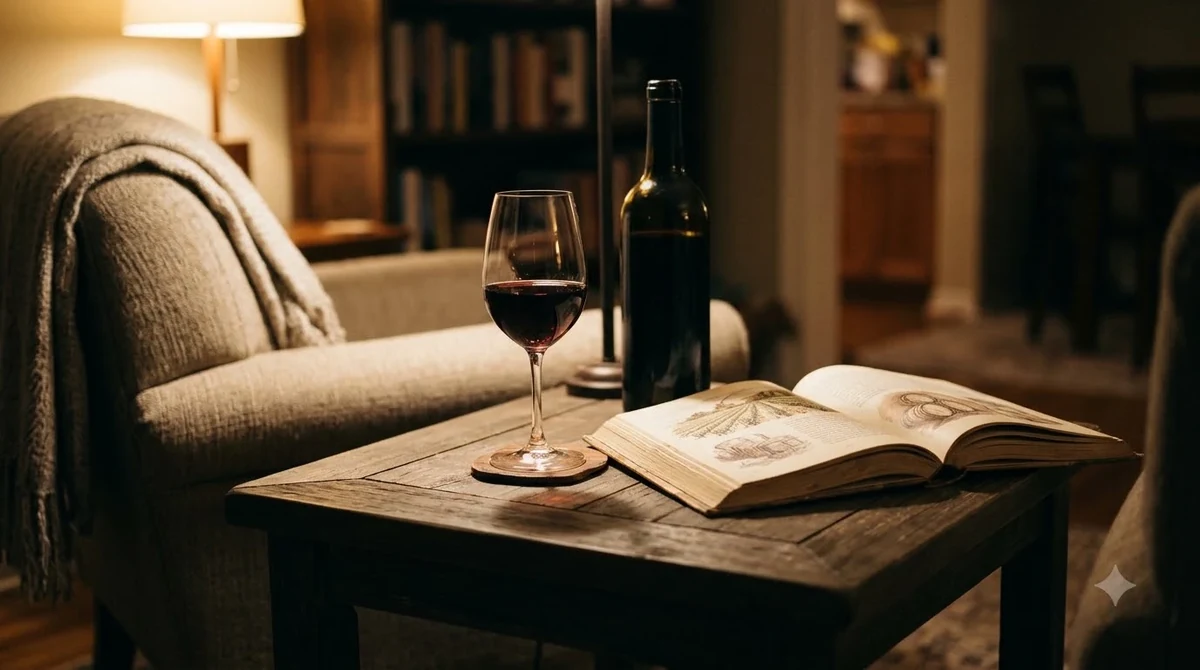
Yellow Label Brut is the most useful reference point for first-time buyers. It combines Pinot Noir, Meunier, and Chardonnay in a balanced blend, with fruit, citrus, and brioche characteristics. Its Brut classification makes it suitable for aperitifs, seafood, and a variety of savory dishes. Someone buying Champagne for a dinner party can usually serve it throughout the meal rather than reserving it for the opening toast.
Rosé is a better starting point for someone who prefers red-fruit aromas and a little more flavor intensity. It retains the familiar house blend but incorporates red Pinot Noir wine. Its cherry, strawberry, raspberry, and pastry notes make it a natural choice for richer appetizers, pizza, and aged cheeses.
Collectors and experienced Champagne drinkers may be more interested in vintage releases or La Grande Dame. These wines occupy a different position in the range, with greater emphasis on individual harvest character, prestige, and extended development. They are less practical purchases for someone who simply wants an everyday celebratory Champagne.
The brand also offers sweeter and more versatile styles. Rich and Rich Rosé are designed with different serving possibilities from a conventional Brut, while Demi-Sec provides a noticeably sweeter profile. Exploring the broader Veuve Clicquot wine range helps buyers identify the intended style before comparing retail listings.
This guide is particularly useful for buyers comparing 375 ml and 750 ml bottles, choosing between Yellow Label and Rosé, or deciding whether a prestige cuvée offers the characteristics they want. It also helps separate differences in actual wine style from packaging and retailer pricing.
Key Factors to Compare
The biggest influences on Veuve Clicquot bottle costs are the cuvée, bottle size, vintage status, and retailer. Comparing those details first is more useful than treating every yellow-labeled or orange-pink bottle as the same product.
For a practical US retail comparison, the following ranges provide approximate shopping benchmarks rather than guaranteed national prices. They are based on displayed listings from Target and Total Wine, not fixed manufacturer prices.
| Champagne | Common bottle size | Approximate US retail range | Buying consideration |
|---|---|---|---|
| Yellow Label Brut | 750 ml | $46–$66 | Signature non-vintage choice |
| Yellow Label Brut | 375 ml | $35–$43 | Smaller format |
| Yellow Label Brut | 1.5 L | $170–$175 | Magnum for sharing |
| Brut Rosé | 750 ml | $63–$75 | Red-fruit character |
| Rich Champagne | 750 ml | $70–$80 | Designed for different serving styles |
| Vintage Brut | 750 ml | $105–$115 | Vintage-specific Champagne |
| La Grande Dame | 750 ml | $210–$250 | Prestige cuvée |
These are indicative US retail comparisons, not universal price guarantees. For example, Target displays Yellow Label 750 ml at a regular listed price of approximately $66, while Total Wine displays it at approximately $56.47. Target’s displayed selling price can differ from its regular listed price, and availability varies. Prices vary by state and retailer, and local taxes, distribution costs, and bottle availability can change the amount at checkout.
The Rosé comparison follows the same principle. Total Wine’s displayed Brut Rosé listing is approximately $63 for 750 ml, while other retailer listings can be higher. A buyer should compare the same bottle size and cuvée rather than comparing a Rosé gift package with a standard Yellow Label bottle.
Bottle size and value
Standard 750 ml bottles are the most straightforward comparison because they provide a consistent basis for judging the cost of different cuvées. A 375 ml half-bottle contains approximately half as much wine, while a 1.5 L magnum holds twice the volume of a standard bottle.
However, a larger bottle does not automatically represent better value per milliliter. Packaging, availability, retailer inventory, and demand can make larger formats substantially more expensive. A magnum is often chosen for presentation and group celebrations rather than simply to reduce the cost per serving.
Retailer and location
US alcohol distribution is subject to state-specific rules. A retailer may carry a particular cuvée in one state but not another, and shipping restrictions can limit online purchasing options. A bottle displayed on a national website is not necessarily available for delivery to every ZIP code.
Compare the listed bottle volume, exact product name, vintage, and packaging before deciding that one retailer offers a lower price. A gift box, branded cooler, or special presentation can increase the total cost without changing the Champagne inside.
Tip: Compare the exact same cuvée in the same bottle size before making a purchasing decision. Yellow Label 750 ml and Yellow Label 1.5 L are different formats, while Yellow Label and Brut Rosé are different wines. A meaningful comparison requires matching both the wine and its volume.
Step-by-Step: How to Choose a Bottle
A good purchase starts with the occasion and preferred flavor profile, not the most expensive bottle on the shelf. Follow these steps to narrow the options and avoid paying more for characteristics you do not need.
- Decide how many people will drink it. A standard 750 ml Champagne bottle provides approximately five 5 oz glasses. For two people sharing a single toast, a 375 ml bottle may be sufficient; for a larger gathering, consider multiple standard bottles or a 1.5 L magnum.
- Choose the sweetness level. Yellow Label and Brut Rosé are Brut Champagnes, so they are relatively dry. Rich and Demi-Sec offer different sweetness profiles. Someone who prefers a crisp aperitif should begin with Yellow Label, while someone who wants a sweeter Champagne with dessert should investigate Demi-Sec.
- Choose between white and rosé Champagne. Yellow Label emphasizes pear, apple, peach, citrus, and brioche. Brut Rosé introduces cherry, strawberry, raspberry, and other red-fruit characteristics through the addition of red wine. The choice is mainly about flavor preference and food pairing.
- Decide whether vintage matters. Non-vintage Yellow Label blends wines from different harvests to maintain a recognizable house style. Vintage Champagne represents a particular harvest and offers a more specific expression of that year’s conditions. Consider Vintage Brut if the harvest-year character is important to the occasion.
- Set a realistic spending limit. Start with the approximate Yellow Label retail range, then compare Rosé and prestige offerings. A higher-priced bottle is not automatically a better match for a casual dinner or a particular guest’s preferences.
- Compare retailers and packaging. Look for the same 750 ml bottle at several reputable retailers. Distinguish the standard bottle from gift boxes, special presentation packaging, and larger formats before comparing the displayed totals.
- Plan the food and serving conditions. Yellow Label works with shrimp, seafood, and grilled meat, while Rosé has a natural affinity with red-fruit flavors and aged cheese. Chill the bottle to approximately 45–50°F before serving and use suitable Champagne glasses.
These steps make the buying decision more straightforward because they separate the product’s actual characteristics from presentation and price. For many buyers, Yellow Label remains the practical reference point, while Rosé and vintage offerings make sense when their specific characteristics suit the event.
Veuve Clicquot Types and Styles Explained
Veuve Clicquot’s range includes several distinct Champagne styles, from non-vintage Brut to sweeter expressions and prestige cuvées. Understanding their intended profiles helps explain why two bottles from the same producer can have substantially different retail prices.
Yellow Label Brut
Yellow Label is the house’s signature non-vintage Champagne and the most useful starting point for a price comparison. The published blend is 50% Pinot Noir, 20% Meunier, and 30% Chardonnay, with the producer allowing up to 45% reserve wines in the blend.
Its flavor profile combines pear, apple, peach, mandarin, grapefruit, and brioche. The Pinot Noir component provides structure, Chardonnay contributes freshness and finesse, and Meunier rounds out the blend. Its 9 g/L dosage places it firmly in the Brut category.
The wine is versatile enough for an aperitif, seafood dinner, or a meal featuring grilled meat. It is also a sensible choice when buying Veuve Clicquot for someone whose preferred Champagne style is unknown.
The producer’s Yellow Label Brut product information provides additional details about its grape composition, dosage, tasting profile, and serving temperature.
For a closer look at its blend and character, see the Veuve Clicquot Yellow Label overview.
Brut Rosé
Brut Rosé follows the traditional Yellow Label blend but adds red Pinot Noir wine to create a more pronounced red-fruit profile. The producer describes the wine as containing 12% red wine, with aromas that include cherry, strawberry, raspberry, blueberry, biscuit, and toast.
Its structure and freshness make it more than a colorful alternative to Yellow Label. It can accompany sashimi, pizza, aged cheeses, and light red-fruit desserts. The wine is still classified as Brut, so its pink color and fruit aromas should not be mistaken for a sweet Champagne.
Buyers who enjoy a richer fruit impression may find Rosé more appealing than the standard white Champagne. The additional blending component and different market positioning can also explain its higher retail range.
Explore the Veuve Clicquot Rosé range when comparing the standard Rosé with other expressions.
Rich and Rich Rosé
Rich and Rich Rosé offer alternatives to the conventional Brut experience. Their positioning emphasizes flexibility in serving and pairing, making them different purchases from the classic aperitif-focused Yellow Label.
Rich is intended for a different drinking experience, including serving over ice and experimenting with complementary ingredients. This makes it particularly relevant for buyers who want a more casual or creative Champagne presentation rather than a conventional formal toast.
Rich Rosé brings the same general idea into a rosé format. Its fruit-forward character offers another option for people who enjoy the color and flavor profile of pink Champagne but want a style designed for a different serving approach.
Demi-Sec
Demi-Sec is the sweeter alternative in the range. It is designed for people who prefer a noticeable sweetness rather than the crisp, relatively dry finish associated with Brut Champagne.
The distinction is meaningful. According to the Comité Champagne, Brut contains less than 12 grams of sugar per liter, while Demi-Sec contains between 32 and 50 grams per liter. These classifications help buyers distinguish dosage from the fruity aromas that can occur in dry Champagne.
Demi-Sec can be a more suitable option when serving a sweeter dessert, particularly if the wine is at least as sweet as the food. A very dry Champagne alongside a sugary dessert may taste excessively sharp or austere by comparison.
The Comité Champagne explains the differences between dosage categories in its official Champagne dosage classification.
Vintage Brut and La Grande Dame
Vintage Brut and La Grande Dame sit above the standard non-vintage range in the producer’s selection. Vintage Champagne is made from grapes harvested in a particular year, while non-vintage Champagne combines wines from different harvests.
La Grande Dame is the prestige cuvée and is positioned for more significant occasions and collectors. Its higher retail cost reflects its place in the range, rather than simply a different label or larger bottle. Specific vintage releases can also differ in availability and pricing.
These bottles make the most sense when the buyer specifically wants a vintage or prestige Champagne. For an uncomplicated celebration, Yellow Label or Brut Rosé is usually a more practical starting point.
Common Mistakes When Comparing Bottle Prices
The most frequent purchasing mistakes involve comparing different bottle sizes, confusing sweetness with fruitiness, and assuming every bottle from the same producer has a similar flavor. A little attention to the label and product description prevents these errors.
Comparing different bottle volumes
A 375 ml half-bottle and a 750 ml standard bottle should never be compared as if they contain the same amount of wine. Likewise, a 1.5 L magnum is not simply another version of the standard bottle. Calculate the volume difference before judging whether a listing represents reasonable value.
For a dinner involving four people, one standard bottle provides roughly five standard 5 oz servings. If everyone wants a generous second glass, a second bottle may be more appropriate. Buying a larger format can also simplify service at a gathering, although it may involve a considerably higher initial purchase.
Assuming Rosé means sweet
Rosé describes the wine’s color and style, not necessarily its sweetness. Veuve Clicquot Brut Rosé has a Brut dosage of 9 g/L and features red-fruit aromas alongside freshness and structure.
Someone seeking a noticeably sweeter Champagne should compare Demi-Sec rather than automatically choosing Rosé. Conversely, someone who enjoys dry Champagne should not dismiss Rosé simply because it has a pink appearance.
Confusing fruit intensity with sweetness
Strawberry, cherry, and raspberry aromas can make a wine seem fruitier without making it particularly sweet. Yellow Label also has ripe fruit characteristics despite its dry Brut classification.
Dosage is the more useful indicator when determining sweetness. The Comité Champagne classifies Brut as below 12 g/L, Extra Brut as 0–6 g/L, and Demi-Sec as 32–50 g/L. These categories provide a clearer comparison than tasting-note descriptions alone.
Paying extra for packaging without comparing the wine
Gift boxes, branded coolers, and presentation cases can change the retail amount without changing the underlying cuvée. A standard Yellow Label bottle and Yellow Label in special packaging may contain the same Champagne.
Packaging can be worthwhile when the bottle is intended as a gift or needs a presentation accessory. However, buyers purchasing primarily for the wine should compare standard bottles first and decide whether the extra presentation is useful.
Assuming every retailer has the same selection
Availability can change considerably between retailers and states. A shop may list Yellow Label but not La Grande Dame, or carry a particular vintage only in limited quantities.
Compare the full product description rather than relying on a shortened listing title. Vintage, format, and packaging details matter, especially when purchasing higher-priced Champagne.
Care and Storage Tips for Veuve Clicquot
Proper storage and serving help preserve Champagne’s freshness and aromatic detail. A bottle should be kept away from heat, direct sunlight, and unnecessary movement, then chilled carefully before opening.
Store unopened bottles correctly
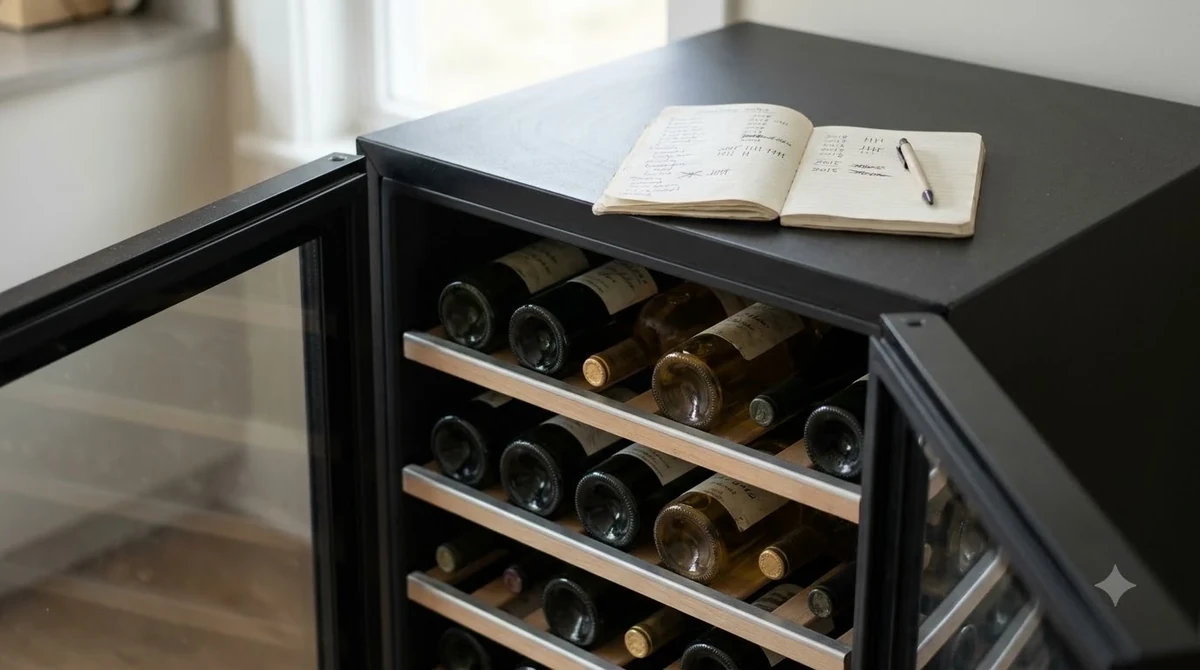
For longer storage, choose a cool, dark location with a relatively stable temperature. The Comité Champagne recommends a constant storage temperature between 10 and 15°C, approximately 50–59°F, with protection from light, vibration, and strong odors.
Humidity also matters for longer-term storage. The Comité Champagne identifies approximately 60–80% humidity as a suitable range. A dedicated wine refrigerator or cellar is preferable to a kitchen cabinet exposed to changing temperatures and sunlight.
Standard bottle storage can be horizontal or upright under the Comité Champagne’s recommendations. The important factors are stable conditions and protection from the environment. Avoid leaving Champagne in a warm vehicle, beside an oven, or on a sunny countertop.
Chill before opening
Yellow Label and Brut Rosé are best served around 45–50°F, corresponding to the producer’s recommended 8–10°C range. This temperature keeps the Champagne refreshing without making its aromas excessively difficult to perceive.
The Comité Champagne recommends placing the bottle in an ice bucket containing water and ice for approximately 20–30 minutes. Alternatively, chilling it in the refrigerator for several hours can achieve the same general result.
Avoid placing the bottle in a freezer for an extended period. Rapid, uncontrolled chilling can create unnecessary pressure and temperature problems. A controlled refrigerator or ice bucket is a more dependable option.
Use appropriate glassware
A tulip-shaped Champagne glass is a useful choice because its wider bowl provides room for aromas while its narrower opening helps retain the wine’s effervescence. A conventional flute is also acceptable, particularly for formal toasts, but it can restrict the wine’s aromatic expression.
Pour gently and allow the bubbles to settle before topping up the glass. A standard 5 oz serving provides enough room to appreciate the aroma while leaving space for the Champagne’s mousse.
Preserve an opened bottle
Once opened, Champagne gradually loses its carbonation. Use a purpose-built sparkling-wine stopper and refrigerate the remaining wine promptly. An opened sparkling bottle generally retains its best qualities for approximately one to three days, although freshness declines with time.
A regular still-wine stopper may not provide a sufficiently secure seal for sparkling wine. Avoid relying on the traditional spoon-in-the-neck trick, which does not provide a dependable airtight seal.
For the best experience, open the bottle when it is likely to be consumed rather than purchasing a large format for a small gathering without a plan for leftovers. Proper storage helps, but it cannot completely restore carbonation once it has escaped.
Frequently Asked Questions
How many glasses are in a standard Veuve Clicquot bottle?
A standard 750 ml bottle provides approximately five servings when poured at 5 oz each. A 375 ml half-bottle provides approximately two and a half standard servings. A 1.5 L magnum contains twice the wine of a standard bottle and provides approximately ten standard servings.
Is Veuve Clicquot Champagne made from organic grapes?
Yellow Label’s published product information does not identify the cuvée as certified organic. Buyers specifically seeking certified organic Champagne should look for an applicable certification on the individual bottle or producer documentation rather than assuming a Champagne’s premium positioning means organic production.
Why does Champagne sometimes have a different vintage year on the bottle?
A vintage Champagne identifies the harvest year used to make that cuvée. Non-vintage Champagne combines wines from multiple harvests and therefore does not carry a single vintage year. This distinction is particularly important when comparing vintage Veuve Clicquot releases with Yellow Label.
Can Veuve Clicquot Champagne be used in cocktails?
Yes. Brut Champagne can be used in sparkling cocktails that call for a dry, fresh wine. However, Yellow Label and prestige cuvées are often more rewarding when served on their own because their blending, aging, and aromatic characteristics are easier to appreciate without additional ingredients.
Does the yellow label indicate the Champagne is sweeter?
No. The yellow label identifies the house’s signature Yellow Label Brut cuvée, not a sweetness category. The designation Brut refers to its dosage classification, and the producer lists Yellow Label at 9 grams of sugar per liter. Its golden color and ripe fruit aromas do not mean it is a sweet Champagne.
Veuve Clicquot offers several Champagne styles, but Yellow Label Brut remains the clearest starting point for comparing bottles and retail prices. Rosé, Demi-Sec, Vintage Brut, and La Grande Dame each serve different preferences and occasions. Compare matching bottle sizes and cuvées, choose the flavor profile that suits your event, and prioritize the Champagne itself over packaging alone.
More in Wine Brands
 Underwood Wine Price: Compare Bottles, Cans, and Pack SizesUpdated Nov 21, 2026
 Zenato Wine Price: Compare Styles and Choose the Right BottleUpdated Nov 21, 2026
 Zuccardi Wine Price: Compare Bottles and Find the Right RangeUpdated Nov 21, 2026
 Yellow Tail Moscato Review: Taste, Sweetness and Serving TipsUpdated Nov 21, 2026
 Wolf Blass Yellow Label Review: Choose Your Best StyleUpdated Nov 21, 2026
 Wolffer Estate Rose Review: Choose the Right Bottle for Your TableUpdated Nov 21, 2026