


We may earn a commission when you buy through links on this page, at no extra cost to you. Learn more.
This torres wine review finds that Torres is a versatile Spanish wine producer offering approachable everyday reds and whites alongside more ambitious regional wines. Its portfolio includes familiar labels such as Sangre de Toro, Viña Sol, and Viña Esmeralda, as well as wines from Ribera del Duero, Priorat, and Penedès. The right bottle depends on whether you prefer fruit-forward reds, aromatic whites, structured regional wines, or something suitable for a special meal.
Torres is a useful name to know if you want to explore Spanish wine without limiting yourself to one grape variety or region. The collection covers several distinct wine styles, so the name on the front label is only the starting point. This guide explains how the main collections differ, which bottles deserve attention, what flavors to expect, and how to make a more informed choice for your next dinner or gathering.
Who This Is For
Torres is a good starting point for wine drinkers who want to explore Spanish wines across several price-independent style categories, from uncomplicated table wines to regionally distinctive bottles. Its broad portfolio makes it particularly useful for households that enjoy both red and white wine rather than buying exclusively from one category.
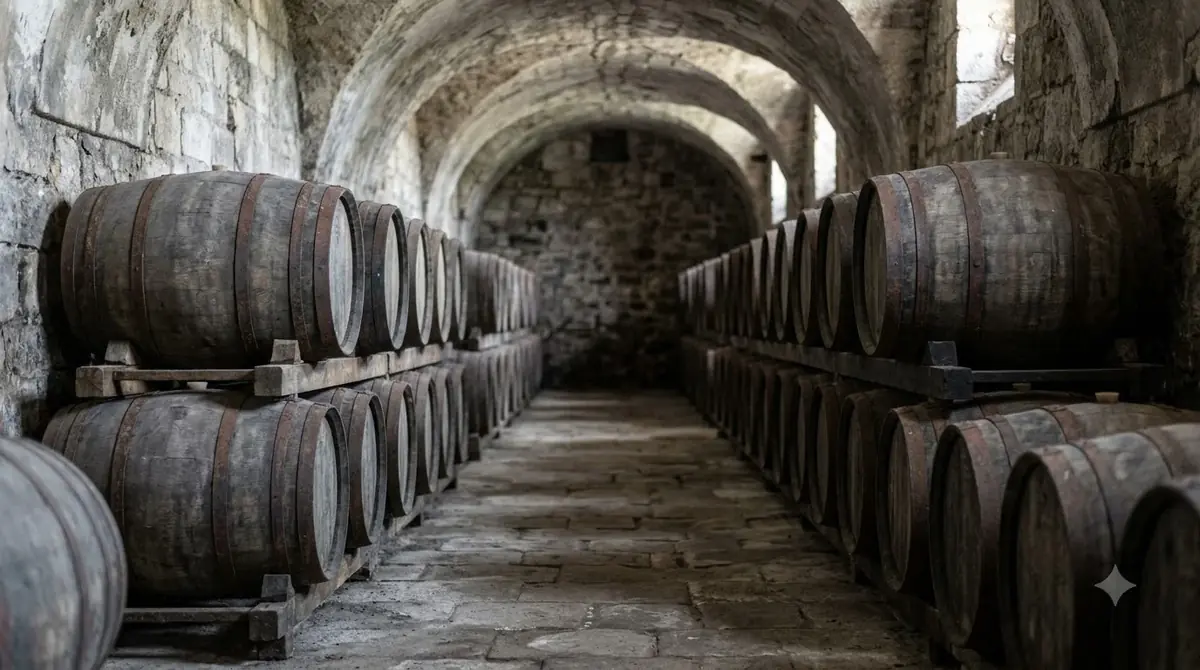
Newcomers to Spanish wine can begin with familiar varieties and recognizable styles. Sangre de Toro Original, for example, is a red from DO Catalunya made primarily from Garnacha Tinta and Cariñena. These grapes offer a different experience from the Cabernet Sauvignon and Merlot combinations familiar to many American wine drinkers. The result is a useful introduction to Mediterranean red wine without requiring extensive knowledge of Spanish appellations.
Drinkers who prefer white wine have several alternatives. Viña Sol is listed as a DO Catalunya white, while Viña Esmeralda is made from Muscat de Alejandría. These bottles serve different preferences: a buyer looking for a more straightforward white and someone interested in aromatic, floral characteristics can approach the collection from different directions.
Torres also suits experienced wine enthusiasts who want to explore particular Spanish regions. Its broader portfolio includes Celeste wines from Ribera del Duero, Salmos and Perpetual from Priorat, and Mas La Plana from Penedès. These labels offer a way to move beyond the introductory range and investigate how geography, grape selection, and winemaking choices influence the finished wine.
There are a few situations in which another producer might be a better starting point. Someone looking specifically for Burgundy-style Pinot Noir, traditional Bordeaux blends, or exclusively natural wines should compare specialized producers rather than assuming that a broad Spanish portfolio will satisfy every preference. Torres is most interesting when approached as a collection of Spanish wine styles rather than as one uniform product.
Key Factors to Compare
The most useful way to compare Torres wines is to consider the grape, region, wine color, and intended drinking occasion together. A red from Catalunya, an aged Tempranillo from Ribera del Duero, and an aromatic Muscat white are not interchangeable simply because they share the same producer.
| Wine or collection | Region or designation | Main grape or style | Best starting point for |
|---|---|---|---|
| Sangre de Toro Original | DO Catalunya | Garnacha and Cariñena | Spanish everyday red wine |
| Viña Esmeralda | DO Catalunya | Muscat de Alejandría | Aromatic white wine |
| Viña Sol Original | DO Catalunya | White wine | Approachable white wine |
| Coronas | DO Catalunya | Red wine | Exploring Spanish red varieties |
| Celeste Roble | DO Ribera del Duero | Red wine | Discovering Ribera del Duero |
| Celeste Crianza | DO Ribera del Duero | Red wine | A more developed regional red |
| Celeste Reserva | DO Ribera del Duero | Red wine | Exploring the Reserva category |
| Salmos | DOQ Priorat | Regional red wine | More concentrated Mediterranean reds |
| Pazo das Bruxas | DO Rías Baixas | White wine | Exploring Spanish coastal whites |
Start with the grape variety. Garnacha generally offers ripe red fruit and moderate tannin, while Cariñena can contribute acidity, structure, and darker fruit character. Tempranillo is another important Spanish red grape, commonly associated with flavors of cherry, plum, and savory spice. For white wines, Muscat is particularly recognizable for its aromatic floral and fruit character. These differences are more useful buying clues than the producer’s name alone.
Consider the region next. DO Catalunya covers a broad area in northeastern Spain, so its wines can represent varied landscapes and microclimates. Ribera del Duero is a useful destination for people interested in structured Spanish reds, while Priorat is associated with distinctive Mediterranean red wines. Rías Baixas, meanwhile, is a familiar reference point for Spanish white wine, particularly Albariño. Torres’ portfolio allows shoppers to compare these regional identities without switching producers.
Pay attention to the intended drinking occasion. A lighter white is often more useful for an afternoon meal or seafood dinner, while a medium-bodied red can accompany roasted vegetables, poultry, and grilled meats. A more structured red is a better match for slow-cooked beef, lamb, or rich sauces. If the bottle is intended as a gift, consider whether the recipient prefers familiar fruit-forward wines or enjoys exploring specific Spanish appellations.
The producer’s official Torres wine portfolio is a useful reference for checking the designation and collection associated with individual labels. It also demonstrates why comparing individual bottles is more informative than treating every Torres wine as one consistent house style.
Step-by-Step: How to Choose a Torres Wine
A simple selection process can narrow the portfolio considerably. Begin with your preferred color and flavor profile, then use the regional designation and grape variety to find a bottle that fits the occasion.
- Decide between red, white, and rosé. If you are serving beef or lamb, start with a red. For seafood, salads, or lighter poultry dishes, consider a white. Rosé is useful for informal meals, outdoor gatherings, and mixed appetizers.
- Choose your preferred flavor profile. For ripe red fruit, investigate Garnacha-based wines. For aromatic floral notes, consider Muscat-based Viña Esmeralda. If you prefer a more traditional Spanish red experience, explore Tempranillo-based regional options.
- Select a geographical designation. Start with DO Catalunya for an accessible introduction to the range. Look toward Ribera del Duero for regional red wines, Priorat for distinctive Mediterranean reds, and Rías Baixas for coastal white wines.
- Compare the individual labels. Sangre de Toro Original, Coronas, Celeste, and Salmos represent different parts of the collection. Compare their grape composition, region, and intended style rather than choosing solely by label appearance.
- Match the wine with food. Consider acidity, tannin, body, and sweetness. A high-acidity white works well with acidic sauces, while a red with moderate tannin is often more comfortable alongside poultry or tomato-based dishes.
- Consider serving conditions. A light white generally benefits from 45–50°F, while a medium-bodied red is often more enjoyable around 55–60°F. Correct temperature can make a noticeable difference to aroma and balance.
For a first purchase, it is sensible to choose one red and one white rather than buying several bottles with similar characteristics. A Sangre de Toro red alongside a Viña Esmeralda white, for instance, gives a household two different Spanish wine experiences. Comparing them with the same food also helps identify which flavor profile is more appealing.
It can also help to keep brief tasting notes. Record whether the wine seems fruity, floral, spicy, acidic, or tannic. Write down which foods worked well and whether the finish seemed short or persistent. These simple observations are more useful for future purchases than relying on a label description alone.
Tip: If you are unfamiliar with Spanish wine, start with one DO Catalunya red and one aromatic white. Compare their aromas and textures with the same meal before moving into more region-specific bottles from Priorat or Ribera del Duero.
Torres Wine Types and Styles Explained
The Torres portfolio is not a single wine style. Its collections cover approachable Catalonian wines, aromatic whites, regional Spanish reds, and bottles intended for more detailed exploration of particular appellations.
Sangre de Toro and Mediterranean reds
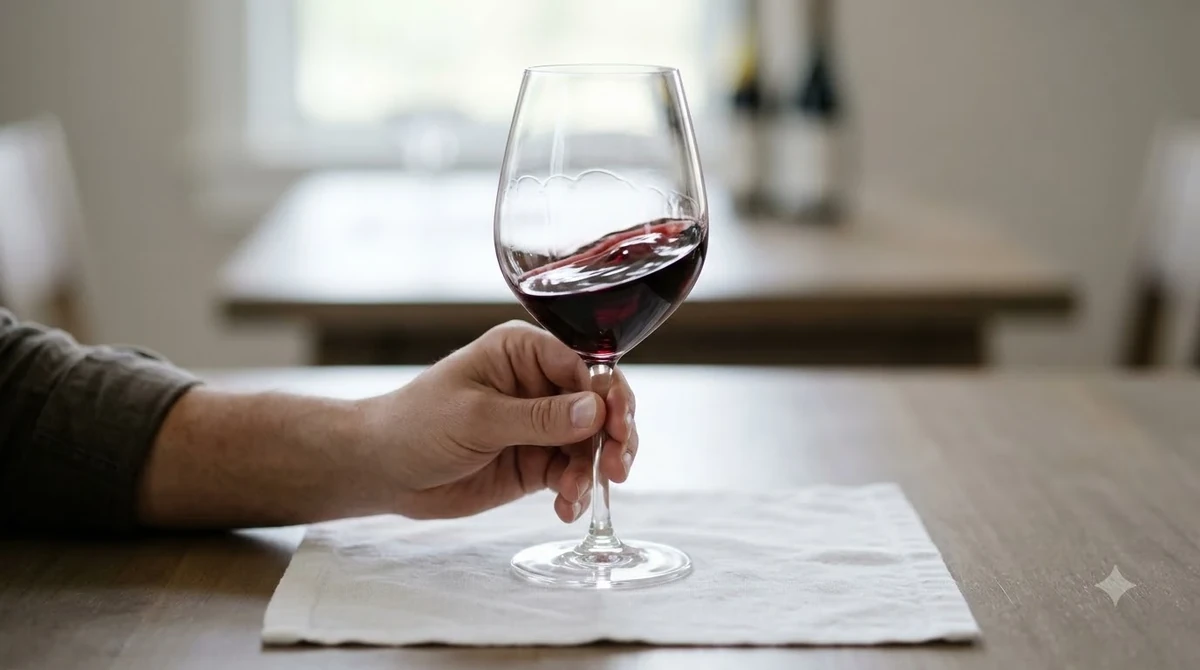
Sangre de Toro is one of the most recognizable names in the collection. Familia Torres identifies its history with 1954 and lists the Original bottling under DO Catalunya. Its primary grapes are Garnacha Tinta and Cariñena, two varieties that are well suited to Mediterranean red wine.
Decanter’s review of the 2022 Sangre de Toro Original describes ripe strawberry, raspberry, pomegranate, cranberry, and red apple, with additional notes of licorice, black pepper, and nutmeg. The publication records that vintage as dry, medium-bodied, lightly oaked, and 13.5% alcohol by volume. Its assessment is a useful indication of the wine’s approachable fruit-led character, although individual vintages can differ.
For a closer look at the label, the Torres Sangre de Toro wine collection is a useful next step. The Original bottling is particularly relevant to people who enjoy red wines with ripe fruit, moderate structure, and Mediterranean seasoning rather than pronounced oak character.
Viña Sol and Viña Esmeralda whites
Torres’ white wines provide a different perspective on Spanish wine. Viña Sol Original is listed under DO Catalunya, while Viña Esmeralda is specifically associated with Muscat de Alejandría. The distinction matters because Muscat is an aromatic grape, often producing expressive floral and fruit aromas.
Viña Esmeralda is an interesting option for people who enjoy aromatic whites. Its producer describes the wine through its Mediterranean coastal inspiration and floral surroundings. It is a natural candidate for shoppers who like expressive aromas rather than the more restrained profile of some neutral white varieties.
When selecting either white, think about the food being served. Aromatic wines can work well with lightly spiced dishes, fruit-based salads, and mild cheeses. A fresher, less aromatic white can be preferable for delicate seafood or simple grilled vegetables. Do not assume that every Torres white will have identical sweetness or acidity simply because it belongs to the same collection.
Coronas and other Spanish red styles
Coronas is another DO Catalunya label within Torres Essentials. It provides another way to investigate the producer’s Spanish red offerings, especially for shoppers who want to compare different labels within the same broad designation.
The larger collection extends beyond Catalunya. Celeste wines are associated with Ribera del Duero, and the range includes Roble, Crianza, and Reserva bottlings. These terms indicate different categories within Spanish wine production and are worth understanding before selecting a bottle. They should not be interpreted as guarantees that every vintage will taste exactly alike.
Ribera del Duero is especially relevant for people who enjoy Tempranillo-based reds. The region’s wines can offer dark fruit, savory character, and firm structure. They are often useful alongside grilled beef, lamb, and dishes featuring mushrooms or roasted vegetables.
Priorat and more regional expressions
For a more region-specific experience, look at Salmos, Perpetual, and Secret del Priorat. Familia Torres lists these wines under DOQ Priorat, making them useful reference points for shoppers interested in this distinctive Catalonian wine region.
Priorat wines are commonly associated with concentrated fruit, mineral character, and structured reds. They can be more demanding at the table than lighter everyday bottles. Rich stews, braised lamb, roasted beef, and dishes with earthy mushroom flavors provide natural pairing opportunities.
The wider portfolio also includes Mas La Plana from DO Penedès, Grans Muralles from DO Conca de Barberà, and Pazo das Bruxas from DO Rías Baixas. This geographical spread illustrates why Torres is better understood as a broad wine portfolio than as a single regional brand.
Shoppers interested in the red selection can also explore Torres red wine to compare the different regional expressions and find a bottle suited to their preferred level of body and structure.
Common Mistakes When Buying Torres Wine
The most frequent mistake is assuming that every bottle carrying the Torres name has the same flavor, quality level, or intended use. The collection includes different grapes, regions, and winemaking approaches, so selecting by producer alone can lead to an unsuitable purchase.
Confusing the brand with the wine style is an easy error. Sangre de Toro Original is a Garnacha and Cariñena red from Catalunya, while Viña Esmeralda is a Muscat-based white. Their aromas, acidity, body, and food applications are naturally different. A shopper who expects every Torres wine to taste like Sangre de Toro may be surprised by the floral character of Viña Esmeralda.
Ignoring the regional designation is another problem. Catalunya, Ribera del Duero, Priorat, and Rías Baixas represent different wine-growing areas. A Celeste red should not be approached as though it were simply another version of a general Catalunya bottling. The regional origin is an important clue to the wine’s character and the grapes likely to be involved.
Assuming that all red wine needs room temperature can also reduce enjoyment. American indoor temperatures can be considerably warmer than the traditional cellar conditions associated with red wine service. A lighter red may taste fresher around 55–60°F, while a fuller red generally works better around 60–65°F.
Pairing by color alone is a further mistake. Two red wines can have very different tannin levels and acidity. A softer Garnacha-based wine may suit roast chicken, while a more structured red can work better with fatty beef. White wines also vary: aromatic Muscat and crisp coastal whites should not automatically be paired with the same dishes.
Another common misconception is that a more expensive-looking label must be the better choice. The most appropriate wine depends on the meal, the drinker’s preferences, and the occasion. A straightforward white may be more successful at a seafood lunch than a highly structured red, even if the latter has a more prestigious regional designation.
Finally, avoid buying a large quantity of an unfamiliar label before understanding its style. Start with one bottle, take notes, and decide whether the wine’s acidity, tannin, aroma, and finish suit your preferences. This approach makes future selections more consistent and avoids filling a wine rack with bottles that do not match your usual meals.
Torres Wine Care and Storage Tips
Proper storage and serving temperature help preserve the character of Torres wines. Most bottles intended for everyday consumption do not require elaborate cellar equipment, but they benefit from stable conditions, limited light exposure, and sensible serving temperatures.
Store unopened bottles consistently. A temperature close to 55°F is a useful general target for wine storage. Avoid locations that experience frequent temperature changes, such as a kitchen shelf beside an oven or a cabinet exposed to direct sunlight. Excessive heat can damage wine, while repeated temperature fluctuations can interfere with its development.
For cork-closed bottles intended for longer storage, keep them on their sides so the cork remains in contact with the wine. This helps reduce the chance of the cork drying out. Bottles with screw caps do not require horizontal storage for cork maintenance, although a stable, cool environment remains beneficial.
Use the right serving temperature. Light whites and rosés generally show well at 45–50°F. Fuller whites are better around 50–55°F, while lighter reds benefit from approximately 55–60°F. Fuller reds are generally served at 60–65°F. These ranges provide a useful starting point for the different styles in the Torres portfolio.
For Sangre de Toro Original, a slightly cool red-wine temperature is a sensible approach. The producer’s tasting information for the 2022 bottling recommends serving at 15–17°C, approximately 59–63°F. This falls within the usual range for a medium-bodied red and helps preserve its fruit and spice character without making the wine seem overly warm.
Use appropriate glassware. A standard red-wine glass with enough room to swirl is suitable for Sangre de Toro and other medium-bodied reds. Aromatic whites benefit from a white-wine glass that concentrates their floral and fruit aromas. There is no need to purchase specialized glassware for every individual Torres label.
Be sensible about opened bottles. Reseal still wines after pouring and keep them refrigerated. Most opened still wines are best consumed within approximately 3–5 days, depending on their style, age, and exposure to oxygen. Bring a refrigerated red toward its preferred serving temperature before pouring rather than serving it directly from the refrigerator.
Young, full-bodied red wines can sometimes benefit from 30–60 minutes of decanting. This is not a universal requirement for every Torres bottle. An approachable red such as Sangre de Toro may be enjoyed shortly after opening, while a more concentrated regional wine may benefit from additional air exposure. Taste the wine first and decide whether it needs more time in the glass.
For bottles intended to be kept for several years, avoid assuming that all wines in the portfolio have the same aging potential. A fresh everyday white is generally intended for a different drinking schedule than a structured regional red. Storage conditions, vintage, grape composition, and the producer’s recommendations should all inform that decision.
Frequently Asked Questions
Is Torres wine from Spain?
Yes. Familia Torres is associated with Spanish winemaking, and many of its wines carry Spanish regional designations such as DO Catalunya, DO Penedès, and DOQ Priorat. The wider portfolio also includes wines produced in Chile through Miguel Torres Chile, so the country of origin depends on the individual bottle.
Is Sangre de Toro made from Tempranillo?
The Sangre de Toro Original bottling is primarily made from Garnacha Tinta and Cariñena rather than Tempranillo. These varieties give it a different fruit and structural profile from many familiar Tempranillo-based Spanish reds. The combination is a useful introduction to Mediterranean grape varieties.
Is Viña Esmeralda suitable for a wine cocktail?
An aromatic white such as Viña Esmeralda can be used as the wine component in a light wine-based cocktail. Its Muscat character can complement citrus, peach, and other fruit flavors. Keep additions restrained so that the wine’s own floral aromas remain noticeable.
What does the word Reserva mean on a Spanish wine label?
Reserva is a regulated aging category in several Spanish appellations, with requirements that differ according to the region and wine type. In Rioja, for example, red Reserva wines have specific minimum aging requirements that include time in oak and bottle. It is therefore important to consider the relevant appellation rather than applying one universal aging rule to every Torres wine.
Does Familia Torres produce wine without alcohol?
Yes. Its Natureo collection includes dealcoholized wine offerings, including Muscat-based wine. This provides an alternative for shoppers seeking a wine-style drink without the alcohol found in conventional bottlings. Individual products should be compared by their stated alcohol content and composition.
Torres is a worthwhile producer to explore because its collection offers several distinct ways to experience Spanish wine, from Garnacha-based Sangre de Toro to aromatic Viña Esmeralda and regional reds from Ribera del Duero and Priorat. Start with the style that suits your food and flavor preferences, then expand into other regions and grape varieties as your interests develop. Choosing by grape, designation, and occasion will make the portfolio much easier to understand and enjoy.
More in Wine Brands
 Underwood Wine Price: Compare Bottles, Cans, and Pack SizesUpdated Nov 21, 2026
 Zenato Wine Price: Compare Styles and Choose the Right BottleUpdated Nov 21, 2026
 Zuccardi Wine Price: Compare Bottles and Find the Right RangeUpdated Nov 21, 2026
 Yellow Tail Moscato Review: Taste, Sweetness and Serving TipsUpdated Nov 21, 2026
 Wolf Blass Yellow Label Review: Choose Your Best StyleUpdated Nov 21, 2026
 Wolffer Estate Rose Review: Choose the Right Bottle for Your TableUpdated Nov 21, 2026