

We may earn a commission when you buy through links on this page, at no extra cost to you. Learn more.
Torres red wine covers several Spanish styles from Familia Torres, from the fruit-forward Garnacha and Cariñena blend Sangre de Toro to Cabernet Sauvignon-led Gran Coronas and Mas La Plana. The name refers to a family producer and a broad portfolio, not one single grape or flavor profile. The best bottle for a meal depends on its appellation, grape blend, body, and oak treatment. Knowing a few flagship labels makes the range much easier to understand.
Familia Torres is one of the best-known names in Spanish wine, with roots in Catalonia and wines from several Spanish regions. Its reds range from everyday-friendly blends to structured cellar candidates, so the label name and origin are more useful guides than the word “Torres” by itself.
What the Torres Name Means on a Red Wine Label
Familia Torres is a multigenerational winery founded in Vilafranca del Penedès in 1870, although the family traces its winemaking history to 1559. Its roots in Catalonia remain important, but the portfolio now reaches beyond Penedès into regions such as Priorat, Costers del Segre, and Ribera del Duero.
The winery’s story helps explain why its red wines do not all taste alike. The family began experimenting with international grapes such as Cabernet Sauvignon in the 1970s, while later generations expanded into other Spanish appellations and worked to recover old Catalan varieties. A bottle can therefore express a classic international variety, a regional blend, or a combination of familiar and revived grapes.
For shoppers, the most useful distinction is between the producer and the individual wine. Sangre de Toro, Gran Coronas, Mas La Plana, Purgatori, Salmos, Clos Ancestral, and Celeste Crianza are different wines with different origins and recipes. The broader Wine Brands overview can help explain how a winery, label, and appellation fit together, but the specific bottle name is the starting point for choosing a style.
Torres Red Bottles to Know
The range includes approachable blends as well as more concentrated, oak-aged reds. These examples show why two bottles from the same producer can suit very different occasions.
Sangre de Toro Original is a long-running red from DO Catalunya, made primarily from Garnacha Tinta and Cariñena. Familia Torres dates its first harvest to 1954, and its official description presents the wine as a Spanish blend rooted in the region’s broad mix of Mediterranean and inland growing conditions. The producer’s Sangre de Toro overview lists the grapes and DO Catalunya origin; the focused Torres Sangre de Toro wine article explores that label in more detail. Gran Coronas, by contrast, comes from DO Penedès and combines Cabernet Sauvignon with Tempranillo. It suits drinkers who like Cabernet’s structure but want the savory, red-fruited character that Tempranillo can bring to a blend; the winery describes its grapes as coming from deep Penedès soils with strong water-retention capacity and active limestone.
Mas La Plana is a single-variety Cabernet Sauvignon from Penedès and is among the producer’s most recognized reds. Decanter’s 2018 listing records it as dry, full-bodied, and 14.5% alcohol by volume. Other bottles broaden the picture: Purgatori brings Garnacha and Cariñena from Costers del Segre, Salmos comes from Priorat, Clos Ancestral Tinto blends Tempranillo, Garnacha, and Moneu, and Celeste Crianza is a Tempranillo from Ribera del Duero.
| Wine | Origin and grapes | Useful documented detail |
|---|---|---|
| Sangre de Toro Original | DO Catalunya; Garnacha Tinta and Cariñena | First harvest in 1954 |
| Gran Coronas | DO Penedès; Cabernet Sauvignon and Tempranillo | Produced with long oak aging |
| Mas La Plana | DO Penedès; 100% Cabernet Sauvignon | 2018 listing: 14.5% ABV, full-bodied |
| Purgatori | DO Costers del Segre; Garnacha and Cariñena | 9–12 months in oak |
| Celeste Crianza | DO Ribera del Duero; Tempranillo | High-elevation vineyard origin |
The table is a style map, not a ranking. A customer who wants a supple red for a weeknight meal may prefer Sangre de Toro or Clos Ancestral, while a Cabernet drinker may gravitate toward Gran Coronas or Mas La Plana. Purgatori and Salmos are worth considering when the goal is a more distinctly Mediterranean expression from inland Catalonia or Priorat.
Grapes and Spanish Regions That Shape the Style
Grape variety and place explain much of the difference among these wines. Penedès, DO Catalunya, Costers del Segre, Priorat, and Ribera del Duero each contribute a different combination of varieties, climate, soils, and winemaking choices.
Garnacha (also called Grenache) often gives a red wine generous red-fruit flavor, warmth, and a rounded texture. In Sangre de Toro and Purgatori it is paired with Cariñena, known elsewhere as Carignan, a grape that can add color, acidity, and firmer structure. This pairing gives the wines a regional blend character rather than the more focused varietal profile of a single-grape Cabernet.
Cabernet Sauvignon supplies darker fruit, firmer tannin, and a more structured frame. Mas La Plana is made from 100% Cabernet Sauvignon, while Gran Coronas combines Cabernet with Tempranillo. In Penedès, the Mediterranean influence and varied soils allow international grapes and local varieties to sit alongside one another. The winery describes the appellation as a broad area between the sea and mountains, midway between Barcelona and Tarragona.
Other labels broaden the regional map. Clos Ancestral Tinto draws on Tempranillo, Garnacha, and Moneu from organic Penedès vineyards; the winery highlights Moneu as a recovered ancestral variety planted at Castell de Bleda and valued for its resistance to drought and high temperatures. Celeste Crianza comes from the higher vineyards of Ribera del Duero and uses Tempranillo, while Salmos is a Priorat blend of Garnacha and Cariñena grown on the region’s characteristic llicorella slate. The white side of the producer’s range is a separate category; the Torres white wine overview is useful for comparing the family’s white-wine styles without confusing them with its reds. Appellation names are worth learning because they narrow the possibilities before you even look at the grape list. DO Catalunya covers a broad area, while DO Penedès points to a more specific Catalan origin; DOQ Priorat and DO Ribera del Duero identify still other regional contexts. These distinctions do not guarantee a particular flavor, but they tell you where to begin when comparing labels from the same producer.
Flavor, Body, Tannin, and Cellaring
Torres reds range from medium-bodied, fruit-led blends to full-bodied Cabernet with firmer tannins and more noticeable oak. Expect the grape, vintage, and cellar choices to matter more than the producer name alone.
Sangre de Toro’s Garnacha-Cariñena combination points toward ripe red and dark fruit, moderate structure, and a flexible food style. Garnacha can feel plush and warm, while Cariñena can bring livelier acidity and a firmer edge. Gran Coronas has a more Cabernet-shaped profile: cassis, blackcurrant, plum, herbal notes, and oak-related spice are all sensible markers to look for in a Cabernet-Tempranillo blend, although the balance changes from vintage to vintage.
Mas La Plana is the clearest choice for someone seeking a serious Cabernet expression. Wine Enthusiast’s review of the 2015 vintage describes cherry, black plum, blackberry, cassis, chocolate, mineral notes, and toasted oak, with freshness supporting a smooth, balanced finish. Decanter identifies its 2018 vintage as a full-bodied, dry 100% Cabernet Sauvignon. Those records illustrate the wine’s structure, but they should not be treated as a guarantee that every vintage will taste identical. Growing-season weather can change the ripeness of the fruit, while decisions about extraction and barrel use influence how firmly the tannins register. A warmer year may bring riper black fruit and a broader palate; a cooler year can emphasize freshness and firmer acidity. The practical lesson is to compare the vintage as well as the label when selecting a bottle for a special meal or a cellar.
Oak aging also needs context. It can add spice, toast, cedar, and a more polished texture, but the amount of oak does not by itself tell you whether a wine will feel heavy. Familia Torres describes Purgatori as spending 9 to 12 months in oak, while the profile of Mas La Plana includes a substantial Cabernet framework. For bottles intended for longer keeping, vintage condition and the producer’s guidance matter; a structured red is not automatically improved by years in storage.
Serving and Storing Torres Reds
Serve a lighter red a little cooler than a fuller Cabernet, and avoid pouring either style warm. A few practical temperature and storage habits can make the fruit, acidity, and tannin easier to appreciate.
For a lighter or medium-bodied red such as a fruit-forward Garnacha blend, aim for 55–60°F. Serve fuller reds such as Cabernet-led Mas La Plana closer to 60–65°F. If the bottle has been kept at a warm room temperature, a short time in the refrigerator can bring it closer to the target range; over-chilling, however, can mute aromas and make tannin seem more pronounced.
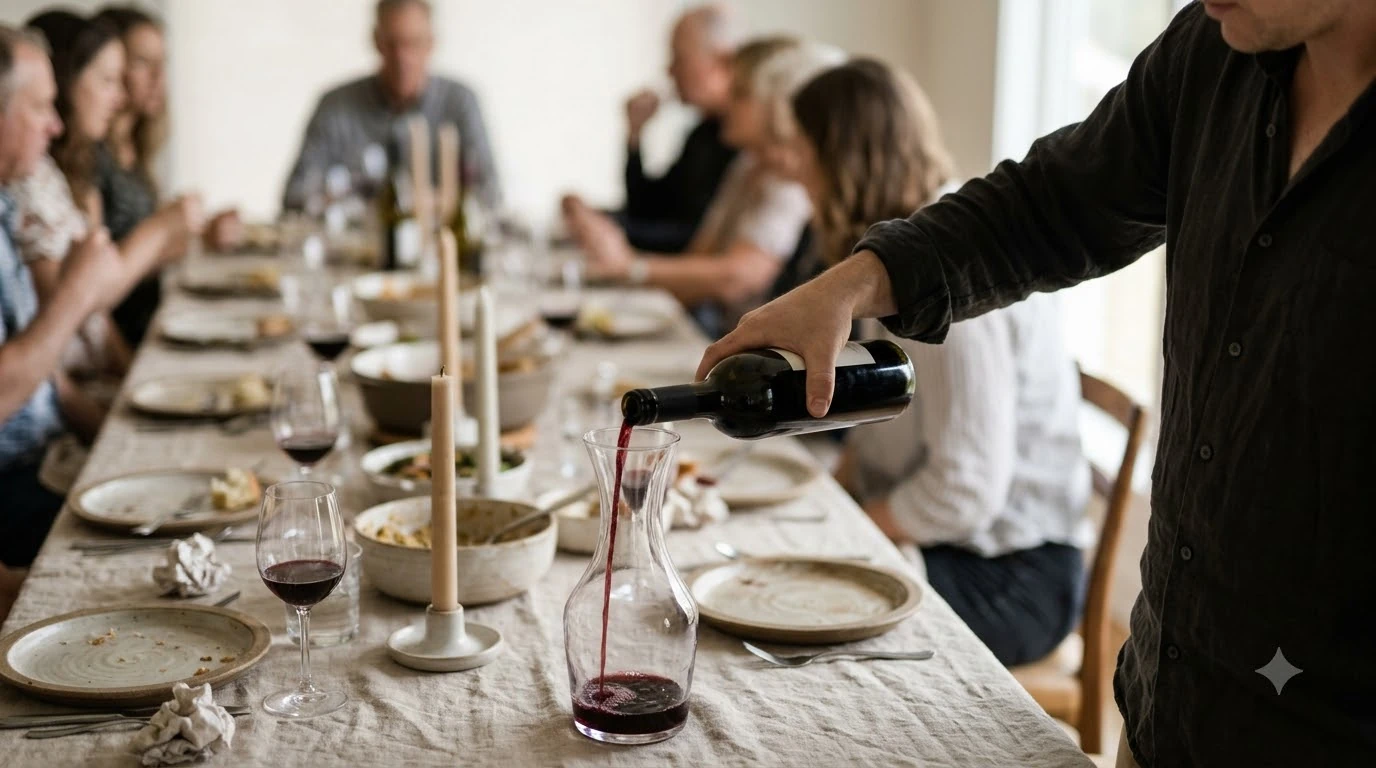
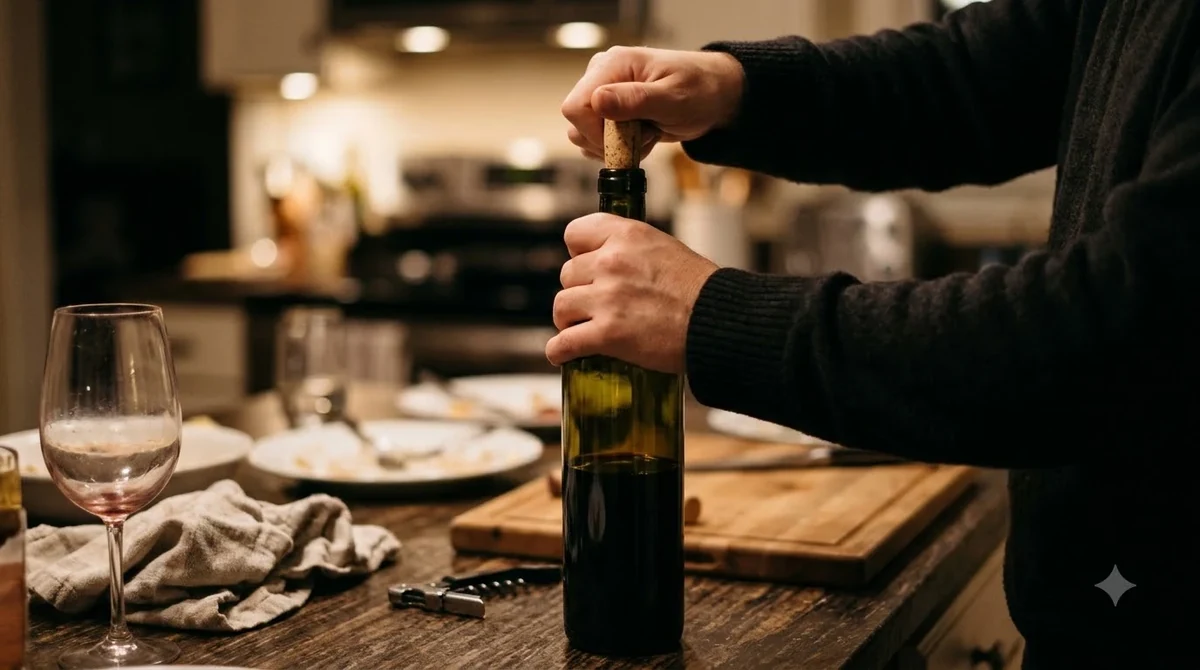
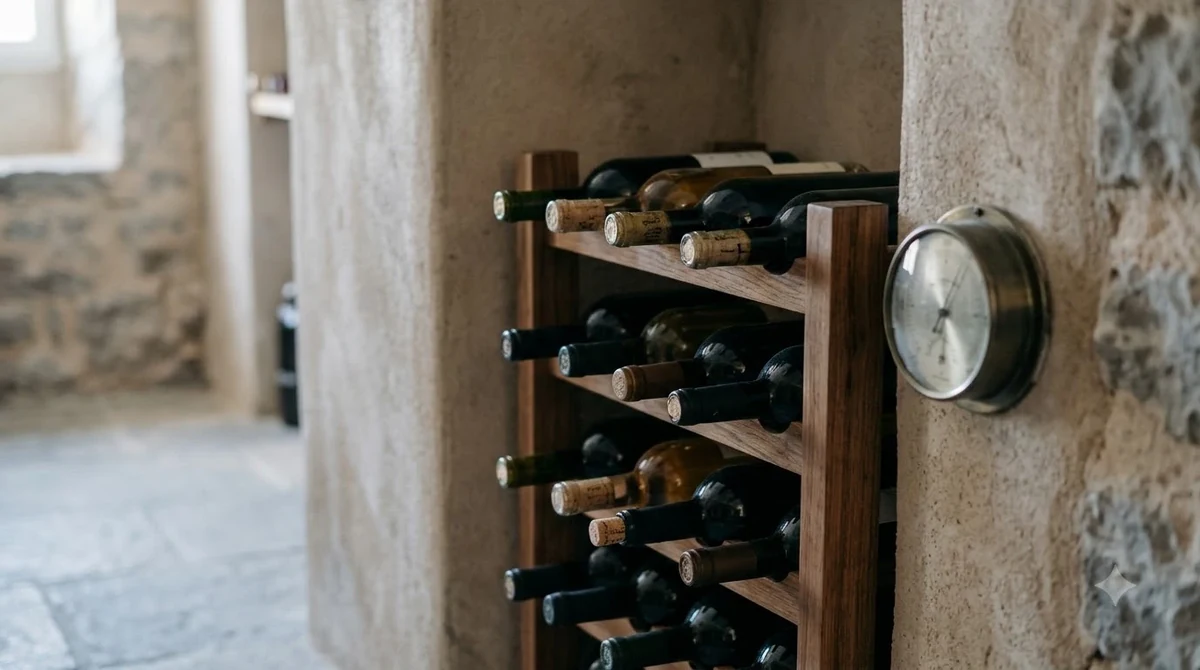
A standard pour is about 5 ounces, and a 750 ml bottle yields roughly five glasses. Opened still wine generally keeps for 3–5 days in the refrigerator when recorked or sealed well. Store unopened bottles on their sides in a consistently cool place near 55°F, away from direct light and large temperature swings. A young, full-bodied red may benefit from 30–60 minutes in a decanter, especially when its tannins feel firm or its aromas are initially closed. There is no need to decant every red automatically: a lighter Garnacha blend may be ready soon after opening, while a structured Cabernet can reveal more detail with a little air. Taste before and after decanting to see whether the fruit, acidity, and oak feel more integrated.
Tip: Start with the wine slightly cooler than your intended drinking temperature. It will warm in the glass, and the aromas of a Cabernet-based red can become more expressive as it opens.
Glassware does not need to be elaborate. A standard red-wine glass with a bowl wide enough to let aromas gather is suitable for Sangre de Toro, Gran Coronas, and Mas La Plana. Pour a little first, swirl gently, and give the wine a moment before deciding whether it needs more air.
Food Pairings for Different Torres Reds
Match the weight and structure of the wine to the richness of the dish. Garnacha-Cariñena blends, Cabernet-based reds, and Priorat blends each have strengths at the table, especially when salt, fat, acidity, and spice are taken into account.
Sangre de Toro is a natural partner for grilled sausages, roast chicken with paprika, meat paella, pork stew, and semi-cured cheeses. The combination of red-fruit character and moderate structure works well with dishes that have browned edges, herbs, and savory seasoning. For a simple meal, try it with tomato-based lentils or grilled vegetables topped with olive oil and smoked paprika.
Gran Coronas and Mas La Plana can handle richer foods. Pair them with grilled ribeye, roast lamb, beef short ribs, mushroom ragù, or aged cheeses such as Manchego. Cabernet Sauvignon has high tannin, so the salt and fat in grilled meat or a rich cheese can soften its grip. A long-cooked beef stew also suits the darker fruit and oak notes that can appear in a Cabernet-led wine.
Purgatori and Salmos are good options for rosemary lamb, grilled eggplant, tomato-rich braises, game, and dishes with earthy mushrooms. Their Garnacha and Cariñena base connects naturally with herbs, roasted vegetables, and slow-cooked meat. For acidic tomato sauces or dishes with a sharp vinaigrette, choose a wine with enough freshness to meet the food’s acidity rather than a soft, low-acid red. Be cautious with very hot chili sauces: alcohol and tannin can make chili heat feel stronger. Oily fish is generally a poor match for tannic reds, so choose a white wine instead; the producer’s white range may be more suitable for salmon with citrus, grilled prawns, or delicate seafood. A sweeter sauce or chutney calls for a wine at least as sweet as the food, while a salty, fatty dish can make a firm red feel rounder and more balanced.
Frequently Asked Questions
These answers add a little background to the wines and the family behind them. They can help clarify why the Torres portfolio includes both familiar international grapes and less common Catalan varieties.
How many ancestral grape varieties has Familia Torres recovered?
Wine Enthusiast reported that the family had recovered 52 long-lost grape varieties. At the time of that report, five were being used to make wine, either as single-variety bottlings or as components in blends.
How long can the recovery of an old grape variety take?
Wine Enthusiast quoted a member of the family as estimating that the process takes around 14 years, depending on the variety. It can involve identifying surviving vines, propagating clean plant material, and comparing the resulting vines under controlled growing conditions.
Did Mas La Plana make an impression outside Spain?
Familia Torres says the first vintage of Mas La Plana won at the Paris Wine Olympics in 1979. The result helped establish Cabernet Sauvignon from Penedès as a serious Spanish red-wine proposition.
Does the Torres family make wine beyond Spain?
Yes. The family established its Chilean winemaking project in 1979 and acquired land in California in 1982. That international history sits alongside its core Catalan estates and its later projects in other Spanish appellations.
What is the story behind the first Torres winery?
The brothers Jaime and Miguel Torres Vendrell founded the winery in Vilafranca del Penedès with an export focus. The family’s account says it initially sent wine to Cuba and later to the wider American continent.
For an easy introduction, start with Sangre de Toro and then compare it with a Cabernet-led Penedès wine such as Gran Coronas or Mas La Plana. Reading the appellation and grape details on each label will reveal more about the bottle than the family name alone.
More in Wine Brands
 Louis Latour Wine Price: Compare Bottles by Style and TierUpdated Nov 20, 2026
 Yellow Tail Moscato Price: What to Expect Before You BuyUpdated Nov 20, 2026
 Sutter Home Sweet Red Review: Find the Right Food PairingsUpdated Nov 20, 2026
 Franzia Chillable Red Review: Find the Right Serving StyleUpdated Nov 20, 2026
 Veuve Clicquot Rose Review: Flavor, Food Pairings and Buying AdviceUpdated Nov 20, 2026
 Rombauer Wine Price: Compare Bottles Before You BuyUpdated Nov 20, 2026