

We may earn a commission when you buy through links on this page, at no extra cost to you. Learn more.
Torres white wine is a varied range from the Catalan family winery Familia Torres, with bottles sourced from DO Penedès, DO Rueda, DO Conca de Barberà and DO Catalunya. The lineup runs from the everyday Viña Sol to single-variety bottlings of Verdejo, Sauvignon Blanc, Chardonnay and Riesling, plus Natureo, a Muscat with 0.5% alcohol. Most of these whites are at their best between 45 and 55 F, which makes the range easy to fit into a weeknight dinner.
Many shoppers meet Torres whites without realizing how wide the range has become. The family has built its white portfolio across several Spanish regions, and each bottle reflects a different grape, a different vineyard and a different way of serving. This guide covers who makes the whites, how the main bottles differ, how to serve and store them, and which foods suit each style.
Who Makes Torres White Wine and Where
Familia Torres is a family-run Spanish producer, and its white bottles come from more than one region rather than a single estate. The company’s own blog groups its whites under several Denominaciones de Origen (DO), the Spanish appellation system, including DO Penedès, DO Rueda, DO Conca de Barberà and DO Catalunya. That spread means one brand name can cover crisp Verdejo from Rueda and Riesling grown in the hills of Penedès.
The family’s winemaking footprint is wider than Penedès alone. According to the producer’s blog, winemaking began in Fompedraza in DO Ribera del Duero, and the company later expanded into a second winery in Villafranca del Duero, which sits in DO Rueda. That is why the Verdejo in this range comes from Rueda rather than from the Penedès vineyards that supply most of the other whites.
If you are looking at the family’s reds, our torres red wine guide covers the other side of the portfolio. For a different style from the same producer, see our torres sangre de toro wine guide. For a broader view of how producers like this organize their ranges, the Wine Brands section is a useful next stop.
Viña Sol: The Everyday Torres White With a 1962 Origin
Viña Sol is the Torres white most people encounter first, and it has a clear origin story that begins in 1962.
According to the importer Selectus Wines, Viña Sol started in a small, improvised winery in Pontons, one of the coldest parts of the Alt Penedès at roughly 600 meters above sea level. The goal was to produce a fresher and more aromatic white than most of the wines made in the area at that time. The method was simple in principle: ferment the grapes at low temperature and let the cool conditions preserve the fruit and floral character.
Cool fermentation tends to keep aromatic compounds lively and acidity crisp, which explains why Viña Sol reads as light and floral rather than heavy. The Decanter panel described the wine as bright, fresh and highly appealing, with crisp acidity and a light floral aroma, and that description still matches the style most drinkers expect from the bottle. It is a practical choice for a relaxed meal, a casual aperitif, or a bottle to keep on hand.
The wine’s reputation has been reinforced by critics. A Viña Sol bottling was selected for Decanter’s Wines of the Year list in the Classic category, where it scored 91 points and was one of 33 white wines on the list. The label carries the DO Catalunya designation, and the wine is owned by the Torres family from the Penedès region near Barcelona.
Natureo: Torres’s Alcohol-Free White Made From Muscat
Natureo is the best-known dealcoholised wine in the Torres range, and it is made from Muscat with its alcohol reduced to 0.5%.
Decanter reported the launch of Natureo as Spain’s first almost totally alcohol-free wine, made from the Muscat grape. The alcohol is removed using a spinning cone, an extractor that separates alcohol from the wine. You can read the Decanter launch coverage for the original report on how the wine was introduced to the market.
Muscat is an aromatic grape, which gives a dealcoholised white a stronger starting point than a neutral variety. You get perfume and ripe fruit on the nose rather than the flat profile that many low-alcohol wines are criticized for. Natureo suits people who want the ritual of a glass of wine without the alcohol, whether that means an aperitif or a dinner pour. Serve it chilled, in the 45 to 50 F window that works for most light whites.
Because the wine contains almost no alcohol, it does not add to the heat of spicy food the way a regular white can. That makes Natureo a useful option when you are planning a menu with chili, curry or other bold seasoning, and it is one of the simpler choices in the range for mixed tables.
Clos Ancestral and the Return of Old Penedès Varieties
Clos Ancestral White is the most unusual wine in this range, built on grapes that the family has worked to bring back into production.
According to the producer’s blog, the project to recover ancestral varieties began more than three decades ago, and Clos Ancestral is the latest wine to come out of it. The blend uses Forcada and Xarel·lo grapes from DO Penedès, and the wine is organic. Forcada is one of the white pre-phylloxera varieties the family has vinified, and the producer says it combines with the indigenous Xarel·lo to create a wine with a truly distinctive identity.
The appeal of Forcada is practical as well as historical. Miguel Torres Maczassek has said the variety keeps its excellent acidity even in warm vintages, which matters in a region where heat can flatten white wines and leave them tasting soft. For a reader who wants a white with a clear sense of place, Clos Ancestral is the most distinctive bottle in the Torres lineup.
The producer describes lemon, grapefruit and tangerine aromas, with a fine, succulent texture and herbal notes from the Xarel·lo. Because it has more body than the lighter whites, it is best served at 50 to 55 F, which lets the texture come through without muting the fruit. It works well with grilled fish, roast chicken or a platter of soft cheeses, where its acidity keeps the richer elements fresh.
Celeste Verdejo, Fransola and Sons de Prades: Three Varietal Whites
Three single-variety bottles show how different grapes and appellations shape the Torres whites, and each one suits a different kind of meal.
Celeste Verdejo comes from DO Rueda and is a pure Verdejo. The producer’s own spring white guide describes its nose as fennel, green almond and citrus over white flowers, with a palate of mango and peach and a streak of elegant acidity that adds length. The company calls it an exceptionally food-friendly wine that also works as an aperitif, and it pairs well with salads, fish and seafood. Serve it at 45 to 50 F.
Fransola is a Sauvignon Blanc from the highest vineyards of Penedès, where the family has grown the variety for about 20 years. Cool nights and mild days give the grapes a long, even ripening, and the result is a wine with ripe peach fruit and a creamy, spiced edge. Sauvignon Blanc typically carries high acidity, so Fransola can handle bright, citrus-led dishes. The producer pairs it with rice and mussels, and it is a strong choice for a summer table with shellfish.
Matching Each Bottle to Its Grape
Sons de Prades is a Chardonnay from DO Conca de Barberà, grown in vineyards sheltered by the Serra de Prades, where large shifts between day and night temperatures help develop the aromas. The producer describes solid acidity and long ageing potential, and the wine shows ripe pineapple, banana and stone fruit with a citrus trace on the finish. It is the fullest of the three varietal bottles, which is why it sits in the 50 to 55 F range.
Chardonnay generally has medium acidity, so Sons de Prades is more flexible than Sauvignon Blanc or Verdejo at the table. It partners well with roast chicken, creamy pasta and mild cheeses, and it is less suited to sharp vinaigrettes. Choose Celeste Verdejo for green, herbal dishes, Fransola for bright citrus and shellfish, and Sons de Prades for richer plates.
How to Serve and Store Torres Whites at Home
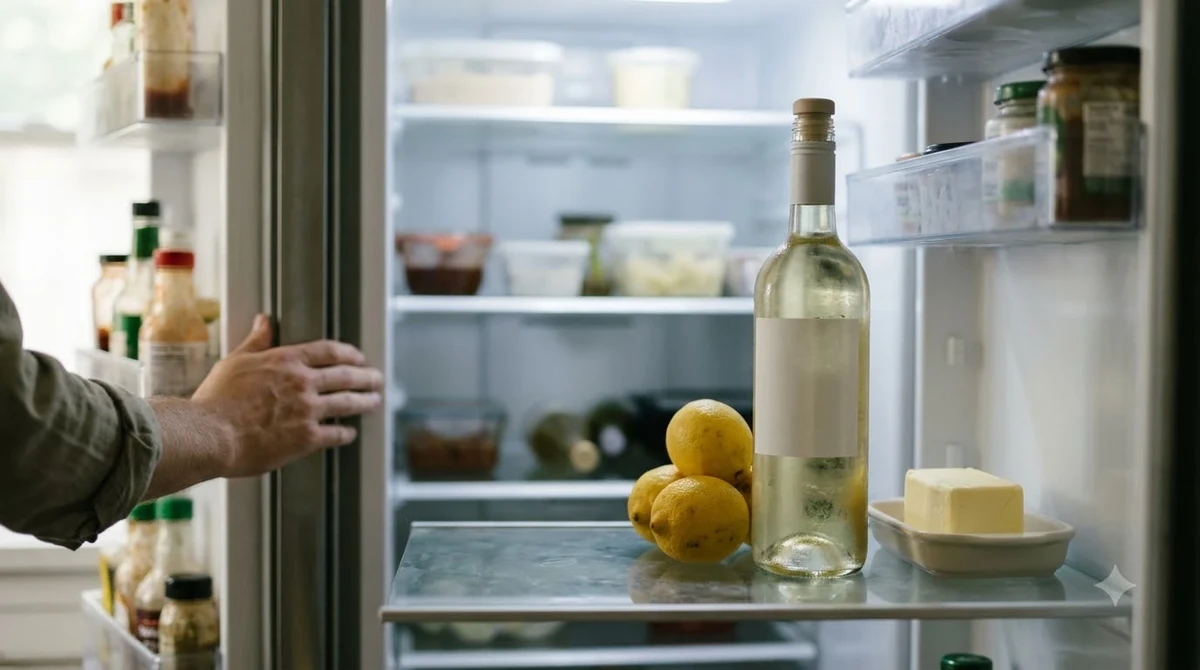
Most Torres whites taste best between 45 and 55 F, and an opened still wine keeps for three to five days when it is resealed and refrigerated.
| Torres white | Appellation | Grape or style | Serve at |
|---|---|---|---|
| Clos Ancestral White | DO Penedès | Forcada and Xarel·lo | 50-55 F |
| Celeste Verdejo | DO Rueda | Verdejo | 45-50 F |
| Fransola | DO Penedès | Sauvignon Blanc | 45-50 F |
| Sons de Prades | DO Conca de Barberà | Chardonnay | 50-55 F |
| Waltraud | DO Penedès | Riesling, sweet style | 43-50 F |
| Natureo | Spain | Muscat, 0.5% alcohol | 45-50 F |
These ranges follow standard serving guidance: light whites and rosé at 45 to 50 F, full whites at 50 to 55 F, and sweet whites at 43 to 50 F. Sons de Prades and Clos Ancestral sit at the warmer end because they have more body, while Waltraud is best cooler because it is the sweet bottle in the group. Pour about 5 oz per glass, which means a standard 750 ml bottle gives roughly five servings.
Once opened, still wines keep for three to five days in the fridge, provided the bottle is tightly resealed. If you plan to hold a bottle for a while before opening, store it on its side in a cool place near 55 F to keep the cork moist. Chilling a bottle for about two hours before serving gives you a steady, even temperature that suits these styles.
Tip: Write the opening date on the back label as soon as you open a bottle. Light whites like Celeste Verdejo and Fransola lose their freshness faster than full whites, so drink them within three days if you want to keep the bright fruit.
Pairing Torres White Wine With Food
Match acidity to acidity, keep sweet wines sweeter than the dessert, and let the grape guide the dish.
Acidic food needs a wine with equal or higher acidity, so tart dishes call for Sauvignon Blanc or Riesling. Fransola is the clearest choice for lemon-dressed seafood, ceviche or tomato-based salads, and the producer’s own pairing with rice and mussels shows how well its freshness cuts through shellfish. When a dish has a sharp, citrus-led edge, reach for Fransola before Clos Ancestral or Sons de Prades.
Verdejo is the most versatile option for green food. Celeste Verdejo pairs with leafy salads, white fish and seafood, and the herbal character of the wine matches herbs and green vegetables. Sons de Prades, with its medium acidity, is a better fit for roast chicken, creamy pasta and mild cheeses, because its body can carry richer sauces without losing balance. Clos Ancestral follows the same logic with grilled fish and soft cheeses.
Sweet wines and desserts require the same care. Waltraud, the Riesling from Penedès, is the sweet bottle in the range, and it works best with fruit-based desserts and mild sweets where the wine is at least as sweet as the dish. Natureo’s Muscat also pairs with fruit desserts, though it is less sweet than a dessert wine, so choose fresh fruit tarts or light sponge over very sugary sweets. Serve Waltraud between 43 and 50 F and Natureo between 45 and 50 F.
Frequently Asked Questions
Is Natureo completely alcohol-free?
Decanter described the launch as Spain’s first almost totally alcohol-free wine, so think of it as nearly zero rather than a strict zero. Anyone who needs to avoid alcohol entirely should check the label of the specific bottling they buy before serving it.
Where was Natureo sold when it launched?
Decanter reported that the first bottles went on sale in Spain only, and the company kept sales limited to that market at the start. The launch was positioned for people who want the taste of wine without the alcohol, rather than as a new style aimed at a broad export audience.
Does the Torres name produce white wine outside Spain?
The producer’s website lists Miguel Torres Chile among its partner wineries, which is a separate operation from the Spanish whites covered in this guide. Availability differs by market, so check the producer and importer names on the bottle before assuming a particular wine is sold where you live.
Did the judges for Decanter’s Wines of the Year list know the prices?
No. Selectus reports that the judges did not know the prices or categories of the wines, and a jury of three ranked them blind. That setup means the 91-point score for the Viña Sol bottling reflects the wine itself rather than its price.
Who is the Riesling called Waltraud named after?
Waltraud is named after Waltraud Maczassek, a German artist who is married to Miguel A. Torres, and her artwork appears on the label. The grapes come from Riesling vineyards in Penedès, and the producer describes the wine as a sweet rarity with a smooth, elegant body.
Torres white wine rewards a little planning: pick the grape that matches your meal, chill each bottle to its range, and finish an opened bottle within a few days. Start with Viña Sol if you want a dependable everyday pour, then move to the varietal bottles as you learn which styles you prefer. The producer’s own blog is a good place to keep exploring the family’s white styles.
More in Wine Brands
 Underwood Wine Price: Compare Bottles, Cans, and Pack SizesUpdated Nov 21, 2026
 Zenato Wine Price: Compare Styles and Choose the Right BottleUpdated Nov 21, 2026
 Zuccardi Wine Price: Compare Bottles and Find the Right RangeUpdated Nov 21, 2026
 Yellow Tail Moscato Review: Taste, Sweetness and Serving TipsUpdated Nov 21, 2026
 Wolf Blass Yellow Label Review: Choose Your Best StyleUpdated Nov 21, 2026
 Wolffer Estate Rose Review: Choose the Right Bottle for Your TableUpdated Nov 21, 2026