


We may earn a commission when you buy through links on this page, at no extra cost to you. Learn more.
The typical torres wine price in the United States ranges from about $9 to $40 per 750 ml bottle, depending on the wine, region, and level of production. Everyday choices such as Sangre de Toro and Viña Sol generally sit near the lower end, while wines such as Gran Coronas, Celeste Reserva, and Purgatori can cost considerably more. Comparing the specific wine, grape varieties, appellation, and aging approach is the best way to determine whether a Torres bottle offers good value.
Familia Torres is one of Spain’s established wine producers, with a portfolio that covers approachable everyday bottles and more ambitious wines from several Spanish wine regions. Its range includes fruit-forward reds, fresh Mediterranean whites, rosé, and wines made for more substantial meals. That variety explains why looking up a single Torres price rarely tells the whole story. A sensible purchase starts with identifying the particular bottle and understanding what distinguishes it from the other wines carrying the Torres name.
Who This Is For: Understanding Torres Wine Costs
Torres wine is worth considering for shoppers who want Spanish wines across different budgets without restricting themselves to one grape variety or wine style. The portfolio includes approachable Catalunya wines alongside bottles from Penedès, Ribera del Duero, Priorat, and other Spanish regions.
The winery’s history provides useful context. Familia Torres says it founded its winery in Vilafranca del Penedès in 1870, although its history as wine producers reaches back to the 16th century. The company describes its identity as a family winemaking tradition maintained across five generations. Its vineyards and wineries extend across Penedès, Conca de Barberà, Priorat, and Costers del Segre.
For shoppers, the important distinction is that Torres is not one wine with several labels. It is a broad portfolio. A straightforward bottle of Sangre de Toro serves a different purpose from a more structured Gran Coronas or a premium wine from Priorat. Choosing between them should depend on the occasion, preferred grape, and intended spending level rather than the producer’s name alone.
Everyday wine drinkers may find the most practical options in the Torres Essentials range. Its selection includes Sangre de Toro Original, Viña Sol Original, Viña Esmeralda, Natureo Muscat, Coronas, and Magnetic wines. These labels provide a starting point for buyers who want recognizable styles and accessible bottles.
Shoppers looking for more complexity can investigate wines such as Gran Coronas and the Celeste range. These bottles represent different regional identities and production approaches. For broader comparisons with other producers, the Wine Brands resource provides a useful starting point for understanding how Spanish wine labels fit into the wider market.
The main audience for this price guide is therefore anyone comparing Torres bottles for weeknight dinners, casual entertaining, gifts, or more formal meals. It is particularly useful for people who want to avoid paying more simply because a bottle belongs to a recognizable winery.
Key Factors to Compare When Shopping for Torres Wine
The biggest influences on a Torres bottle’s price are its product range, appellation, grape varieties, production approach, and bottle format. Comparing these details gives shoppers a much better indication of value than comparing labels alone.
Retailer listings illustrate the difference between entry-level and more substantial wines. Total Wine lists Sangre de Toro Original at approximately $9 to $12 per 750 ml bottle, depending on the store and availability. Wine.com has historically listed comparable Sangre de Toro and Viña Sol bottles around $11 to $14. Prices vary by state and retailer, and these listings should be treated as market reference points rather than guaranteed current prices.
At the other end of the range, BuyWinesOnline lists Torres Celeste Reserva and Purgatori around $39 to $40 per 750 ml bottle, illustrating how much higher the cost can be for more ambitious selections. Prices vary by state and retailer, and availability can differ substantially between markets.
| Comparison | Example | Typical US retail reference | What to consider |
|---|---|---|---|
| Everyday red | Sangre de Toro Original | About $9–$12 | Accessible Spanish red blend |
| Everyday white | Viña Sol | About $10–$14 | Fresh Mediterranean white |
| Traditional red | Altos Ibericos Crianza | About $11–$15 | Rioja-style Tempranillo selection |
| More structured red | Gran Coronas | Compare retailer listings | Cabernet Sauvignon and Tempranillo |
| Premium regional red | Celeste Reserva | About $35–$40 | Ribera del Duero origin |
| Premium regional red | Purgatori | About $35–$40 | Costers del Segre origin |
The table provides indicative comparisons, not fixed national price bands. The everyday and premium references are drawn from US retailer listings, including Total Wine and BuyWinesOnline. Gran Coronas is included as a product comparison rather than an assigned price because a consistent US retail range is not established by the listings used here.
Grape variety and wine style
Grape variety influences the style and the kind of food that works best with a bottle. Sangre de Toro Original is described by Total Wine as a blend of Garnacha and Cariñena, with dark-plum and roasted characteristics. This makes it a natural candidate for grilled meats, burgers, and other savory dishes.
Gran Coronas takes a different approach. Familia Torres identifies Cabernet Sauvignon and Tempranillo as its principal grapes and describes the wine as benefiting from long oak aging. Cabernet Sauvignon generally contributes firmer tannins and structure, while Tempranillo provides a familiar Spanish red-wine character.
Origin and production
Appellation is another useful comparison. The producer places Sangre de Toro Original and Viña Sol Original under DO Catalunya, Gran Coronas under DO Penedès, Celeste wines under DO Ribera del Duero, and Purgatori under DO Costers del Segre.
These distinctions matter because Spanish wine regions have different climates, traditions, and grape-growing conditions. A buyer comparing two bottles should consider whether the additional cost reflects a different origin, more involved production, or a different intended drinking experience.
Tip: Compare bottles in the same size and similar retail category. A 750 ml everyday wine should not be judged against a premium regional wine simply because both carry the Torres name. Start with the grape, region, and style before comparing the shelf prices.
Step-by-Step: How to Choose the Right Torres Bottle
A good Torres purchase starts with the occasion and ends with a comparison of the exact bottle. Following a few simple steps helps avoid choosing an expensive wine that does not suit the meal or buying a lighter wine when a more structured red is needed.
-
Set the occasion.
For a casual dinner, a bottle such as Sangre de Toro Original or Viña Sol is a practical starting point. For a special meal, compare Gran Coronas, Celeste Reserva, and other regional selections rather than assuming the cheapest bottle will deliver the right experience.
-
Choose red, white, or rosé.
Decide whether the meal calls for a red with more body, a fresh white, or a lighter rosé. Sangre de Toro is a red option, Viña Sol is a white, and Torres also lists Magnetic Rosé and other rosé selections in its portfolio.
-
Identify the grape variety.
For a fruit-driven red blend, investigate Sangre de Toro. For a red with Cabernet Sauvignon and Tempranillo, consider Gran Coronas. For a fresh white based on Parellada and Garnacha Blanca, Viña Sol is a relevant choice.
-
Compare the Spanish region.
Look for the origin designation. Catalunya, Penedès, Ribera del Duero, and Costers del Segre represent different regional identities. A regional difference can help explain why two Torres bottles occupy different retail categories.
-
Compare the actual US retail range.
Use more than one retailer where possible. A bottle listed around $9 at one store may be priced differently in another state. Compare the same vintage, bottle size, and wine designation rather than treating every Torres red as interchangeable.
-
Consider the meal.
Match the wine’s structure with the food. A fruity red blend works with grilled dishes, while a fresh white is a more natural partner for seafood and lighter meals. More structured reds can work well with roasted meats and richer sauces.
-
Make the final comparison.
Choose the bottle that meets the occasion and offers the preferred style within the intended spending range. A more expensive label is not automatically the better choice for a casual meal.
This approach is particularly useful when shopping online, where bottle descriptions can look similar and product images do not always reveal important differences. A quick comparison of the grape, region, vintage, and size can prevent mistakes.
Types and Styles Explained: Popular Torres Wines
Torres offers several recognizable wine styles, from uncomplicated everyday reds to more structured regional wines and refreshing whites. Understanding the differences makes it easier to decide which labels deserve attention at different spending levels.
Sangre de Toro: An approachable Spanish red
Torres Sangre de Toro wine is among the most recognizable options for shoppers looking for a straightforward Spanish red. The Original bottling is listed under DO Catalunya, and Total Wine identifies its blend as Garnacha and Cariñena.
The retailer describes dark-plum and roasted characteristics, with a full-flavored profile suited to grilled foods. This makes the wine a practical choice for burgers, grilled sausages, roasted vegetables, and casual gatherings. Its style is more about accessible fruit and savory character than the oak-led structure associated with more ambitious reds.
For buyers comparing Torres red wine, Sangre de Toro is a sensible starting point. It offers an accessible introduction to the producer without requiring a large commitment or a formal wine occasion.
Viña Sol: A fresh white wine
Viña Sol Original provides an alternative for people who prefer white wine. Familia Torres identifies Parellada and Garnacha Blanca as its grape varieties and places the wine in DO Catalunya. The producer describes its character as fresh and balanced, with a Mediterranean coastal origin.
This style makes sense for seafood, grilled chicken, salads, and vegetable dishes. Its role in the range is different from that of a rich oak-aged Chardonnay or a highly structured white wine. Buyers looking for a relatively light, refreshing option should give it consideration.
Viña Esmeralda and other aromatic whites
Viña Esmeralda is another recognizable name in the Torres portfolio. It offers shoppers a different white-wine direction from Viña Sol. The wider portfolio also includes Natureo Muscat, which appears in the producer’s Essentials selection.
These labels are worth comparing for buyers who prefer aromatic whites or want alternatives to conventional Chardonnay. The best choice depends on the sweetness, acidity, and fruit profile of the specific wine rather than the producer name alone.
Coronas and Gran Coronas: More structured reds
Coronas is a long-established Torres label. Familia Torres states that the brand was first registered in 1907 and identifies Tempranillo and Cabernet Sauvignon in its product information. It is an option for buyers who want a traditional Spanish red with an established identity.
Gran Coronas belongs to the Familia Torres range and comes from DO Penedès. Its combination of Cabernet Sauvignon and Tempranillo, along with long oak aging, gives it a different position from the straightforward Sangre de Toro Original. It is worth investigating when the meal calls for a red with more structure.
Celeste and Purgatori: Regional alternatives
Celeste wines are associated with DO Ribera del Duero, while Purgatori belongs to DO Costers del Segre. These regional distinctions give buyers more options beyond the core Catalunya labels.
For shoppers interested in comparing more premium Torres wines, these names provide useful starting points. Their retail prices can be substantially higher than the everyday bottles, so it is sensible to consider whether the particular occasion justifies the additional spending.
The producer’s official Torres wine portfolio is useful for checking the current range and regional designations. It also demonstrates why a single Torres price cannot accurately represent the entire producer.
Common Mistakes When Comparing Torres Wine Prices
The most common buying mistake is treating all Torres wines as equivalent products. They share a producer identity, but their grape varieties, origins, production methods, and intended drinking occasions can be quite different.
Assuming every Torres red is the same
Sangre de Toro and Gran Coronas are both red wines, but they have different profiles. Sangre de Toro Original is a Garnacha and Cariñena blend with dark-fruit characteristics, while Gran Coronas combines Cabernet Sauvignon and Tempranillo with long oak aging.
Comparing them only by color or producer name overlooks their different purposes. A buyer looking for an uncomplicated grilled-food companion may prefer the former, while someone looking for a more structured dinner wine may investigate the latter.
Ignoring the regional designation
Spain has many wine regions, and the Torres portfolio covers several of them. Catalunya, Penedès, Ribera del Duero, and Costers del Segre should not be treated as interchangeable geographical descriptions.
Regional origin provides useful context about the wine. It can also help explain differences in positioning and retail cost. A bottle from a more specialized regional selection may belong to a different category from a broadly distributed everyday wine.
Comparing different bottle sizes
A 750 ml bottle is the standard reference for most retail comparisons. However, wine retailers also list smaller formats, including 375 ml and other compact sizes in the Torres portfolio. Comparing their displayed prices without accounting for volume can produce misleading conclusions.
For a fair comparison, calculate the cost per 750 ml equivalent when bottle sizes differ. This is especially important when shopping for smaller bottles for individual meals or gifts.
Confusing historical listings with current prices
Online wine catalogues may retain older vintages and previous displayed prices. Wine.com, for example, has listed multiple historic Torres vintages, some of which appear as sold out. Those listings are useful for understanding the broad retail position, but they do not guarantee that the same wine is currently available.
Total Wine also explicitly states that its displayed price, vintage, and availability can vary by store. Buyers should therefore compare current listings and local availability before deciding that one retailer is consistently less expensive.
Paying for a style that does not suit the occasion
A premium regional wine is not automatically a better choice for every meal. A more structured red may be excessive for a simple lunch, while a light white may not provide enough body for a substantial roast dinner.
Match the wine to the food. Salt and fat soften tannin, making structured reds more comfortable alongside richer dishes. Oily fish generally works better with a white wine than a tannic red, and acidic foods need a wine with comparable or higher acidity.
Care and Storage Tips for Getting Better Value
Proper storage and serving temperatures help preserve the character of a Torres wine after purchase. Even an affordable bottle benefits from being stored correctly and served at a temperature appropriate to its style.
Store unopened bottles correctly
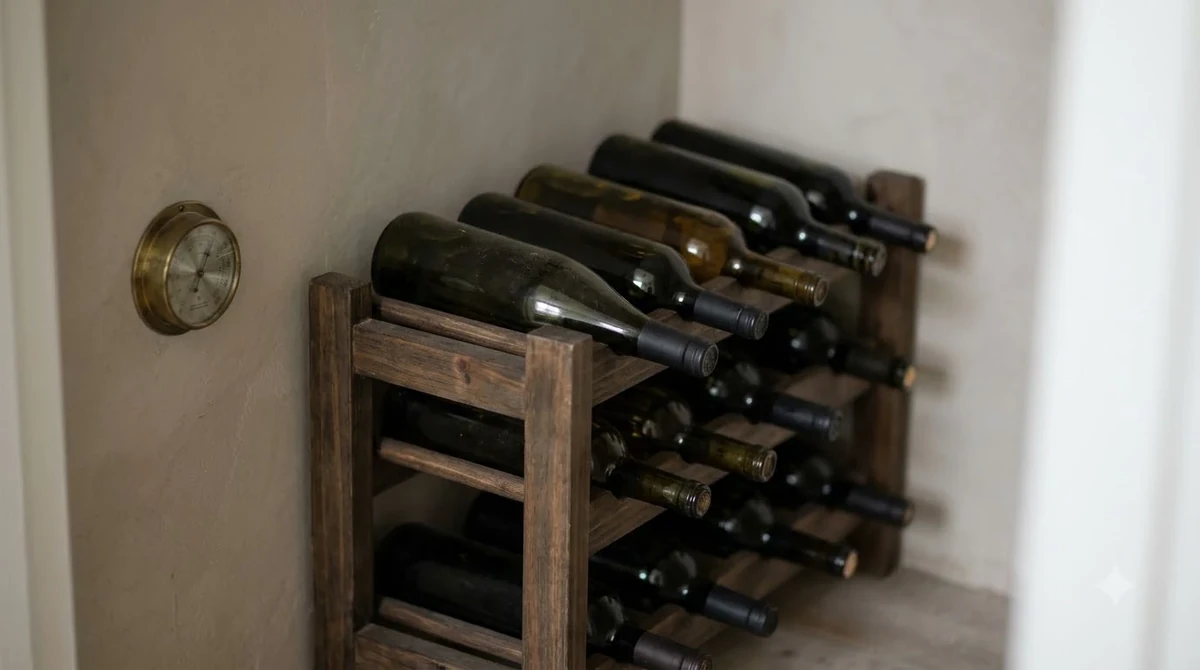
Keep unopened bottles in a cool, dark place with a relatively stable temperature near 55 F. Avoid direct sunlight, hot kitchens, and locations with frequent temperature changes. These conditions are especially important if you intend to keep a more structured red for an extended period.
Bottles with natural cork closures are generally stored on their sides to keep the cork from drying out. Avoid unnecessary movement and vibration. For ordinary everyday wines, buying closer to the intended drinking date is often more practical than holding bottles for years.
Serve red and white wines at suitable temperatures
Temperature changes the way wine aromas and flavors are perceived. Serving red wine too warm can make alcohol seem more prominent, while serving white wine too cold can suppress its aromas.
- Light whites: 45–50 F.
- Fuller whites: 50–55 F.
- Light reds: 55–60 F.
- Fuller reds: 60–65 F.
- Rosé: 45–50 F.
For a fruit-forward red such as Sangre de Toro, a slightly cool serving temperature can keep the fruit fresh and prevent the alcohol from becoming too prominent. A more structured red such as Gran Coronas can be served closer to the fuller-red range.
Use appropriate serving quantities
A standard wine pour is approximately 5 oz. A conventional 750 ml bottle contains about five such servings, making it easier to estimate quantities for dinner parties and family meals.
For a gathering of 10 adults, two bottles provide approximately 10 standard pours. If wine is being served alongside several courses, plan the amount around the number of guests, the meal duration, and the availability of other beverages.
Preserve opened bottles
Refrigeration slows the deterioration of opened still wine, including red wine. Recork the bottle or use an appropriate wine stopper and place it in the refrigerator rather than leaving it exposed on a kitchen counter.
- Opened still red and white wines: approximately 3–5 days refrigerated.
- Opened sparkling wines: approximately 1–3 days with an appropriate sparkling-wine stopper.
- Opened fortified wines: several weeks, depending on the style.
Remove refrigerated red wine before serving so that it can approach the appropriate temperature. Avoid leaving opened bottles exposed to air for unnecessarily long periods, especially if you plan to finish them over several meals.
Frequently Asked Questions
Is Torres an Italian or Spanish wine producer?
Familia Torres is a Spanish wine producer based in Catalonia. Its winery was founded in Vilafranca del Penedès, and its portfolio includes wines from several Spanish appellations. The producer also operates wine projects beyond its original Catalan home.
What does Sangre de Toro mean in English?
Sangre de Toro translates as Blood of the Bull. The name is associated with the wine’s Spanish identity and distinctive branding. It is one of the recognizable labels in the Torres Essentials portfolio.
Does Torres produce non-alcoholic wine?
Yes. Familia Torres includes Natureo in its portfolio, a range associated with dealcoholized wines. Natureo provides an alternative for consumers seeking a wine-style beverage with reduced or removed alcohol, depending on the particular product.
What is the difference between DO Catalunya and DO Penedès?
DO Catalunya is a broad designation covering wine production across a substantial area of Catalonia. DO Penedès is a more geographically specific designation associated with the Penedès wine region. Both appear in the Torres portfolio, but they identify different regional classifications.
How many grapes can be used in a Torres wine blend?
The number depends on the particular wine and its production specification. For example, the Torres Gran Coronas product information identifies two varieties, Cabernet Sauvignon and Tempranillo. Other blends may use different combinations, so there is no single grape count applicable to the entire portfolio.
Torres offers options for different occasions, from accessible Catalunya wines to more structured regional selections. Sangre de Toro and Viña Sol are sensible starting points for everyday drinking, while Gran Coronas, Celeste Reserva, and Purgatori deserve consideration when a different style or more substantial wine is needed. Compare the exact bottle, region, vintage, and retailer before purchasing to find the Torres wine that provides the right balance of character and value.
More in Wine Brands
 Underwood Wine Price: Compare Bottles, Cans, and Pack SizesUpdated Nov 21, 2026
 Zenato Wine Price: Compare Styles and Choose the Right BottleUpdated Nov 21, 2026
 Zuccardi Wine Price: Compare Bottles and Find the Right RangeUpdated Nov 21, 2026
 Yellow Tail Moscato Review: Taste, Sweetness and Serving TipsUpdated Nov 21, 2026
 Wolf Blass Yellow Label Review: Choose Your Best StyleUpdated Nov 21, 2026
 Wolffer Estate Rose Review: Choose the Right Bottle for Your TableUpdated Nov 21, 2026