

We may earn a commission when you buy through links on this page, at no extra cost to you. Learn more.
Knowing how to recork wine comes down to two choices: push the original cork back into the bottle neck with a cork pusher or the heel of your hand, or seal the bottle with a tight-fitting stopper. Keep the bottle upright and in the refrigerator if it is red or white, and use a dedicated sparkling stopper for Champagne or other bubbly, because a regular cork cannot hold the pressure inside.
Most people pull a cork, pour a glass, and then wonder what to do with the rest of the bottle. Recorking is a small task, but the method you pick affects how much of the wine tastes fresh the next day. This guide covers the tools you need, how to reseat a cork, which stoppers work, and how long a reopened bottle is likely to stay in good shape.
What you need before you recork
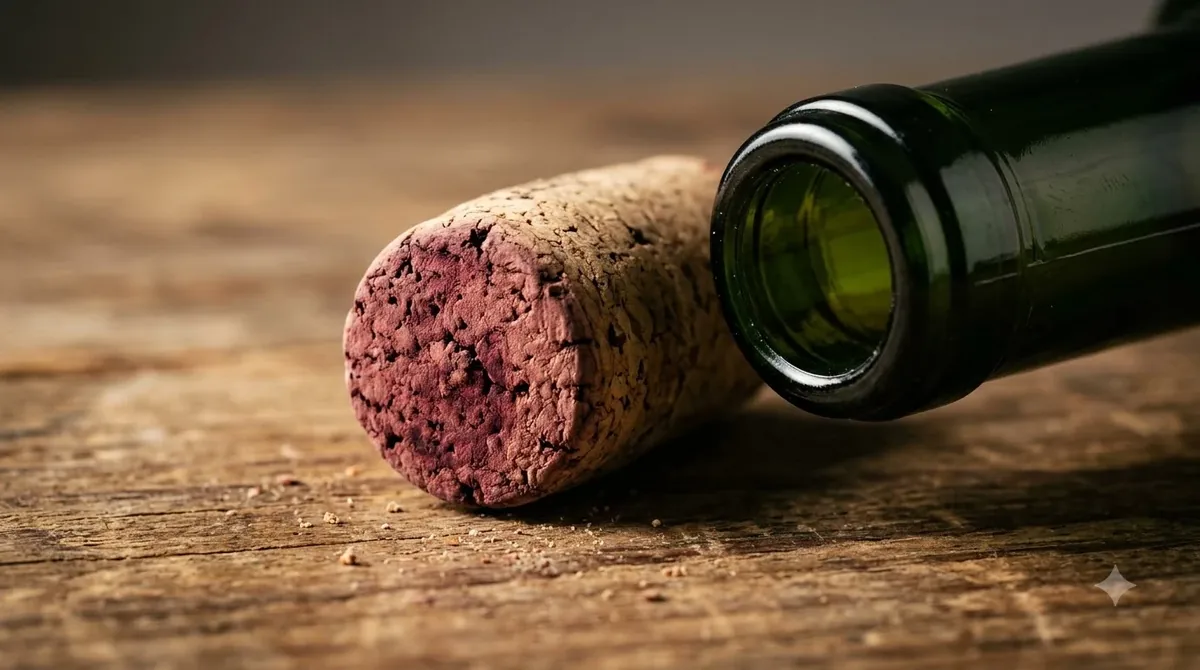
Before you start, look at the cork you pulled. If it is still firm, with a straight shape and no crumbling on the sides, it can usually go back in the bottle. If it is dry, cracked, or broken at the top, a new stopper will do a better job than forcing the old one back into place.
You will also want a clean towel to wipe the neck of the bottle and, if you have one, a cork pusher. A wine key with a built-in cork-end can help you seat a cork that has slipped partway out. If you are unsure how the tool works, read the short guide on what is a wine key before you use it on an open bottle.
How to put the original cork back in
Start by wiping the lip of the bottle so no drops of wine or sugar dry on the glass. Then line the cork up so the narrow end, the end that was inside the bottle, faces the neck. Press it in slowly with your thumb or a cork pusher, keeping the cork straight so it does not tilt.
Push until the top of the cork sits just below the rim, or flush with it. A cork that goes in too far can be hard to remove next time, so stop as soon as it is firm. If the cork slips back down once you let go, the cork is likely too short for the neck, and a stopper will be the more reliable choice.
Some people use the cork as a plug only, but a cork sealed back into a bottle still lets a small amount of air through over time. That is one reason the storage method matters as much as the closure itself.
Stoppers and wine savers that seal well
A tapered rubber stopper pressed into the neck is an easy option for still wine. It is quick to use and it does not require a second tool. A vacuum pump stopper goes a step further by removing some of the air from the bottle before it seals. Less air in the bottle means less oxygen working on the wine, which is the main reason this type of stopper is worth considering for a bottle you plan to keep.
For Champagne and sparkling wine, use a stopper with a clamp or a lever. These hold the pressure that builds inside a sparkling bottle, and a standard cork or rubber plug will pop out or leak within hours. Keep the bottle chilled after you reseal it, since the cold slows the loss of bubbles.
| Closure | How it seals | Best for |
|---|---|---|
| Original cork | Pushed back into the neck by hand | Short storage of still red or white wine |
| Tapered rubber stopper | Pressed into the neck | Still wine you plan to finish within a day or two |
| Vacuum pump stopper | Removes air, then seals | Still wine you want to keep longer |
| Sparkling wine stopper | Clamped with a lever over a sealed lip | Champagne, Prosecco and other sparkling wine |
Tip: Put a piece of plastic wrap over the mouth of a half-empty bottle before you add the cork. It limits the air that reaches the wine and helps the cork sit flat.
How long a recorked bottle keeps
How long a reopened bottle stays good depends on how much air is left in it. Oxygen first softens harsh flavors in a young wine, but after a while it breaks the wine down. The more wine is in contact with air, the faster it changes, so a bottle that is only one-third full will fade more quickly than one that is nearly full.
VinePair’s guide on storing an open bottle of wine describes two practical approaches. The first is to move the leftover wine into a smaller bottle, which leaves less air in contact with the wine. The guide says that wine stored this way can last a couple more days. The second is to keep the wine in its original bottle in the refrigerator, resealed with a cork or cap. In that case, the guide notes the wine can still taste good the next night.
These are rules of thumb rather than promises. Light, fresh whites and rosés usually fade faster than full reds, and a wine that was already past its best before you opened it will not improve after a recork.
Storing a recorked bottle
Once the wine is sealed, the storage choice matters more than the stopper. Keep white, rosé, and sparkling wine in the refrigerator. Red wine can stay in a cool cupboard for a short time, but it will taste fresher if you chill it a little and then let it warm in the glass before serving.
Stand a recorked bottle upright in the refrigerator door or on a shelf. Lying a still wine on its side keeps a cork moist, but a stopper is easier to store upright. Keep the bottle away from strong smells, since the wine can pick up odors through a loose seal. If you are comparing styles for your next bottle, the which wine has less sugar guide is a useful companion read.
Common mistakes when recorking
The most common error is forcing a damaged cork into a narrow neck. That can crumble the cork inside the bottle, and you will have to fish out small pieces before you can pour. The second is using a regular cork on a sparkling bottle, which almost always fails. The third is leaving the bottle on the counter while it is sealed loosely, which lets the wine warm up and lose its fresh character.
Some people also reuse a stopper that has gone sticky from wine residue. Wash and dry any stopper before reuse, and replace it if it no longer grips the neck.
Frequently Asked Questions
Can you put a cork back in a wine bottle?
Yes, if the cork is still firm and straight. Push it in slowly until it sits flush with the rim. If it is crumbling or too short to stay in place, use a stopper instead.
How long does wine last after it is recorked?
Still red and white wine often stays pleasant for a day or two when it is resealed and refrigerated. The amount of air left in the bottle affects this more than the stopper does, so moving the wine into a smaller bottle can extend its life.
Can you recork sparkling wine with a regular cork?
A regular cork will not hold the pressure in a sparkling bottle. Use a sparkling wine stopper with a clamp or lever, and keep the bottle chilled after resealing.
Should a recorked wine be stored upright or on its side?
Upright is the safer choice, especially with a stopper or a cap. A cork kept on its side stays moist, but stoppers are easier to store upright and reduce the risk of leaks.
Recorking is a small step that makes a big difference to the second glass. Pick the closure that fits the wine, seal the bottle well, and chill it if the wine is white, rosé, or sparkling. For a quick look at other everyday wine questions, the guide to where Champagne comes from is a good next read.
More in Wine Basics
 Which Rose Is Best for Your Taste, Budget, and Food PairingsUpdated Nov 21, 2026
 Is Cheap Wine Bad? How to Find Bottles Worth DrinkingUpdated Nov 21, 2026
 What To Write On A Wine Gift Tag: Thoughtful Messages For Every OccasionUpdated Nov 21, 2026
 Which Wine Is Best For Weight Loss? Compare Lower-Calorie ChoicesUpdated Nov 21, 2026
 What Is The Best Wine For Mimosas? Choose Bubbly That Balances Orange JuiceUpdated Nov 20, 2026
 Which Prosecco Is Best for Your Taste and OccasionUpdated Nov 20, 2026