

We may earn a commission when you buy through links on this page, at no extra cost to you. Learn more.
This taittinger brut review finds that Taittinger Brut Réserve is a dry, elegant non-vintage Champagne best suited to drinkers who appreciate fresh citrus, orchard fruit, fine bubbles, and subtle brioche notes. Its blend of 40% Chardonnay, 35% Pinot Noir, and 25% Pinot Meunier creates a balance between freshness, fruit, and structure. It is particularly appealing as an aperitif, alongside seafood, or with a meal that calls for a versatile traditional-method sparkling wine.
Choosing Champagne involves more than recognizing a familiar label. Grape composition, cellar aging, sweetness, acidity, and the occasion all influence whether a bottle suits a particular dinner or celebration. Taittinger Brut Réserve offers a useful example of a Chardonnay-forward non-vintage Champagne, combining recognizable fruit flavors with the developed character associated with extended bottle aging. Understanding its style makes it easier to decide when to serve it, what to eat with it, and how it compares with other sparkling wines.
Who This Champagne Is For
Taittinger Brut Réserve is particularly suitable for drinkers who prefer fresh, balanced Champagne rather than a heavily rich or intensely yeasty sparkling wine. Its combination of Chardonnay freshness and Pinot grape structure makes it adaptable to both casual celebrations and more considered meals.
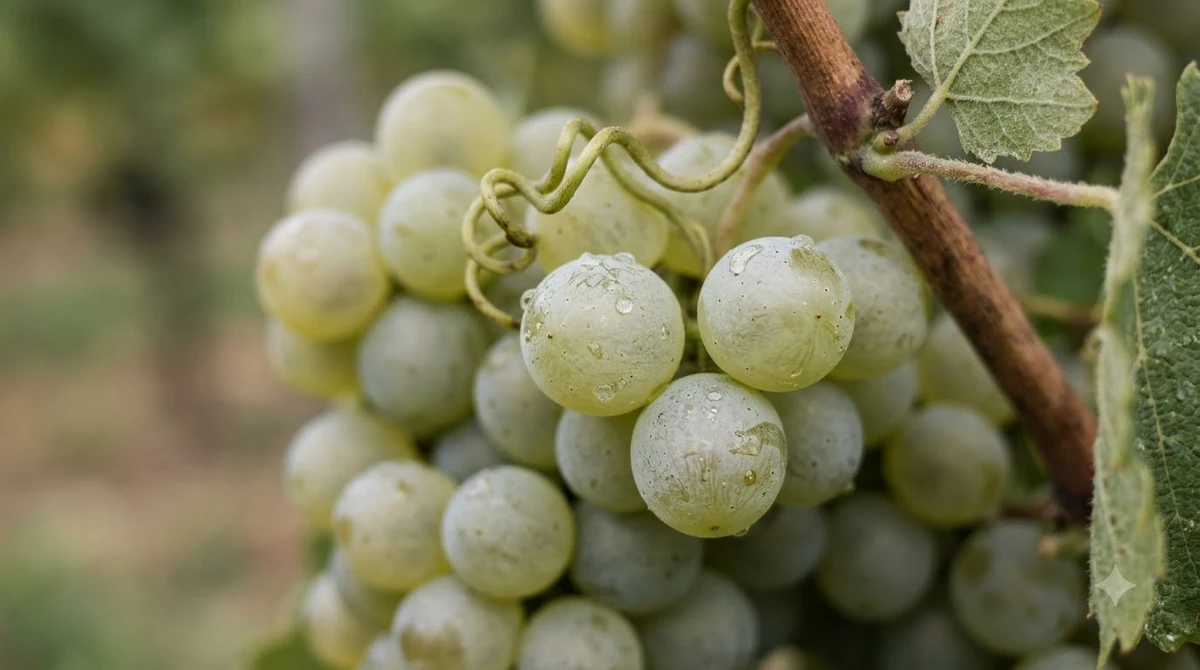
The blend is a useful starting point for understanding its appeal. Chardonnay accounts for 40% of the wine, while Pinot Noir contributes 35% and Pinot Meunier supplies the remaining 25%. This composition gives the Champagne more Chardonnay influence than many traditional non-vintage blends. According to the producer, the grapes come from more than 40 vineyards and four different vintages, creating a consistent house style rather than a wine designed to express one harvest alone.
Drinkers who enjoy fresh fruit, white flowers, and a restrained pastry character are likely to appreciate this approach. The Chardonnay component contributes freshness and refinement, while Pinot Noir provides body and Pinot Meunier adds approachable fruit character. The result is a Champagne that can work before dinner without feeling out of place alongside food.
It is also a sensible choice for people learning about Champagne. The combination of three principal varieties demonstrates how blending influences texture and flavor without requiring the drinker to understand every detail of vineyard selection or cellar production. Those exploring different producers can use our wider Wine Brands resource to understand how individual Champagne houses establish recognizable styles.
However, this is not necessarily the right bottle for every preference. Drinkers looking for pronounced sweetness may prefer Demi-Sec Champagne, while those seeking an especially powerful, concentrated style might prefer a richer Champagne with a different blend. Brut Réserve is better understood as a balanced, relatively fresh option with enough developed character to accompany a meal.
Key Factors to Compare When Choosing Taittinger Brut
The most useful buying considerations are grape composition, sweetness, acidity, aging, and serving flexibility. These characteristics explain why Brut Réserve tastes different from other Champagne styles and help determine whether it fits a particular occasion.
Start with the grape blend. Taittinger’s 40% Chardonnay gives the wine its recognizable fresh character, while the 35% Pinot Noir and 25% Pinot Meunier contribute additional fruit and structure. The producer identifies the Chardonnay proportion as an important part of the house style. This is particularly relevant when comparing Brut Réserve with Champagnes that emphasize Pinot Noir or use a different balance of varieties.
Next, consider dosage. Taittinger’s technical information lists a dosage of 9 grams per liter. Dosage is the addition of a measured sweetening component after the wine’s second fermentation and aging process. It influences the final impression of sweetness and balance. A Brut Champagne remains on the dry side, although it can still have ripe fruit aromas and a rounded texture.
Acidity is another important consideration. Champagne generally has refreshing acidity, and Chardonnay is particularly useful for preserving a fresh impression in a blended wine. This makes Brut Réserve a practical companion for seafood, salty appetizers, and foods with moderate richness. Its freshness also helps prevent the palate from feeling weighed down by creamy sauces or fried appetizers.
Cellar aging contributes another dimension. Taittinger states that Brut Réserve receives at least three years of cellar aging, while its technical information describes an aging period of three to four years. During this time, the wine develops more complex aromas and a more integrated texture. This helps explain the combination of fresh fruit and subtle brioche character that appears in descriptions of the finished Champagne.
The following comparison summarizes the main characteristics to examine when selecting a bottle or comparing it with another sparkling wine.
| Factor | Taittinger Brut Réserve | What It Means for the Buyer |
|---|---|---|
| Wine style | Non-vintage Champagne | Designed for consistency across releases |
| Chardonnay | 40% | Contributes freshness and refinement |
| Pinot Noir | 35% | Contributes fruit and structure |
| Pinot Meunier | 25% | Adds approachable fruit character |
| Vineyard sources | More than 40 crus | Combines different vineyard expressions |
| Cellar aging | At least 3 years | Develops aromatic and textural complexity |
| Dosage | 9 g/L | Supports a dry, balanced Brut style |
| Reserve wines | 30% | Helps maintain consistency between releases |
These specifications come from Taittinger’s published technical information. Individual tasting impressions can change slightly with bottle age, storage conditions, serving temperature, and the food served alongside the Champagne.
It is also useful to distinguish between the producer’s specifications and independent tasting descriptions. Wine Enthusiast’s review identifies fresh fruit, toast, a crisp aftertaste, and a steely finish. These observations complement the producer’s descriptions of fruit, honey, brioche, and vanilla. For another perspective, read the Wine Enthusiast Taittinger NV Brut Réserve review.
Step-by-Step: How to Choose and Serve Taittinger Brut
A good Champagne experience begins before opening the bottle. Selecting the right format, chilling it correctly, choosing suitable glassware, and pairing it with appropriate food all help preserve the wine’s balance.
Follow these steps to make the most of Brut Réserve:
-
Confirm the wine style.
Look for Taittinger Brut Réserve rather than assuming every bottle carrying the Taittinger name has the same sweetness or flavor profile. The standard Brut Réserve is non-vintage and combines Chardonnay, Pinot Noir, and Pinot Meunier. Other cuvées from the house can have different grape compositions, aging periods, and flavor characteristics.
-
Choose an appropriate bottle format.
A standard 750 ml bottle provides approximately five servings when each glass contains 5 oz. This is a convenient size for a small dinner or a celebration with several guests. For a larger gathering, consider the number of guests and whether Champagne will be served throughout the event rather than only for a welcome toast.
-
Chill the bottle gradually.
Place the Champagne in a refrigerator before serving, allowing enough time for it to reach approximately 40–50°F. Avoid leaving it in a household freezer for extended periods. Excessively cold Champagne can hide delicate floral and fruit aromas, making it harder to appreciate the balance of the blend.
-
Prepare suitable glassware.
A tulip-shaped sparkling wine glass is a useful option because it provides room for aromas to develop while retaining the wine’s bubbles. A standard flute can also work, particularly for a brief celebratory toast. Avoid glasses that are excessively wide and shallow if preserving carbonation is important.
-
Open the bottle carefully.
Remove the foil and loosen the wire cage while maintaining control of the cork. Keep one hand over the cork, tilt the bottle slightly, and rotate the bottle rather than pulling the cork forcefully. A controlled release helps reduce pressure loss and unnecessary spillage.
-
Pour moderate servings.
Use approximately 5 oz as a standard wine serving, but pour sparkling wine in stages if the foam rises quickly. Allow the bubbles to settle before topping up the glass. This keeps the serving manageable and leaves sufficient space to appreciate the aroma.
-
Serve the wine with complementary food.
Start with oysters, smoked salmon, or small savory canapés. For a more substantial meal, consider poultry, seafood, or creamy appetizers. The Champagne’s acidity can refresh the palate between bites, while its developed brioche character adds another dimension to savory dishes.
-
Preserve any remaining wine.
Use a Champagne-specific airtight stopper and return the bottle to the refrigerator promptly. Sparkling wine generally retains its best effervescence for approximately one to three days after opening, depending on the closure and storage conditions.
Tip: Begin serving Taittinger Brut Réserve around 45°F rather than pouring it straight from an extremely cold refrigerator. As the Champagne warms slightly in the glass, its peach, floral, vanilla, and brioche characteristics become easier to appreciate.
Types and Styles Explained
Understanding Champagne terminology makes it easier to decide whether Taittinger Brut Réserve matches personal taste. The most important distinctions involve grape composition, sweetness classification, vintage designation, and production method.
Non-Vintage Champagne
Brut Réserve is a non-vintage Champagne, meaning it is not presented as a wine from one specific harvest year. Instead, the producer combines wines from different harvests to maintain a recognizable style. Taittinger’s published information identifies four different vintages in the blend and states that reserve wines account for 30% of the composition.
This approach gives the cellar team flexibility. Individual harvests can differ in ripeness, acidity, and concentration, but blending allows the producer to create a more consistent result. It also means that a non-vintage Champagne should not automatically be considered inferior to a vintage Champagne. The two categories serve different purposes.
Vintage Champagne emphasizes the characteristics of a particular harvest, whereas non-vintage Champagne generally prioritizes house style and consistency. For drinkers seeking a familiar bottle for repeated celebrations, this consistency can be an advantage.
Brut Versus Other Sweetness Levels
Brut is a dry Champagne classification, but it does not mean that the wine contains absolutely no residual sugar. The dosage influences the final sweetness level, and Brut wines can retain enough sugar to soften their acidity without tasting overtly sweet.
Champagne sweetness classifications progress from driest to sweetest as follows:
- Brut Nature: Very dry, with little or no added dosage.
- Extra Brut: Very dry, with a small permitted amount of sugar.
- Brut: Dry and suitable for a wide range of meals.
- Extra Dry: Slightly sweeter than Brut despite its name.
- Dry: Noticeably sweeter than Brut.
- Demi-Sec: Sweet enough to accompany many desserts.
- Doux: The sweetest traditional classification.
For a drinker who prefers a dry sparkling wine with fruit aromas rather than obvious sweetness, Brut Réserve is a logical category to explore. People who regularly choose sweet Moscato or dessert wines may find it comparatively crisp and restrained.
Traditional-Method Champagne
Champagne is produced using the traditional method, which involves a second fermentation in the bottle. This process creates the carbon dioxide responsible for the wine’s natural bubbles. The wine then spends time aging on its lees, the spent yeast cells left after fermentation.
Lees aging helps develop aromas commonly described as bread, biscuit, brioche, and pastry. In Brut Réserve, these developed notes sit alongside fresh fruit and floral characteristics. The combination explains why the wine can feel both lively and rounded rather than simply sharp or citrus-driven.
This production method distinguishes Champagne from sparkling wines made through tank fermentation. Prosecco, for example, is generally produced using the tank method and primarily uses Glera grapes. It commonly emphasizes fresh fruit and floral aromas, while traditional-method Champagne can develop more pronounced secondary aromas through bottle aging.
Chardonnay-Forward Versus Pinot-Forward Champagne
Chardonnay-forward Champagne tends to emphasize freshness, citrus, floral aromas, and elegance. Pinot Noir can contribute greater body and structure, while Pinot Meunier often brings accessible fruit character. These are general tendencies rather than fixed rules, because vineyard conditions and winemaking choices also influence the finished wine.
Taittinger Brut Réserve combines all three varieties, with Chardonnay representing the largest proportion. That makes it a useful reference point for drinkers who want a Champagne that retains freshness without sacrificing the additional structure and fruit supplied by the Pinot varieties.
Those comparing different bottles can also explore Taittinger Brut to understand the specific cuvée and its place within the producer’s range. For a more detailed examination of its aromatic and flavor characteristics, the Taittinger Brut tasting notes resource provides another useful point of comparison.
Common Mistakes When Buying and Enjoying Champagne
Many disappointing Champagne experiences come from incorrect expectations or poor serving decisions rather than the wine itself. Paying attention to sweetness, temperature, food compatibility, and bottle handling helps prevent the most common problems.
Assuming Brut Means Completely Sugar-Free
Brut describes a dry sweetness category, not the complete absence of sugar. Taittinger lists Brut Réserve’s dosage at 9 grams per liter. That small amount contributes to the balance between freshness and fruit rather than making the Champagne taste like a dessert wine.
People who want a particularly austere sparkling wine may prefer Brut Nature or Extra Brut. However, those classifications are not automatically better. The right level depends on individual taste and the food being served.
Serving It Too Cold
Very low temperatures can suppress the aromas that make Champagne interesting. If Brut Réserve is served directly from an extremely cold freezer, the peach, white flowers, honey, and brioche characteristics may be less apparent.
A serving range of 40–50°F is more suitable for sparkling wine. Allowing the glass to warm slightly can reveal additional aromatic detail without sacrificing the refreshing character of the wine.
Pairing It Only With Desserts
Champagne is frequently associated with cakes and sweet celebrations, but Brut Réserve is a dry wine. A dessert that tastes substantially sweeter than the Champagne can make the wine seem sour, sharp, or thin by comparison.
Instead, pair it with savory foods or desserts that are not excessively sweet. Oysters, smoked salmon, salty appetizers, and moderately rich cheeses are generally more suitable starting points. For a sweet course, choose a wine at least as sweet as the dessert.
Ignoring Food Texture
Acidity is one of Champagne’s most useful food-pairing characteristics. It can refresh the palate after bites of buttery pastry, creamy cheese, or fried seafood. However, intense chili heat can be amplified by alcohol, so heavily spiced dishes may be less comfortable matches.
Consider the entire dish rather than only its main ingredient. A piece of seafood served with a creamy sauce, for example, may pair differently from the same seafood served with a hot chili dressing. Salt and fat can also soften the perception of certain wine characteristics, changing the overall balance.
Expecting Every Bottle to Taste Identically
Non-vintage Champagne aims for consistency, but small differences can still occur between bottles and releases. Storage, transport, bottle age, and serving conditions all influence how a wine presents itself. A bottle that has been exposed to excessive heat may show less freshness than one stored carefully.
It is also important to distinguish between tasting descriptions and guaranteed flavors. One drinker may identify peach and vanilla, while another notices citrus, toast, or white flowers. These differences are normal and do not necessarily indicate a problem with the wine.
Care and Storage Tips for Taittinger Brut
Proper storage protects the wine’s freshness, bubbles, and aromatic character. The most important factors are stable temperature, limited exposure to light, minimal vibration, and a suitable closure after opening.
Store Unopened Bottles Properly
For longer storage, keep Champagne in a cool, dark location with a stable temperature close to 55°F. Avoid placing bottles beside radiators, ovens, sunny windows, or appliances that generate substantial heat. Sudden temperature changes can affect the wine’s development and may compromise the closure.
Store bottles horizontally when they have natural cork closures. This keeps the cork in contact with the wine and helps maintain suitable moisture conditions. A dedicated wine refrigerator or cellar is preferable to a kitchen cabinet that experiences frequent temperature changes.
Light exposure is another concern. Champagne bottles should be protected from strong sunlight and prolonged artificial lighting. This is particularly relevant for bottles intended to remain in storage rather than being opened soon after purchase.
Understand the Drinking Window
Taittinger’s technical information gives Brut Réserve a cellaring potential of five years or more, depending on the desired taste and food experience. This does not mean every bottle needs to be stored for five years. Non-vintage Champagne is generally produced to be enjoyed without requiring extended bottle aging at home.
For drinkers who prefer lively fruit, freshness, and bright acidity, opening the bottle relatively soon after purchase is a sensible approach. Those who prefer more developed aromas may choose to hold it under appropriate storage conditions. However, home storage cannot guarantee that every bottle will develop in the same way.
Preserve an Opened Bottle
Once opened, sparkling wine loses carbonation gradually. A Champagne-specific stopper helps retain bubbles more effectively than a standard wine stopper. Return the bottle to the refrigerator promptly, keeping it upright to minimize the amount of wine exposed to air.
As a general guideline, opened sparkling wine is best consumed within one to three days. The exact period depends on the condition of the wine, the stopper, and how frequently the bottle is opened. A bottle that has lost much of its carbonation may still be usable in cooking, but its original drinking experience will be reduced.
Plan Bottle Quantities for Gatherings
A standard 750 ml bottle provides approximately five 5 oz servings. For a gathering of ten adults, two standard bottles provide approximately ten conventional servings, assuming each guest receives one glass. If Champagne will accompany dinner or be served throughout an event, additional bottles may be necessary.
Consider the role of Champagne in the meal. A single welcome toast requires less wine than a dinner where guests will continue drinking it alongside several courses. Keeping the bottle chilled and opening additional bottles as needed helps maintain freshness throughout the gathering.
For a celebration, it is also useful to plan when the Champagne will be poured. Opening every bottle at the beginning of an event increases the chance that some wine will lose its bubbles before guests finish drinking. Smaller, controlled servings help keep the wine in good condition.
Frequently Asked Questions
Is Taittinger Brut Réserve a good Champagne for someone new to Champagne?
Yes, its blend provides a useful introduction to the three principal Champagne grapes. The wine combines Chardonnay freshness with the fruit and structure of Pinot Noir and Pinot Meunier. Its balanced style also makes it easier to understand how traditional-method Champagne combines fruit aromas with developed pastry-like characteristics.
Does Taittinger Brut Réserve contain sulfites?
Like other conventional wines, Champagne can contain naturally occurring sulfites and may have additional sulfites used during production. Sulfur dioxide is commonly used in winemaking to help protect wine against oxidation and unwanted microbial activity. The precise sulfite concentration of an individual bottle should not be assumed from its grape blend or dosage.
What is the difference between Champagne and sparkling wine?
Champagne is a protected geographical designation for sparkling wine produced in the Champagne region of France under its applicable production rules. Other sparkling wines can be made using similar traditional-method techniques but originate from different regions. Consequently, a traditional-method sparkling wine from California is not legally Champagne, even if its production resembles that of a French bottle.
Can Taittinger Brut Réserve be used in Champagne cocktails?
Yes, its dry style and fresh acidity make it suitable for sparkling cocktails. It can be used in a French 75 with gin, lemon juice, and a sweetening component, or poured into a Champagne cocktail with a sugar cube and aromatic bitters. For cocktails, preserve the bottle’s carbonation by adding the Champagne immediately before serving.
Can Champagne be frozen to make it chill faster?
Brief exposure to a freezer is sometimes used for rapid chilling, but it requires close supervision. A forgotten bottle can freeze, expand, and potentially push out its cork or damage the bottle. An ice-water bath with ice and salt is a more controlled way to chill a bottle quickly while avoiding prolonged freezer exposure.
Taittinger Brut Réserve is a strong option for drinkers seeking a dry, Chardonnay-forward Champagne with fresh fruit, floral aromas, and developed brioche character. Its blend, extended cellar aging, and versatile food compatibility make it suitable for both celebrations and meals. Serve it well chilled, pair it with savory dishes, and store any remaining wine carefully to get the most from the bottle.
More in Wine Brands
 Underwood Wine Price: Compare Bottles, Cans, and Pack SizesUpdated Nov 21, 2026
 Zenato Wine Price: Compare Styles and Choose the Right BottleUpdated Nov 21, 2026
 Zuccardi Wine Price: Compare Bottles and Find the Right RangeUpdated Nov 21, 2026
 Yellow Tail Moscato Review: Taste, Sweetness and Serving TipsUpdated Nov 21, 2026
 Wolf Blass Yellow Label Review: Choose Your Best StyleUpdated Nov 21, 2026
 Wolffer Estate Rose Review: Choose the Right Bottle for Your TableUpdated Nov 21, 2026