

We may earn a commission when you buy through links on this page, at no extra cost to you. Learn more.
taittinger brut tasting notes typically feature citrus, white peach, apple, white flowers, a light honeyed note, and fine, persistent bubbles. The Champagne is dry in style, with bright acidity and a mineral edge that keeps its fruit lively rather than heavy. Its signature Brut Réserve blend combines 40% Chardonnay, 35% Pinot Noir, and 25% Pinot Meunier, giving the wine freshness alongside a rounded fruit center. Expect a graceful, medium-bodied sparkling wine with a crisp finish, although the balance can shift slightly from one non-vintage release to another.
Taittinger Brut Réserve is a useful bottle to understand if you enjoy Champagne that feels precise but not severe. Its flavor profile suits a celebratory toast and pairs naturally with seafood, poultry, and lighter dishes. The notes below explain what tends to appear in the glass, how the blend shapes those flavors, and how serving choices affect the experience.
What Taittinger Brut Réserve Tastes Like
The central impression is fresh and polished: citrus and orchard fruit lead, delicate floral and honey notes follow, and a dry, mineral finish keeps the palate focused. Taittinger’s cellar team identifies peach, white flowers, vanilla, and minerality among the cuvée’s notes, while the house also describes fine bubbles and delicate fruit and honey aromas.
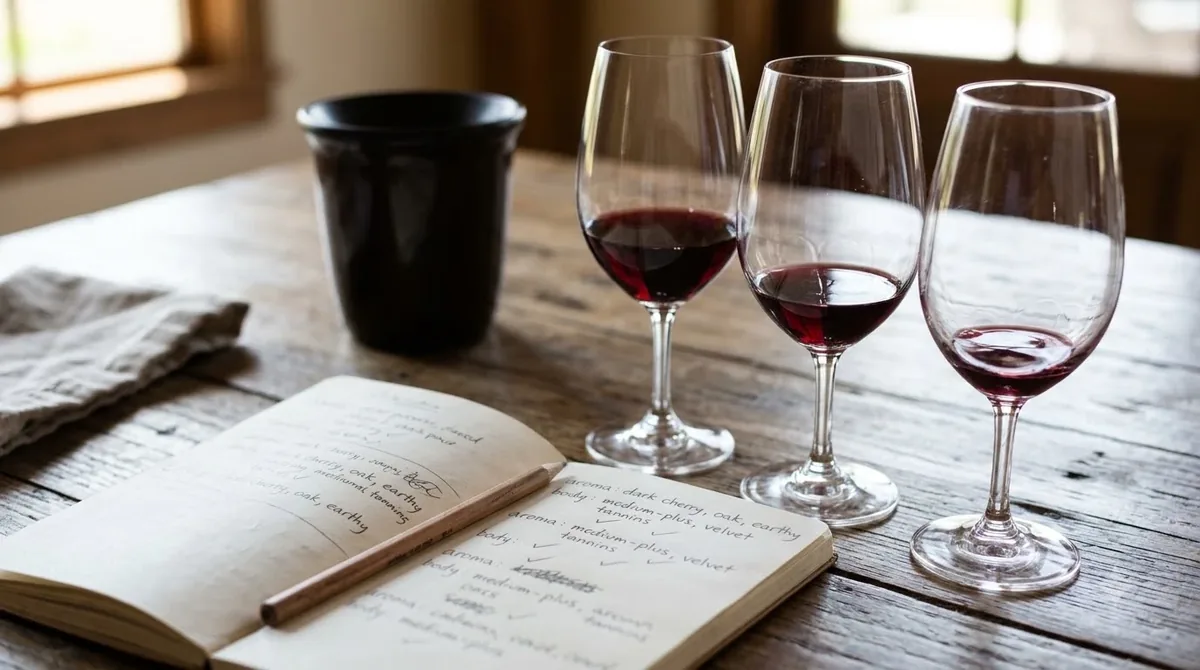
In a typical pour, lemon, green apple, and pear make the first impression. White peach can add a softer, riper tone, with a faint suggestion of raspberry in the background. The fruit feels fresh rather than jammy, with acidity keeping it lively.
Floral details give the wine another layer. Think white blossoms rather than heady perfume: hawthorn and acacia are examples named by Taittinger’s cellar master. A gentle honey impression adds roundness without turning the wine into a sweet style. Vanilla is a subtle aromatic accent rather than a strong oak flavor.
The finish is lively and clean. Bubbles leave a brisk sensation, then citrus peel and a lightly stony impression linger after the fruit fades. Wine Enthusiast’s published review describes fresh fruit, a touch of toast, and a crisp aftertaste with a steely edge. That note is a useful reference, although one bottle may show more peach, apple, toast, or citrus depending on its blend and serving conditions.
How the Three-Grape Blend Shapes the Profile
The blend explains much of the wine’s balance: Chardonnay provides freshness and floral-citrus lift, Pinot Noir contributes structure and body, and Pinot Meunier adds a softer, fruit-forward middle. The Taittinger Brut Réserve page lists 40% Chardonnay, 35% Pinot Noir, and 25% Pinot Meunier, with grapes selected from more than 40 vineyards and four different vintages.
Chardonnay is the largest share at 40%, a comparatively high proportion for a non-vintage Brut Champagne. It helps account for the wine’s lively, refined character and the lift that runs through the finish. The Comité Champagne links Chardonnay with liveliness, minerality, citrus, and white flowers, all notes that suit this cuvée. Pinot Noir makes up 35% of the blend. Although Pinot Noir is red-skinned, careful pressing lets it contribute body and structure to a white Champagne. Pinot Meunier supplies the remaining 25%; Taittinger says it can bring a sweeter impression with apple or raspberry notes, while the regional Champagne guide links it with roundness, apples, pears, and yellow fruit.
Taittinger says the Chardonnay comes mainly from the Côte des Blancs, Pinot Noir from the Montagne de Reims and Aube, and Meunier from the edge of the Marne Valley. Its current cuvée description refers to more than 40 vineyards and four vintages. Taittinger also describes a house-style blend of 70% wines from the annual harvest and 30% from previous harvests, helping maintain consistency despite yearly weather differences. The house reports at least three years of cellar aging for Brut Réserve. That time allows the wine to develop beyond primary fruit, helping explain why a fresh apple-and-citrus profile can also carry hints of toast, vanilla, and honey. That balance keeps the wine crisp without making it austere.
| Blend component | Share | Typical contribution |
|---|---|---|
| Chardonnay | 40% | Citrus, white flowers, freshness, minerality |
| Pinot Noir | 35% | Structure, body, and red-fruit nuance |
| Pinot Meunier | 25% | Apple, pear, roundness, and fruit softness |
Aroma and Flavor Notes from First Pour to Finish
The aromatic profile usually develops in stages, moving from citrus and orchard fruit toward floral, honeyed, and lightly toasty details. A tulip-shaped glass and a few minutes in the glass make those stages easier to notice than serving the Champagne very cold in a narrow flute.
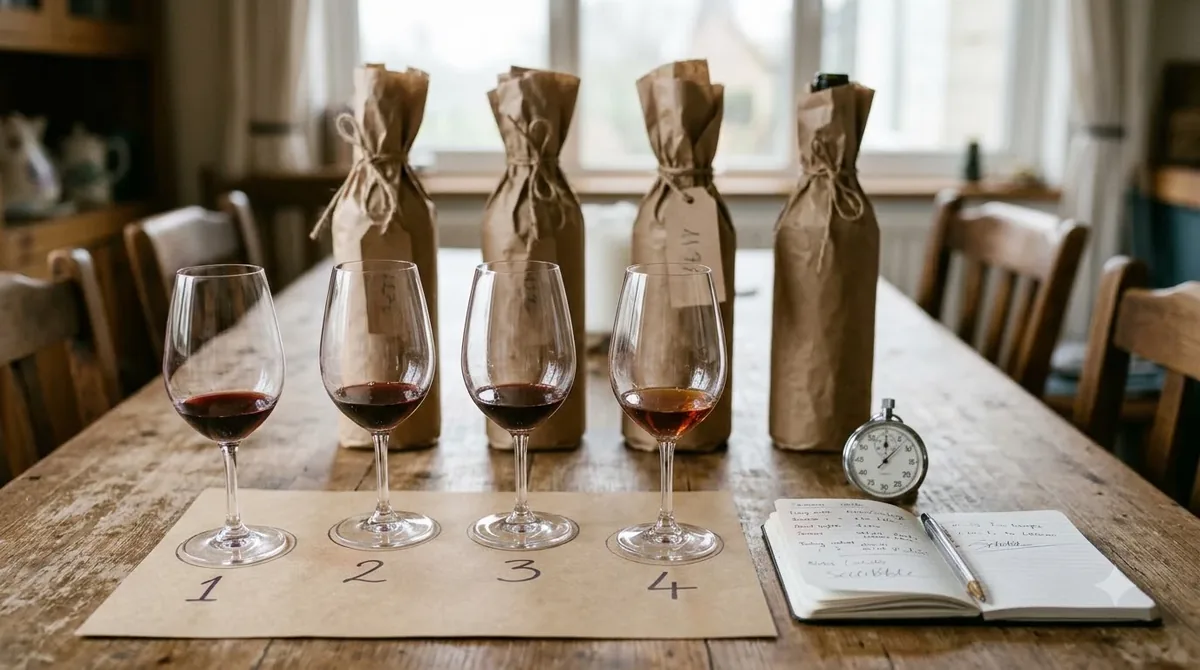
At first pour, the nose can seem restrained because cold temperatures suppress aroma. Give the wine a moment, then look for lemon, green apple, pear, and white peach. Straight from an ice bucket, the nose may seem mostly citrus; a few degrees of warming can reveal peach, apple skin, and flowers.
The floral layer is delicate. Hawthorn and acacia suggest light, clean blossom aromas rather than rosewater or strong perfume. Honey can register as a soft scent, but the overall impression should remain dry. Vanilla may appear as a faint sweet-spice note, while brioche or toast can emerge as a secondary aroma as the wine opens. These bread-like details are accents, not guaranteed dominant flavors. On the palate, bubbles and acidity carry lemon, apple, and peach across the tongue. The middle has more breadth than the opening suggests: Pinot Noir gives the Champagne backbone, while Pinot Meunier makes the fruit feel supple. The finish tends to be dry, crisp, and gently mineral, sometimes with a light toast note after the citrus fades.
Glassware changes which details stand out. A flute emphasizes the stream of bubbles but its narrow opening can hold back some floral and fruit aromas. A white-wine glass or Champagne tulip with a wider bowl and narrower rim gives the wine more room to release scent while preserving its sparkle. A coupe is festive, but its broad surface allows bubbles and aromas to dissipate more quickly.
Sweetness, Acidity, Bubbles, and Body
Brut Réserve is dry in style, but dry Champagne can still smell fruit-forward because ripe apple, peach, and honeyed aromas are not the same as high residual sugar. Its defining structure is bright acidity, fine mousse, and a medium-bodied center rather than a sugary palate.
The word Brut refers to a sweetness category, not to a guarantee that a sparkling wine will taste severe. The Comité Champagne defines Brut as less than 12 grams of sugar per liter; Extra Brut is 0–6 grams per liter, while Extra Dry is 12–17 grams per liter. Extra Dry is therefore sweeter than Brut, despite its name. Taittinger Brut Réserve belongs to the Brut category, so expect a dry finish even when peach, apple, or honey-like aromas suggest ripe fruit.
Acidity makes the fruit taste crisp, refreshes the palate between bites, and supports the lingering finish. If you enjoy Sauvignon Blanc or high-acid Riesling, the freshness may feel familiar, although Champagne adds the texture of bubbles and lees-derived complexity. Fruit should keep the brisk acidity in balance.
The bubbles are generally fine and persistent, not coarse or aggressively foamy. They create a light prickling sensation and carry aroma upward. Detergent residue can interfere with bubble formation, so clean glassware matters. Body is best described as light to medium, with enough substance to accompany food. It is not as broad as a powerful, full-bodied vintage Champagne, nor as slender as the most sharply focused, low-dosage styles. Freshness on the attack, a rounded fruit center, and a dry finish make the balance its main strength.
Serving Temperature and Glassware for Clearer Aromas
Serve Taittinger Brut Réserve well chilled but not ice-cold, aiming for about 45–50°F. The Comité Champagne recommends roughly 8–10°C, or 46–50°F, and suggests chilling a bottle in an ice bucket with water and ice for 20–30 minutes.
Very cold Champagne can seem sharp and muted at the same time: acidity feels more pronounced, while peach, flowers, honey, and toast become harder to detect. At 45–50°F, the wine stays refreshing but has room to show its aroma. A modest rise in temperature during dinner can reveal additional fruit and pastry notes, although a warm glass will lose some of its snap. Choose a tulip-shaped Champagne glass or a small white-wine glass rather than relying only on a narrow flute. The broader bowl lets aromas gather and develop, while the narrower rim directs them toward the nose. A flute shows the bubbles clearly but can make the aroma seem more linear.
Pour slowly and leave space in the glass. A standard wine serving is about 5 ounces, and a 750 ml bottle contains roughly five such pours. For a tasting, a 2–3 ounce pour is enough to inspect the aromas and palate while leaving room for bubbles to rise. A two-stage pour helps prevent excess foam.
Tip: Chill the bottle in a water-and-ice bucket for 20–30 minutes, dry the outside, and pour a small first splash before filling the glass. That brief pause lets the bubbles settle and gives the aromas a moment to open.
Open the bottle with a firm hand over the cork and point it away from people and fragile objects. Hold the cork in place while turning the bottle gently; aim for a soft release rather than a loud pop. After opening, use a sparkling-wine stopper and refrigerate the bottle; its bubbles and freshness are best enjoyed promptly. For longer storage before opening, choose a cool, steady place away from light, vibration, and strong odors. Avoid a sunny counter or a shelf beside an oven, where temperature can fluctuate. If the bottle is intended for a near-term celebration, chilling it in the refrigerator is simpler than trying to age it at home.
Food Pairings That Match Its Fresh, Dry Style
The Champagne’s acidity, fine bubbles, and moderate body make it especially compatible with salty seafood, creamy textures, and lightly seasoned dishes. Oysters, smoked salmon, roast chicken, and crisp fried appetizers are dependable starting points because they complement the wine without burying its citrus and floral character.
Oysters are a classic match because their briny character plays well with Champagne’s freshness and mineral impression. Try raw oysters with lemon or lightly grilled oysters with restrained herb butter. The bubbles refresh the palate between bites, while citrus notes echo the squeeze of lemon. Avoid heavy sauces that overwhelm the oyster’s delicate flavor. Smoked salmon is another strong choice. Its salt and fat soften the impression of acidity, while the wine cuts through the richness. Serve it on toast with crème fraîche, dill, or a little lemon. The brioche and toast notes sometimes found in Brut Réserve can complement the bread, while apple and citrus keep the salmon from dominating.
For a main course, roast chicken with lemon, thyme, or a light cream sauce works well. Pinot Noir gives the Champagne enough structure for poultry, and the bright acidity balances skin, butter, and pan juices. Turkey breast, mild terrines, and mushroom tartlets are also good options when the seasoning is savory rather than sweet or hot. Soft cheeses can work when their intensity stays moderate. Brie, young Camembert, and triple-cream cheese offer fat and a creamy texture that temper brisk acidity. Very pungent washed-rind cheeses may overwhelm delicate floral and peach notes. Vegetarian dishes are suitable too: potato chips, gougères, tempura vegetables, fried zucchini, and savory pastries bring salt or crisp texture that works with the bubbles.
With salad, choose lemon vinaigrette rather than a sweet dressing; acidic food needs a wine with equal or higher acidity. Sweet desserts require more care: a wine should be at least as sweet as the dessert, so a dry Brut can taste lean beside a sugary cake or caramel pudding. Keep dessert lightly sweet, such as fresh berries with a modest amount of cream, or choose a sweeter Champagne style. Intense chili is also less suitable because alcohol can make heat feel stronger. For domestic sparkling-wine comparisons, the profiles in chandon brut tasting notes and korbel brut tasting notes can help show how other Brut styles differ from Champagne. For another French house style, see piper heidsieck brut tasting notes. The broader Wine Brands section can help place Taittinger among producers with distinct signatures.
Frequently Asked Questions
These answers clarify the four-vintage blend, Brut’s sugar limit, and the role of dosage in Champagne.
Is Taittinger Brut Réserve a vintage Champagne?
No. Brut Réserve is non-vintage and blends wines from multiple harvests; a vintage Champagne is made only from grapes harvested in the year named on its label. A vintage year refers to the grape harvest, not the year the bottle was sold or purchased.
Why can Champagne made with Pinot Noir still look white?
Pinot Noir has dark skin but pale juice. For a white Champagne, the grapes are pressed gently and the juice is separated from the skins before much color can be extracted. The same principle allows Pinot Meunier, another dark-skinned grape, to contribute to a white blend.
What does dosage mean in Champagne?
Dosage is the final addition made before the bottle is corked, usually a small mixture of wine and sugar. The Comité Champagne says the liqueur is added at the end of production and helps determine the wine’s sweetness category. It is distinct from the natural fruit aromas that can make a dry Brut seem ripe.
Can Taittinger Brut Réserve be used in a Champagne cocktail?
Yes. Its dry profile and lively acidity can work in a classic Champagne cocktail with a sugar cube and bitters. Add ingredients sparingly, because strong citrus liqueurs or sweet mixers can cover the delicate peach, floral, and mineral notes.
Should an unopened Champagne bottle be stored upright or on its side?
Either position can be suitable for Champagne when the storage conditions are steady. The Comité Champagne recommends a cool environment around 10–15°C, humidity of 60–80%, and protection from light, vibration, and strong odors. A stable location matters more than choosing upright versus horizontal storage.
Taittinger Brut Réserve is best understood as a balanced, Chardonnay-led Champagne with citrus, orchard fruit, white flowers, fine bubbles, and a clean mineral finish. Serve it at 45–50°F in a tulip glass, and pair it with oysters, smoked salmon, roast chicken, or crisp savory bites. Those simple choices let the wine’s freshness and layered fruit remain clear from the first pour to the finish.
More in Wine Brands
 Louis Latour Wine Price: Compare Bottles by Style and TierUpdated Nov 20, 2026
 Yellow Tail Moscato Price: What to Expect Before You BuyUpdated Nov 20, 2026
 Sutter Home Sweet Red Review: Find the Right Food PairingsUpdated Nov 20, 2026
 Franzia Chillable Red Review: Find the Right Serving StyleUpdated Nov 20, 2026
 Veuve Clicquot Rose Review: Flavor, Food Pairings and Buying AdviceUpdated Nov 20, 2026
 Rombauer Wine Price: Compare Bottles Before You BuyUpdated Nov 20, 2026