

We may earn a commission when you buy through links on this page, at no extra cost to you. Learn more.
This stags leap wine review explains what to expect from Napa Valley wines bearing the Stags Leap name and how to choose the right bottle for your preferences. The name is associated with a celebrated Cabernet Sauvignon region and two distinct winery identities: Stags’ Leap Winery and Stag’s Leap Wine Cellars. Both offer wines connected to Napa Valley, but their vineyard histories, portfolios, and approaches to wine selection differ. Understanding those distinctions makes it easier to compare bottles, choose a suitable style, and find a wine for a special dinner or everyday enjoyment.
Stags Leap is particularly important to California Cabernet Sauvignon because its combination of volcanic soils, varied vineyard exposures, and Pacific-influenced climate produces wines associated with concentrated fruit and balanced structure. Cabernet Sauvignon deserves much of the attention, but the broader selection includes Merlot, Petite Sirah, Chardonnay, Sauvignon Blanc, and other varieties. This guide examines the region, the producers, the major wine styles, and practical buying considerations without treating every bottle carrying the Stags Leap name as interchangeable.
Who This Is For: Napa Cabernet Buyers and Wine Enthusiasts
Stags Leap wines are especially appealing to buyers interested in structured Napa Valley reds, vineyard-driven Cabernet Sauvignon, and California wine history. They also deserve consideration from people who want to explore Napa Chardonnay, Sauvignon Blanc, or other red varieties from a distinctive wine-growing area.

One important distinction should come first. Stags’ Leap Winery and Stag’s Leap Wine Cellars are separate producers, not alternative spellings of one winery. Stags’ Leap Winery operates a historic estate with its own vineyard program and wine portfolio. Stag’s Leap Wine Cellars is the producer associated with the famous 1973 S.L.V. Cabernet Sauvignon that won the red wine category at the 1976 Judgment of Paris.
The distinction matters because buyers may encounter different labels, collections, and vineyard designations when searching for Stags Leap wines. A bottle from either producer can be connected to the district, but the winery name identifies a particular producer and its winemaking approach.
This guide is particularly useful for four kinds of buyers:
- Cabernet Sauvignon enthusiasts: People looking for Napa reds with dark fruit, oak influence, firm structure, and the potential to develop with bottle age.
- Special-occasion buyers: Shoppers comparing estate Cabernet Sauvignon and more accessible Napa Valley bottlings for celebrations, dinners, and gifts.
- Curious wine drinkers: People exploring the difference between Stags Leap District wines and broader Napa Valley selections.
- White wine drinkers: Buyers interested in Sauvignon Blanc and Chardonnay rather than assuming the region only produces Cabernet Sauvignon.
Stags Leap may be less suitable for someone whose main priority is inexpensive, uncomplicated table wine. The area’s reputation is strongly connected to premium Napa Cabernet Sauvignon, and the more prestigious vineyard-designated wines are positioned toward buyers who value specific vineyard origins and structured winemaking.
For readers comparing the broader category, the Wine Brands directory provides another starting point for exploring producers, regions, and different approaches to wine selection.
Key Factors to Compare Before Buying Stags Leap Wine
The most useful buying considerations are producer identity, appellation, grape variety, vineyard origin, and wine structure. These details help explain why two bottles carrying similar regional references can offer noticeably different experiences.
| Buying factor | What to look for | Why it matters |
|---|---|---|
| Producer | Stags’ Leap Winery or Stag’s Leap Wine Cellars | Identifies the winery and its portfolio |
| Estate size | 240 acres at Stags’ Leap Winery | Provides context for its vineyard operations |
| Estate planting | 85 planted acres at Stags’ Leap Winery | Distinguishes planted vineyard area from total property |
| Vineyard blocks | 23 at Stags’ Leap Winery | Shows the attention given to different growing conditions |
| District size | Approximately 2,700 acres | Provides geographical context for the appellation |
| AVA designation | Established in 1989 | Identifies the recognized wine-growing area |
| Primary grape | Cabernet Sauvignon | Defines the district’s best-known wine style |
| Other varieties | Merlot, Petite Sirah, Chardonnay, Sauvignon Blanc | Offers alternatives to Cabernet Sauvignon |
The vineyard figures in this table refer specifically to Stags’ Leap Winery, while the 2,700-acre figure describes the wider district. They should not be interpreted as measurements of Stag’s Leap Wine Cellars or as the total size of Napa Valley.
Producer identity and label details
Start by identifying the actual winery. Stags’ Leap Winery has a historic estate and vineyards planted across different exposures and soil conditions. Stag’s Leap Wine Cellars has a separate identity built around its S.L.V. and FAY estate vineyards and its association with the Judgment of Paris.
Stag’s Leap Wine Cellars organizes its portfolio into Estate, Napa Valley, and Winery Exclusives collections. The Estate Collection contains three estate-grown Cabernet Sauvignons associated with the S.L.V. and FAY vineyards. Its Napa Valley Collection includes ARTEMIS Cabernet Sauvignon, KARIA Chardonnay, and AVETA Sauvignon Blanc.
Appellation and vineyard origin
Stags Leap District is a recognized American Viticultural Area within Napa Valley. The designation was established in 1989. According to Stags’ Leap Winery’s vineyard information, a wine using the district appellation must contain at least 85 percent fruit grown within that designated area.
A Napa Valley designation is broader than a Stags Leap District designation. A Napa Valley Cabernet may include grapes from several parts of the larger region, while a district-designated wine identifies a more specific growing area. Vineyard-designated bottlings narrow the origin further.
For a more detailed look at the distinction between the producers and their red wine selections, see our guide to Stags Leap red wine.
Grape variety and structure
Cabernet Sauvignon is the district’s signature grape. It generally produces wines with substantial tannin, dark-fruit character, and the structure to accompany rich foods. Merlot offers a softer alternative, while Petite Sirah can contribute deeper color, substantial tannin, and concentrated fruit.
White wines offer another route into the region’s producers. Chardonnay generally has medium acidity, while Sauvignon Blanc is typically more refreshing and higher in acidity. These differences are important when choosing a bottle for a particular meal or drinking occasion.
The Stags Leap District Winegrowers organization provides additional regional background in its overview of the district’s history and growing conditions.
Step-by-Step: How to Choose the Right Stags Leap Bottle
A straightforward selection process begins with the occasion and moves through producer, grape variety, appellation, and intended drinking time. Following these steps prevents an attractive winery name or prestigious vineyard designation from becoming the only buying consideration.
-
Identify the producer.
Read the full winery name before comparing bottles. Decide whether you are interested in Stags’ Leap Winery or Stag’s Leap Wine Cellars. Their similar names can create confusion, particularly when shopping online or comparing labels displayed in small photographs.
-
Choose the wine category.
Decide whether you want Cabernet Sauvignon, another red grape, Chardonnay, or Sauvignon Blanc. Cabernet is the natural starting point for someone exploring the district’s reputation, but a white wine may be more suitable for lighter meals and warm-weather occasions.
-
Compare appellation information.
Look at whether the wine identifies Napa Valley, Stags Leap District, or a specific vineyard. These designations communicate different levels of geographical specificity. A district designation does not automatically mean that a wine is superior to every broader Napa Valley bottling.
-
Choose the desired level of complexity.
A regional Napa Valley bottling is generally a sensible entry point. Estate and vineyard-designated Cabernet Sauvignons are more appropriate for buyers interested in individual vineyard character, structure, and the possibility of extended cellaring.
-
Consider the drinking occasion.
For a dinner featuring grilled beef, roast lamb, or a substantial mushroom dish, structured Cabernet Sauvignon is a logical choice. For seafood, poultry, or lighter meals, consider Chardonnay or Sauvignon Blanc instead.
-
Consider the vintage and drinking window.
Cabernet Sauvignon can develop additional complexity with bottle age, but not every wine needs prolonged cellaring. Check the producer’s vintage information and intended drinking recommendations before purchasing multiple bottles for future consumption.
-
Plan the serving conditions.
Prepare full-bodied Cabernet Sauvignon at approximately 60 to 65 degrees Fahrenheit. Allow a young, structured red to breathe for 30 to 60 minutes when appropriate. Serve lighter whites cooler, around 45 to 50 degrees Fahrenheit.
This process also helps distinguish between buying for immediate enjoyment and building a small collection. Someone serving Cabernet Sauvignon with dinner next weekend may prefer an approachable regional bottling. A collector interested in vineyard distinctions may prefer comparing FAY, S.L.V., and CASK 23 from Stag’s Leap Wine Cellars.
Tip: Do not choose solely by the words Stags Leap on the front label. Confirm the complete winery name, grape variety, appellation, and vineyard designation. Those four details provide a much clearer picture of the wine than the regional name alone.
Types and Styles Explained: Cabernet Sauvignon, Merlot, and White Wines
Stags Leap is most closely associated with Cabernet Sauvignon, but the district and its producers offer several different wine styles. Understanding the grape varieties and the distinctions between collections helps buyers find a bottle that suits their palate.
Cabernet Sauvignon: The signature style
Cabernet Sauvignon is the principal grape behind the district’s reputation. Its typical profile includes blackcurrant, blackberry, dark cherry, and sometimes cedar, tobacco, spice, or oak-related notes. The wines can have substantial tannin, particularly in concentrated estate bottlings.
The Stags Leap District’s combination of volcanic soils, Bale loam, warm afternoons, and cooling Pacific influences is an important part of its identity. The regional growers describe the resulting Cabernet Sauvignon style in terms of power and grace, lush fruit, and comparatively soft tannins.
Stag’s Leap Wine Cellars offers three particularly important estate Cabernet Sauvignons: FAY, S.L.V., and CASK 23. They are associated with the winery’s estate program rather than simply being different names for the same wine.
- FAY: Connected with the historic vineyard established by Nathan Fay in 1961. Its vineyard history makes it an especially interesting choice for buyers exploring the origins of Cabernet Sauvignon in the district.
- S.L.V.: Produced from the winery’s first vineyard, planted in 1970. The vineyard became internationally recognized following the success of the 1973 Cabernet Sauvignon at the Judgment of Paris.
- CASK 23: Another estate Cabernet Sauvignon in the winery’s premium collection, intended for buyers exploring its more distinctive estate wines.
Merlot: A softer alternative
Merlot generally has softer tannins than Cabernet Sauvignon and often displays plum, black cherry, and ripe red-fruit characteristics. It is a useful option for people who appreciate Napa Valley reds but prefer less aggressive tannin.
Stags’ Leap Winery identifies Merlot among the principal varieties planted across its estate vineyard. It can also contribute to blended red wines, where it adds a softer texture and fruit character alongside Cabernet Sauvignon.
Merlot is particularly versatile at the table. It works with roast chicken, pork, grilled vegetables, and moderately rich pasta dishes. Its medium tannin makes it easier to pair with a wider range of meals than a very concentrated Cabernet Sauvignon.
Petite Sirah: Concentration and structure
Petite Sirah is another significant variety associated with Stags’ Leap Winery. It typically produces deeply colored wines with concentrated dark fruit and substantial tannin. Blackberry, blueberry, pepper, and dark spice are common descriptors.
This style is better suited to richer dishes than delicate seafood or lightly seasoned salads. Grilled beef, smoked meats, and hearty stews provide enough flavor and texture to complement its intensity.
White wines: Chardonnay and Sauvignon Blanc
White wines are important alternatives for buyers who do not necessarily want a full-bodied red. Stag’s Leap Wine Cellars includes KARIA Chardonnay and AVETA Sauvignon Blanc in its Napa Valley Collection.
Chardonnay generally offers medium acidity and can show citrus, apple, stone fruit, and oak-influenced characteristics depending on its production. It is a practical choice with roast chicken, creamy pasta, grilled fish, and richer vegetable dishes.
Sauvignon Blanc is typically higher in acidity, with citrus, green fruit, and herbal characteristics. It is especially useful with shellfish, salads, fresh cheeses, and dishes featuring lemon or fresh herbs.
Readers interested in these alternatives can explore our separate guide to Stags Leap white wine for a closer look at the white wine category.
Estate wines versus Napa Valley collections
One of the most useful distinctions at Stag’s Leap Wine Cellars is the difference between its Estate Collection and Napa Valley Collection. The Estate Collection emphasizes Cabernet Sauvignon from the FAY and S.L.V. vineyards, while the Napa Valley Collection provides a broader introduction through Cabernet Sauvignon, Chardonnay, and Sauvignon Blanc.
According to the winery, the Napa Valley Collection combines estate-grown fruit with purposefully sourced grapes. The wines are intended to be accessible and enjoyable in their youth. That makes the collection a practical starting point for buyers who want to understand the producer before considering its more specialized estate bottlings.
The Winery Exclusives collection offers another category, consisting of small-production estate wines and selections made from specific lots. Availability and selection can differ from the regular portfolio.
Common Mistakes When Buying Stags Leap Wine
The most frequent buying mistakes involve confusing the wineries, assuming every Napa Valley wine has the same geographical origin, and overlooking the differences between grape varieties. Avoiding these errors makes comparisons more useful and prevents buyers from paying attention to the wrong details.
Confusing the two winery names
Stags’ Leap Winery and Stag’s Leap Wine Cellars are separate producers. Their similar names reflect their shared geographical and historical context, but their portfolios should not be combined into one brand.
Stag’s Leap Wine Cellars is the producer associated with the 1973 S.L.V. Cabernet Sauvignon and the 1976 Judgment of Paris. Its history is closely connected to Warren Winiarski, Nathan Fay, and the development of the Stags Leap District as a recognized source of premium Cabernet Sauvignon.
Stags’ Leap Winery has its own historic estate, vineyard program, and range of wines. Its 240-acre property includes 85 acres planted to vines, with Cabernet Sauvignon, Petite Sirah, and Merlot among its principal varieties.
Assuming every bottle is district-grown
A Napa Valley designation and a Stags Leap District designation do not mean the same thing. Napa Valley includes a much larger geographical area, while Stags Leap District identifies a specific appellation within the valley.
The distinction is especially important for Cabernet Sauvignon. Buyers interested specifically in the district’s vineyard character should look for the appropriate appellation or vineyard designation rather than assuming that any Napa Valley bottle is equivalent.
Expecting every Cabernet to taste identical
Cabernet Sauvignon can vary significantly according to vineyard conditions, blending decisions, oak treatment, and vintage. Even two wines from the same producer may have different structures and flavor profiles when they come from different vineyard sites.
The S.L.V. and FAY vineyards illustrate this point. They have different histories and vineyard identities, so comparing their Cabernet Sauvignons is more informative than treating all estate wines as interchangeable.
Ignoring tannin and food compatibility
Cabernet Sauvignon’s high tannin can be enjoyable with grilled steak but may overwhelm delicate fish or lightly seasoned vegetables. Oily fish can also clash with strongly tannic reds. Buyers should consider the meal before selecting a bottle.
Salt and fat can soften the perception of tannin, making aged cheeses, rich sauces, and fatty cuts of beef useful pairing partners. However, a very spicy dish can make a high-alcohol red feel hotter and more aggressive.
Buying a prestige bottle without a clear purpose
A premium vineyard-designated Cabernet Sauvignon may be an interesting purchase, but it is not automatically the most suitable choice for every occasion. Someone planning a casual dinner may find an approachable Napa Valley bottling more practical.
Consider the intended drinking date, the people sharing the wine, and the food being served. A bottle selected for immediate enjoyment should not be judged by the same criteria as one purchased for long-term cellaring.
Care and Storage Tips for Stags Leap Wines
Proper storage and serving conditions help preserve wine quality and make its structure easier to appreciate. Temperature, light exposure, bottle position, and the amount of time after opening are all practical considerations for Cabernet Sauvignon and white wines.
Store bottles consistently
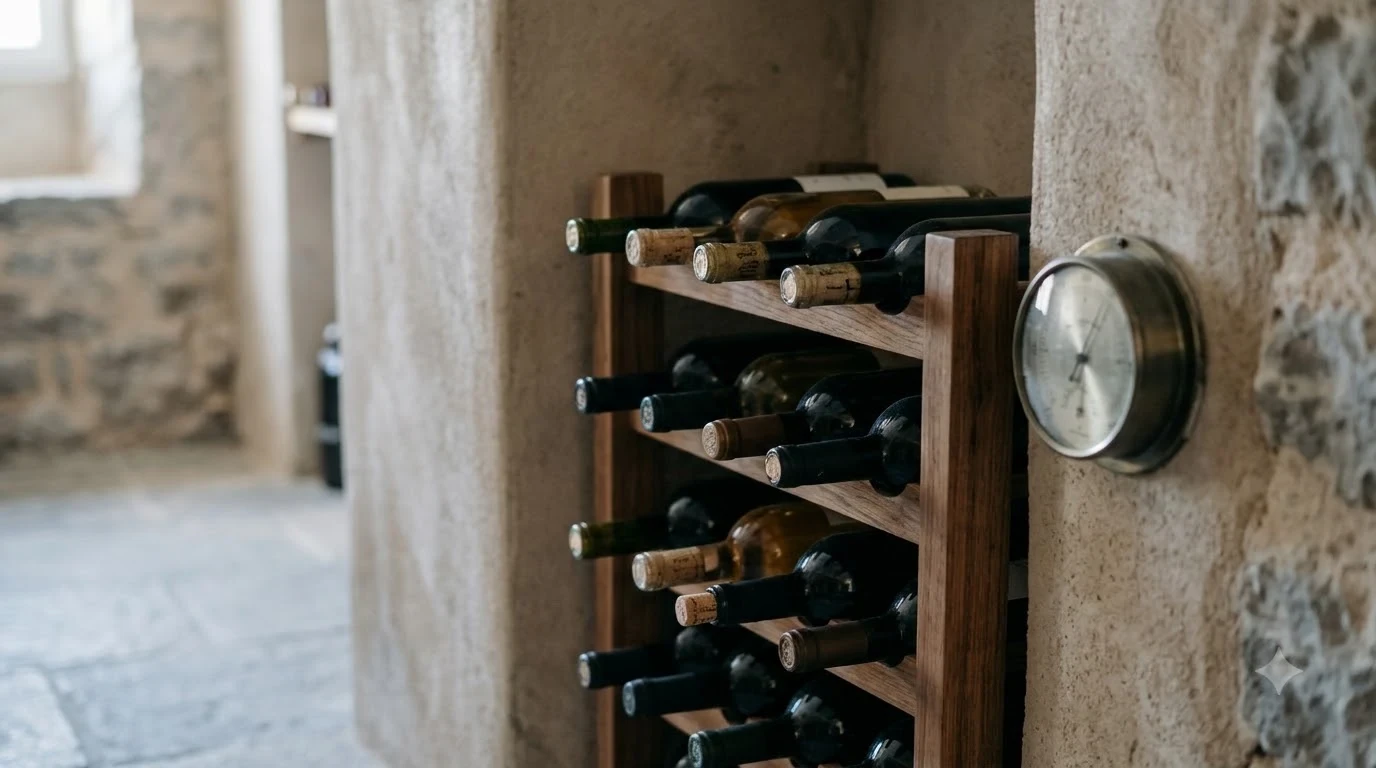
A storage temperature near 55 degrees Fahrenheit is a useful target for wines intended for longer-term keeping. Avoid locations with frequent temperature changes, direct sunlight, or excessive heat. A dark, stable wine cabinet or cellar is preferable to a kitchen counter or an area near an oven.
Traditional cork-sealed bottles should generally be stored on their sides to keep the cork in contact with the wine. This helps reduce the chance of the cork drying out. Bottles with alternative closures can be stored according to the closure and producer’s recommendations.
Humidity also matters. A moderately humid storage environment helps maintain cork condition, while excessive dampness can damage labels and encourage mold on external surfaces. Stable conditions are more important than chasing a perfect number for every storage variable.
Serve red wines at suitable temperatures
Full-bodied Cabernet Sauvignon is best served around 60 to 65 degrees Fahrenheit rather than at a warm room temperature. Excessive warmth can make alcohol feel more prominent and reduce the impression of freshness.
Light-bodied reds are generally better around 55 to 60 degrees Fahrenheit. Merlot may benefit from this slightly cooler approach if the bottle has a softer structure and is being served with poultry or lighter meat dishes.
Allow young Cabernet Sauvignon to breathe
Young, structured Cabernet Sauvignon may benefit from 30 to 60 minutes of decanting. Exposure to air can help open the wine’s aromas and soften the initial impression of firm tannin.
Decanting is not mandatory for every bottle. Older wines may be more delicate, and prolonged exposure to air can reduce their freshness. For an older vineyard-designated Cabernet, careful pouring and a shorter period of aeration may be more appropriate.
Serve white wines cooler
Light white wines and Sauvignon Blanc are generally served around 45 to 50 degrees Fahrenheit. Fuller-bodied Chardonnay is better around 50 to 55 degrees Fahrenheit, allowing its aromas and texture to remain expressive.
A wine served directly from a very cold refrigerator may initially seem muted. Allowing it to warm slightly in the glass can make its fruit and aromatic characteristics easier to appreciate.
Preserve opened bottles
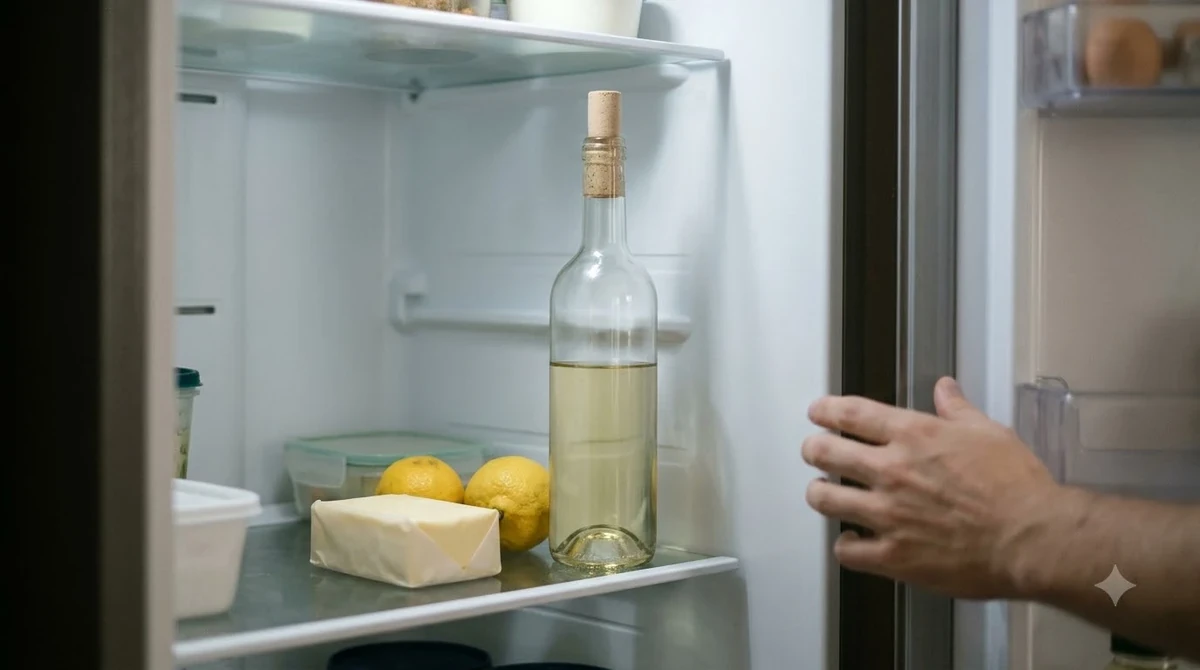
Refrigeration helps slow oxidation after opening, even for red wine. Replace the cork or use a suitable wine stopper and store the bottle upright in the refrigerator when practical.
As general guidelines, sparkling wines usually remain enjoyable for one to three days with an appropriate stopper, while still wines commonly last three to five days after opening. Actual longevity depends on the wine’s condition, exposure to oxygen, storage temperature, and how much wine remains in the bottle.
For a special bottle of Stags Leap Cabernet Sauvignon, avoid opening it too far in advance. Pouring a measured serving of approximately five ounces also makes it easier to enjoy the wine at a comfortable pace and assess its development in the glass.
Frequently Asked Questions
Is Stags Leap the same as Stags Leap District?
No. Stags Leap District is the American Viticultural Area, while Stags’ Leap Winery and Stag’s Leap Wine Cellars are individual wine producers. The district includes multiple wineries and vineyards, so a district wine does not necessarily come from either of those two producers.
Why is the 1973 Stag’s Leap Wine Cellars Cabernet Sauvignon famous?
It won the red wine category at the 1976 Judgment of Paris, a blind tasting that brought international attention to California wine. The original wine came from the S.L.V. vineyard, whose vines had been planted in 1970. The bottle later became part of the Smithsonian National Museum of American History collection.
What does the name CASK 23 refer to?
CASK 23 is the name of one of Stag’s Leap Wine Cellars’ three estate Cabernet Sauvignons. It belongs to the Estate Collection alongside FAY and S.L.V. Buyers interested in the winery’s estate program can compare these three labels to understand its different vineyard expressions.
What is the difference between a vineyard-designated wine and a varietal wine?
A varietal wine identifies its principal grape variety, such as Cabernet Sauvignon, while a vineyard-designated wine identifies a particular vineyard as its source. In the United States, a varietal label generally requires at least 75 percent of the named grape, subject to applicable rules. Vineyard designation communicates geographical origin rather than simply the grape composition.
Does the Stags Leap District produce wines other than Cabernet Sauvignon?
Yes. Merlot, Petite Sirah, and other red Bordeaux varieties are part of the area’s wine-growing identity, and individual producers also offer white wines. Chardonnay and Sauvignon Blanc are examples in the Stag’s Leap Wine Cellars Napa Valley Collection. The district’s Cabernet Sauvignon reputation does not mean every winery produces exclusively red wine.
Stags Leap is a compelling place to explore if Napa Valley Cabernet Sauvignon, vineyard history, and structured California wines are priorities. Start by distinguishing Stags’ Leap Winery from Stag’s Leap Wine Cellars, then compare the appellation, grape variety, and vineyard origin before choosing a bottle. Whether the goal is an approachable Napa Valley wine or a distinctive estate Cabernet Sauvignon, understanding those differences makes the selection considerably more rewarding.
More in Wine Brands
 Underwood Wine Price: Compare Bottles, Cans, and Pack SizesUpdated Nov 21, 2026
 Zenato Wine Price: Compare Styles and Choose the Right BottleUpdated Nov 21, 2026
 Zuccardi Wine Price: Compare Bottles and Find the Right RangeUpdated Nov 21, 2026
 Yellow Tail Moscato Review: Taste, Sweetness and Serving TipsUpdated Nov 21, 2026
 Wolf Blass Yellow Label Review: Choose Your Best StyleUpdated Nov 21, 2026
 Wolffer Estate Rose Review: Choose the Right Bottle for Your TableUpdated Nov 21, 2026