

We may earn a commission when you buy through links on this page, at no extra cost to you. Learn more.
This silver oak cabernet review finds that Silver Oak is a strong choice for Cabernet Sauvignon drinkers who enjoy ripe dark fruit, recognizable American oak character, polished tannins, and wines released with substantial aging already completed. The winery makes two principal Cabernet Sauvignon bottlings: Alexander Valley, which generally emphasizes brighter fruit and freshness, and Napa Valley, which offers greater density and concentration. Choosing between them depends more on your preferred style, occasion, and drinking plans than on assuming one region automatically produces the better wine.
Silver Oak has built its reputation around a distinctive approach to California Cabernet Sauvignon. Its use of American oak, early blending, and extended maturation gives the wines a recognizable house style, while the differences between Napa Valley and Alexander Valley provide two distinct expressions of the grape. Understanding those differences makes it easier to select a bottle that fits a dinner, celebration, or developing wine collection.
Who Should Buy Silver Oak Cabernet Sauvignon
Silver Oak is particularly appealing to drinkers who enjoy Cabernet Sauvignon with dark fruit, noticeable oak influence, and a structured but polished finish. Its extended maturation program also makes it attractive to people who prefer a mature-feeling bottle without having to store every purchase for another decade.
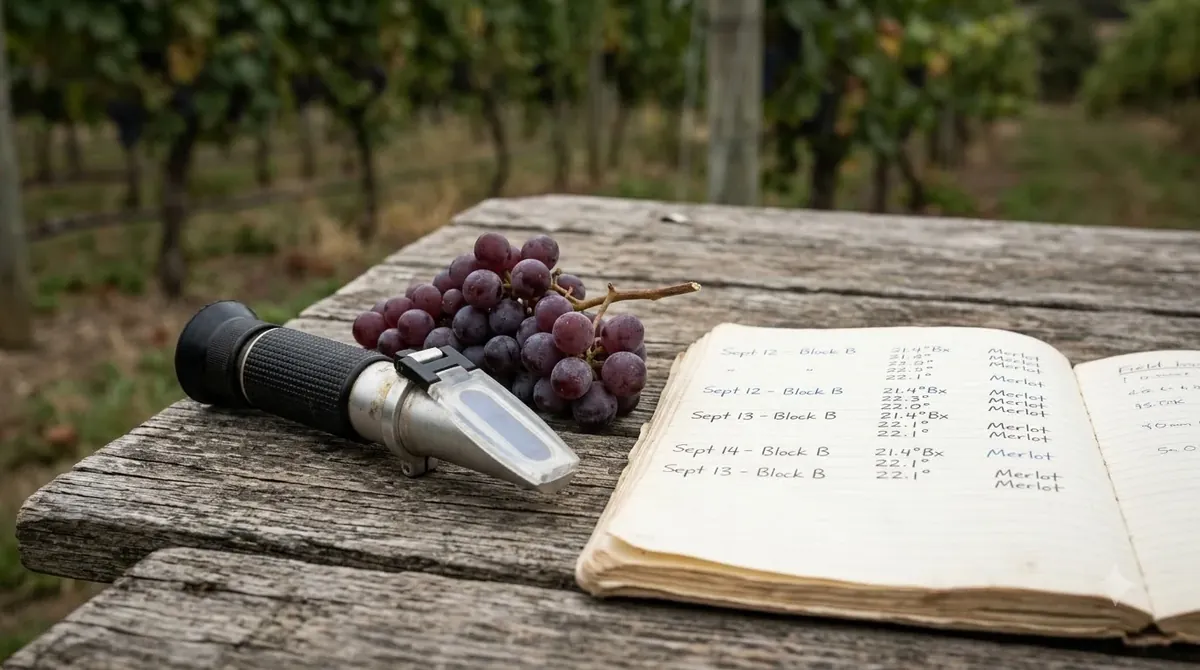
The brand’s defining characteristic is consistency of style rather than an attempt to make every vintage taste dramatically different. Silver Oak uses Cabernet Sauvignon as its central focus and maintains a recognizable combination of American oak, fruit concentration, and carefully integrated tannins. Its winemaking philosophy is built around producing wines that are enjoyable upon release while retaining the structure needed for further development.
This approach makes Silver Oak a reasonable choice for several types of wine drinkers:
- Classic Cabernet enthusiasts: People who enjoy black cherry, blackberry, cassis, vanilla, cedar, and savory spice will recognize familiar characteristics in both regional bottlings.
- Special-occasion buyers: The recognizable label and substantial maturation period make these wines suitable for anniversaries, holiday dinners, milestone celebrations, and formal gifts.
- American oak enthusiasts: Drinkers who appreciate vanilla, baking spice, cedar, and oak-derived complexity will find Silver Oak’s house style particularly interesting.
- Collectors: Buyers interested in keeping Cabernet Sauvignon for several years can consider the winery’s stated aging potential of 25 years or longer under appropriate storage conditions.
- People who prefer ready-to-drink wines: Silver Oak holds bottles back before release, reducing the need for buyers to provide all the maturation themselves.
However, Silver Oak is not an automatic match for every Cabernet drinker. Someone who prefers inexpensive, fruit-only reds, very restrained oak, or highly tannic young wines may find its polished style less appealing. Drinkers who prefer lean, delicate Pinot Noir may also find the structure and weight of Cabernet Sauvignon more substantial than they want.
Silver Oak also makes more sense as a deliberate purchase than as an introductory bottle for someone who has never explored California Cabernet. Its style is specific enough that trying a glass or tasting both regional bottlings before committing to a bottle can help establish personal preferences.
Key Factors to Compare Before Buying
The most useful buying criteria are appellation, fruit profile, blend composition, oak treatment, and maturation time. Silver Oak’s two principal Cabernets share a production philosophy, but their differences in regional character and grape composition create noticeably different drinking experiences.
| Buying factor | Alexander Valley | Napa Valley |
|---|---|---|
| General style | Brighter, fresher, more approachable | Darker, denser, more concentrated |
| Typical Cabernet Sauvignon proportion | 95% or more | Approximately 80% |
| Other blending grapes | Merlot, Cabernet Franc, Petit Verdot | Merlot, Cabernet Franc, Petit Verdot, Malbec |
| Barrel aging | 24 months | 24 months |
| General maturation before release | Approximately four years | Approximately five years |
| Characteristic fruit | Cherry, raspberry, red currant | Black cherry, blackberry, cassis |
| Additional flavor characteristics | Sage, thyme, vanilla, cedar | Tobacco, mocha, pepper, spice |
| Best suited to | Roast meats, grilled poultry, casual celebrations | Rich steaks, lamb, formal dinners |
The figures in this comparison reflect Silver Oak’s published descriptions of its regional wines. In particular, the winery identifies approximately 24 months of barrel aging for both bottlings, while its regional tasting pages describe four years of maturation for Alexander Valley and five years for Napa Valley. Actual blends and release characteristics vary by vintage.
Appellation is the first decision. Alexander Valley is part of Sonoma County, while Napa Valley is a separate California wine appellation. The Mayacamas Mountains separate the two regions. Silver Oak describes Napa’s generally warmer conditions and selected mountain fruit as contributing to the greater density and structure of its Napa Cabernet.
Alexander Valley has a different balance of fruit and acidity. Silver Oak uses fruit from different parts of the appellation, including vineyards influenced by cooler conditions, to develop a fresher expression. The resulting wine can have considerable flavor intensity without feeling as dense as the Napa bottling.
Oak treatment is the second major consideration. Silver Oak’s American oak program is central to its identity. Vanilla, cedar, baking spice, and sometimes coconut-like impressions can complement the fruit. This is a more recognizable oak signature than buyers seeking a very neutral-barrel style might prefer.
For a concrete vintage comparison, the winery’s 2019 Alexander Valley Cabernet contained 95.2% Cabernet Sauvignon, while its 2019 Napa Valley Cabernet contained 76.61%. The Napa blend included 18.13% Merlot, whereas the Alexander Valley blend contained only 1.9% Merlot. Those differences illustrate why the regional wines can feel distinct even though they share a producer.
For a closer look at the producer’s regional expressions, the Silver Oak Cabernet overview provides a useful starting point before choosing a specific appellation.
Step-by-Step: How to Choose the Right Bottle
A straightforward buying process prevents confusion between the two regional wines and helps match the bottle to its intended use. Start with the flavor profile you prefer, then consider the vintage, occasion, and serving plan.
-
Decide whether you prefer brighter or denser Cabernet.
Choose Alexander Valley if cherry, raspberry, red currant, fresh acidity, and a more flowing texture appeal to you. Choose Napa Valley if black cherry, cassis, blackberry, tobacco, and a fuller, more concentrated structure sound more attractive.
-
Consider the role of American oak.
Both bottlings use American oak, so neither is an oak-free alternative. If vanilla, cedar, and baking spice are welcome parts of your Cabernet experience, Silver Oak’s approach should be appealing. If you prefer fruit with very little noticeable oak character, consider whether this producer’s house style matches your taste.
-
Look at the vintage and blend composition.
Different growing seasons influence fruit concentration, acidity, and tannin. Silver Oak publishes vintage-specific compositions and tasting descriptions. For example, its 2019 Alexander Valley wine contained 95.2% Cabernet Sauvignon, while the 2019 Napa wine contained 76.61% Cabernet Sauvignon. These figures show why checking individual vintage information can be useful.
-
Match the wine to the meal.
For grilled burgers, roast beef, or herb-seasoned lamb, either regional bottling can work. For a particularly rich steak dinner or a formal meal built around beef tenderloin, the more concentrated Napa expression may be the better stylistic match. Alexander Valley can be an excellent choice when the menu includes roast poultry, mushrooms, or moderately rich grilled meats.
-
Choose the drinking timeline.
Silver Oak’s wines are intended to be approachable upon release, but they can also develop with further bottle aging. If the wine is for an immediate celebration, select a released vintage and plan to serve it appropriately. If you are buying for a future anniversary, consider the winery’s published aging guidance and your storage conditions.
-
Plan the serving temperature.
Full-bodied red wines are generally best served around 60 to 65 degrees Fahrenheit. A bottle served at a typical warm room temperature can emphasize alcohol and oak while making the fruit seem less balanced. A short period of cooling can improve the overall presentation.
-
Allow time for the wine to open.
A younger, full-bodied Cabernet can benefit from 30 to 60 minutes of decanting. Older bottles require more careful handling because sediment and age-related changes can make excessive aeration counterproductive. Decide how much time to allow based on the wine’s age and condition.
Tip: If you are uncertain which Silver Oak Cabernet to buy, start with Alexander Valley for a brighter, more approachable expression and choose Napa Valley when you want greater concentration and structure. Comparing the two side by side is an especially useful way to understand the producer’s style.
It is also sensible to think about how the bottle will be consumed. A wine served at a large dinner may be poured over an extended period, while a bottle opened for two people at home may need refrigeration after the first evening. Planning the occasion makes it easier to select a suitable vintage and avoid opening an older bottle too early or too late.
Silver Oak Cabernet Styles Explained
Silver Oak’s two main Cabernet Sauvignon bottlings are the Alexander Valley and Napa Valley wines. Both share the producer’s American oak influence and extended maturation philosophy, but their fruit profiles, blending proportions, and overall structure offer different reasons to buy them.
Alexander Valley Cabernet Sauvignon
The Alexander Valley bottling is generally the more approachable expression for buyers who appreciate fruit freshness and a balanced structure. Wine Enthusiast describes aromas of sage and thyme alongside wild strawberry, raspberry, and plum. Its profile emphasizes fresh acidity, medium body, and tightly knit tannins rather than sheer weight.
The winery’s 2019 tasting description adds red cherry, blackberry, iris, vanilla, and clove. Black currant and warm baking spices provide further complexity, while the acidity gives the mid-palate lift. This combination makes the wine suitable for people who enjoy Cabernet Sauvignon but do not necessarily want the densest or most powerful example available.
The independent Wine Enthusiast profile of Silver Oak also distinguishes the Alexander Valley wine’s bright red-fruit character from the more concentrated Napa expression, making it useful for comparing the two regional styles.
Alexander Valley also has a high proportion of Cabernet Sauvignon in its blend. Silver Oak’s regional explanation identifies the wine as typically containing at least 95% Cabernet Sauvignon. This gives it a relatively direct varietal identity, with smaller quantities of other Bordeaux grapes used to adjust the overall balance.
The 2022 Alexander Valley Cabernet provides a useful recent example. Silver Oak lists 95% Cabernet Sauvignon, 2% Cabernet Franc, 2% Petit Verdot, and 1% Merlot, with an alcohol content of 14.6%. Its published tasting profile includes strawberry, cherry, vanilla, cedar, and nutmeg, with silky tannins and lively acidity.
Napa Valley Cabernet Sauvignon
The Napa bottling is generally the better option for drinkers seeking more concentration, darker fruit, and a fuller impression on the palate. Wine Enthusiast describes cassis and blackberry alongside tobacco and spice, with a dense structure and fine-grained tannins. Its profile is more powerful than the Alexander Valley wine without abandoning the producer’s emphasis on polish.
Silver Oak’s 2019 Napa Cabernet offers another illustration. Its published notes identify black cherry and floral aromas, a fruit-forward entry, silky tannins, and a blend containing 76.61% Cabernet Sauvignon. Merlot accounts for 18.13%, with smaller amounts of Cabernet Franc, Petit Verdot, and Malbec.
Those blending proportions help explain why the Napa wine can feel more layered. Merlot and the other varieties contribute different fruit, texture, and structural elements alongside the Cabernet Sauvignon. The resulting wine is not simply a stronger version of Alexander Valley; it is a different interpretation of the producer’s overall style.
Understanding the Vintage Differences
Vintage variation is important even when a producer maintains a consistent winemaking philosophy. Weather during the growing season influences berry size, ripeness, acidity, and the balance between fruit and tannin. Consequently, one year’s Alexander Valley Cabernet may feel more concentrated than another year’s, and Napa vintages can differ in their degree of ripeness and structure.
Silver Oak’s official tasting notes provide useful comparisons across multiple vintages. For example, the 2018 Alexander Valley Cabernet features cassis, caramel, juniper, and pomegranate, while the 2019 wine emphasizes red cherry, raspberry, blackberry, and baking spices. Those differences show why it is useful to consider the actual vintage rather than expecting identical flavor notes in every bottle.
For readers comparing flavor characteristics more closely, the Silver Oak Cabernet tasting notes offer additional detail about the aromas, fruit profiles, and structure associated with individual releases.
Common Buying and Serving Mistakes
Most disappointing Silver Oak purchases result from choosing the wrong regional style, misunderstanding the oak influence, or serving the wine under unsuitable conditions. A few simple precautions can make a substantial difference to the experience.
Assuming Napa Is Automatically Better
Napa Valley has a strong reputation for powerful Cabernet Sauvignon, but that does not make every Napa bottle a better purchase for every drinker. Alexander Valley offers a different balance, often with brighter fruit and a more approachable structure. Someone who prefers freshness and a medium-bodied impression may enjoy Alexander Valley more than the denser Napa bottling.
The winery itself emphasizes that neither regional Cabernet is inherently superior. The choice depends on the drinker’s preferred flavor profile. Comparing the two styles is more useful than treating appellation as a simple quality ranking.
Expecting an Unmistakably Neutral Oak Profile
American oak is a defining part of Silver Oak’s identity. It contributes aromas and flavors associated with vanilla, cedar, and baking spice. These characteristics complement the fruit, but buyers who strongly dislike oak influence should understand that it is central to both principal Cabernet bottlings.
Oak should also be considered in relation to the vintage. Fruit concentration, acidity, and tannin can change how noticeable the oak seems. A wine with abundant dark fruit may integrate its oak character differently from a lighter or more restrained vintage.
Serving Cabernet Too Warm
Full-bodied red wine is often served too warm because people assume room temperature is ideal. In a warm dining room, this can exaggerate alcohol and make the wine seem heavier. A serving temperature around 60 to 65 degrees Fahrenheit generally provides a better balance for Silver Oak Cabernet.
Cooling the bottle briefly before opening can help. Avoid serving it directly from a refrigerator at very cold temperatures, however, because excessive chilling can mute aromas and make tannins seem firmer.
Decanting Every Vintage for the Same Amount of Time
Decanting is useful for some younger Cabernet Sauvignons, but it is not a universal requirement. A young, full-bodied wine may benefit from 30 to 60 minutes of aeration. Older bottles, especially those with significant sediment, need a more cautious approach.
Excessive aeration can cause an older wine to lose its freshness. Instead of automatically opening every bottle hours before dinner, assess the vintage and allow the wine to develop gradually in the glass.
Buying an Older Bottle Without Considering Storage
Older Cabernet Sauvignon can be rewarding, but the vintage alone cannot guarantee a successful bottle. Storage temperature, light exposure, cork condition, and previous handling all affect how well a wine ages. A bottle stored in a hot kitchen cabinet is unlikely to develop as predictably as one kept in a suitable cellar.
For an older Silver Oak release, purchase history and storage provenance are particularly important. A properly maintained younger vintage may offer a more satisfying experience than an older bottle that has spent years in unsuitable conditions.
Serving, Food Pairing, and Storage Tips
Silver Oak Cabernet works best when serving temperature, glassware, food, and storage conditions support its fruit and tannin structure. Full-bodied red wines generally benefit from moderate cooling, substantial food pairings, and a stable storage environment.
Recommended Serving Conditions
Serve Silver Oak Cabernet at approximately 60 to 65 degrees Fahrenheit. This range allows the wine to express its fruit and oak character without becoming excessively warm or losing its aromatic intensity. If the bottle has been stored at room temperature in a warm environment, a short period of refrigeration can bring it closer to the preferred range.
Use a reasonably large red wine glass with enough room to swirl the wine. A wider bowl helps release aromas of black cherry, blackberry, vanilla, cedar, and spice. A standard serving is 5 ounces, and a 750 ml bottle provides approximately five such glasses.
For younger full-bodied releases, decanting for 30 to 60 minutes can help soften the initial impression and encourage aromatic development. Older wines should be approached more carefully, particularly if sediment is present. Pouring slowly and leaving the final sediment-containing portion in the bottle helps keep the wine clear.
Food Pairings
Cabernet Sauvignon’s tannin and concentrated fruit make it a natural match for rich proteins and savory dishes. Salt and fat can soften the perception of tannin, while roasted and grilled flavors complement the wine’s oak-derived characteristics.
- Grilled ribeye: The fat in ribeye softens Cabernet’s tannins, while the charred exterior complements cedar and baking spice.
- Beef tenderloin: Its relatively delicate texture works particularly well with a polished Napa Valley Cabernet.
- Roast lamb: Rosemary, thyme, and roasted garlic complement the herbal notes found in Alexander Valley Cabernet.
- Short ribs: Slow-cooked beef provides the richness and savory depth needed to match a concentrated red wine.
- Mushroom dishes: Roasted mushrooms, mushroom risotto, and mushroom-based sauces can complement earthy and savory characteristics.
- Aged hard cheese: Aged cheddar and similar cheeses provide savory intensity and enough richness to balance the wine’s structure.
Some dishes are less suitable. Very spicy food can make alcohol and tannin seem more aggressive, while oily fish can clash with the structure of tannic reds. For a meal featuring chili heat or delicate seafood, a different wine style may be more appropriate.
Storage and Open-Bottle Care
Store unopened bottles on their sides in a dark, stable environment near 55 degrees Fahrenheit. Consistent temperature matters more than achieving an exact number for a short period. Avoid locations near ovens, radiators, windows, or appliances that generate heat and vibration.
Silver Oak’s stated aging potential of 25 years or longer assumes appropriate cellaring conditions. This is an indication of the wines’ structural capacity, not a guarantee that every vintage or bottle will reach the same level of development. Bottle condition and storage history remain important considerations.
After opening, reseal the bottle and refrigerate it. Most opened still wines remain in reasonable condition for approximately three to five days, although freshness declines over time. Allow refrigerated red wine to warm slightly before serving again so its aromas are not muted.
For a longer-term collection, organize bottles by appellation and vintage. Keeping a record of purchase dates and intended drinking periods makes it easier to monitor older wines and avoid leaving bottles forgotten in storage.
Frequently Asked Questions
Is Silver Oak Cabernet Sauvignon made entirely from Cabernet Sauvignon?
No. Although Cabernet Sauvignon is the central grape, both regional bottlings can include smaller quantities of other Bordeaux varieties. The 2019 Napa blend, for example, included Merlot, Cabernet Franc, Petit Verdot, and Malbec. The precise proportions depend on the vintage.
Does Silver Oak own its own cooperage?
Silver Oak operates its own cooperage, called The Oak, which supplies American oak barrels for its winemaking program. The winery describes this as an important part of maintaining its signature barrel-aging approach. Its attention to barrel production gives the oak program a more direct connection to the producer’s overall style.
Who is Silver Oak’s current winemaker?
Silver Oak identifies Laura Oskwarek as its current winemaker, following the tenures of Justin Meyer, Daniel Baron, and Nate Weis. The winery describes a history of just four winemakers across more than five decades. That continuity is part of its approach to maintaining a recognizable Cabernet Sauvignon style.
Does Silver Oak make Cabernet Sauvignon in large-format bottles?
Yes. Silver Oak has offered larger formats beyond the standard 750 ml bottle, including 1.5-liter magnums and 3-liter bottles. Larger formats can be useful for celebrations and group dinners, and wine generally develops more slowly in larger bottles under comparable storage conditions.
Can Silver Oak Cabernet be enjoyed without decanting?
Yes. Decanting is optional rather than a requirement, and Silver Oak specifically aims to make its wines approachable upon release. Some young vintages benefit from aeration, but a properly stored bottle can be served directly into glasses and allowed to develop gradually. Older bottles may require decanting primarily to separate sediment.
Silver Oak Cabernet Sauvignon is a compelling option for drinkers who appreciate California Cabernet with American oak character, polished structure, and substantial maturation before release. Alexander Valley is the more natural starting point for brighter fruit and freshness, while Napa Valley suits buyers seeking greater concentration and depth. Comparing the two regional expressions is the most reliable way to decide which Silver Oak bottle deserves a place at your next dinner or celebration.
More in Wine Brands
 Underwood Wine Price: Compare Bottles, Cans, and Pack SizesUpdated Nov 21, 2026
 Zenato Wine Price: Compare Styles and Choose the Right BottleUpdated Nov 21, 2026
 Zuccardi Wine Price: Compare Bottles and Find the Right RangeUpdated Nov 21, 2026
 Yellow Tail Moscato Review: Taste, Sweetness and Serving TipsUpdated Nov 21, 2026
 Wolf Blass Yellow Label Review: Choose Your Best StyleUpdated Nov 21, 2026
 Wolffer Estate Rose Review: Choose the Right Bottle for Your TableUpdated Nov 21, 2026