

We may earn a commission when you buy through links on this page, at no extra cost to you. Learn more.
The santa rita wine price ranges from approximately $6 to more than $100 per 750 ml bottle in the US, depending on the collection, wine style, vintage, and retailer. Santa Rita 120 is generally the entry-level choice for everyday drinking, while Secret Reserve and Medalla Real offer more premium options. At the upper end, Casa Real Cabernet Sauvignon and Triple C appeal to buyers looking for more prestigious Chilean wines. Comparing the individual collections is the easiest way to find a bottle that matches your budget and occasion.
Santa Rita is a Chilean winery with a portfolio that covers considerably more ground than its familiar 120 range. Its wines include approachable Cabernet Sauvignon and Sauvignon Blanc, structured Reserva and Gran Reserva bottlings, and higher-tier wines intended for more selective purchases. That range makes it useful to compare individual labels rather than assume every Santa Rita bottle belongs to the same price category.
Who Should Consider Santa Rita Wine?
Santa Rita is worth considering for shoppers who want Chilean wine across several spending levels without having to change producers. Its portfolio includes approachable varietal wines, recognizable Cabernet Sauvignon and Carmenere bottlings, and more ambitious blends such as Triple C. The right collection depends on whether the priority is everyday value, a more structured dinner wine, or a bottle for a special occasion.
Budget-conscious shoppers will generally find the 120 collection the most accessible starting point. The range includes familiar varieties such as Cabernet Sauvignon, Carmenere, Sauvignon Blanc, and Chardonnay. These are useful choices for casual dinners, weeknight meals, and informal gatherings where a straightforward, food-friendly wine makes more sense than a prestige label.
Buyers who enjoy exploring Chilean wine beyond entry-level bottles should also consider Secret Reserve and Medalla Real. These collections offer a way to compare different expressions of familiar grapes, including Cabernet Sauvignon, Syrah, and Chardonnay. Someone who already enjoys the fruit-forward character of a 120 Cabernet Sauvignon may appreciate the additional structure found in a more premium bottling.
At the other end of the portfolio, Casa Real and Triple C are more appropriate for collectors, enthusiasts, and people choosing wine for a significant meal. These wines occupy a different purchasing category from the everyday selections. They are better evaluated by their specific vintage, style, and provenance than by comparing their prices directly with an entry-level varietal.
Shoppers who are still learning about Chilean producers can also browse our broader Wine Brands resource to understand how different wineries organize their portfolios. Santa Rita is particularly interesting because its collections make the progression from accessible varietal wines to premium bottlings relatively easy to understand.
Key Factors That Determine Santa Rita Wine Price
The main factors affecting the cost of a Santa Rita bottle are its collection, grape variety, vintage, and retail availability. Bottle size and retailer location also matter, so comparing identical wines is more useful than comparing two labels simply because they share the Santa Rita name.
The collection is usually the first distinction to make. The 120 range occupies an accessible position, while Secret Reserve and Medalla Real sit higher in the portfolio. Casa Real and Triple C belong to the premium end. This difference in positioning helps explain why two wines from the same producer can have substantially different retail values.
Grape variety also affects the buying decision. Cabernet Sauvignon is a familiar choice for people who enjoy structured reds, while Carmenere offers a distinctly Chilean alternative with dark fruit and savory characteristics. Sauvignon Blanc provides a brighter white-wine option, and Chardonnay is suitable for shoppers looking for a rounder white style.
Vintage is another important consideration, especially for premium bottles. Different harvests can produce different expressions of a wine, and older bottles may be priced differently from recent releases. Caveau’s Santa Rita price tracking, for example, covers Casa Real Cabernet Sauvignon vintages from 2007 through 2020, illustrating why a wine’s name alone does not establish its value.
| Collection or wine | Typical US retail range | Positioning | Best buying purpose |
|---|---|---|---|
| 120 Cabernet Sauvignon | About $6–$18 | Entry-level | Everyday red wine |
| 120 Carmenere | About $7–$10 | Entry-level | Casual meals and grilled food |
| Secret Reserve | About $7–$20 | Mid-range | More varied everyday selections |
| Medalla Real | About $12–$30 | Premium | Dinner and special meals |
| Triple C | About $34–$46 | High-end blend | Enthusiasts and special occasions |
| Casa Real Cabernet Sauvignon | About $80–$130 | Ultra-premium | Collectors and premium wine buyers |
Price methodology: The 120 Cabernet Sauvignon range is based on VinoAlert’s recorded US retail listings, while its typical non-vintage price is approximately $7.99 per bottle. The 120 Carmenere and Medalla Real figures are broad shopping estimates informed by GotoLiquorStore’s listings. The Secret Reserve range is an indicative comparison rather than a verified universal market range. Caveau reports $34 to $46 for Triple C and $80 to $130 for Casa Real Cabernet Sauvignon across the vintages it tracks. All figures refer to approximate 750 ml retail comparisons, not guaranteed prices. Prices vary by state and retailer. For its pricing methodology and vintage-specific comparisons, see Caveau’s Santa Rita wine listings.
Retailer coverage is particularly important for wines that are not stocked everywhere. A bottle may be listed by a national retailer in one state but unavailable in another. Comparing the same collection and vintage helps avoid confusing differences in availability with differences in wine quality.
Step-by-Step: How to Choose the Right Santa Rita Bottle
A good purchase starts with a budget and a clear idea of the wine style you enjoy. Following a few simple steps makes it easier to narrow Santa Rita’s portfolio without paying for a premium label that does not suit the occasion.
-
Set your spending limit.
Start by deciding how much you want to spend on a 750 ml bottle. If you want an uncomplicated everyday red, begin with 120 Cabernet Sauvignon or Carmenere. If you are buying for a more formal dinner, compare Secret Reserve and Medalla Real before considering higher-tier bottles.
-
Choose red or white.
For red wine, look at Cabernet Sauvignon, Carmenere, Merlot, or Syrah. For white wine, start with Sauvignon Blanc or Chardonnay. The grape matters because it determines much of the wine’s acidity, tannin, body, and suitability for food.
-
Identify the collection.
Use the collection name to understand the general position of the bottle. The 120 range is the practical entry point, Secret Reserve and Medalla Real offer alternatives at higher positioning, and Casa Real and Triple C represent more ambitious purchases.
-
Compare the same wine across retailers.
Search for the exact label, bottle size, and vintage. VinoAlert’s 120 Cabernet Sauvignon listings illustrate how several retailers can carry the same wine at different prices. A comparison involving different vintages or bottle sizes can give a misleading result.
-
Consider the meal or occasion.
Choose Cabernet Sauvignon for grilled beef or lamb, Carmenere for seasoned meats, and Sauvignon Blanc for seafood or salads. A more expensive bottle is not automatically a better match for every dish.
-
Decide whether a premium bottle is justified.
If you are buying for a celebration or a collector, consider Triple C or Casa Real. For a casual gathering, a familiar 120 or Reserva selection may be a more practical purchase.
This approach prevents a common shopping mistake: choosing a bottle because its label sounds prestigious rather than because its style and price make sense. A good Santa Rita purchase should fit both the occasion and the drinker’s preferences.
Tip: Compare Santa Rita wines by their full collection name, grape variety, vintage, and bottle size. Searching only for Santa Rita Cabernet Sauvignon can produce results from 120, Reserva, Medalla Real, and Casa Real, which occupy very different price categories.
Santa Rita Wine Collections and Styles Explained
Santa Rita’s portfolio is broad enough to accommodate several types of wine drinkers. Understanding the differences between its collections is more helpful than treating the brand as one uniform range.
120 Reserva Especial
The 120 collection is the natural starting point for shoppers interested in accessible Chilean wine. It includes red and white varietals, making it possible to compare several grape styles without moving to a different producer.
The Cabernet Sauvignon is particularly recognizable for its red and black fruit character, with spice, vanilla, cloves, and tobacco notes described in H-E-B’s product information. The retailer also describes its tannins as smooth and its finish as fresh and juicy. These characteristics make it a practical choice for people who enjoy approachable Cabernet Sauvignon. H-E-B’s Santa Rita 120 Cabernet Sauvignon product description provides additional detail about its stated flavor profile.
The collection also includes Carmenere, Sauvignon Blanc, and Chardonnay. The Carmenere is an interesting alternative to Cabernet Sauvignon for drinkers who want a different expression of Chilean red wine. Sauvignon Blanc is a better option for shoppers who prefer fresh acidity and citrus-oriented white wines.
Secret Reserve
Secret Reserve provides another step within Santa Rita’s portfolio. Its varietal and blended offerings give shoppers a way to explore different grape combinations and styles while remaining within the producer’s recognizable range.
Cabernet Sauvignon and Sauvignon Blanc are particularly useful reference points for buyers comparing red and white wines. The red selections suit people who enjoy darker fruit and more substantial structure, while the white wines provide an alternative for lighter meals and warmer weather.
Medalla Real
Medalla Real occupies a more premium position than 120. Its portfolio includes Reserva and Gran Reserva selections, along with a Gold Medal category. This collection is worth examining when a shopper wants a more considered dinner wine rather than a basic everyday bottle.
Cabernet Sauvignon is a sensible starting point for red-wine drinkers, while Chardonnay offers a different option for people who prefer white wine. The Gran Reserva designation is a useful distinction within the collection, but the specific wine and vintage should still guide the buying decision.
Triple C and Casa Real
Triple C is a higher-end red blend associated with Santa Rita’s premium portfolio. It is particularly relevant to buyers who enjoy Bordeaux-style blends rather than single-varietal Cabernet Sauvignon. Its more substantial position makes it a different proposition from the 120 range.
Casa Real Cabernet Sauvignon is another premium selection. It is the bottle to investigate when the goal is a more prestigious Santa Rita wine, particularly for buyers interested in vintage-specific comparisons. These labels should not be judged by the same expectations as inexpensive everyday wines.
For a more focused look at the producer’s portfolio, our Santa Rita wine overview provides additional context about the brand and its different collections.
Common Mistakes When Comparing Santa Rita Prices
The biggest mistake is assuming that every Santa Rita wine should fall within the same budget. The producer sells everything from approachable varietal wines to premium Cabernet Sauvignon and Bordeaux-style blends, so a single average price cannot accurately represent the portfolio.
Another mistake is comparing wines without considering their grape varieties. Cabernet Sauvignon, Carmenere, Merlot, and Syrah can offer very different experiences even when they occupy similar retail categories. A Cabernet Sauvignon drinker who prefers firm tannins may not enjoy a softer Merlot as much, regardless of which bottle costs more.
Vintage comparisons can also be misleading. An older bottle of Casa Real is not necessarily directly comparable with a recent release. Storage conditions, bottle provenance, and the condition of the wine matter when evaluating older vintages. Collectors should be particularly careful about purchasing older bottles from sellers who cannot provide useful storage information.
Shoppers should also avoid confusing a retailer’s displayed price with the total amount payable. Shipping, local taxes, and state-specific alcohol regulations can affect the final cost. A bottle listed at a lower price may not be the least expensive option after delivery charges are included.
Finally, do not assume that a higher collection designation guarantees a better personal match. A full-bodied Cabernet Sauvignon may be unsuitable for someone who prefers crisp white wine. Likewise, an expensive red blend may be unnecessary for a casual dinner where a straightforward 120 bottle would work perfectly well.
For a more detailed comparison of red options, our Santa Rita red wine resource can help narrow the selection by grape and style. Buyers who prefer lighter meals or refreshing white wines should also examine the producer’s Santa Rita white wine range.
Serving and Storage Tips for Santa Rita Wines
Serving temperature, storage conditions, and the time between opening and drinking can influence how a Santa Rita wine performs. Even an affordable bottle can be more enjoyable when served at an appropriate temperature and handled carefully.
For red wines such as 120 Cabernet Sauvignon, Carmenere, and Medalla Real Cabernet Sauvignon, a serving temperature of approximately 60 to 65 degrees Fahrenheit is a useful starting point for fuller-bodied styles. Lighter reds can be served slightly cooler, around 55 to 60 degrees Fahrenheit. Avoid serving reds excessively warm, particularly in a heated room.
White wines such as Sauvignon Blanc and Chardonnay benefit from cooler serving temperatures. Light whites are generally best around 45 to 50 degrees Fahrenheit, while fuller-bodied Chardonnay is more suitable around 50 to 55 degrees Fahrenheit. A short period in the refrigerator before serving can help bring the wine into the appropriate range.
Decanting is not essential for every Santa Rita red. A young, fuller-bodied Cabernet Sauvignon can benefit from approximately 30 to 60 minutes of aeration, especially when its tannins feel firm. Lighter reds generally need less time, and older bottles should be handled more cautiously because extended exposure to air can diminish their freshness.
Storage conditions
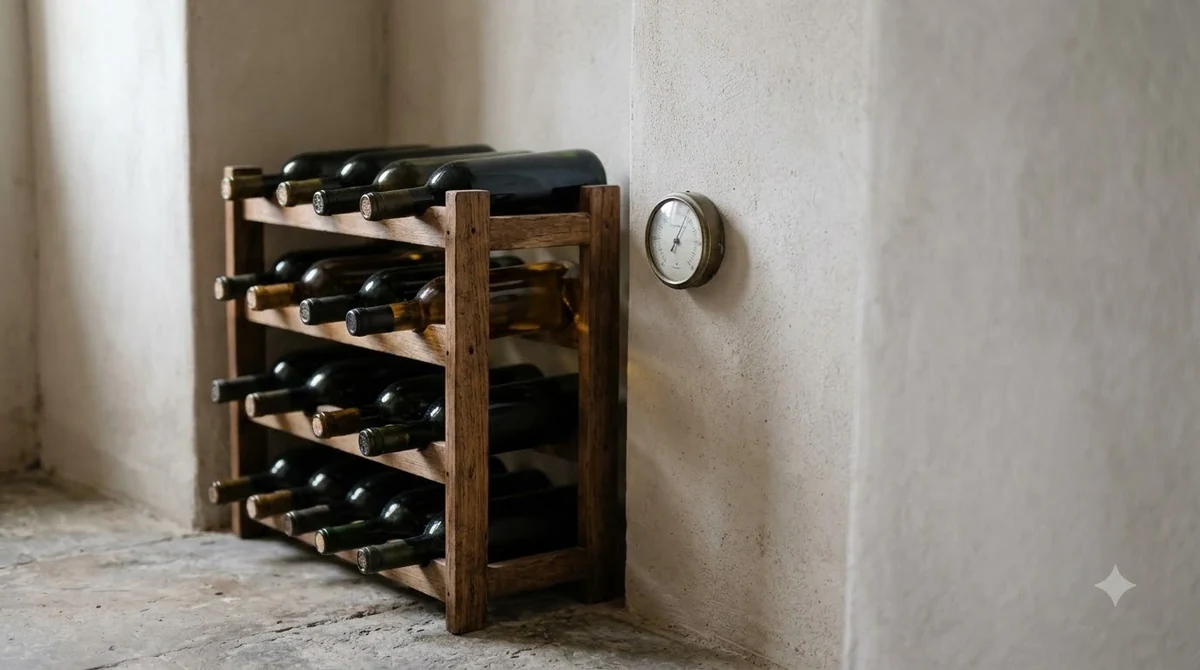
For bottles intended to be stored for more than a short period, a consistent temperature near 55 degrees Fahrenheit is a useful target. Keep bottles away from direct sunlight, strong temperature fluctuations, and locations near ovens or heating equipment. Bottles with traditional cork closures should generally be stored horizontally to keep the cork from drying out.
Opened still wines generally remain enjoyable for approximately three to five days when refrigerated and properly sealed. Keep both red and white bottles refrigerated after opening, then allow red wine to approach its preferred serving temperature before pouring. A vacuum stopper can help reduce exposure to oxygen.
For an ordinary dinner, a standard 5-ounce pour is a practical serving size. A 750 ml bottle contains approximately five such glasses, making it straightforward to estimate how many bottles are needed for a gathering.
Good storage is particularly important for premium Santa Rita selections. Buyers paying more for a vintage-specific bottle should pay attention to provenance and temperature history rather than assuming that a prestigious label guarantees excellent condition. Proper handling protects the wine’s character and helps make the purchase worthwhile.
Frequently Asked Questions
Is Santa Rita a Chilean wine brand?
Yes. Viña Santa Rita is a Chilean producer whose portfolio includes wines associated with the country’s Central Valley and other Chilean wine-growing areas. Its official collections include 120, Medalla Real, Secret Reserve, Casa Real, and Triple C.
What does the number 120 mean on Santa Rita wine?
The 120 name is associated with a historical account involving 120 patriots who reportedly found refuge at Santa Rita’s estate during Chile’s independence period. The name connects the wine collection with an important part of the winery’s historical identity rather than indicating a grape variety or bottle specification.
Does Santa Rita produce Carmenere wine?
Yes. Santa Rita’s portfolio includes Carmenere, including a 120 Reserva Especial bottling. Carmenere is an important Chilean red grape, generally associated with dark fruit, herbal notes, and a softer tannin profile than Cabernet Sauvignon.
How many glasses are in a Santa Rita 750 ml bottle?
A standard 750 ml bottle provides approximately five 5-ounce servings. The actual number depends on the pour size, so a bottle may provide fewer glasses when generous restaurant-style pours are used.
Can Santa Rita wine be kept for several years?
Some premium wines can develop with bottle age, but not every Santa Rita bottling is intended for extended cellaring. Entry-level varietal wines are generally best approached as wines for relatively early consumption. Premium selections such as Casa Real deserve more vintage-specific consideration, with proper storage and bottle provenance playing important roles.
Santa Rita offers a wide range of Chilean wines, from approachable 120 varietals to premium selections such as Medalla Real, Triple C, and Casa Real. The best buying decision comes from matching the collection, grape, and vintage to the intended occasion rather than choosing solely by price. For everyday drinking, begin with 120; for a more ambitious purchase, compare the premium collections and their individual vintages before deciding.
More in Wine Brands
 Underwood Wine Price: Compare Bottles, Cans, and Pack SizesUpdated Nov 21, 2026
 Zenato Wine Price: Compare Styles and Choose the Right BottleUpdated Nov 21, 2026
 Zuccardi Wine Price: Compare Bottles and Find the Right RangeUpdated Nov 21, 2026
 Yellow Tail Moscato Review: Taste, Sweetness and Serving TipsUpdated Nov 21, 2026
 Wolf Blass Yellow Label Review: Choose Your Best StyleUpdated Nov 21, 2026
 Wolffer Estate Rose Review: Choose the Right Bottle for Your TableUpdated Nov 21, 2026