

We may earn a commission when you buy through links on this page, at no extra cost to you. Learn more.
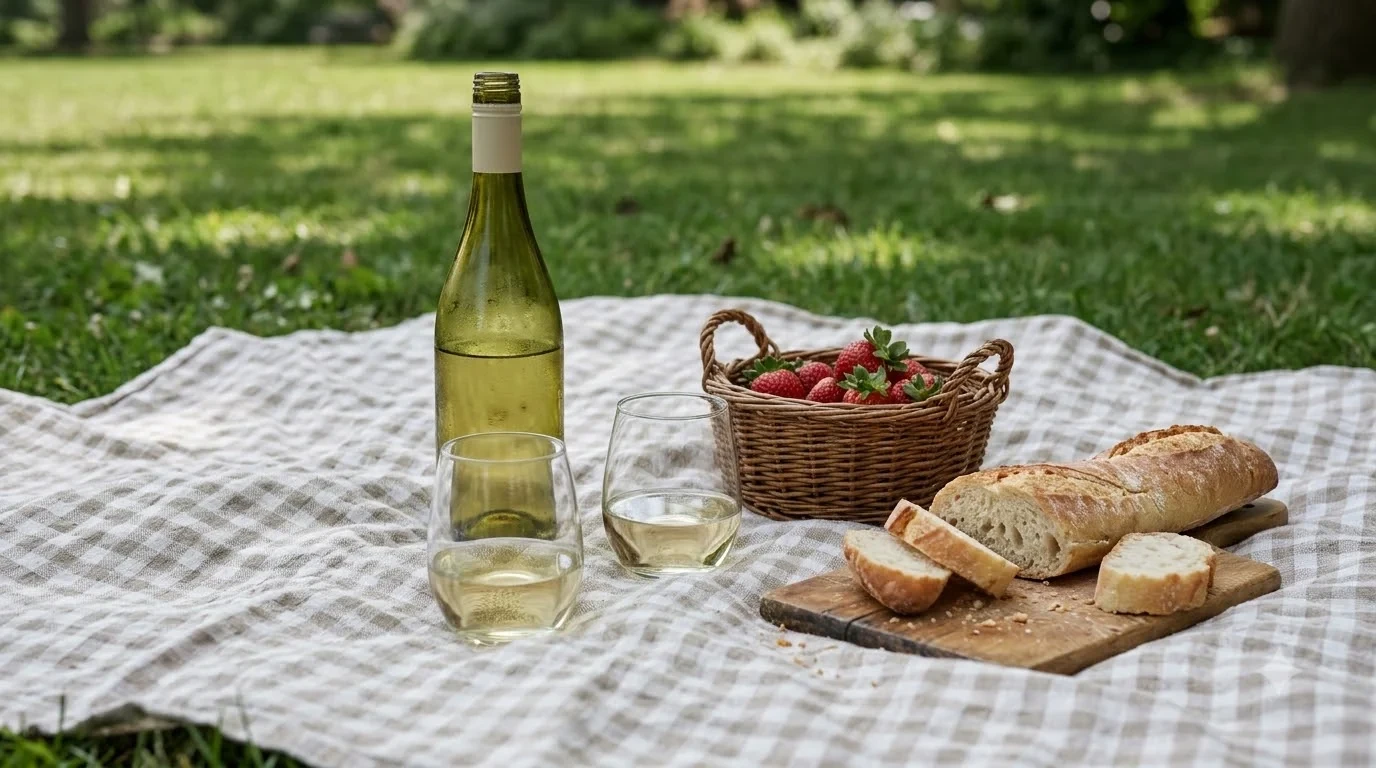
Santa Rita white wine is a range of crisp, fresh whites from one of Chile’s longest-standing wineries, anchored by Sauvignon Blanc and the best-selling 120 label. The grapes come from coastal and inland valleys, including Casablanca, Leyda and Limarí, so the styles run from zesty and citrus-driven to rounder and more textural. Most bottles suit seafood, salads and light poultry, and the crisp styles show best at about 45 to 50 F. Shoppers who want an everyday bottle can start with the 120 line, while the reserve and skin-contact blends reward a closer look.
Santa Rita is one of the names Chilean wine drinkers meet first, and its white wines are often the easiest way into the brand. This guide covers what the Santa Rita white wine range includes, where the grapes are grown, how the Sauvignon Blanc and Chardonnay styles differ, and how to serve, pair and store the bottles at home. For context on how wine brands like this one are organized, see our overview of Wine Brands.
What the Santa Rita White Range Includes
The white range is built on a few families of wine, from everyday bottlings to reserve lines and one experimental blend. Each family has a distinct role, so it helps to know the differences before you buy.
The estate was founded in 1880 in Alto Jahuel, in the Maipo Valley, by Domingo Fernández Concha, and it has grown into one of Chile’s best-known producers. The 120 line is its most visible part. According to the South America Wine Guide’s profile of the estate, 120 is the name of the entry-level wine and a nod to 120 independence soldiers who sheltered on the property in 1814. The 120 range covers white, rosé and red styles, and The Buyer reports that the brand is the best-selling wine brand in Chile, first registered in 1967.
Above that level sits the Reserva line, which The Buyer describes as balanced and expressive wines with a strong international presence. Secret Reserve is a fruity, easy-drinking range in which every wine is red apart from its Sauvignon Blanc, which makes that bottle the only white in the series. If you are comparing the whites with the reds from the same estate, our guide to santa rita red wine covers the other side of the portfolio.
The most unusual white is Floresta, which the estate presents as an elegant and innovative line exploring new expressions of classic varieties. Its white field blend combines Semillon, Sauvignon Vert, Moscatel, Torontel and Corinto, which is also called Chasselas. The grapes are co-fermented with their skins, and the wine is neither filtered nor fined, so it stays naturally a little cloudy. That method makes it a very different glass from a crisp Sauvignon Blanc, and it is worth trying once you know the 120 bottles well.
Where Santa Rita Grows the Grapes for Its Whites
The white grapes come from three valleys with different soils, altitudes and distances from the ocean. Casablanca and Leyda sit closest to the Pacific, while Limarí lies farther north and draws its cooling from morning fog.
| Valley | Santa Rita vineyard area | Soils | Main varieties |
|---|---|---|---|
| Casablanca | 314 hectares | Free-draining alluvial sandy soils | Sauvignon Blanc, Merlot, Chardonnay, Pinot Noir |
| Leyda | 90 hectares | Well-drained sandy-clay soils | Sauvignon Blanc, Pinot Noir |
| Limarí | 131 hectares | Alluvial deposits with a clay layer and calcium carbonate | Chardonnay, Syrah |
Casablanca is the largest of these sites, with 314 hectares planted to Sauvignon Blanc, Merlot, Chardonnay and Pinot Noir on free-draining alluvial sandy soils. The vineyards sit about 26 kilometers from the Pacific, and the guide notes a thermal range of roughly 20 degrees Celsius between warm afternoons and cool nights. That daily swing supports a long, even ripening period, which is one reason the valley is so closely linked with fresh, aromatic whites.
Leyda is a subzone of the San Antonio Valley, and its 90 hectares sit on well-drained sandy-clay soils. The vines there are mainly Sauvignon Blanc and Pinot Noir, which makes Leyda a Sauvignon Blanc site first and foremost. It is a useful reference point when you compare a Leyda bottling with one from Casablanca.
Limarí, with 131 hectares, is planted to Chardonnay and Syrah. The vineyards sit about 28 kilometers from the ocean, and morning fog that clears around midday slows the ripening, which helps the grapes develop their character without rushing. That slow ripening is part of why the cool-climate Chardonnay from this valley reads as fresh.
Sauvignon Blanc Is the Core of the White Range
Sauvignon Blanc sets the tone for much of the white lineup, and its character follows the cool Pacific coast. The grape’s place in Chile owes a great deal to that coastline.
Coastal vineyards were rare in Chile until 1982, when Pablo Morandé planted Sauvignon Blanc in Casablanca. Wine and Spirits notes that the cold Humboldt Current keeps the Pacific especially chilly along this coast, and that the cool breezes sweeping inland can stress the vines in a way that suits the grape. Since then, winemakers have moved south into San Antonio and north into Limarí. VinePair’s feature on Chile’s flagship white reports that the country now has more than 15,300 hectares of Sauvignon Blanc vineyards, and that vibrant acidity is the signifying characteristic of the wines.
Santa Rita’s Sauvignon Blancs sit at the crisp, citrus-focused end of that spectrum. The 120 Sauvignon Blanc is described as crisp and youthful, with concentrated aromas of citrus blossom and peach, which makes it a practical choice for a simple weeknight meal. The Secret Reserve Sauvignon Blanc points toward seafood, with tasting notes recommending fresh shellfish such as oysters and razor clams, along with white fish ceviche. Those are the dishes where the wine’s bright acidity does the most work.
Chardonnay and Other White Styles in the Range
Chardonnay is the second white variety in the lineup, and the 120 version follows an unoaked approach that keeps the fruit forward. Chardonnay is also planted in Casablanca and Limarí, so the family shows up in more than one style.
The 120 Chardonnay is described as crisp and fresh, with an un-oaked style and aromas that recall tropical fruit mixed with green apple and a hint of zesty orange peel. Because Chardonnay has medium acidity, it is a softer match than Sauvignon Blanc for dishes with rich sauces or creamy textures, such as roast chicken with pan juices. It can also be a bridge bottle for people who find Sauvignon Blanc too sharp.
Floresta and the Skin-Contact Style
The Floresta field blend sits in a different category altogether. Because the skins stay in contact with the juice during fermentation, the wine looks cloudy and reads as fuller than a standard crisp white. It leans toward the full-white end of the scale, and it suits food with a little more body, such as roasted vegetables, mild cheeses or grilled fish with butter.
The field blend draws on five white varieties, which gives it a more textured structure than a single-variety bottle. Because it is neither filtered nor fined, the wine keeps its natural character, including the slight cloudiness that signals the unfiltered style.
How to Serve Santa Rita White Wine at Home
Serve the crisp whites from this range at about 45 to 50 F, and give a full, skin-contact style like Floresta a little more warmth, around 50 to 55 F.
| Style | Examples from the range | Serving temperature |
|---|---|---|
| Crisp, high-acid white | 120 Sauvignon Blanc, Reserva Sauvignon Blanc | 45 to 50 F |
| Light unoaked white | 120 Chardonnay | 45 to 50 F |
| Full white or skin-contact blend | Floresta white field blend | 50 to 55 F |
Temperature matters because acidity is the feature that shapes these wines. Serve a crisp Sauvignon Blanc too cold and the aromas stay closed while the palate tastes sharp. Let it warm too far and the citrus and peach notes start to blur. A bottle taken straight from a warm room needs a few hours in the fridge to reach the right range, and that gives a more even result than rushing it with ice.
Tip: A standard 750 ml bottle holds about five 5 oz pours, so plan on roughly five glasses per bottle when you host.
Food Pairings for Santa Rita White Wine
The crisp styles pair best with seafood, salads and lemony dishes, while the Chardonnay and Floresta handle richer food.
The main rule is that acidic food needs a wine with equal or higher acidity. A squeeze of lime over grilled fish or a ceviche has enough sharpness to need a Sauvignon Blanc that can keep pace, and the citrus and herb notes in the 120 Sauvignon Blanc suit that style. Shellfish is the classic match here, so oysters, razor clams and white fish ceviche are the obvious first choices for the Secret Reserve bottling.
For richer plates, reach for the Chardonnay. Roast chicken with pan juices, creamy pasta with mushrooms, or a seafood dish with butter sauce gives the wine’s medium acidity room to lift the richness. The Floresta blend can take on roasted vegetables and mild cheeses, because its skin contact adds a texture that a lighter white would lack.
Matching by Course
For a starter, a dry Santa Rita Sauvignon Blanc works well with goat cheese salads, asparagus and herb dressings. For a main course, the Chardonnay or Floresta is more comfortable with chicken, pork or mushroom dishes. Avoid very sweet desserts, because a wine should be at least as sweet as the dessert, and these wines are dry. A rich chocolate cake will make them taste thin, while lemon desserts and fruit tarts with bright acidity are better partners.
Storing and Keeping Opened Santa Rita White Wine
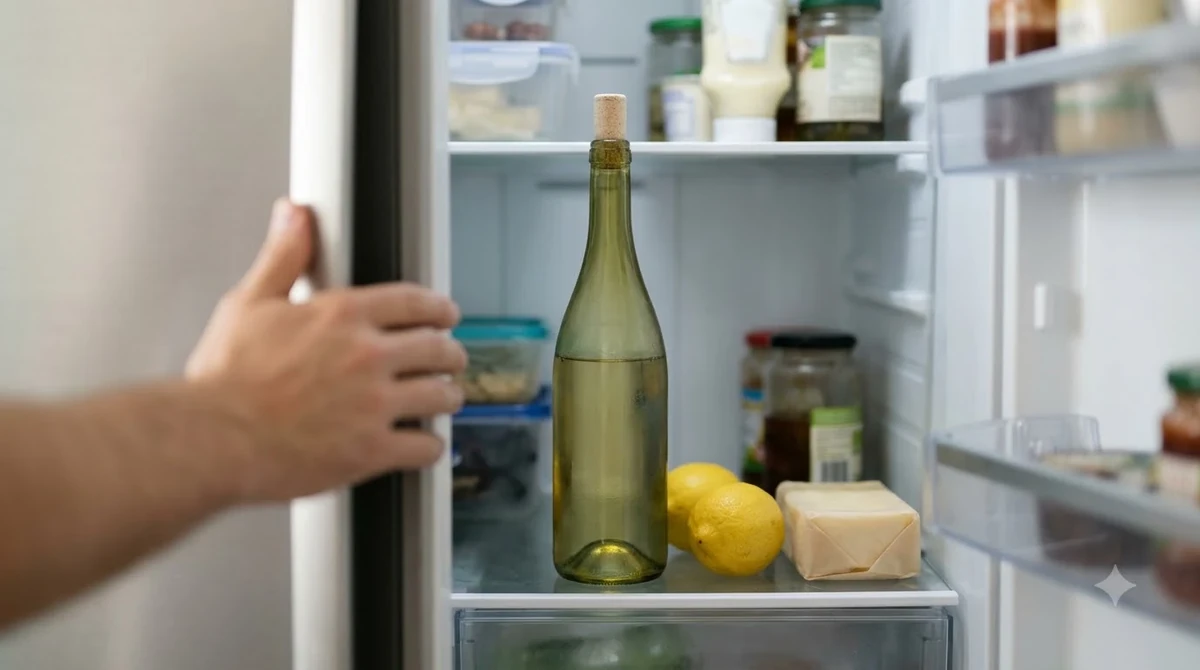
Store unopened bottles on their side near 55 F, and keep opened still whites in the fridge for three to five days.
Storage starts before the bottle is opened. Lay bottles on their side so the cork stays moist, and keep them in a cool, dark place away from heat. Around 55 F is a practical target, and a steady temperature matters more than hitting the number exactly.
Once a bottle is open, recork it and refrigerate it. Still white wines generally last three to five days in the fridge. Crisp, high-acid styles such as the 120 Sauvignon Blanc hold their freshness well through that period, though the fruit gradually fades and the aromas soften.
Alcohol level is a useful number when you compare bottles. Retail and rating listings put the 120 Reserva Especial Sauvignon Blanc between 13 and 13.5 percent alcohol by volume. For a comparison with another popular white, see our santa margherita pinot grigio alcohol content guide.
Frequently Asked Questions
Who makes the white wines at Santa Rita?
Óscar Salas is the winemaker for the 120, Gran Hacienda, Secret Reserve and Medalla Real lines, which The Buyer describes as traditional and high-volume ranges. Teresita Ovalle is the winemaker for the Floresta line, which explores new expressions of classic varieties. Sebastián Labbé makes the flagship Casa Real and other top-tier red labels, so the premium reds have their own team.
Does Santa Rita sell its wines outside Chile?
Yes. The Buyer says the Santa Rita Estates group exports to more than 50 countries through partner distributors. In the UK the Viña Santa Rita range is handled by Bibendum and Matthew Clark, and in Ireland the 120 brand has become the best-selling wine.
Is Santa Rita certified as sustainable?
Yes. Santa Rita Estates was the first major Chilean wine group certified under the Wines of Chile Sustainability Code, according to The Buyer. The group says 99 percent of its vineyards are drip-irrigated, and its solar plant supplies over 80 percent of daytime energy at the main facility.
Are any Santa Rita wines vegan?
Yes. According to The Buyer, 67 of the estate’s wines carry the Swiss V-Label vegan certification. The producer’s own website is the best place to confirm which current bottles are included, since the certified list can change as new releases arrive.
Can visitors taste Santa Rita wines at the estate?
Yes. The estate sits in a 40-hectare park designed by the French landscape gardener Guillaume Renner. Six tour options run from a classic tour and tasting to a private ultra-premium session, and tours are offered in English, Spanish and Portuguese.
Santa Rita’s white range rewards a simple approach. Start with the 120 Sauvignon Blanc for everyday meals, move to the Chardonnay or Floresta when the food gets richer, and serve each one cool enough to keep its acidity lively. Pour five ounces, store bottles on their side and finish any opened whites within a few days.
More in Wine Brands
 Underwood Wine Price: Compare Bottles, Cans, and Pack SizesUpdated Nov 21, 2026
 Zenato Wine Price: Compare Styles and Choose the Right BottleUpdated Nov 21, 2026
 Zuccardi Wine Price: Compare Bottles and Find the Right RangeUpdated Nov 21, 2026
 Yellow Tail Moscato Review: Taste, Sweetness and Serving TipsUpdated Nov 21, 2026
 Wolf Blass Yellow Label Review: Choose Your Best StyleUpdated Nov 21, 2026
 Wolffer Estate Rose Review: Choose the Right Bottle for Your TableUpdated Nov 21, 2026