

We may earn a commission when you buy through links on this page, at no extra cost to you. Learn more.
Santa rita red wine is Chilean wine produced by Viña Santa Rita, featuring popular Cabernet Sauvignon, Carménère, Merlot and red blends across several quality levels. The winery’s portfolio ranges from approachable everyday bottles in its 120 collection to more structured premium wines such as Medalla Real and its flagship Casa Real Cabernet Sauvignon. Expect flavors that can include blackcurrant, cherry, plum, spice, vanilla and herbal notes, depending on the grape variety and bottling.
Santa Rita has a long history in Chilean winemaking, and its reds offer several ways to explore the country’s distinctive wine styles. Whether you prefer a fruit-forward Cabernet Sauvignon, a spicy Carménère or a complex Bordeaux-inspired blend, understanding the winery’s labels makes choosing a bottle easier. The differences between its ranges also help explain why two Santa Rita wines can have noticeably different structures, aromas and aging potential.
What Is Santa Rita Red Wine?
Santa Rita red wine comes from Viña Santa Rita, a historic Chilean winery founded in 1880 in Alto Jahuel, within the Maipo Valley. Its portfolio includes approachable varietal wines, premium selections and collectible Cabernet Sauvignon bottlings that demonstrate the diversity of Chilean red wine.
Businessman and senator Domingo Fernández Concha founded Viña Santa Rita during a period when Chilean winemaking was developing through the introduction of European grape varieties and expertise. According to Wine Enthusiast’s account of Chile’s heritage wineries, the estate began with imported French vines and winemaking knowledge. Its historic buildings later received National Heritage Monument designation in 1972.
The winery’s original location remains important to its identity. Alto Jahuel sits in the Maipo Valley, one of Chile’s best-known areas for Cabernet Sauvignon. The region’s relationship with the Andes, its dry growing conditions and differences between vineyard sites contribute to the character of its wines.
Santa Rita is not a single wine or grape variety. It is a producer with a broad collection of labels, including 120, Secret Reserve, Medalla Real, Floresta, Triple C and Casa Real. These names represent different styles and positioning within the winery’s portfolio.
For someone exploring Chilean reds for the first time, this variety is useful. A bottle of 120 Cabernet Sauvignon provides a straightforward introduction to the winery’s fruit-driven style, while a Medalla Real selection can offer more structure and complexity. Casa Real represents a more specialized expression of Cabernet Sauvignon from Alto Jahuel.
It is also helpful to distinguish the winery’s name from other wine brands with similar names. Santa Rita is a Chilean producer, whereas Santa Margherita is an Italian wine brand. The two are unrelated producers with different grape varieties and regional traditions. Readers interested in the latter can explore Santa Margherita Pinot Grigio alcohol content separately.
In short, Santa Rita is a producer rather than a single red wine style. Its bottles can range from relatively approachable and fruit-focused to concentrated, structured wines designed for longer cellaring.
Main Red Grapes and Wine Styles
Cabernet Sauvignon and Carménère are two particularly important varieties in the Santa Rita red portfolio. The winery also produces Merlot, Syrah and blends, giving drinkers options that differ in tannin, acidity, body and aromatic character.
Cabernet Sauvignon is a natural starting point for people who enjoy structured reds. It typically has high tannin, firm acidity and flavors of blackcurrant, blackberry, cherry, cedar and spice. Santa Rita’s Cabernet Sauvignon bottlings can show dark fruit alongside vanilla and oak-derived notes.
The 120 3 Medallas Cabernet Sauvignon technical information lists 85% Cabernet Sauvignon in the specified wine. Its published description mentions cherry and raspberry aromas, with vanilla, toffee and caramel notes associated with oak maturation. The listed alcohol content is 12.8% ABV for that particular technical specification.
Carménère offers a different experience. This Chilean specialty is often recognized by its dark fruit, herbal character, soft texture and spicy notes. Depending on the wine and growing conditions, its aromas can include blackberry, plum, pepper, green herbs and tobacco.
Santa Rita’s 120 3 Medallas Carménère technical details list 85% Carménère, with an alcohol content of 13.1% ABV. The winery describes strawberry, cherry and blueberry characteristics alongside vanilla, cassis and spice. This combination makes it a useful choice for people who enjoy expressive fruit without the particularly firm tannic structure commonly associated with Cabernet Sauvignon.
Merlot is another option for drinkers who prefer softer tannins. Compared with Cabernet Sauvignon, Merlot generally offers a rounder texture and flavors such as plum, cherry and blackberry. It can be a practical choice when serving a mixed group with different preferences for red wine intensity.
Syrah contributes a more substantial style, often showing dark berries, pepper, savory spice and a fuller structure. It also appears as a blending component in some Santa Rita wines, where it can contribute body and aromatic complexity.
Santa Rita also produces red blends. Triple C is an example of a wine that combines several Bordeaux-associated grapes with a Chilean contribution. Its published blend composition is 65% Cabernet Franc, 30% Cabernet Sauvignon and 5% Carménère. Cabernet Franc contributes aromatic freshness, Cabernet Sauvignon supplies structure, and Carménère adds a distinctive regional character.
| Grape variety | Typical tannin | Common flavor characteristics | Best starting point |
|---|---|---|---|
| Cabernet Sauvignon | High | Blackcurrant, blackberry, cedar and spice | 120 Cabernet Sauvignon |
| Carménère | Medium | Blackberry, plum, pepper and herbs | 120 Carménère |
| Merlot | Medium, softer | Plum, cherry and ripe berries | Merlot varietal |
| Syrah | Medium-plus to high | Dark fruit, black pepper and savory spice | Syrah-containing blends |
| Cabernet Franc | Medium | Red berries, herbs and spice | Triple C blend |
These characteristics are general grape-variety profiles rather than guarantees about every Santa Rita bottle. Growing conditions, harvest timing, blending decisions and oak maturation all influence the finished wine. The most useful approach is to start with the main grape and then consider the particular bottling.
Understanding the Santa Rita Wine Collections
Santa Rita organizes its wines into several collections that help distinguish everyday drinking options from premium and flagship selections. The 120 range is a convenient introduction, Medalla Real occupies a more premium position, and Casa Real represents the winery’s distinctive Cabernet Sauvignon expression.
120: An approachable introduction
The 120 collection is one of the easiest places to begin exploring Santa Rita. It includes varietal wines such as Cabernet Sauvignon and Carménère, allowing drinkers to focus on the character of an individual grape rather than a complex blend.
For a casual meal, the 120 Cabernet Sauvignon is a useful choice for people who like familiar red-fruit and dark-fruit characteristics. Its listed technical details include 85% Cabernet Sauvignon and 12.8% ABV in the specified 3 Medallas bottling. The winery describes cherry, raspberry and gentle caramel-like notes.
The 120 Carménère offers a different profile, with berry fruit, vanilla and spice. Its listed 85% Carménère composition makes it a recognizable expression of the variety. Both wines are suitable starting points for learning how Chilean red grapes differ in aroma and texture.
Secret Reserve: A versatile middle-ground style
Santa Rita’s SR Secret Reserve collection includes several varietal options, including Cabernet Sauvignon, Carménère, Merlot, Pinot Noir and red blends. This makes it a useful range for drinkers who want to explore beyond the most familiar Cabernet and Carménère choices.
The winery describes its Secret Reserve Cabernet Sauvignon as a medium-bodied wine from the Maipo Valley. Its published technical details for the specified bottling list 100% Cabernet Sauvignon and 13.5% ABV. Aromatic descriptions include ripe black fruit, vanilla, tobacco and cloves.
For someone who likes Cabernet Sauvignon but does not always want a particularly powerful red, this style offers a useful point of comparison. It also illustrates why not every wine labeled Cabernet Sauvignon has the same weight or intensity.
Medalla Real: More structure and complexity
Medalla Real is a longstanding Santa Rita collection with a history dating to 1983. Its different bottlings include Reserva, Gold Medal and Gran Reserva wines, with grape varieties and blends that vary across the collection.
The Medalla Real Reserva Carménère technical details list 100% Carménère and 13.3% ABV for the specified wine. The winery describes a deep purple-red appearance, black-fruit aromas, spice and mocha, with a full texture and soft tannins.
Medalla Real Gold Medal Carménère offers another example of the range’s approach. Its specified composition is 85% Carménère and 15% Syrah. That combination can provide a more layered expression than a single-variety Carménère while retaining the grape’s characteristic dark-fruit and spicy profile.
Gran Reserva selections are worth considering for people who enjoy more concentrated wines and want to explore the influence of oak maturation. The exact composition and production details vary by bottle, so different Medalla Real wines should not be treated as interchangeable.
Casa Real: The flagship Cabernet Sauvignon
Casa Real is Santa Rita’s best-known prestige red and a particularly interesting choice for Cabernet Sauvignon enthusiasts. Its first release was in 1989, and the wine is produced from vineyards in Alto Jahuel in the Maipo Valley.
According to Decanter, the Casa Real vineyard area covers 20 hectares divided into eight blocks and 25 micro-parcels. The vines were planted during the 1970s and 1980s in gravel-rich alluvial soils. These differences between vineyard parcels contribute to the wine’s structure, aromatic detail and aging potential.
Casa Real is generally a more serious expression of Cabernet Sauvignon than an entry-level varietal bottling. Its style emphasizes balance, structure and the character of Alto Jahuel rather than simply producing the biggest possible wine.
Decanter’s description of the 2023 vintage includes blackcurrant, ripe cherry, graphite, spice and herbal notes, with refined tannins and persistent acidity. These characteristics make it an appealing choice for people who appreciate Cabernet Sauvignon with both fruit intensity and savory complexity.
Readers exploring the broader selection of wine brands can use Santa Rita as an example of how one producer develops distinct collections for different drinking occasions and levels of wine interest.
What Does Santa Rita Red Wine Taste Like?
The flavor of Santa Rita red wine depends primarily on the grape variety, the collection and the vineyard origin. Cabernet Sauvignon tends toward dark fruit and firm structure, Carménère brings herbal spice and softer texture, and blends combine several characteristics in a more layered profile.
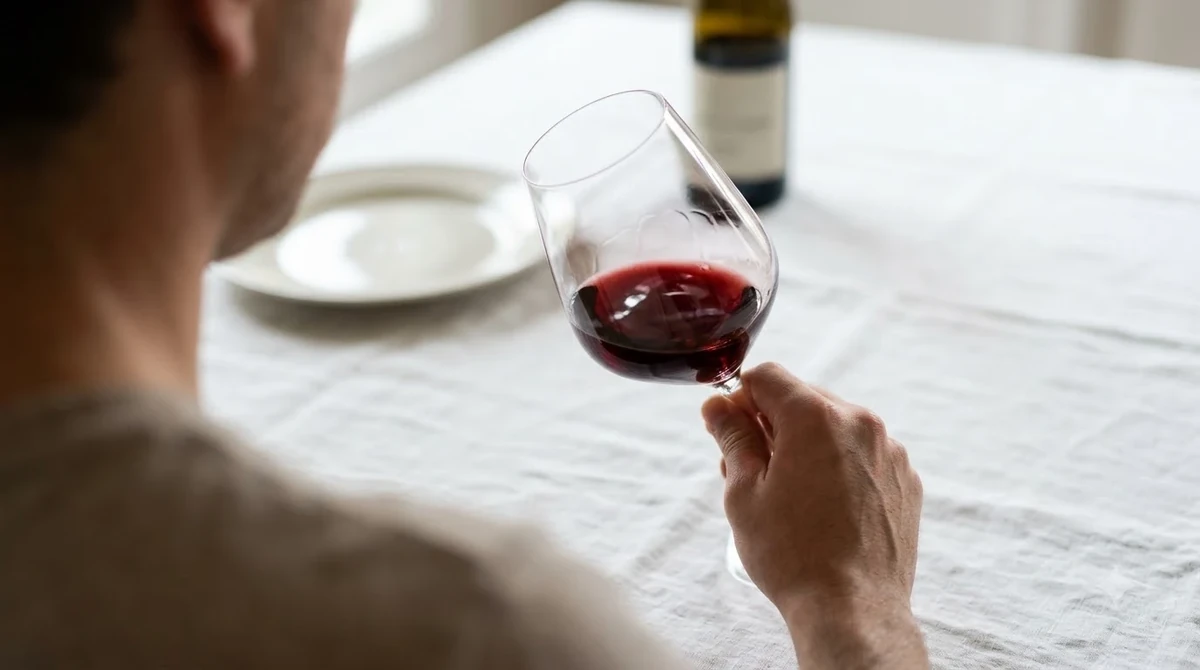
In Cabernet Sauvignon, expect flavors such as blackcurrant, blackberry, cherry, cedar and vanilla. Younger bottlings often emphasize fruit, while wines with more oak influence may introduce notes of toast, tobacco, cocoa and baking spice. The variety’s high tannin gives it a firm mouthfeel, especially when the wine is young.
The 120 Cabernet Sauvignon description includes red-fruit aromas such as cherry and raspberry, accompanied by vanilla and caramel-like notes. These details provide a useful illustration of a more approachable interpretation of the grape. The wine’s fruit character can make it easier to enjoy without extensive decanting or a lengthy aging period.
Carménère is often more distinctive in its herbal and savory character. Blackberry, black cherry, plum, pepper and green herbs are common descriptors. Some examples show chocolate, vanilla and spice from oak maturation, while others emphasize fresh fruit and a softer texture.
Santa Rita’s published description of the 120 3 Medallas Carménère includes strawberry, cherry, blueberry, vanilla, cassis and spice. This combination offers both red- and dark-fruit characteristics. Its soft, rounded tannins also help explain why Carménère can be appealing to people who find Cabernet Sauvignon too firm.
Merlot generally provides a more approachable texture, with medium tannin and flavors such as plum, cherry and blackberry. It can be a good alternative for drinkers who want a red wine with noticeable fruit and less gripping structure.
Syrah can produce a more intense experience, with dark fruit, pepper and savory spice. In blends, it can add depth and body without necessarily dominating the other varieties.
Oak aging also influences the final flavor. French oak can contribute subtle spice, cedar and toast, while American oak may give more pronounced vanilla and sweet-spice characteristics. These impressions depend on the oak’s age, the length of maturation and the winemaker’s decisions.
One useful distinction is between fruit intensity and tannin intensity. A wine may smell rich and ripe but still have a relatively smooth texture. Conversely, a wine with restrained aromas may have firm tannins that become more noticeable alongside food. Paying attention to both aspects helps explain why two red wines with similar fruit descriptions can feel quite different.
Food Pairings for Santa Rita Red Wine
Santa Rita reds pair particularly well with grilled meats, roasted dishes, tomato-based pasta, aged cheeses and richly seasoned food. The best match depends on tannin, acidity and the intensity of the dish rather than the color of the wine alone.
Cabernet Sauvignon with beef and grilled dishes
Cabernet Sauvignon is a natural partner for grilled steak, roast beef, lamb and beef burgers. Its high tannin works especially well with protein-rich and fatty foods because the fat and protein soften the perception of tannin.
Try Santa Rita Cabernet Sauvignon with grilled ribeye, roasted beef tenderloin or a burger topped with aged cheddar. Blackcurrant and cherry flavors complement browned meat, while oak-derived spice works with grilled and roasted aromas.
Tomato-based dishes can also be effective matches. The acidity in tomato sauce helps balance the wine’s structure, making Cabernet Sauvignon suitable for pasta with beef ragù, baked ziti and lasagna.
Carménère with roasted meat and spices
Carménère works particularly well with grilled pork, roasted chicken, lamb and dishes featuring cumin, paprika or black pepper. Its herbal and spicy character can complement the seasonings without requiring the same level of fat as a powerful Cabernet Sauvignon pairing.
Try a Santa Rita Carménère with grilled pork chops, roasted vegetables, mushroom risotto or beef empanadas. The fruit flavors work with the browned exterior of the meat, while the wine’s herbal characteristics complement savory seasonings.
Cheeses are another good option. Medium-aged cheddar, Manchego and other firm cheeses provide enough richness to balance the wine’s texture. Strong aged cheeses can also work with more structured Carménère bottlings.
Merlot and blends with everyday meals
Merlot can be a particularly flexible choice for dishes that do not require a highly structured wine. Meatballs, roasted chicken, mushroom pasta and mild sausage dishes can all work well.
Santa Rita’s Triple C blend is better suited to more substantial food. Its combination of Cabernet Franc, Cabernet Sauvignon and Carménère gives it the structure and complexity to accompany grilled lamb, venison, roast beef and strongly flavored cheeses.
For a vegetarian pairing, try red wines with roasted mushrooms, grilled eggplant, lentils or dishes featuring caramelized onions. The savory qualities of these ingredients can complement the earthy and spicy notes found in many Chilean reds.
Pairing mistakes to avoid
Very spicy chili dishes can make high-alcohol, tannic reds feel hotter and more aggressive. If the meal contains substantial chili heat, choose a softer, less tannic wine and avoid very hot sauces.
Oily fish, such as sardines or mackerel, can clash with tannic red wines. For seafood, a lighter white wine or a less tannic red is generally a safer choice. Similarly, delicate salads and lightly seasoned vegetables may be overwhelmed by a concentrated Cabernet Sauvignon.
Tip: Match the intensity of the wine to the intensity of the food. Choose Cabernet Sauvignon for grilled beef, Carménère for seasoned pork or roasted vegetables, and softer Merlot for lighter meat dishes. If a meal contains substantial fat, that richness can help soften the perception of red-wine tannins.
Serving Temperature, Storage and Aging
Santa Rita red wines are best served slightly cooler than typical room temperature. Light-bodied reds generally show well at 55–60°F, while fuller-bodied wines such as Cabernet Sauvignon and structured blends are best served around 60–65°F.
Serving temperature affects both aroma and texture. A red wine served too warm can seem alcoholic, heavy and less balanced. A wine served too cold may have muted fruit aromas and more noticeable tannins.
For a 120 Cabernet Sauvignon or Carménère, begin around 58–60°F and allow the wine to warm slightly in the glass. For a fuller Medalla Real or Casa Real Cabernet Sauvignon, a temperature closer to 60–65°F can reveal more of its aromatic complexity.
A standard 750 ml bottle provides approximately five 5-ounce servings. This is a practical serving reference for a dinner with several guests, particularly when offering more than one Santa Rita variety.
Should you decant Santa Rita red wine?
Decanting can help a young, structured red wine open up. For a young full-bodied Cabernet Sauvignon, start with approximately 30–60 minutes in a decanter. This allows air contact to soften the initial impression and release additional aromas.
Approachable 120 bottlings usually do not require extensive decanting. Pouring them into a glass and allowing a few minutes of air contact is often sufficient. A more structured Medalla Real or Casa Real bottling may benefit from additional aeration, depending on its age and condition.
Older wines require more care. Extended exposure to oxygen can cause delicate aromas to fade, so an older bottle may need only a short period in a decanter. If sediment is present, carefully separating the wine from the sediment can be more important than prolonged aeration.
Storing unopened bottles
Store unopened Santa Rita red wines in a cool, dark location with a relatively stable temperature. Around 55°F is a useful storage target for wines intended to be kept over time. Avoid placing bottles near ovens, radiators, windows or other sources of heat and temperature fluctuations.
Bottles sealed with natural cork are generally best stored horizontally so the cork remains in contact with the wine. Keep the storage area away from strong light and excessive vibration.
How long does an opened bottle last?
Once opened, still red wines generally keep for approximately three to five days in the refrigerator when properly resealed. The exact period depends on the wine’s age, structure, oxygen exposure and storage conditions.
Refrigeration slows oxidation, even for red wines. Before serving the remaining wine, take it out of the refrigerator and allow it to approach its preferred drinking temperature. A bottle stopper can also help reduce air exposure.
Not every Santa Rita red wine needs long-term aging. Many 120 bottlings are designed for relatively approachable drinking, while more structured premium Cabernet Sauvignon selections can have greater aging potential. Casa Real is particularly interesting to collectors because of its vineyard origin, tannin structure and reputation for longevity.
For everyday enjoyment, there is no need to hold a bottle simply because it is red wine. The appropriate drinking window depends on the particular wine and vintage, not just the producer’s name.
Frequently Asked Questions
Is Santa Rita an American or Chilean wine brand?
Santa Rita is a Chilean wine producer, not an American winery. Its historic estate is in Alto Jahuel in the Maipo Valley, south of Santiago. The winery’s wines are distributed internationally, including in the United States, which is why its labels are familiar to many American wine drinkers.
What does the name 120 refer to?
The 120 name is associated with a historical story involving 120 Chilean patriots who reportedly took refuge at the Santa Rita estate during Chile’s independence period. The winery uses this historical connection as part of the identity of the collection. It is a reference to the estate’s heritage rather than an indication of alcohol percentage or bottle size.
Does Santa Rita make wine from organically grown grapes?
Grape-growing practices vary across the winery’s vineyards and individual labels. A producer’s use of vineyard sustainability practices does not automatically mean that every bottle is certified organic. Buyers interested in organic certification should look for the relevant certification information on the particular wine or its official product documentation.
What is the difference between Carménère and Cabernet Franc?
Both grapes belong to the Bordeaux family of varieties, but they produce different wine profiles. Carménère is particularly associated with Chile and often shows dark fruit, pepper and herbal notes. Cabernet Franc frequently offers red-fruit aromas, floral character and fresh herbal qualities, making it useful in blends such as Santa Rita’s Triple C.
Is Santa Rita’s Casa Real made every year?
No. Casa Real is produced only in exceptional vintages according to the winery’s published description. This selective approach distinguishes it from more consistently available varietal collections. Its first vintage was released in 1989, establishing the wine as an important expression of Cabernet Sauvignon from Alto Jahuel.
Santa Rita offers a broad introduction to Chilean red wine, from accessible 120 Cabernet Sauvignon and Carménère to the more structured Medalla Real collection and flagship Casa Real. Start with the grape variety and style you enjoy most, then explore different collections to discover how vineyard origin, blending and maturation shape each bottle. Whether served with grilled meat, pasta or a relaxed dinner, Santa Rita provides several distinctive ways to enjoy Chilean reds.
More in Wine Brands
 Louis Latour Wine Price: Compare Bottles by Style and TierUpdated Nov 20, 2026
 Yellow Tail Moscato Price: What to Expect Before You BuyUpdated Nov 20, 2026
 Sutter Home Sweet Red Review: Find the Right Food PairingsUpdated Nov 20, 2026
 Franzia Chillable Red Review: Find the Right Serving StyleUpdated Nov 20, 2026
 Veuve Clicquot Rose Review: Flavor, Food Pairings and Buying AdviceUpdated Nov 20, 2026
 Rombauer Wine Price: Compare Bottles Before You BuyUpdated Nov 20, 2026