


We may earn a commission when you buy through links on this page, at no extra cost to you. Learn more.
Santa Rita wine review: Viña Santa Rita is a well-established Chilean producer offering a broad range of wines, from approachable Cabernet Sauvignon and Sauvignon Blanc to premium Carmenère blends and structured Maipo Valley reds. Its portfolio suits several types of wine drinkers, particularly those interested in Chilean grape varieties and regional character. The 120 and Secret Reserve collections are sensible starting points, while Medalla Real, Floresta, Triple C, and Casa Real offer more specialized options. Choosing the right bottle depends on your preferred grape, desired complexity, and the occasion.
Chile has developed an international reputation for producing expressive wines from grapes such as Cabernet Sauvignon, Carménère, Merlot, and Sauvignon Blanc. Viña Santa Rita is one of the country’s established producers, with a history dating to 1880 and vineyards connected to several important Chilean winegrowing areas. Its selection covers everyday meals, casual gatherings, and more formal dinners. This guide examines the winery’s background, major collections, wine styles, food pairings, and practical buying considerations to help you select a suitable bottle.
Who Santa Rita Wine Is For
Santa Rita is a good brand to consider if you want to explore Chilean wine without limiting yourself to one grape variety or price category. Its portfolio includes accessible varietal wines alongside more ambitious regional selections, making it possible to move between different styles while remaining with the same producer.
Founded in 1880 by Domingo Fernández Concha, Viña Santa Rita began in Chile’s Maipo Valley. The winery introduced French grape varieties, specialized equipment, and French winemaking expertise to the region. Its development contributed to the modernization of Chilean winemaking, and the producer subsequently expanded its portfolio and international distribution. The winery’s history is described in its official company history.
The brand can appeal to several distinct groups of wine drinkers:
- Everyday red wine drinkers: The 120 and Secret Reserve collections offer familiar varieties such as Cabernet Sauvignon, Merlot, and Carménère.
- White wine drinkers: Sauvignon Blanc and Chardonnay provide alternatives to the winery’s substantial red wine selection.
- Fans of Chilean Carménère: Santa Rita produces several wines that showcase this distinctive Chilean favorite.
- Cabernet Sauvignon enthusiasts: The Medalla Real and Casa Real collections provide options for drinkers seeking more structured reds.
- Wine explorers: Floresta, Triple C, and Pewën de Apalta offer opportunities to investigate different grapes, blends, and growing areas.
Santa Rita is particularly interesting for people who enjoy comparing different expressions of the same grape. For example, a Cabernet Sauvignon from an approachable collection provides a useful contrast to a more ambitious Maipo Valley bottling. The difference can involve fruit concentration, tannin structure, oak influence, and the character of the growing site.
However, the winery’s size and range mean that its wines should not all be judged as a single style. An accessible varietal bottle and an origin-focused premium wine have different purposes. A buyer looking for a simple weekday dinner wine may not need the complexity of a premium selection, while someone planning a special dinner may prefer a more distinctive bottling.
Key Factors to Compare When Choosing Santa Rita Wine
The most useful comparison points are grape variety, collection, regional origin, wine structure, and intended occasion. Understanding these characteristics makes the difference between choosing a familiar bottle and selecting a wine that genuinely suits your preferences.
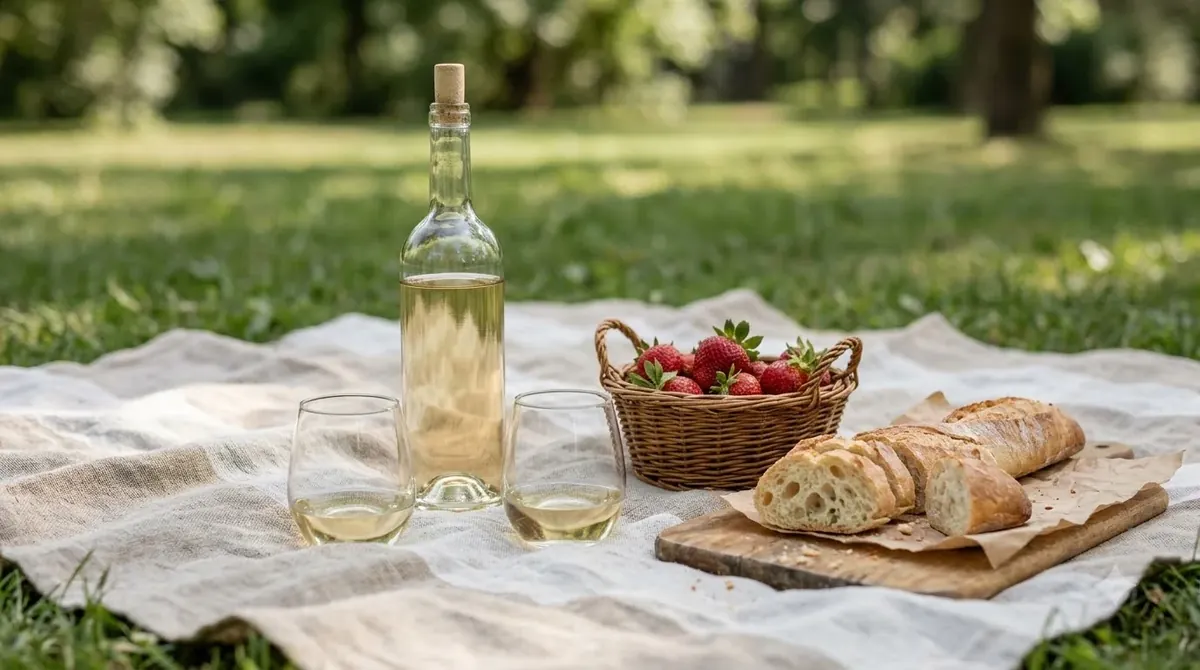
Start with the grape variety. Cabernet Sauvignon generally provides firmer tannins and a fuller structure, while Merlot tends to be softer and more approachable. Carménère offers a different profile, frequently combining dark fruit with herbal and pepper-like characteristics. For whites, Sauvignon Blanc usually delivers more pronounced acidity, whereas Chardonnay generally has a rounder texture.
Collection names also matter because Santa Rita uses different ranges to communicate the intended style and positioning of its wines. The 120 range is designed around approachable drinking occasions. Secret Reserve provides a broader selection of varietal wines and blends. Medalla Real occupies a more premium position, while Casa Real represents one of the winery’s flagship Cabernet Sauvignon expressions.
| Comparison factor | Santa Rita examples | What to look for |
|---|---|---|
| Entry-level range | 120 | Familiar grape varieties and straightforward drinking |
| Varietal selection | Secret Reserve | Cabernet Sauvignon, Merlot, Carménère, Pinot Noir, Sauvignon Blanc |
| Premium selection | Medalla Real | Greater attention to grape character and wine structure |
| Flagship Cabernet | Casa Real | Maipo Valley origin and Cabernet Sauvignon expression |
| Origin-focused wines | Floresta | Different vineyard origins and restrained winemaking |
| Red blend | Triple C | Cabernet Franc, Cabernet Sauvignon, and Carménère |
Alcohol content is another useful comparison. A published technical listing for one 120 Reserva Especial Cabernet Sauvignon vintage reports 13.4% alcohol by volume, with a pH of 3.59 and total acidity of 5.4 grams per liter expressed as tartaric acid. These figures describe that particular wine and vintage rather than every bottle in the collection. Alcohol can influence how warm or powerful a wine feels, while acidity affects freshness and balance.
Regional origin is equally important. Santa Rita’s portfolio draws on Chilean areas including Maipo, Apalta, Limarí, and Leyda. These locations provide different growing conditions and opportunities for different grapes. Maipo is particularly relevant to Cabernet Sauvignon, while Leyda is associated with fresh white wine styles. A wine’s origin can help explain its character more effectively than its collection name alone.
Finally, consider the occasion. A medium-bodied Merlot can be easier to serve with a variety of dishes than a powerful Cabernet Sauvignon. A crisp Sauvignon Blanc may work particularly well with seafood, while a structured red blend is more suitable for a substantial meal. Matching the wine’s structure to the food is often more useful than choosing a bottle based solely on its collection.
Step-by-Step: How to Choose a Santa Rita Bottle
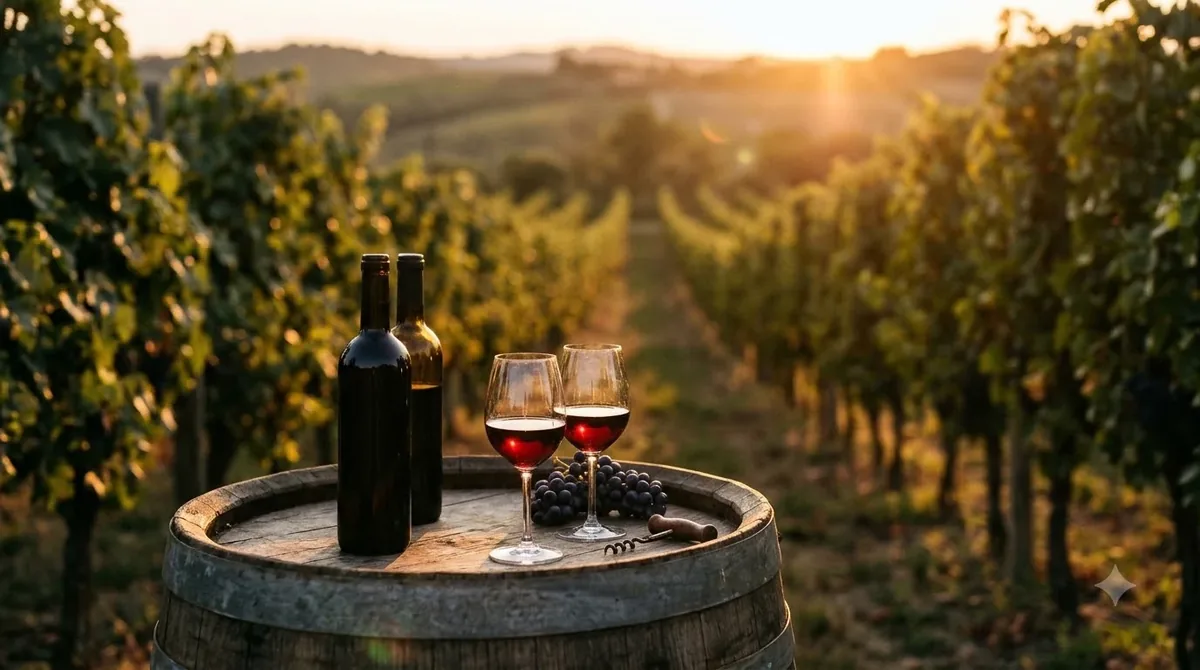
A simple selection process can narrow the winery’s extensive portfolio to a few appropriate options. Begin with the style you enjoy, then consider the occasion, collection, vintage, and food pairing.
-
Decide between red and white.
Start with the broad category. If you enjoy fuller wines with dark fruit and noticeable tannins, investigate Cabernet Sauvignon or Carménère. If you prefer lighter, fresher wines, consider Sauvignon Blanc. Chardonnay is another option if you want a white with a rounder texture and more moderate acidity.
-
Select a grape variety.
Cabernet Sauvignon is a logical starting point for drinkers who like structure and firm tannins. Merlot offers a softer alternative. Carménère is useful if you enjoy dark fruit and herbal character. Pinot Noir provides a lighter red style, while Sauvignon Blanc suits those who prioritize freshness.
-
Choose the collection.
Look at 120 for straightforward everyday drinking, Secret Reserve for additional varietal choices, and Medalla Real for a more premium selection. If you are exploring the winery’s more distinctive offerings, investigate Floresta, Triple C, or Casa Real.
-
Consider the growing region.
Maipo is an important starting point for Cabernet Sauvignon. Apalta is particularly relevant to Carménère and other structured reds. Limarí offers an interesting reference for Chardonnay, while Leyda is associated with Sauvignon Blanc. Regional information helps explain why two wines made from the same grape can taste different.
-
Think about the meal.
Match the wine to the dominant flavors and weight of the food. Cabernet Sauvignon works well with grilled beef, while Carménère can complement roasted pork and seasoned vegetables. Sauvignon Blanc is a natural choice for seafood, salads, and dishes featuring citrus or fresh herbs.
-
Compare the vintage and technical information.
Look at the vintage, grape composition, alcohol percentage, and regional designation. For blends, the grape proportions can help explain the balance between fruit, acidity, and tannin. Technical details are particularly useful when comparing different bottlings within a premium collection.
-
Choose the appropriate bottle for the occasion.
For a casual dinner, a familiar varietal from 120 or Secret Reserve may be sufficient. For a special dinner or a more focused tasting, consider a premium wine such as Medalla Real or Casa Real. Select a wine that suits the people drinking it rather than automatically choosing the most prestigious collection.
Tip: If you are unfamiliar with Santa Rita, begin with two different grape varieties rather than buying several Cabernet Sauvignons. Comparing a Cabernet Sauvignon with a Carménère or Sauvignon Blanc gives you a better understanding of the winery’s range and helps identify the style you prefer.
This process also makes it easier to compare Santa Rita with other Chilean producers. Instead of comparing entire brands without context, compare similar grape varieties and regional styles. A Maipo Cabernet Sauvignon should be evaluated against another Cabernet Sauvignon from a comparable growing area, rather than against a light coastal Pinot Noir.
Santa Rita Wine Types and Collections Explained
Santa Rita’s main collections cover different levels of complexity and a variety of grape styles. Understanding the differences between 120, Secret Reserve, Medalla Real, Floresta, Triple C, and Casa Real is the most important part of choosing from the winery’s portfolio.
120: Approachable Varietal Wines
The 120 range is positioned around accessible wine occasions, including lunches, casual meals, celebrations, and informal gatherings. Its selection includes familiar grape varieties, with examples such as Cabernet Sauvignon, Sauvignon Blanc, and Pinot Grigio. It is a sensible place to begin if you want to explore Santa Rita without immediately moving into its more specialized wines.
The winery’s published technical information for one 120 Reserva Especial Cabernet Sauvignon identifies the wine as 100% Cabernet Sauvignon. The listed alcohol content is 13.4% ABV, and the tasting description refers to ripe red fruit reminiscent of cherry, alongside vanilla and tobacco notes. The palate is described as having elegant tannins and a fresh finish.
That example illustrates why the 120 collection should not automatically be dismissed as an uninteresting basic wine. Its purpose is accessibility, but the wines still offer identifiable varietal characteristics. The Cabernet Sauvignon is a reasonable choice for someone who enjoys familiar red wine flavors and wants a straightforward pairing for dinner.
Secret Reserve: More Varietal Choices
Secret Reserve expands the selection with Cabernet Sauvignon, Red Blend, Carménère, Merlot, Pinot Noir, and Sauvignon Blanc. This makes it useful for households or gatherings where drinkers have different preferences.
The Cabernet Sauvignon provides a familiar structured red, while Merlot is generally a softer alternative. Carménère offers a distinctive Chilean style, and Pinot Noir is suitable for people who prefer less aggressive tannins. Sauvignon Blanc supplies a contrasting white wine option.
The collection is also useful for comparing varieties without changing producers. For example, a drinker can compare the herbal and dark-fruit character of Carménère with the firmer tannins of Cabernet Sauvignon. The difference is especially informative when both wines are served with the same meal.
Medalla Real: Premium Chilean Wines
Medalla Real is an important part of Santa Rita’s history and premium portfolio. The winery traces the collection to 1983, and its Cabernet Sauvignon has a notable historical connection to Chilean wine recognition.
According to Santa Rita’s historical account, Medalla Real Cabernet Sauvignon 1984 won the Paris Wine Olympics in 1987 after competing against more than 35 wines from different countries and wine regions. The award helped bring international attention to Chilean wine quality.
For buyers, Medalla Real is worth investigating when a more structured and distinctive wine is the objective. Its portfolio includes Cabernet Sauvignon and other varietal expressions, including Carménère, Chardonnay, and Syrah. It offers a useful step beyond everyday varietal selections.
Floresta: Vineyard Origin and Expression
Floresta is one of the winery’s more exploratory collections. Santa Rita describes the range as emphasizing vineyard origin, different terroirs, and minimal winemaking intervention.
The collection includes wines made from varieties such as Cabernet Sauvignon, Carménère, Chardonnay, Sauvignon Blanc, and Cabernet Franc. These selections demonstrate that the winery’s portfolio is not limited to the traditional Chilean Cabernet Sauvignon style.
Floresta is particularly interesting for drinkers who enjoy comparing regional expressions. A Chardonnay from Limarí, for example, can offer a different impression from a Sauvignon Blanc associated with Leyda. The grape variety matters, but the growing area also contributes to the finished wine’s identity.
Triple C: A Distinctive Red Blend
Triple C is a blend of Cabernet Franc, Cabernet Sauvignon, and Carménère. It provides a different experience from a single-variety Cabernet Sauvignon because the three grapes contribute different elements to the final composition.
Santa Rita reports that Wine Enthusiast awarded Triple C 2022 a score of 92 points. The publication’s description highlights licorice, black pepper, raspberry, thyme, and smoky notes, alongside firm tannins and a leafy finish.
This blend is a useful option for drinkers who enjoy structured reds but want something more layered than a straightforward varietal wine. It can also be an interesting bottle for a tasting involving several Chilean grape varieties.
Casa Real: Flagship Cabernet Sauvignon
Casa Real is one of Santa Rita’s best-known premium wines and is closely associated with Cabernet Sauvignon from Alto Maipo. It represents a more specialized expression of the winery’s flagship red wine style.
It is a logical collection to investigate if you already enjoy Cabernet Sauvignon and want to explore a more ambitious Chilean example. Its focus on origin and grape character makes it different in purpose from the accessible 120 range.
For an overview of the winery’s broader portfolio, the dedicated Santa Rita wine collection provides a useful starting point. Buyers interested in red varieties can also explore the Santa Rita red wine selection or compare white varieties through the Santa Rita white wine collection.
Common Mistakes When Buying Santa Rita Wine
The most common buying mistakes involve treating every collection as interchangeable, overlooking grape characteristics, and choosing wine without considering food or serving temperature. A little attention to these details can make a noticeable difference to the drinking experience.
Assuming Every Collection Has the Same Purpose
Santa Rita offers a wide portfolio, but its collections have different objectives. The approachable 120 wines should not be evaluated by exactly the same expectations as Casa Real or Floresta. One is designed for accessible everyday occasions, while the others offer more specialized expressions and a greater emphasis on origin or complexity.
Likewise, a premium collection does not automatically make a wine the best choice for every drinker. Someone who prefers a soft, uncomplicated Merlot may enjoy that wine more than a structured Cabernet Sauvignon, regardless of the latter’s prestige.
Choosing Only by Grape Name
Grape variety is a useful starting point, but it is not the only influence on a wine’s character. Growing conditions, harvest decisions, blending, and winemaking choices also matter. Two Cabernet Sauvignons can differ significantly in acidity, tannin, fruit intensity, and oak character.
For example, comparing an approachable 120 Cabernet Sauvignon with Casa Real can reveal differences in style and intended drinking occasion. It is more useful to investigate the specific bottle than to assume all wines made from the same grape will taste alike.
Ignoring Tannin and Acidity
Tannin is particularly important when selecting Santa Rita reds. Cabernet Sauvignon generally has high tannin, while Merlot tends to have medium tannin and a softer impression. Pinot Noir is usually lower in tannin, with relatively high acidity. Carménère can provide a different balance of dark fruit, herbal notes, and structure.
Acidity is equally important for white wine and food matching. Sauvignon Blanc generally has high acidity, making it suitable for dishes with citrus, tomatoes, and fresh herbs. Chardonnay typically has medium acidity and can work with richer seafood or poultry dishes.
Serving Red Wine Too Warm
Many people serve full-bodied reds at room temperature without considering that modern indoor temperatures can be considerably warmer than traditional cellar conditions. Excessive warmth can make alcohol feel more prominent and reduce the impression of freshness.
Light reds generally benefit from serving temperatures around 55 to 60 degrees Fahrenheit, while fuller reds are better around 60 to 65 degrees Fahrenheit. A short period in the refrigerator before serving can help bring a warm bottle into a more suitable range.
Choosing a Wine That Conflicts With the Food
Even a well-made wine can seem unbalanced if the food pairing is unsuitable. Highly tannic reds can clash with oily fish, while chili heat can become more pronounced alongside wines with substantial alcohol and tannin.
Sweetness matters too. A dessert wine should generally be at least as sweet as the dessert being served. For savory meals, consider the intensity of the ingredients, the sauce, and the preparation method rather than focusing exclusively on the main protein.
Serving and Storage Tips for Santa Rita Wines
Proper serving temperatures, suitable glassware, and sensible storage help preserve the character of Santa Rita wines. These details are especially useful when moving between the winery’s lighter whites, structured reds, and premium selections.
Recommended Serving Temperatures
Different wine styles benefit from different temperatures. White wines served too cold can lose some of their aromatic detail, while reds served too warm can taste overly alcoholic or heavy.
- Sparkling wines: 40 to 50 degrees Fahrenheit.
- Light whites and rosé: 45 to 50 degrees Fahrenheit.
- Full-bodied whites: 50 to 55 degrees Fahrenheit.
- Light reds: 55 to 60 degrees Fahrenheit.
- Full-bodied reds: 60 to 65 degrees Fahrenheit.
- Sweet whites: 43 to 50 degrees Fahrenheit.
For example, a Santa Rita Sauvignon Blanc will generally benefit from a cooler serving temperature than a structured Cabernet Sauvignon. A premium red can also reveal more aromatic detail when it is not served excessively warm.
Decanting Red Wines
Not every Santa Rita bottle needs decanting. Young, full-bodied reds can benefit from approximately 30 to 60 minutes in a decanter before serving. This can help expose aromatic characteristics and soften the initial impression of a tightly structured wine.
For a lighter Merlot or Pinot Noir, decanting may be unnecessary. A short period in the glass can be enough to allow the wine to open. If a wine is particularly delicate, prolonged exposure to air may cause its aromas to fade rather than improve.
Storing Unopened Bottles
Store wine in a cool, dark location with a relatively stable temperature. A storage temperature near 55 degrees Fahrenheit is a useful target. Traditional cork-finished bottles are generally stored horizontally to keep the cork in contact with the wine.
Avoid placing bottles near radiators, ovens, direct sunlight, or areas that experience repeated temperature changes. Excessive heat can damage wine and accelerate unwanted aging. Strong vibrations and frequent movement are also best avoided during longer storage periods.
Keeping Opened Bottles Fresh
Once opened, still wines generally keep for approximately three to five days in the refrigerator, although the exact period depends on the wine’s style, storage conditions, and exposure to oxygen. Use a suitable closure and refrigerate both red and white wine after opening.
Take a red wine out of the refrigerator before serving so it can return to its appropriate temperature. A bottle of Cabernet Sauvignon does not need to remain at refrigerator temperature throughout dinner, but chilling it between servings helps slow oxidation.
For everyday bottles, buying only what can reasonably be consumed within a few days is a practical approach. More expensive bottles intended for special occasions deserve especially careful storage because poor conditions can diminish their aromatic character.
Frequently Asked Questions
Is Santa Rita an independent Chilean winery or part of a larger wine group?
Santa Rita is part of Santa Rita Estates, according to its winery profile on Vivino. The broader group has connections to wine production beyond the original Maipo Valley operation. This corporate structure helps explain the breadth of its international wine portfolio.
What does the name 120 refer to in Santa Rita’s wine history?
The name is connected to 120 Chilean patriots who were sheltered at the Santa Rita estate during the Chilean independence period. This historical association is central to the identity of the 120 collection. The winery has also incorporated the story into its bottle presentation.
Does Santa Rita produce wines suitable for vegetarian dishes?
Yes. Sauvignon Blanc can complement asparagus, fresh herbs, and vegetable salads, while Pinot Noir and Merlot can work with mushroom-based dishes. The best choice depends on the seasoning, sauce, and richness of the preparation.
Does Santa Rita make low-alcohol or alcohol-free wine?
The 120 brand website includes a category for low- and no-alcohol wines alongside its traditional and new-generation selections. One example shown by the brand is Zero.4 Sauvignon Blanc. Buyers interested in this category should distinguish a low-alcohol product from a completely alcohol-free one.
Can Santa Rita wines be found outside Chile?
Yes. The 120 brand’s international website states that the brand is present in 55 countries across five continents. Individual wine availability can still differ considerably between markets, distributors, and retailers, so a particular collection may not be available everywhere.
Santa Rita offers a broad introduction to Chilean wine, with approachable varietals, distinctive Carménère expressions, structured Cabernet Sauvignon, and more specialized premium collections. The 120 and Secret Reserve ranges are useful starting points, while Floresta, Triple C, Medalla Real, and Casa Real offer opportunities to explore greater stylistic and regional variety. Choose according to grape preference, food pairing, and occasion, and Santa Rita’s extensive portfolio can provide a suitable bottle for many different wine-drinking experiences.
More in Wine Brands
 Zuccardi Wine Price: Compare Bottles and Find the Right RangeUpdated Nov 21, 2026
 Yellow Tail Moscato Review: Taste, Sweetness and Serving TipsUpdated Nov 21, 2026
 Wolf Blass Yellow Label Review: Choose Your Best StyleUpdated Nov 21, 2026
 Wolffer Estate Rose Review: Choose the Right Bottle for Your TableUpdated Nov 21, 2026
 Wolf Blass Yellow Label Price: What to Expect for Each BottleUpdated Nov 21, 2026
 Yellow Tail Pinot Grigio Price: Compare Bottle Sizes and Retail CostsUpdated Nov 21, 2026