

We may earn a commission when you buy through links on this page, at no extra cost to you. Learn more.
This protocolo wine review finds that Protocolo is a Spanish wine range worth considering for drinkers seeking approachable, fruit-forward wines, particularly its Tempranillo red from Dominio de Eguren. Its profile centers on familiar red and dark fruit, moderate structure, and a practical food-friendly character. Understanding the grape, production approach, bottle format, and differences between the standard and organic offerings makes it easier to select the right Protocolo wine for dinner or everyday drinking.
Protocolo is associated with Spain’s Castilla-La Mancha region and the Eguren family’s approach to producing accessible wines from selected vineyards. The best-known red expression is Protocolo Tempranillo, a still red made primarily from Spain’s signature grape. Retail descriptions emphasize blackberry and strawberry, while professional reviews also identify darker fruit, mocha, caramel, and spice. This guide explains what those descriptions mean in the glass, how to compare the available styles, and how to serve and store the wine.
Who Should Consider Protocolo Wine
Protocolo is worth considering for drinkers who enjoy Spanish reds with recognizable fruit flavors and enough structure to accompany food. Its Tempranillo expression is particularly relevant to people who want an alternative to familiar supermarket Cabernet Sauvignon or Merlot without moving into a more expensive, oak-heavy Spanish wine category.
The central appeal is its grape variety. Tempranillo is one of Spain’s defining red grapes, associated with regions such as Rioja, Ribera del Duero, and Castilla-La Mancha. It can produce wines ranging from fresh, cherry-driven everyday reds to complex, oak-aged bottles with pronounced savory characteristics. Protocolo’s standard red belongs closer to the accessible, fruit-led end of that spectrum.
According to Total Wine’s product description, Protocolo Tinto offers fresh blackberry and strawberry flavors and works well with casual food. Wine Enthusiast’s assessment of the 2020 bottling adds blackberry, cassis, caramel, black cherry, raspberry, mocha, and baking spices. These descriptions suggest a wine with more than one fruit dimension, although the precise balance can change between vintages.
It can suit several types of wine drinkers:
- New red-wine drinkers: Tempranillo provides a recognizable fruit profile without requiring detailed knowledge of Spanish wine regions.
- Weeknight wine buyers: The fruit-forward character and food-friendly structure make the red a practical dinner companion.
- Spanish wine enthusiasts: Protocolo provides an opportunity to explore a Castilla-La Mancha-associated wine from a producer that also works with vineyards in Rioja and Toro.
- Casual hosts: The listed 1.5-liter format can be useful when serving several guests.
- Organic wine shoppers: Dominio de Eguren also offers an organic Tempranillo expression, providing another option within the range.
However, Protocolo may not be the right choice for someone specifically seeking a powerful, heavily oak-aged Reserva or Gran Reserva. The standard Tempranillo is intended to preserve youthful fruit and freshness rather than imitate a long-aged Spanish red. Anyone comparing bottles should distinguish between everyday Tempranillo and the more developed styles found in traditional Spanish wine classifications.
Readers comparing different approachable labels can also explore our Barefoot wine overview. The comparison is useful for understanding how familiar American-market brands and Spanish regional wines approach everyday drinking, although their grapes, origins, and flavor profiles are different.
Key Factors to Compare Before Buying
The most useful buying criteria are grape variety, production style, origin, alcohol content, bottle size, and the intended drinking occasion. These details help distinguish a youthful Spanish Tempranillo from an organic alternative or another Protocolo expression.

The following comparison summarizes the documented characteristics of the standard red. Figures are tied to the specific producer or publication descriptions rather than presented as universal specifications for every vintage.
| Factor | Documented information | Why it matters |
|---|---|---|
| Producer | Dominio de Eguren | Identifies the wine’s producer |
| Winemaker | Marcos Eguren | Provides production context |
| Grape | Tempranillo | Defines the principal flavor and structure |
| Wine category | Vino de la Tierra de Castilla | Identifies the Spanish geographical classification |
| Alcohol | 14% ABV for the reviewed 2020 vintage | Helps assess the wine’s strength |
| Standard bottle | 750 ml | Provides approximately 5 standard 5-ounce pours |
| Larger bottle | 1.5 liters | Provides approximately 10 standard 5-ounce pours |
| Closure | Screw cap | Offers convenient opening and resealing |
| Farming | Sustainable practices described by the importer | Provides information about vineyard management |
| Winemaking | Cold maceration and controlled fermentation | Helps explain the approach to fruit and tannin extraction |
One important distinction concerns alcohol content. Wine Enthusiast lists 14% ABV for the specific 2020 Protocolo Tempranillo it reviewed. That figure should not automatically be applied to every vintage, organic bottling, or other wine in the range. Different grapes, harvest conditions, and production decisions can produce different alcohol levels.
Origin is another useful consideration. Regal Wine Imports identifies the wine as Vino de la Tierra de Castilla and describes vineyards in Manchuela, Rioja, and Toro as part of the producer’s sourcing approach. These locations have different growing conditions, so the geographical background helps explain why the wine should not be treated as an identical expression of every Spanish Tempranillo region.
It is also useful to distinguish sustainable farming from organic certification. Sustainable vineyard management and certified organic production are not interchangeable descriptions. Shoppers specifically seeking organic wine should choose a bottling identified as organic rather than assume that every wine carrying the Protocolo name has the same certification.
For broader comparisons between Spanish labels and international producers, our Wine Brands resource provides a useful starting point for understanding producer identity, grape varieties, and regional styles.
Step-by-Step: How to Choose Protocolo
A good buying decision starts with the type of wine you want to drink, not simply the appearance of the bottle. Follow these steps to identify the appropriate Protocolo expression and avoid confusing different versions of the range.
-
Decide whether you want red, white, or rosé.
Protocolo is associated with several wine expressions, including Tempranillo red, Blanco white, and Rosado rosé. The standard Tempranillo is the logical starting point for anyone seeking a Spanish red with blackberry and strawberry characteristics. White and rosé options are better suited to different food and temperature requirements.
-
Identify the grape variety.
Look for Tempranillo if you prefer red-fruit flavors, moderate acidity, and a medium-bodied red-wine structure. A white expression has a different profile and should not be evaluated using the same expectations as the red. The grape name is often more informative than the brand name alone.
-
Choose between standard and organic versions.
Dominio de Eguren lists both standard and organic Tempranillo offerings. The organic designation is relevant to shoppers who specifically prioritize certified organic production. It does not automatically indicate a sweeter, lighter, stronger, or more expensive-tasting wine.
-
Consider the bottle size.
A 750 ml bottle provides approximately five standard 5-ounce servings. A 1.5-liter bottle provides approximately ten. The larger size is practical for a dinner with several guests, while the standard bottle makes more sense when serving one or two people.
-
Think about your food pairing.
For tomato pasta, grilled chicken, burgers, and moderately seasoned meat dishes, the red Tempranillo is a sensible starting point. Its fruit character works particularly well with savory dishes that have enough flavor to complement the wine without overwhelming it.
-
Check the specific vintage and alcohol information.
Wine Enthusiast’s reviewed 2020 bottling is listed at 14% ABV. A different vintage can have a different alcohol level and tasting profile. Use the information for the particular bottle being considered rather than assuming every Protocolo release is identical.
-
Choose a suitable serving occasion.
For casual dinner service, open the red shortly before pouring and serve it slightly cool. If the wine is intended for a formal tasting, use a suitable glass and allow a little time for its aromas to develop. There is no requirement to treat this youthful red like an old collectible wine.
Tip: If Protocolo is your first Tempranillo, begin with the standard red in a 750 ml bottle. It provides a straightforward introduction to the grape without requiring you to compare several different styles at once. Once you understand its fruit and tannin profile, an organic expression or a larger format can be a more informed next purchase.
These steps also help prevent a common purchasing mistake: choosing a bottle solely because it carries the same brand name as another wine you previously enjoyed. Protocolo Blanco, Protocolo Rosado, and Protocolo Tempranillo are different expressions. Their grapes, serving temperatures, and ideal food matches are not interchangeable.
Protocolo Wine Types and Styles Explained
The Protocolo range extends beyond one red wine, so the first distinction is between color and grape variety. The standard Tempranillo is the central red reference, while Blanco and Rosado provide alternatives for people who prefer lighter or more refreshing styles.
Protocolo Tempranillo
The standard red is the most useful place to begin. It is associated with Dominio de Eguren and Vino de la Tierra de Castilla, with Tempranillo as its principal grape. Regal Wine Imports describes the producer’s use of selected vineyards and low-yielding fruit, while Total Wine highlights blackberry and strawberry in its product description.
There is some variation between descriptions of individual vintages. Wine Enthusiast’s 2020 review identifies a deeper collection of flavors, including cassis, black cherry, mocha, caramel, and baking spices, along with durable tannins. That description suggests a red with more grip and darker fruit than a simple, light-bodied berry wine.
The wine is best understood as a dry, fruit-led Spanish red with a medium-bodied direction. It is suitable for drinkers who appreciate some tannic structure but do not necessarily want a heavily aged, strongly oaked wine.
Protocolo Organic Tempranillo
The organic red provides another route for shoppers who place importance on organic production. Regal Wine Imports lists an organic Tempranillo offering alongside the standard red. This is a meaningful distinction at the purchasing stage, especially for people who specifically seek certified organic wine.
Do not assume the organic version tastes exactly like the standard Tempranillo. Vineyard selection, harvest conditions, fermentation, and bottling decisions can influence the finished wine. A useful comparison should consider the specific vintage and tasting description rather than relying on the word organic to predict flavor.
Protocolo Blanco
Protocolo Blanco is the white-wine expression within the range. It should be approached as a separate style rather than as a lighter version of the red Tempranillo. White wines are generally served cooler and are more appropriate for dishes such as seafood, salads, and lighter poultry preparations, depending on their acidity and body.
Banville Wine Merchants identifies the Blanco blend as 60% Macabeo and 40% Airén. This provides a concrete distinction from the 100% Tempranillo red. When comparing a white Protocolo bottle, identify its grape composition and vintage before drawing conclusions about its aromas or sweetness.
Protocolo Rosado
Rosado is the Spanish term for rosé, a category that typically offers red-fruit aromas with a lighter structure than a full red wine. Its serving temperature is normally cooler than that of Tempranillo red.
The producer’s listed range includes Protocolo Rosado as a separate expression. Its existence is useful when planning a mixed gathering where guests have different preferences, but it should be evaluated individually rather than treated as a direct substitute for the red.
Understanding the Standard Red’s Production
The production details help explain the intended style. Regal Wine Imports describes cold maceration followed by six days of fermentation, two daily pump-overs, and eight days of post-fermentation maceration. Banville Wine Merchants gives additional detail, describing a 48-hour cold soak in stainless steel and the use of selected yeasts.
Banville also explains that light micro-oxygenation is used to soften tannins and that the wine is bottled young to preserve freshness and aromatics. These decisions point toward a production approach focused on accessible fruit and manageable structure rather than extended maturation in oak.
There is an important distinction between this approach and the production of some traditional Spanish Reserva wines. A Reserva-style wine may show more developed oak, vanilla, cedar, leather, and dried-fruit notes as a result of maturation. Protocolo’s youthful style places more emphasis on fruit expression and immediate drinkability.
For readers interested in another European category with a distinctly different production method, our La Marca Prosecco overview explains the characteristics of sparkling Glera-based wine. Prosecco and Tempranillo serve very different occasions, making the comparison useful when choosing between a refreshing sparkling aperitif and a still red for dinner.
For the producer’s own technical description, see Banville Wine Merchants’ Protocolo Tempranillo profile. It documents the 100% Tempranillo composition, cold soak, fermentation approach, and vineyard soil information.
Common Mistakes When Buying and Drinking Protocolo
Most misunderstandings about Protocolo come from treating all Spanish red wines as the same style or assuming that one vintage represents the entire range. A few basic distinctions can prevent disappointing purchases and unsuitable food pairings.
Assuming Every Bottle Is the Same
The first mistake is assuming that every Protocolo wine is Tempranillo. The producer’s range includes red, white, and rosé expressions, as well as organic alternatives. A shopper who expects a dark-fruited red could be surprised by a white or rosé bottle carrying the same brand name.
The solution is simple: identify the wine style and grape before purchasing. If you want the blackberry and strawberry character associated with the standard red, choose Protocolo Tempranillo rather than relying on the front label alone.
Confusing Dryness With Tannin
A wine can be dry while still tasting fruity. Dryness describes the amount of residual sugar, while tannin describes a structural sensation that can feel drying or grippy in the mouth. A Tempranillo may show ripe blackberry, cherry, and raspberry flavors without being sweet.
This distinction is especially useful when interpreting tasting descriptions. Words such as caramel, mocha, and ripe fruit do not necessarily indicate that sugar has been added. They often describe aromas and flavors perceived in a dry wine.
Serving the Red Too Warm
Serving a full red at a warm room temperature can make its alcohol feel more prominent and reduce the freshness of its fruit. Protocolo Tempranillo is generally better served slightly below typical warm indoor room temperature. A target of 60 to 65 degrees Fahrenheit is a practical range for a red with this level of body and structure.
On the other hand, serving it extremely cold can suppress the aromas. The goal is a moderate cellar-like temperature rather than refrigerator temperature. If the bottle has been stored in a warm room, a short period of chilling can improve the drinking experience.
Pairing It With Delicate Seafood
Tempranillo has more tannin and darker fruit structure than many light white wines. It is therefore not the most natural match for delicate white fish or oily fish. Tannic red wine can create an unpleasant interaction with fish flavors, particularly when the dish is lightly seasoned.
For fish dishes, a fresh white or rosé is generally a more suitable starting point. Reserve the standard Protocolo red for savory dishes with greater flavor intensity, including grilled meats, tomato-based pasta, and seasoned vegetables.
Expecting a Traditional Oak-Aged Rioja
Another mistake is assuming that a Spanish red must show pronounced oak, vanilla, leather, and long-aging complexity. Tempranillo is used in many different styles. Rioja Reserva and Gran Reserva wines can have a substantially different maturation profile from youthful Castilla-La Mancha reds.
Banville describes Protocolo as being bottled young to protect freshness and aromatics. That is a useful clue to its intended character. Buyers seeking extensive bottle development or obvious oak influence should compare it with wines specifically labeled and produced for those characteristics.
Overlooking Vintage Differences
A published tasting description is tied to a particular bottle and vintage. Wine Enthusiast’s comments on the 2020 Protocolo cannot be treated as a guarantee that every subsequent release will show exactly the same balance of blackberry, cassis, mocha, and baking spice.
Climate conditions, grape ripeness, and winemaking decisions can all change the result. A good buying decision considers the published review as a reference point, not a permanent specification for the whole range.
Serving, Care, and Storage Tips
Proper serving and storage help preserve the fruit character that makes Protocolo appealing. The most important details are temperature, bottle position, light exposure, serving size, and how quickly an opened bottle is consumed.
Choose the Right Serving Temperature
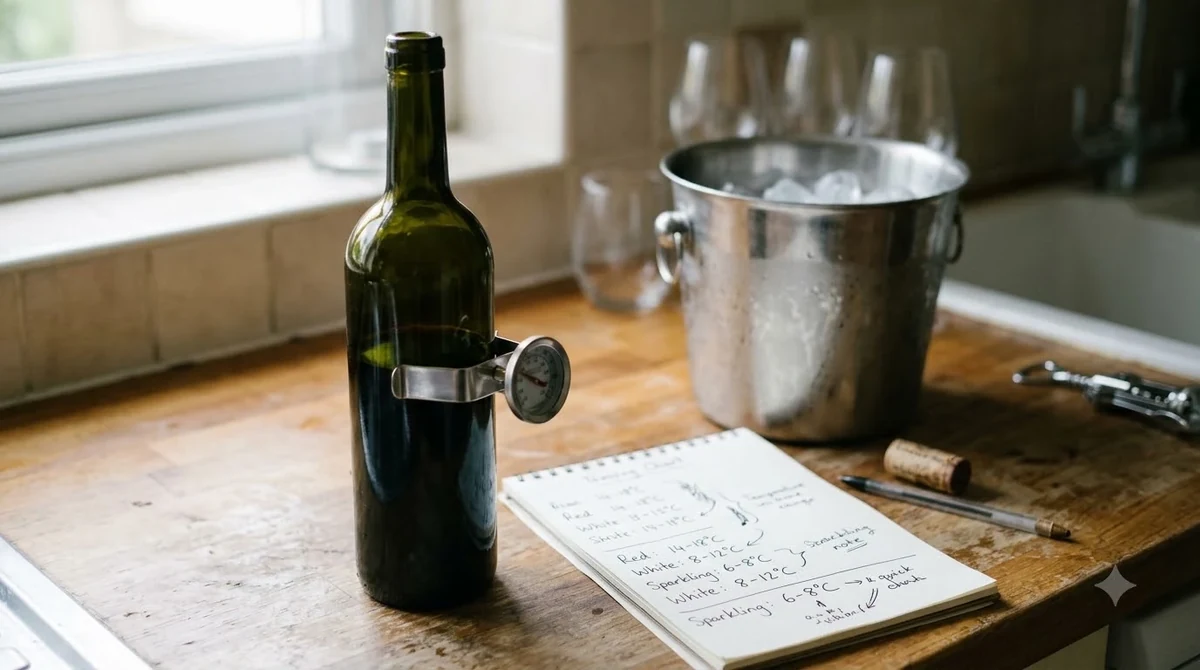
For Protocolo Tempranillo, aim for approximately 60 to 65 degrees Fahrenheit. This is a suitable range for fuller-bodied red wines and helps maintain a balance between fruit, tannin, and alcohol perception.
If the bottle has been sitting in a warm kitchen, chill it briefly before serving. Avoid leaving it in an ice bucket for an extended period. Extremely low temperatures can mute the aroma and make the wine seem harder and less expressive.
The other Protocolo styles need different treatment. General wine-serving guidelines suggest 45 to 50 degrees Fahrenheit for light whites and rosés, while fuller whites generally benefit from approximately 50 to 55 degrees Fahrenheit. Sweet white wines are commonly served at 43 to 50 degrees Fahrenheit.
Use a Suitable Glass and Pour
A standard wine glass with enough room to swirl is appropriate for Tempranillo. The movement releases aromatic compounds and makes it easier to identify fruit and spice characteristics. There is no need to purchase specialized glassware to enjoy an everyday Spanish red.
A standard serving is approximately 5 ounces. A 750 ml bottle contains about five such pours, while a 1.5-liter bottle contains approximately ten. These figures are useful when planning a dinner or estimating how many bottles to serve at a gathering.
Decide Whether to Decant
Protocolo is generally positioned as a youthful red rather than a wine that requires extended decanting. Opening the bottle shortly before dinner should be sufficient for an ordinary casual occasion. A brief period in the glass can also help the wine release its aromas.
Young, fuller-bodied reds can benefit from approximately 30 to 60 minutes of decanting when their structure seems particularly firm. However, this is an optional technique rather than a requirement for every Protocolo bottle. Start by pouring a small glass and assessing how the wine develops.
Store Unopened Bottles Correctly
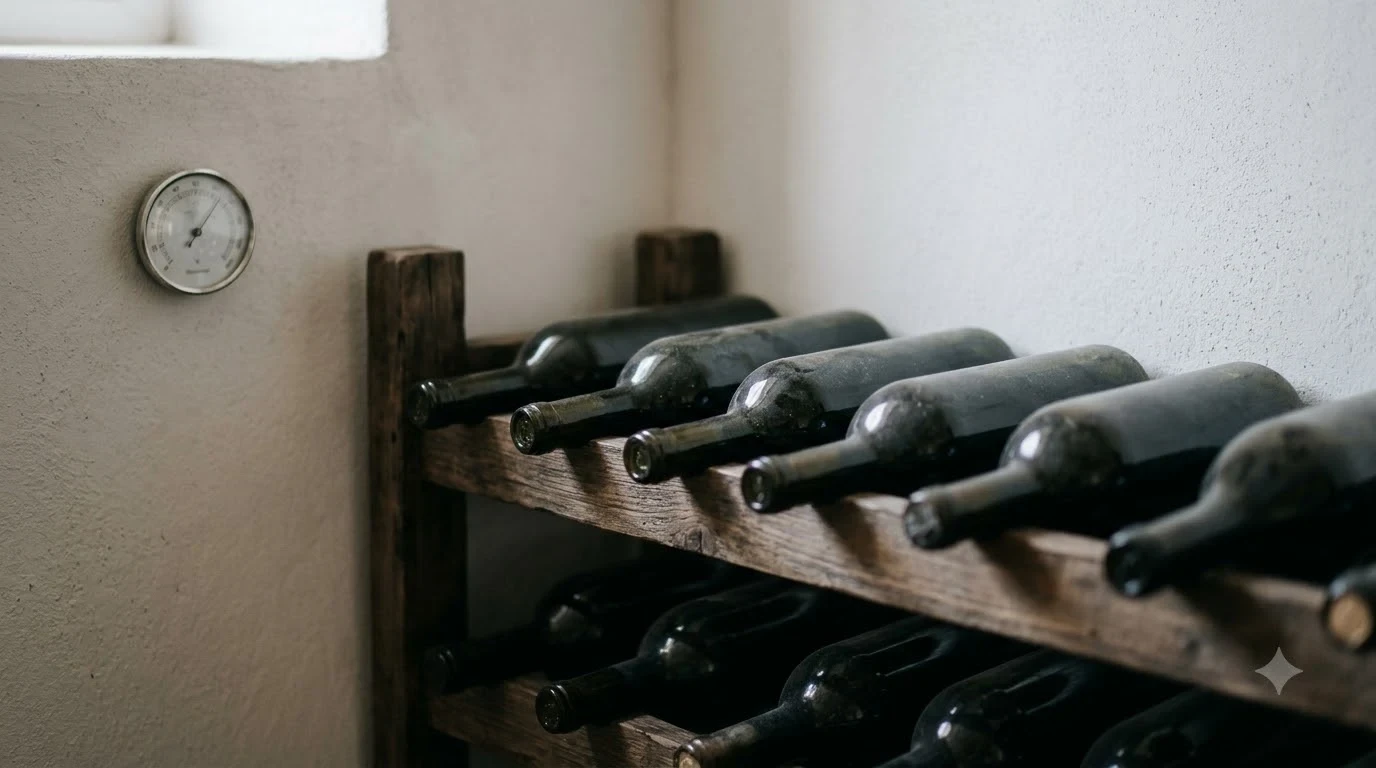
Store unopened wine away from direct sunlight, strong temperature fluctuations, and sources of heat. A cool environment near 55 degrees Fahrenheit is a useful general target. For bottles with traditional cork closures, horizontal storage helps keep the cork in contact with the wine.
Protocolo’s listed screw-cap closure makes horizontal storage less important for maintaining cork moisture, but a stable, cool storage environment remains beneficial. Avoid storing bottles above refrigerators, beside ovens, or near windows where sunlight can warm the wine.
Preserve an Opened Bottle
After opening, reseal the bottle and place it in the refrigerator. Even red wine benefits from refrigeration once exposed to oxygen. Before serving again, allow it to warm toward its preferred drinking temperature.
Most opened still wines remain in reasonable drinking condition for approximately three to five days when properly refrigerated. The exact period depends on the wine’s condition, exposure to air, and storage method. If the fruit aromas fade or the wine develops an unpleasant stale or vinegar-like character, its best drinking window has passed.
For the standard Protocolo red, a practical approach is to finish the bottle within a few days, use a tight-fitting closure, and minimize the amount of air in the bottle. A vacuum stopper can also help reduce oxygen exposure, although it cannot stop wine from changing entirely.
Frequently Asked Questions
Is Protocolo wine made by a Spanish winery?
Yes. The Protocolo Tempranillo discussed here is associated with Dominio de Eguren, a Spanish wine producer. The wine is classified as Vino de la Tierra de Castilla, and the producer’s vineyard sourcing includes Manchuela, Rioja, and Toro. Its regional identity is therefore an important part of understanding the wine.
Does Protocolo wine contain animal-derived fining ingredients?
The production descriptions discussed in this guide do not establish whether every Protocolo bottling is vegan. Wine can be clarified using different fining materials, including animal-derived and non-animal alternatives. Shoppers requiring vegan wine should seek explicit confirmation from the producer or importer for the specific bottle.
Does Protocolo use a screw cap or a cork?
Regal Wine Imports lists a screw-cap closure for its standard Protocolo Tempranillo. Screw caps are designed to provide a convenient seal without requiring a corkscrew. Packaging can differ between products or markets, so the specific bottle format remains relevant.
Is Protocolo wine suitable for cooking?
A dry Tempranillo can be used in recipes that call for red wine, including tomato-based sauces and certain braised dishes. Its fruit character can contribute depth to savory preparations. Use a wine that is in good drinking condition rather than an oxidized or spoiled leftover bottle.
Can Protocolo wine be aged for several years?
The standard Protocolo Tempranillo is described by Banville Wine Merchants as being bottled young to preserve freshness and aromatics. This indicates an emphasis on youthful drinking rather than long-term cellar development. For the best expression of its intended fruit profile, it is sensible to follow the drinking guidance for the specific vintage rather than treating it as a long-term collectible.
Protocolo is a useful introduction to Spanish Tempranillo, particularly for drinkers who appreciate fruit-forward reds with moderate structure and practical food-pairing options. Its standard red, organic alternatives, and other expressions offer different ways to explore the producer’s range. For a straightforward starting point, choose the standard Tempranillo, serve it slightly cool, and pair it with a savory meal.
More in Wine Brands
 Yellow Tail Moscato Review: Taste, Sweetness and Serving TipsUpdated Nov 21, 2026
 Wolf Blass Yellow Label Review: Choose Your Best StyleUpdated Nov 21, 2026
 Wolffer Estate Rose Review: Choose the Right Bottle for Your TableUpdated Nov 21, 2026
 Wolf Blass Yellow Label Price: What to Expect for Each BottleUpdated Nov 21, 2026
 Yellow Tail Pinot Grigio Price: Compare Bottle Sizes and Retail CostsUpdated Nov 21, 2026
 Yellow Tail Big Bold Red Price and What Buyers GetUpdated Nov 21, 2026