


We may earn a commission when you buy through links on this page, at no extra cost to you. Learn more.
Planeta wine price typically ranges from about $15 to $60 for many standard 750 ml bottles in the United States, with premium selections such as Santa Cecilia and specialty bottlings potentially costing more. The Sicilian producer offers approachable everyday wines alongside distinctive regional reds, structured Chardonnay, and more ambitious single-variety bottlings. La Segreta is a sensible starting point for budget-conscious buyers, while Cometa, Chardonnay, and Santa Cecilia appeal to shoppers looking for more complexity and a different expression of Sicily.
Planeta is an interesting producer to compare because its wines cover several Sicilian wine-growing areas and grape varieties rather than following one narrow style. A bottle of La Segreta Bianco serves a different purpose from a bottle of Santa Cecilia or Etna Rosso, and their retail prices reflect those differences. Understanding the range makes it easier to choose a bottle based on grape, style, occasion, and budget instead of assuming every wine bearing the Planeta name costs about the same. Buyers who want a broader introduction can also explore our Planeta wine overview.
Who This Is For: Planeta Wine Buyers at Different Budgets
Planeta wine suits shoppers who want to explore Sicilian varieties and regional expressions across several price levels. Its entry-level La Segreta range offers an accessible introduction, while wines from Noto, Vittoria, and Etna provide more specialized options for buyers prepared to spend more.
Budget-conscious shoppers should begin with La Segreta Bianco or La Segreta Rosso. These wines provide an introduction to Planeta’s approach without requiring a premium-wine budget. La Segreta Bianco combines Grecanico, Chardonnay, Grillo, and other varieties, while La Segreta Rosso uses Nero d’Avola as its principal grape, supplemented with international varieties. The producer positions these wines as approachable choices for everyday occasions.
Buyers who already enjoy Italian wine may prefer to explore individual grape varieties and appellations. Cerasuolo di Vittoria brings together Nero d’Avola and Frappato, while Etna Rosso highlights Nerello Mascalese. These bottles offer different expressions of Sicily and can be more interesting choices for a dinner featuring regional Italian cooking.
There is also a place for Planeta’s more ambitious bottles. Chardonnay and Cometa provide options for white-wine drinkers looking beyond basic everyday styles. Santa Cecilia is particularly relevant to shoppers interested in a more concentrated expression of Nero d’Avola from Noto.
The right spending level depends on the occasion. An uncomplicated weeknight dinner rarely requires a premium bottle, whereas a special meal, a wine-focused gift, or a tasting of Sicilian varieties may justify a higher budget. Shoppers comparing different affordable wine producers can also read our guide to Barefoot wine for a useful contrast in brand positioning and buying expectations.
Key Factors to Compare When Checking Planeta Wine Price
The most useful comparison considers grape variety, production style, growing area, and intended occasion together. A higher retail price does not automatically mean a wine will suit every palate better than a less expensive Planeta bottle.
Planeta’s portfolio covers multiple areas of Sicily. Menfi is associated with wines such as La Segreta and Chardonnay, Noto is home to Santa Cecilia, Vittoria produces wines including Cerasuolo di Vittoria and Frappato, and Etna provides wines based on varieties such as Nerello Mascalese. These geographical distinctions matter because they help explain why bottles from the same producer can taste and cost quite differently.
Grape variety is another important consideration. Nero d’Avola generally gives reds a darker-fruited, fuller profile with noticeable tannin. Frappato tends toward a lighter, more aromatic expression. Nerello Mascalese can offer more restrained red-fruit character and freshness, while Fiano in Cometa gives buyers a structured white-wine alternative to Chardonnay.
Retailer listings provide a practical starting point for comparing prices. The following are approximate US retail shopping ranges based on the Planeta listings at BuyWinesOnline and Wine.com, rather than fixed producer-set prices. Vintage, bottle availability, retailer, and shipping destination can change the amount a shopper encounters.
| Planeta wine or category | Typical US retail range | Buying consideration |
|---|---|---|
| La Segreta Bianco | About $15–$25 | Accessible Sicilian white blend |
| La Segreta Rosso | About $15–$25 | Everyday Nero d’Avola-led red |
| La Segreta Nero d’Avola | About $15–$25 | Single-variety red option |
| Rosé | About $15–$25 | Fresh, casual drinking |
| Cerasuolo di Vittoria | About $20–$35 | Regional Nero d’Avola and Frappato blend |
| Frappato | About $20–$35 | Lighter-bodied Sicilian red |
| Etna Rosso | About $30–$45 | Nerello Mascalese-based regional red |
| Chardonnay | About $40–$60 | More ambitious oak-influenced white |
| Cometa | About $40–$60 | Distinctive Fiano-based white |
| Santa Cecilia | About $45–$60+ | Premium Nero d’Avola from Noto |
These ranges are broad buying estimates, not guaranteed prices for every vintage. BuyWinesOnline’s published Planeta listings provide examples of the different retail levels: its La Segreta Bianco and Rosso listings occupy a lower tier than its Chardonnay and Cerasuolo di Vittoria listings. Wine.com’s portfolio also includes higher-positioned wines such as Cometa Fiano and Didacus Chardonnay. Prices vary by state and retailer.
Another factor is bottle availability. A wine with a relatively limited selection of US retailers may have a wider price spread than an entry-level bottling distributed through several shops. Comparing the same vintage and bottle size is more useful than comparing two listings with different vintages or formats.
For a more precise comparison, the producer’s official Planeta wine portfolio is useful for confirming the names and regional identities of individual bottlings before comparing retailer listings. A product description can help distinguish two wines with similar names but different grape compositions or origins.
Step-by-Step: How to Choose the Right Planeta Bottle
A simple purchasing process can prevent overspending and make the differences between Planeta wines easier to understand. Start with your budget, select a preferred style, and then compare the same wine across retailers before choosing a bottle.
-
Set a spending limit. Decide whether the purchase is intended for an everyday dinner, a weekend meal, or a special occasion. A budget around $15 to $25 makes the La Segreta range a logical starting point, while a larger budget opens up options such as Cerasuolo di Vittoria, Etna Rosso, and Chardonnay.
-
Choose red, white, or rosé. For a white wine, consider La Segreta Bianco, La Segreta Grillo, Cometa, or Chardonnay. Red-wine drinkers can compare La Segreta Rosso, Frappato, Etna Rosso, and Santa Cecilia. Planeta Rosé is an alternative for lighter meals and warm-weather occasions.
-
Identify the grape variety. Nero d’Avola is a good starting point for drinkers who enjoy fuller reds. Frappato is useful for those who prefer a lighter red. Fiano offers a distinctive white option, while Chardonnay is more familiar to shoppers who enjoy richer white wines.
-
Compare the same vintage. Vintage differences can influence both flavor and price. A 2022 Chardonnay should be compared with another 2022 Chardonnay where possible, rather than with an unrelated vintage or a different wine in the portfolio.
-
Check bottle size. The standard comparison is a 750 ml bottle. Larger formats and smaller bottles can produce misleading price comparisons if the amount of wine is not taken into account.
-
Compare several US retailers. Look at the listed price, shipping costs, delivery restrictions, and bottle availability. A lower displayed amount may not represent the lowest total purchase cost once shipping is included.
-
Match the wine to the meal. Choose Frappato for lighter dishes, Nero d’Avola for richer meat preparations, and a crisp Sicilian white for seafood or vegetable dishes. Consider the intensity of the food as well as the wine’s body and acidity.
For a first purchase, choosing two wines at different price levels can be more informative than buying several bottles from the same category. For example, comparing La Segreta Rosso with Santa Cecilia demonstrates how two Nero d’Avola-focused wines can serve different occasions and spending preferences.
Tip: Compare wines by grape variety and vintage before comparing their prices. A $20 Frappato and a $50 Chardonnay are designed for different drinking experiences, so the higher-priced bottle is not automatically the better purchase for your preferences.
Types or Styles Explained: What You Get at Each Price Level
Planeta’s range includes approachable blends, single-variety wines, regional reds, and more ambitious whites. Understanding the differences between these styles is the most reliable way to decide whether a particular price makes sense for your needs.

La Segreta: The Everyday Starting Point
La Segreta is one of the easiest ways to begin exploring the producer. The Bianco is a blend containing 40% Grecanico, 20% Chardonnay, 20% Grillo, and 20% other varieties. Its combination of native and international grapes gives shoppers an accessible introduction to Sicilian white wine. The producer identifies Menfi and Sambuca di Sicilia as its source areas, with fruit from Dispensa, Gurra, and Ulmo.
La Segreta Rosso is principally based on Nero d’Avola with international varieties added to shape the final blend. Planeta’s published composition is 50% Nero d’Avola, 25% Merlot, 20% Syrah, and 5% Cabernet Franc. It is positioned as a versatile everyday red. Buyers looking for a straightforward wine to serve with tomato-based pasta, pizza, grilled vegetables, or casual meat dishes can start here.
The producer also makes La Segreta Grillo and La Segreta Nero d’Avola. Grillo is a 100% single-variety white, while the Nero d’Avola bottling gives buyers a direct expression of the Sicilian red grape. These wines are useful alternatives for shoppers who prefer a more specific varietal identity rather than a blend.
Regional Reds: Frappato, Cerasuolo di Vittoria, and Etna
Planeta’s regional red wines offer a wider range of texture and structure. Frappato is an aromatic, lighter-style red associated with Vittoria. It is a useful option for shoppers who find heavily tannic reds too powerful, particularly alongside roasted vegetables, poultry, and moderately seasoned Mediterranean dishes.
Cerasuolo di Vittoria combines Nero d’Avola and Frappato. The resulting wine brings together the darker-fruited character of Nero d’Avola and the aromatic freshness associated with Frappato. It is a particularly interesting purchase for someone who wants to explore a recognized Sicilian regional wine rather than a simple varietal bottling.
Etna Rosso offers another distinctive direction. Made from Nerello Mascalese, it represents the volcanic wine-growing environment of Mount Etna. It can suit drinkers who enjoy reds with freshness and savory character rather than only ripe, dense fruit.
Premium Reds: Santa Cecilia and Other Structured Bottles
Santa Cecilia is an important choice for shoppers interested in Nero d’Avola from Noto. Planeta includes it in its Buonivini portfolio, and the wine offers an opportunity to explore a more ambitious expression of this important Sicilian grape variety.
Other bottles, including Burdese and Maroccoli, explore different grape varieties and winemaking approaches. Burdese combines Cabernet Sauvignon and Cabernet Franc, while Maroccoli is a Syrah from the Menfi area. Both provide alternatives to the more familiar Nero d’Avola profile.
White Wines: Chardonnay and Cometa
Planeta Chardonnay is a prominent option for buyers who enjoy a richer, more developed white wine. The producer identifies Ulmo and Maroccoli as its source vineyards and describes fermentation and aging in French wood. The wine is made from 100% Chardonnay and classified as Menfi DOC. This style is a useful alternative to lighter, unoaked Italian whites.
Cometa is made from Fiano, a grape associated historically with Campania. Its structured character and distinctive aromatic profile make it an interesting purchase for shoppers who want something different from Chardonnay. Both wines occupy a higher spending level than La Segreta, but they offer distinctly different expressions of Sicilian white wine.
Common Mistakes When Comparing Planeta Wine Prices
The most common mistake is treating every Planeta bottle as though it belongs to one quality or price category. The portfolio includes different grape varieties, production approaches, and regional identities, so comparisons should be made between wines serving similar purposes.
One frequent error is comparing La Segreta Rosso directly with Santa Cecilia without considering their intended styles. Both involve Nero d’Avola, but Santa Cecilia is a more ambitious expression associated with Noto. A higher price reflects a different position in the portfolio, not simply a larger quantity of the same wine.
Another mistake is overlooking grape variety. A shopper who prefers lighter reds might pay more for a concentrated Nero d’Avola and then find it less enjoyable than a less expensive Frappato. Likewise, someone who prefers fresh, aromatic whites may not appreciate the fuller character of an oak-influenced Chardonnay as much as a bottle of La Segreta Bianco or Grillo.
Vintage comparisons can also create confusion. A retailer may list an older vintage at a higher amount because of availability or remaining inventory. Another shop might have a newer vintage at a different price. These listings should not be treated as directly equivalent without considering the vintage and bottle condition.
Shoppers should also avoid assuming that every wine from Etna costs more simply because of its volcanic origin. Etna Rosso, Etna Bianco, and other wines from the area have individual production and market characteristics. The specific bottling matters more than the regional name alone.
Finally, do not compare a retailer’s promotional display with another retailer’s standard listing without considering the complete transaction. Shipping charges, local alcohol taxes, minimum-order requirements, and state delivery restrictions can affect the final cost. The best comparison is based on the same bottle, vintage, size, and total purchase conditions.
Care and Storage Tips for Planeta Wines
Proper storage and serving temperature help preserve the character of Planeta wines after purchase. Keep bottles away from direct sunlight and large temperature changes, and serve whites and reds at temperatures appropriate to their body and style.
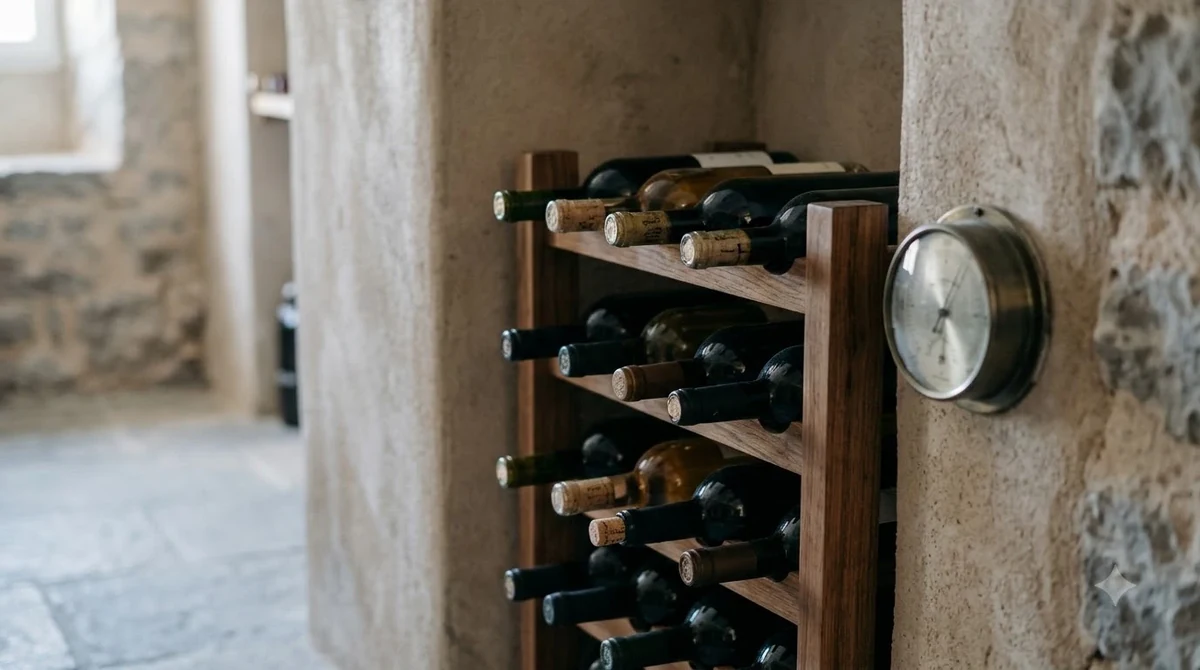
For long-term storage, keep cork-finished bottles on their sides in a cool, dark location near 55°F. Stable temperature is more important than repeatedly moving bottles between warm and cold environments. Avoid placing wine next to ovens, heating equipment, or sunny windows, where temperature fluctuations can damage the wine.
For serving, lighter whites such as La Segreta Bianco and Grillo generally work well at 45–50°F. More structured whites, including Chardonnay and Cometa, are better served around 50–55°F. This allows their aromas and texture to show without making the wine feel overly cold.
For reds, lighter styles such as Frappato can be served around 55–60°F. Fuller reds, including Santa Cecilia and some structured Nero d’Avola bottlings, generally benefit from a slightly warmer serving temperature of 60–65°F. Etna Rosso can also be enjoyable toward the cooler end of the light-to-medium red range, depending on the wine’s structure.
Young, full-bodied reds can benefit from 30–60 minutes of decanting before serving. This is particularly useful when a structured red needs time to open in the glass. More delicate wines do not necessarily need extended aeration, so tasting a small pour first is a practical approach.
Once opened, store still Planeta wines in the refrigerator and aim to finish them within approximately three to five days. Use a suitable closure to limit air exposure. If a white or rosé becomes warmer during service, return it to the refrigerator rather than leaving it on a sunny dining table.
Planeta wines can also be paired with a wide range of food. La Segreta Bianco works with seafood, salads, and fresh cheeses. Frappato is a good companion for roasted vegetables and lighter meat dishes, while Santa Cecilia can complement lamb, grilled beef, and rich tomato-based preparations. The general principle is to match the wine’s body and acidity to the weight and intensity of the dish.
Frequently Asked Questions
Is Planeta an Italian or Sicilian wine brand?
Planeta is a Sicilian wine producer based in Italy. Its portfolio includes wines associated with Menfi, Noto, Vittoria, Etna, and Capo Milazzo. The range is notable for combining native Sicilian varieties with international grapes such as Chardonnay, Merlot, and Cabernet Sauvignon.
Does Planeta make organic wine?
Planeta states that its entire cultivated area, including vineyards, olive groves, almond orchards, and cereal fields, is certified organic. This statement concerns the cultivated area and should not be interpreted as a claim that every individual wine has identical certification or labeling. Buyers interested in a specific bottle should distinguish the estate’s agricultural certification from the certification shown on that wine.
What grape varieties are used in Planeta wines?
Planeta works with numerous varieties, including Nero d’Avola, Frappato, Grillo, Grecanico, Fiano, Carricante, Nerello Mascalese, Chardonnay, Syrah, and Cabernet Sauvignon. Its portfolio also includes Moscato Bianco for sweet and aromatic wines. This diversity allows the producer to offer red, white, rosé, sparkling, and dessert styles.
Is Planeta Chardonnay suitable for aging?
Planeta Chardonnay is a structured white wine made with fermentation and aging in French wood. Its style makes it different from a simple, light-bodied everyday Chardonnay. The ideal drinking window depends on the vintage, storage conditions, and the wine’s development, so buyers should consult vintage-specific guidance rather than assume every bottle has the same aging potential.
What is Planeta Passito di Noto?
Passito di Noto is a Sicilian dessert wine produced from Moscato Bianco grapes that are dried before winemaking. Planeta’s portfolio includes this sweet wine alongside dry whites and reds. It is a different purchasing choice from the producer’s dry everyday whites and can be paired with traditional Sicilian desserts.
Planeta offers a broad selection of Sicilian wines, with approachable La Segreta bottles at the entry level and more distinctive options such as Cometa, Chardonnay, Etna Rosso, and Santa Cecilia at higher spending levels. The smartest purchase is the bottle that matches your preferred grape, food pairing, and occasion rather than simply the most expensive wine in the portfolio. Start with La Segreta if you are exploring the producer for the first time, then consider its regional and premium wines as your preferences become clearer.
More in Wine Brands
 Wolffer Estate Rose Review: Choose the Right Bottle for Your TableUpdated Nov 21, 2026
 Wolf Blass Yellow Label Price: What to Expect for Each BottleUpdated Nov 21, 2026
 Yellow Tail Pinot Grigio Price: Compare Bottle Sizes and Retail CostsUpdated Nov 21, 2026
 Yellow Tail Big Bold Red Price and What Buyers GetUpdated Nov 21, 2026
 Winc Wine Price: Compare Bottle Costs and Membership PlansUpdated Nov 21, 2026
 Wolf Blass Wine Price: Compare Labels and Find the Right BottleUpdated Nov 21, 2026