

We may earn a commission when you buy through links on this page, at no extra cost to you. Learn more.
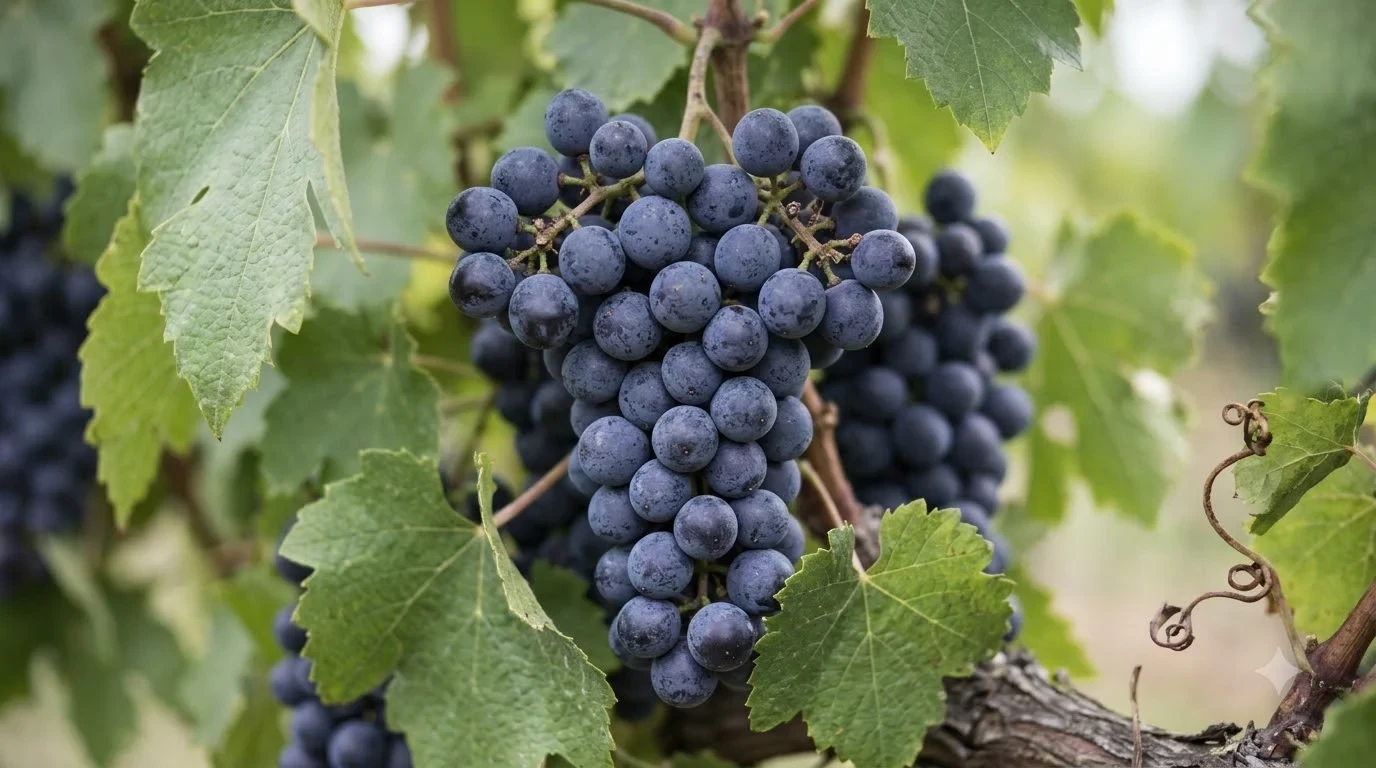
The moscato bianco grape is a white variety from the Muscat family, also known as Muscat Blanc à Petits Grains, and it is the grape behind Moscato d’Asti and Asti in Piedmont, Italy. Its small, yellow-hued berries make wines that range from dry to sweet, still to sparkling, and light to fortified, with a strong floral perfume of orange blossom and honeysuckle. In Piedmont, the regional rules require at least 97% moscato bianco in the vineyard for each Asti-family wine, which is why this one grape defines so much of the region’s style.
Moscato has a reputation problem. Plenty of drinkers assume every bottle is cloyingly sweet, yet the grape behind it is far more versatile than that reputation suggests, and dry, still, sparkling and fortified wines all come from the Muscat family. Wine Enthusiast’s Moscato guide makes that case well. This article covers what the moscato bianco grape is, where it grows, how Piedmont’s rules shape the wine, and how to serve and pair it. If you care more about the finished bottles than the grape, our guide to moscato bianco wine covers the main styles.
What Is the Moscato Bianco Grape?
The moscato bianco grape is a white variety from the Muscat family, which Decanter describes as one of the oldest and most widely planted grape families in the world. Its Italian name, moscato, is the one most drinkers see on a label, while the French name is Muscat Blanc à Petits Grains.
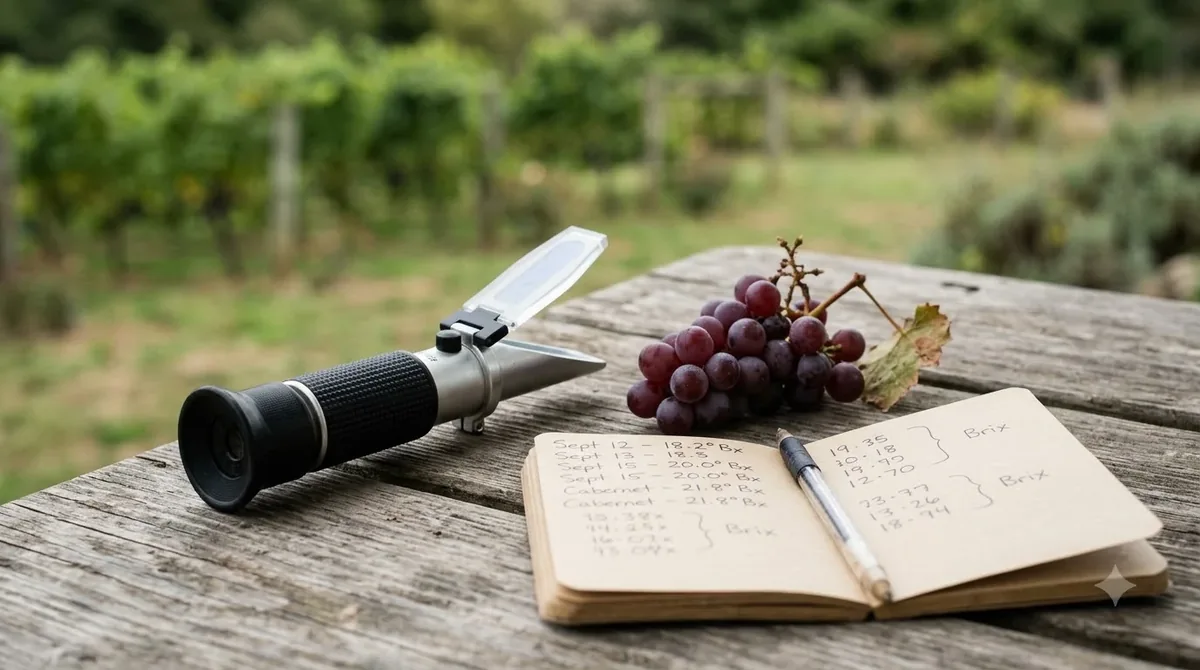
Moscato is simply the Italian term for Muscat Blanc à Petits Grains, and the same vine goes by several other names. Spanish growers call it Moscatel de Grano Menudo, German and Austrian growers use Muskateller, and it also appears as Muscat of Frontignan. Its berries are small and yellow-hued, and they can produce dry to sweet wines with a distinct floral perfume of orange blossom and honeysuckle. Some Muscat mutations have pink, red or dark brown skins, and Moscato Rosa, a red-hued variety, is grown in small amounts in Trentino-Alto Adige.
The names cause the most confusion. Muscat is the family name, Moscato is the Italian term for this white variety, and Moscatel is the Iberian term for a different grape, Muscat of Alexandria. That second grape has larger, darker berries and a more subdued fragrance, and in southern Italy it is called Zibibbo. The island of Pantelleria makes some of Italy’s finest sweet wines from it. For a quick map of how this grape sits among white wine types, see Wine by Type.
Where the Moscato Bianco Grape Grows in Piedmont
Piedmont, in northwest Italy, is the grape’s heartland, and langhe.net describes moscato bianco as the second most cultivated variety in the region after barbera, covering more than 20% of the vineyard area.
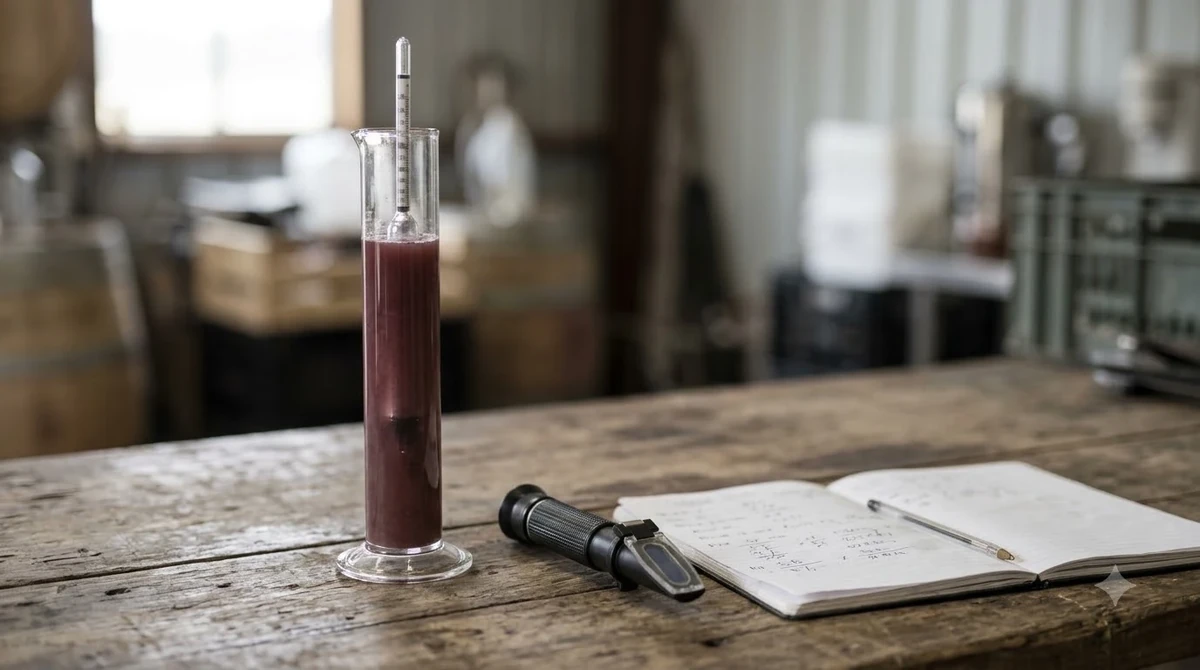
The Moscato d’Asti zone spans 51 municipalities in the provinces of Asti, Cuneo and Alessandria, according to the regional production rules. Langhe.net puts the planted area at about 9,700 hectares, worked by more than 4,000 farms that produce close to 40 million bottles a year. Those figures show how much of the local landscape the grape shapes.
The landscape is dramatic. In the Langhe, the ridges are steep, and vineyards climb slopes where langhe.net notes that viticulture is called heroic because of the effort it takes. Along the Belbo and Bormida valleys, miles of dry stone walls support the terraces, and UNESCO has recognized them as intangible heritage. The soils are ancient marine deposits, mostly clay marls rich in sand and limestone, while the Belbo Valley has calcareous conglomerates and whitish marls. The regional rules say moscato bianco expresses its aromas best on calcareous soils, and they exclude flat or humid valley-floor sites. The preferred minimum altitude is 165 meters above sea level.
The grape’s history in the zone runs deep. Langhe.net dates the first certain traces of cultivation in Piedmont to the 14th century around Canelli. By the Renaissance the grape was prized enough that the Magistrate of Casale asked for vine cuttings from Santo Stefano Belbo for the Duke of Mantua in 1593.
The Piedmont Rules Behind Moscato d’Asti
Piedmont’s production rules for Moscato d’Asti are very specific, and they explain much of what ends up in the glass. The legal framework is the official regional production rules, called the disciplinare, which cover the Asti DOCG family. The vineyard rules start with the grape itself. Vineyards must be at least 97% moscato bianco, and the remaining 3% can come from other aromatic white varieties suited to Piedmont. Sites must be hillside plots, since flat and humid valley-floor vineyards are excluded.
Yields are tightly capped. Moscato d’Asti is limited to 10 tonnes of grapes per hectare. In exceptional years the region can allow an increase of up to 20%, but never beyond 12 tonnes per hectare. The winemaking rules are just as firm. Moscato d’Asti can only be enriched with concentrated moscato bianco must made in Piedmont, rectified concentrated must, or other permitted practices. Vinification and bottling must take place within the provinces of Alessandria, Asti and Cuneo, plus one small area in Turin province. The table below lists the core requirements that the finished wine must meet.
| Requirement | Moscato d’Asti rule |
|---|---|
| Moscato bianco in the vineyard | At least 97% |
| Maximum grape yield | 10 tonnes per hectare |
| Total alcohol, minimum | 11.00% vol |
| Fermented (actual) alcohol | 4.50% to 6.50% vol |
| Minimum total acidity | 4.5 g/L |
| Maximum sparkle pressure at 20 °C | 2.5 bar |
Moscato d’Asti and Asti: Same Grape, Two Different Wines
Moscato d’Asti and Asti share one grape but not one method, so they taste and feel quite different.
Moscato d’Asti is made by stopping fermentation early. Langhe.net explains that the pressed must is chilled to about 0 °C so the lees can be separated, then warmed to 18 °C to start fermentation. Producers stop it by chilling and filtering once the alcohol falls between 4.5% and 6.5%, which leaves natural sugar in the wine. The wine is then kept in cold steel tanks and bottled under strict sterility to prevent a second fermentation in the bottle.
Asti takes the opposite route. It is refermented in pressurized tanks, using the autoclave or Martinotti method, after sugar and yeast are added. The regional rules require at least one month of processing, including bottle time. Asti’s minimums are higher, with at least 11.50% total alcohol and at least 6.00% from fermentation. The result is a fully sparkling wine with fine, persistent bubbles, while Moscato d’Asti stays softer and gently fizzy.
| Feature | Moscato d’Asti | Asti (sparkling) |
|---|---|---|
| How fermentation ends | Stopped early by chilling and filtering | Completed in pressurized tanks after added sugar and yeast |
| Fermented alcohol | 4.50% to 6.50% vol | At least 6.00% vol |
| Total alcohol | At least 11.00% vol | At least 11.50% vol |
| Bubbles | Gentle, up to 2.5 bar at 20 °C | Fine, persistent, fully sparkling |
How the Moscato Bianco Grape Tastes
Expect a perfumed, floral wine with honeyed sweetness, orange blossom on the nose and ripe white fruit on the palate.
Langhe.net lists the aromas of Moscato d’Asti as white flowers such as wisteria and acacia, plus sage or lemongrass, honey, and white-fleshed fruit like white melon, peach, green apple and pink grapefruit. On the palate, the wine is delicate, sweet and fragrant, slightly sparkling, with a touch of acidity that keeps it fresh. Those aromas belong to the grape itself, so the wine carries the character of the fruit it came from.
Wine Enthusiast points to honeysuckle and tropical fruit as the signature of the sweet style, while Decanter’s description of the small yellow berries highlights orange blossom and honeysuckle. Across these sources, the common thread is a floral perfume with ripe peach. Sweetness is the trait most people notice first and misjudge most often. Moscato d’Asti is sweet, but its low alcohol and light body keep the sugar from feeling heavy. Acidity is the other half of the picture. Moscato bianco wines generally sit in the low-to-medium acidity range, and the legal minimum for Moscato d’Asti is 4.5 grams per liter. That modest acidity is why the wine works best with desserts that are not very tart.
Dry, Fortified and Other Moscato Bianco Styles
Moscato bianco is also made as dry, still and fortified wines, which many drinkers never encounter.
Wine Enthusiast reports dry Muscat wines from California, Alsace, southern Italy and parts of Spain. These keep the honeysuckle and orange blossom character but have a light body and brisk acidity, which suits spicy dishes, fresh seafood and herb-heavy Mediterranean plates. Fuller dry styles come from extended skin contact or barrel aging, especially in southern France, and some producers make the grape as an orange wine with darker color and grapefruit and tropical flower aromas.
The most intense style is fortified. Muscat de Beaumes-de-Venise, from France’s Rhône Valley, is fortified with neutral grape spirit, usually brandy, to halt fermentation early. That keeps sugar in the wine while raising its alcohol. Wine Enthusiast describes notes of dried mango, fresh apricot and warm spice, and suggests pairing it with blue cheese, chocolate or vanilla ice cream.
Piedmont also makes a late-harvest version, Moscato d’Asti vendemmia tardiva. Its grapes are picked late and may be partially dried after harvest, and the finished wine must reach at least 14% total alcohol under the regional rules. The color moves toward golden yellow, with a sweetness the rules describe as recalling honeycomb. If you want to compare this grape with Piedmont’s aromatic reds, the brachetto grape is a useful next step.
Serving, Pairing and Storing Moscato Bianco Wine
Serve moscato bianco wines well chilled, and pair them with desserts that are no sweeter than the wine.
For sweet whites, aim for roughly 43 to 50 °F. Langhe.net recommends a coupe glass rather than a flute, because the wide bowl lets the perfume open without overwhelming the nose. A standard pour is 5 ounces, so a 750 ml bottle gives about five glasses.
Dessert is the classic pairing. Langhe.net names hazelnut cake and zabaione as traditional partners, and panettone and fruit desserts fit the same style. Still sweet Moscato can also balance spicy food. Wine Enthusiast suggests General Tso’s chicken, where the sweetness softens the heat. Dry Muscat suits fresh seafood and herb-driven plates, and Moscato d’Asti is a good aperitif with oysters, prosciutto crudo and aged cheeses.
Tip: Avoid very tart desserts such as lemon tart with a low-acid Moscato. Its modest acidity can make the wine taste flat next to sharp citrus, so a peach or apricot tart is a safer match.
Because Moscato d’Asti is lightly sparkling, treat an opened bottle like a sparkling wine and finish it within one to three days in the fridge. Still Muscat styles can keep three to five days, and fortified Muscat lasts several weeks. Store unopened bottles on their side in a cool place, near 55 °F.
Frequently Asked Questions
These answers cover growing, sugar, bottles, aging and ratings.
Is the moscato bianco grape hard to grow?
Langhe.net notes that the vine is prone to mildew and ripens around mid-September, so site choice and disease management matter. Piedmont’s rules require at least 4,000 vines per hectare for new plantings and replantings, which sets a dense planting pattern from the start.
How much sugar is left in Moscato d’Asti?
According to langhe.net, producers usually stop fermentation when residual sugar sits between 90 and 120 grams per liter. That level explains the sweetness, while the modest alcohol keeps the finished wine light.
Why does Moscato d’Asti come in a standard wine bottle?
Piedmont’s rules ban mushroom stoppers and wire cages for Moscato d’Asti, and they require 750 ml bottles to weigh at least 500 grams. Asti sparkling wine must use heavier bottles, at least 630 grams for 750 ml, which reflects its fully sparkling character.
Should I cellar moscato bianco wine?
No. Moscato d’Asti is best enjoyed young, and langhe.net recommends drinking it within one year of harvest. The late-harvest version is the exception, since Piedmont’s rules require at least one year of aging for vendemmia tardiva, counted from the point the wine is prepared.
Which Moscato d’Asti has earned top ratings?
Wine Enthusiast gave 94 points to Elio Perrone’s Sourgal Moscato Bianco, a Moscato d’Asti it recommends as a Best Buy. The same score went to Braida di Giacomo Bologna’s Vigna Senza Nome, which the magazine named an Editors’ Choice.
The moscato bianco grape has deep roots in Piedmont, and its reputation as a simple sweet wine undersells it. Once you know the difference between Moscato d’Asti and Asti, and how Piedmont’s rules shape each bottle, choosing the right one for your table becomes much easier.
More in Wine Types & Grapes
 Zinfandel Sugar Content: Dry Red vs. White Zinfandel GramsUpdated Nov 21, 2026
 Best Zinfandel Substitute Options for Sipping and CookingUpdated Nov 21, 2026
 Zweigelt Food Pairing: Best Dishes, Cheeses, and Serving TipsUpdated Nov 21, 2026
 Zinfandel Tannins Explained: How Structure Shapes Every BottleUpdated Nov 21, 2026
 Zinfandel Sweetness Level: Dry Red vs. Sweet White Zin ExplainedUpdated Nov 21, 2026
 Xinomavro Food Pairing: Best Dishes, Styles, and Serving TipsUpdated Nov 21, 2026