

We may earn a commission when you buy through links on this page, at no extra cost to you. Learn more.
The merry edwards sauvignon blanc price typically falls around $45 to $55 for a 750 ml bottle in the United States, depending on vintage, retailer and availability. This Russian River Valley Sauvignon Blanc costs more than many everyday supermarket options because of its carefully managed vineyard sourcing, barrel fermentation and lees aging. It offers a fruit-forward profile with citrus, tropical fruit, floral aromas and a rounded texture balanced by refreshing acidity.
Merry Edwards Sauvignon Blanc occupies an interesting position in the California white wine market. It combines the bright, recognizable acidity of Sauvignon Blanc with a fuller texture associated with barrel fermentation and extended contact with yeast lees. That combination makes it appealing to drinkers who enjoy aromatic white wines but want something more layered than a simple, sharply citrus-driven bottle. Understanding its typical retail range, production choices and serving style helps determine whether the bottle fits a particular occasion and budget.
Who This Is For: Buyers Considering Merry Edwards Sauvignon Blanc
Merry Edwards Sauvignon Blanc is a strong candidate for drinkers who want expressive California white wine with both aromatic intensity and a substantial palate. Its Russian River Valley origin, Sauvignon Blanc grape composition and oak-influenced winemaking make it different from many lighter, stainless-steel-focused alternatives.
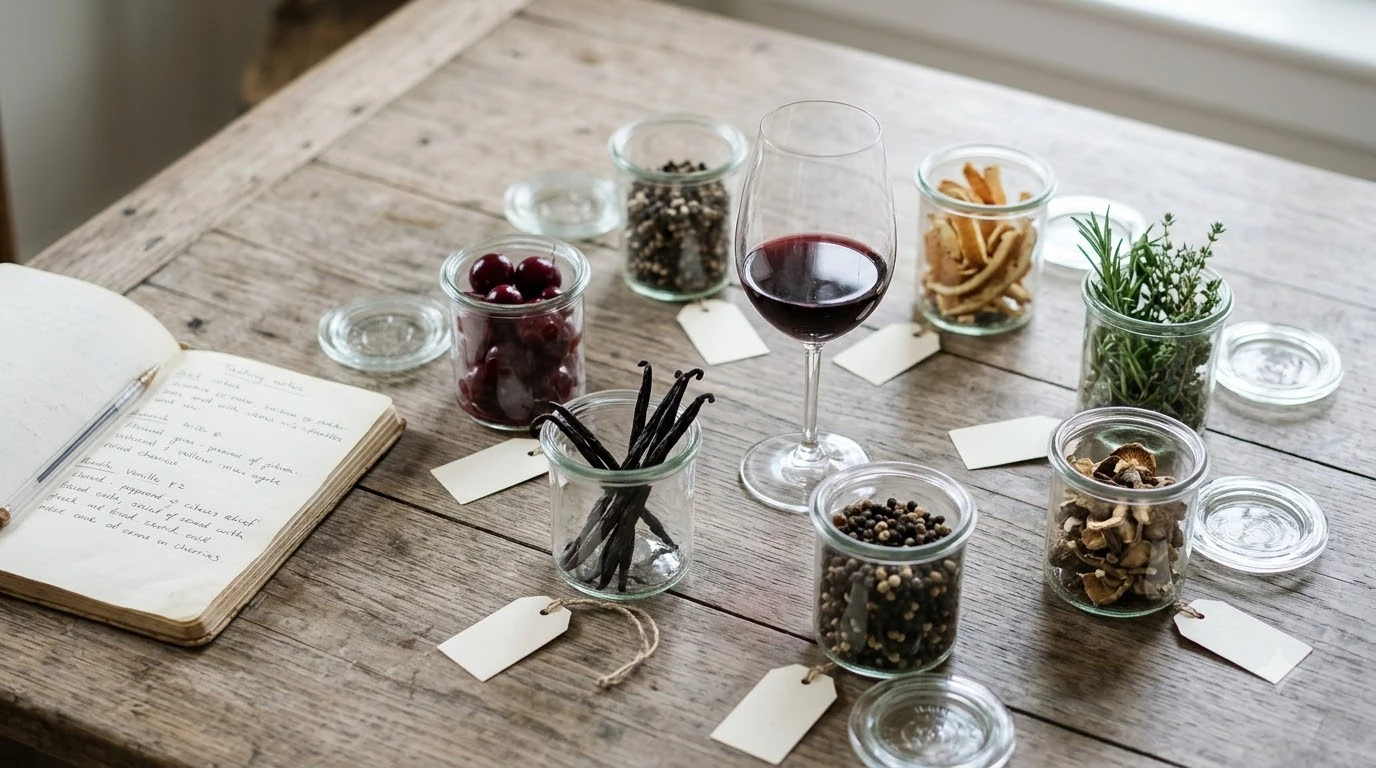
The wine suits people who enjoy ripe citrus, tropical fruit, orchard fruit and floral aromas. Published tasting descriptions identify notes such as pineapple, guava, mango, white peach, pear, lemon curd and grapefruit. These flavors create a generous fruit profile without requiring the wine to taste sugary. Its freshness comes from acidity, while fermentation and aging in oak contribute texture and additional complexity.
It is particularly suitable for a dinner where white wine needs to work across several courses. Grilled shrimp, roast chicken, goat cheese, vegetable dishes and citrus-based salads can all complement its combination of fruit and acidity. The relatively full-bodied style also gives it more presence than many inexpensive Sauvignon Blanc bottlings.
However, it is not necessarily the right choice for someone seeking the leanest possible white wine. Drinkers who prefer extremely crisp, grassy Sauvignon Blanc with pronounced green pepper and sharp lime character may prefer a different regional expression. A shopper looking primarily for an inexpensive wine for casual weekday drinking may also find the premium positioning difficult to justify.
The distinction is especially important for shoppers comparing California Sauvignon Blanc with New Zealand examples. Marlborough wines are often recognized for their intense citrus, passion fruit and herbaceous aromas, whereas Merry Edwards emphasizes ripe fruit, floral character and a rounded barrel-influenced texture. Neither style is inherently superior; the better purchase depends on the flavors and structure the drinker prefers.
Key Factors to Compare Before Paying the Bottle Price
The most useful comparison involves more than the shelf label. Vintage, bottle size, production method, acidity and retailer pricing all influence whether Merry Edwards Sauvignon Blanc represents a sensible purchase.
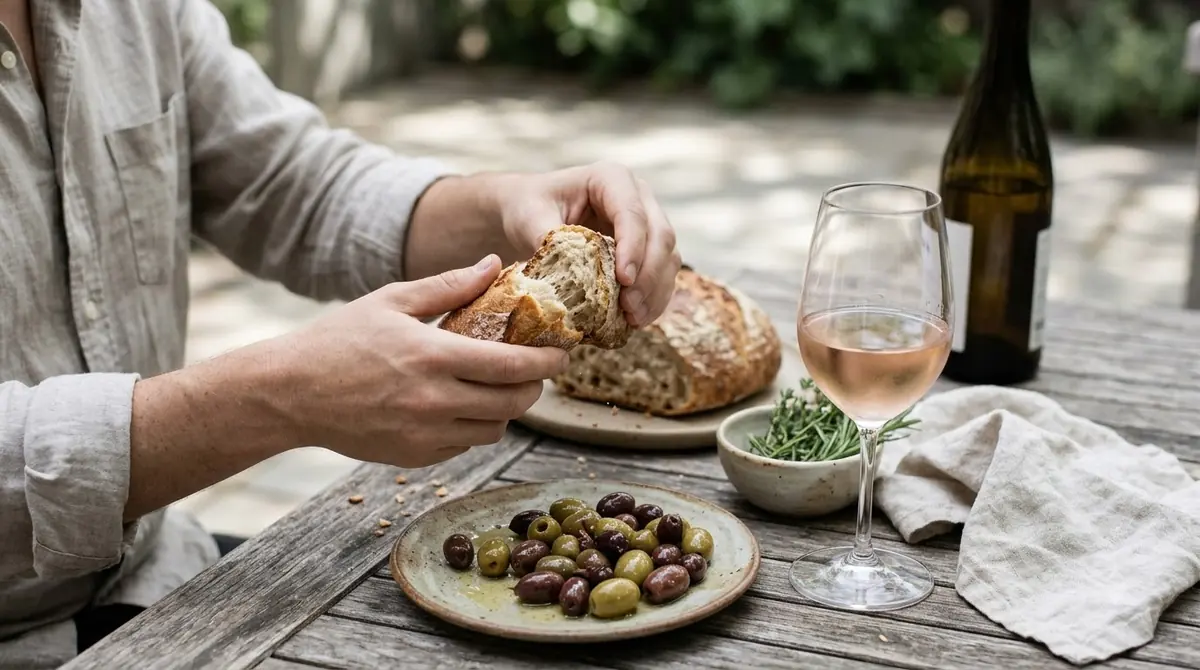
For a typical 750 ml bottle, recent retail listings provide a practical reference point. K&L Wine Merchants has listed the 2023 bottling in the mid-$40s, while Astor Wines has listed a later release in the low-$50s. These are retailer observations rather than guaranteed national prices, and prices vary by state and retailer.
| Comparison factor | What to expect | Why it matters |
|---|---|---|
| Typical bottle size | 750 ml | Standard full-size wine bottle |
| Observed US retail range | About $45–$55 | Useful budget reference for recent listings |
| Grape variety | 100% Sauvignon Blanc in the documented 2022 vintage | Preserves the varietal identity |
| Origin | Russian River Valley, Sonoma County | Provides the regional context |
| Documented alcohol level | 14.0% ABV for 2022 | Relevant to body and serving expectations |
| Lees aging | Five months for 2022 | Contributes texture and palate weight |
| New French oak | 18% for 2022 | Adds a restrained oak influence |
| Documented acidity | 5.32 g/L total acidity for 2022 | Helps explain its fresh finish |
The technical details in the table come from the winery’s 2022 production information. They are useful reference points, not universal specifications for every subsequent vintage. Different harvest conditions can change alcohol, acidity, fruit expression and the balance between richness and freshness.
Vintage and retailer availability
Vintage is one of the most important considerations when comparing bottles. A retailer may carry a 2023 release while another has a 2024 release, and the difference between those wines may be more meaningful than a small difference in shelf pricing. The 2023 listing at K&L, for example, includes professional descriptions emphasizing tropical fruit, floral notes and a rounded texture.
Retailer inventory also changes the apparent value of the wine. A bottle listed online may be unavailable for shipping to a particular state, while another store may have local inventory. Before comparing two offers, make sure both refer to the same vintage, 750 ml size and purchase conditions. Case availability should not be confused with the normal individual-bottle price.
Winemaking and texture
The winery’s documented production approach provides another reason the bottle occupies a premium category. The 2022 technical sheet identifies whole-cluster pressing, barrel fermentation, five months of aging sur lie and 18% new French oak. These are specific cellar choices rather than generic claims about quality.
Lees aging means the wine spends time in contact with spent yeast cells after fermentation. Regular lees stirring, also known as bâtonnage, can help build a fuller, more rounded mouthfeel. French oak contributes another dimension, although the relatively limited new-oak proportion in the documented vintage indicates that the intention is not simply to create an overtly woody white wine.
For shoppers, the important question is whether that combination matches their preferences. Someone who likes Sauvignon Blanc but finds some versions too thin may appreciate the additional texture. Someone who wants a very lean, sharply mineral style may prefer a bottle made without this degree of barrel influence.
Step-by-Step: How to Buy the Right Bottle
A careful buying process can prevent confusion between vintages and help shoppers identify a bottle that matches their intended meal. Comparing the same format and checking the wine’s origin should come before choosing based on the shelf price alone.
-
Confirm the exact wine name.
Look for Merry Edwards Sauvignon Blanc from Russian River Valley rather than another Sauvignon Blanc or a different wine from the same producer. The winery makes multiple wine styles, so a shared producer name does not guarantee the same grape variety or flavor profile.
-
Identify the vintage.
Compare the year printed on each listing. A 2023 bottle and a 2024 bottle are separate releases, even when the product name is otherwise identical. Vintage differences can affect fruit ripeness, acidity, texture and aromatic expression.
-
Check the bottle format.
Use the standard 750 ml bottle as the reference when comparing retail listings. A different size will change the apparent cost and the amount of wine available. A 750 ml bottle provides approximately five standard 5 oz servings.
-
Compare reputable retailers.
Look at established wine merchants such as K&L Wine Merchants and Astor Wines. Compare the same vintage where possible, along with shipping eligibility, pickup availability and inventory. A lower listing is not necessarily a better purchase if the wine cannot be delivered to the intended address.
-
Decide whether the style fits your preferences.
Look for the fruit and texture descriptions associated with the particular vintage. Pineapple, guava, peach, lemon curd and grapefruit suggest a generous aromatic profile. Barrel fermentation and lees aging point toward a rounder palate than a purely stainless-steel style.
-
Choose a suitable occasion.
Consider whether the wine will accompany seafood, chicken, salads or cheese. Its expressive fruit and freshness can work well with a dinner, but its richer texture also makes it suitable for a more substantial white-wine course.
-
Plan serving and storage.
Chill the bottle before serving and avoid leaving it in a warm room for extended periods. If it will not be consumed immediately, store it properly and refrigerate the opened bottle after pouring.
For additional producer information and a useful explanation of its approach to Sauvignon Blanc, consult the Merry Edwards winery technical sheet. It provides concrete production details that are more useful than relying exclusively on a short retailer description.
Tip: Compare the vintage before comparing the price. A listing for an older release should not automatically be treated as equivalent to a newer release. Check the vintage, 750 ml format and availability together to make a meaningful comparison.
Types and Styles Explained: What Makes This Sauvignon Blanc Different?
Merry Edwards Sauvignon Blanc belongs to the richer, more textured side of the Sauvignon Blanc category. Its Russian River Valley origin and barrel-influenced cellar approach give it a distinctive identity compared with the leaner, more herbaceous examples that many shoppers associate with the grape.
Russian River Valley California Sauvignon Blanc
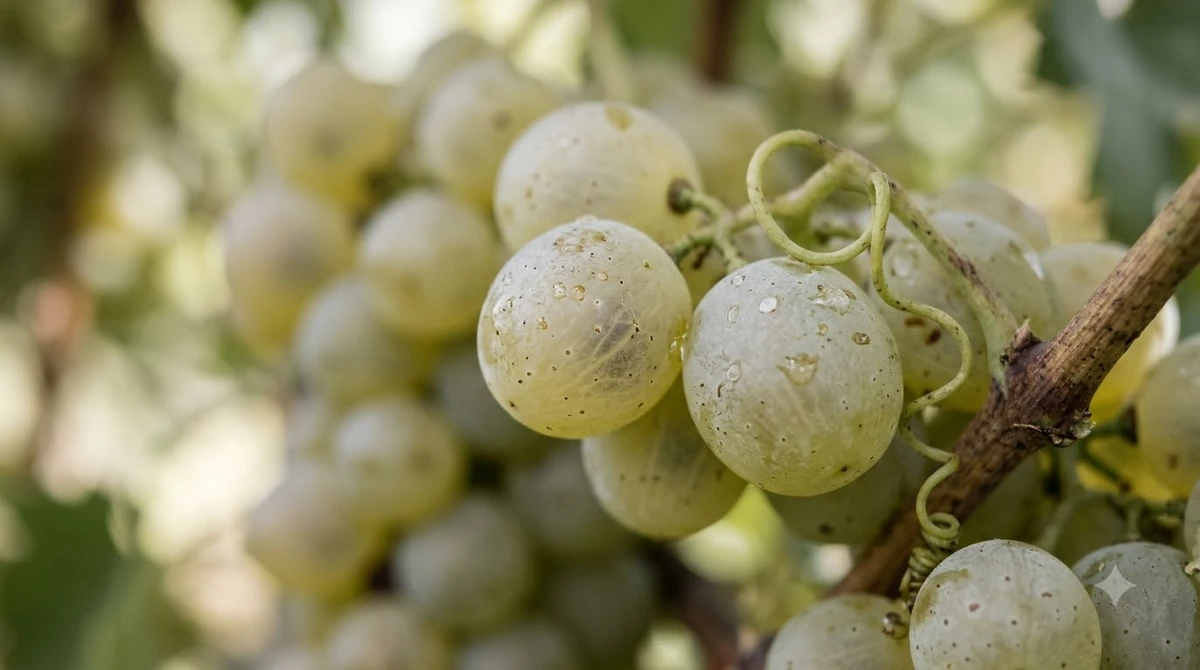
The Russian River Valley is part of Sonoma County in California. The winery’s technical information explains that maritime influences help its vineyards retain delicate flavors and acidity, even during warmer growing conditions. That balance is important because Sauvignon Blanc needs enough freshness to support its aromatic fruit character.
The resulting style can combine ripe fruit with lively acidity. Descriptions from different vintages mention pineapple, mango, guava, white peach, citrus and floral notes. This makes the wine attractive to people who enjoy aromatic whites but want a more rounded profile than a very lean, grassy Sauvignon Blanc.
Barrel-fermented Sauvignon Blanc
Not all Sauvignon Blanc is fermented or aged in the same way. Many widely available examples rely heavily on stainless steel, which helps preserve a straightforward expression of fresh fruit and acidity. Barrel fermentation introduces a different set of textural possibilities.
Merry Edwards uses French oak in its production approach. The documented 2022 vintage spent five months aging sur lie, with 18% new French oak. This combination can provide a broader palate and a softer impression without removing the grape’s natural aromatic identity.
It is important not to confuse barrel fermentation with a wine that tastes strongly of toasted wood. The purpose of oak use depends on the barrels, their age, the fermentation conditions and the overall blending decisions. The tasting descriptions for this wine continue to emphasize fruit, flowers, citrus and freshness rather than presenting it as an overtly oaky Chardonnay substitute.
Comparing California, Marlborough and Loire Valley styles
Sauvignon Blanc changes noticeably according to region and winemaking choices. Marlborough in New Zealand is commonly associated with intense passion fruit, citrus, fresh herbs and pronounced aromatic lift. Loire Valley examples, including Sancerre, can emphasize citrus, mineral impressions and herbal character.
California expressions can show riper fruit and a broader palate, especially when barrel fermentation or lees aging is involved. Merry Edwards fits this more textured interpretation. It remains recognizably Sauvignon Blanc, but its palate weight and aromatic profile can appeal to people who usually gravitate toward fuller-bodied whites.
For a direct comparison with another recognizable California and international-market style, the Kim Crawford Sauvignon Blanc profile offers a useful reference point. Another approachable alternative to consider is Oyster Bay Sauvignon Blanc, particularly for shoppers who prefer a brighter, more straightforward New Zealand-inspired style.
Is the wine sweet?
Fruitiness and sweetness are not interchangeable. Pineapple, mango, honeydew and ripe peach can make a wine seem generous even when it is technically dry. Acidity also changes how the palate interprets fruit, keeping the finish lively rather than syrupy.
Descriptions of Merry Edwards Sauvignon Blanc mention a hint of sweetness in the fruit impression, but that should not be confused with a dessert-style wine. Its citrus and refreshing acidity provide balance. Shoppers seeking a genuinely sweet white should look for a wine specifically made in a sweeter style rather than relying on tropical fruit descriptions.
Common Mistakes When Comparing Merry Edwards Sauvignon Blanc Prices
The biggest buying mistakes usually involve comparing different vintages, assuming every Sauvignon Blanc tastes alike or treating retailer listings as permanent price guarantees. A few simple distinctions make the purchasing decision more reliable.
Comparing different vintages as if they were identical
One retailer might offer a 2023 vintage while another lists a 2024 release. Even if both bottles carry the same producer and varietal name, the wines reflect different growing seasons. Their aromatic intensity, fruit concentration, alcohol and acidity can vary.
The winery’s 2022 technical sheet provides a good example of why vintage-specific information matters. It reports 14.0% alcohol and five months of sur lie aging. Those measurements should not automatically be assigned to the 2023 or 2024 release.
Assuming every bottle is heavily oaked
Barrel fermentation does not mean that the finished wine must taste like toasted wood or vanilla. The documented 2022 wine used 18% new French oak, while the winemaking approach also focused on preserving fresh fruit and acidity. The overall style is better understood as textured and fruit-forward than simply oaky.
Confusing fruit intensity with residual sugar
Descriptions featuring mango, pineapple, pear and honeydew may suggest sweetness to shoppers who are accustomed to grassy Sauvignon Blanc. However, aromatic intensity is not a measurement of residual sugar. A wine can smell very ripe and still finish dry.
This distinction is useful when choosing food pairings. The wine’s fruit character works well with seafood and salads, but a genuinely sweet dessert usually requires a wine with comparable sweetness rather than an aromatic dry Sauvignon Blanc.
Ignoring the effect of alcohol and serving temperature
The 2022 technical sheet reports 14.0% ABV, which is a meaningful reference when considering the wine’s weight and serving temperature. Serving it too warm can make the alcohol more noticeable and reduce the impression of freshness.
For a full-flavored white, a serving temperature around 50–55°F is a sensible starting point. Very cold temperatures can mute the aromas of tropical fruit and flowers, while warmer temperatures can make the wine seem less refreshing.
Choosing only by the lowest displayed listing
Retail prices reflect state regulations, retailer inventory, vintage availability and shipping policies. A listing that appears attractive may refer to a different year or may not be available in the buyer’s state. The sensible approach is to compare matching bottles and consider the complete purchasing conditions.
For shoppers exploring the wider category, the Wine Brands resource can provide additional context on producers, styles and the differences between familiar labels. It is particularly useful when deciding whether to spend more on a distinctive regional wine or choose a more everyday bottle.
Care, Serving and Storage Tips
Proper serving and storage preserve the wine’s aromatic character and balance. A few practical details, including temperature, glassware and refrigeration after opening, can make a noticeable difference to the drinking experience.
Serve at 50–55°F
Merry Edwards Sauvignon Blanc generally benefits from being served slightly warmer than an extremely light, crisp white. A range of 50–55°F gives the tropical fruit, citrus and floral aromas room to develop while maintaining refreshing acidity.
If the bottle has been stored at normal room temperature, place it in the refrigerator before serving. A brief period of chilling is preferable to serving the wine warm. If it becomes too cold, allow it to sit in the glass for a few minutes before assessing its aromas.
Use an appropriate glass
A standard white wine glass with a moderately narrow bowl is suitable. It concentrates the aromatic profile while providing enough space for the wine to develop as it warms slightly. There is no requirement for specialized glassware to enjoy the wine properly.
Pour approximately 5 oz per serving. A standard 750 ml bottle therefore provides about five conventional glasses, making it suitable for a small dinner or a tasting among several guests.
Pair with foods that complement acidity and texture
The wine’s fruit and acidity make it versatile at the table. Grilled shrimp, scallops, roast chicken, fresh goat cheese and citrus-dressed salads are particularly suitable starting points. The acidity refreshes the palate, while the fuller texture helps it work with foods that have a little more richness.
For seafood, preparation matters. Grilled shrimp with lemon, herb-roasted fish and shellfish with light butter sauces can complement the wine’s citrus and fruit. Very oily fish can be more difficult to pair with wines that have stronger tannin, but Sauvignon Blanc generally has low tannin, making it a more suitable option than a tannic red.
Vegetable dishes can work especially well. Asparagus, green peas, zucchini, cucumber and fresh herbs create combinations that reinforce the wine’s aromatic side. Goat cheese adds creamy richness and a tangy character that works with the wine’s acidity.
Store unopened bottles correctly
Keep unopened wine in a cool, dark location with a stable temperature near 55°F. Avoid direct sunlight, excessive heat and repeated temperature changes. If the bottle has a natural cork closure and will be stored for a longer period, keeping it on its side helps prevent the cork from drying out.
Avoid storing the bottle beside an oven, radiator or other source of heat. Temperature stability is more important than creating elaborate storage conditions for a bottle intended for relatively early consumption.
Refrigerate after opening
Once opened, reseal the bottle and place it in the refrigerator. Most opened still wines remain in reasonable drinking condition for approximately three to five days, depending on exposure to oxygen, storage temperature and the condition of the wine.
Allow a refrigerated serving to warm slightly in the glass rather than leaving the entire bottle out for several hours. This helps preserve freshness between servings and reduces unnecessary exposure to air.
Frequently Asked Questions
Is Merry Edwards Sauvignon Blanc considered a premium wine?
Yes, it occupies a premium position within the California Sauvignon Blanc category. Its barrel fermentation, lees aging and Russian River Valley origin distinguish it from many basic entry-level bottlings. Its reputation is also supported by professional reviews, including published assessments reproduced by established wine merchants.
Does Merry Edwards Sauvignon Blanc need decanting?
Decanting is generally unnecessary for this white wine. Opening the bottle shortly before serving and allowing it to develop in the glass is usually sufficient. A short period of aeration can help reveal its floral and tropical aromas, but extended decanting is not normally required.
Can Merry Edwards Sauvignon Blanc be aged for several years?
It can be held for some additional development under suitable storage conditions, although it is primarily attractive for its fruit, floral character and freshness. The best drinking window depends on the vintage and how the bottle has been stored. For shoppers seeking the most vibrant citrus and tropical aromas, drinking it relatively young is a sensible approach.
Is Merry Edwards Sauvignon Blanc suitable for a wine gift?
It can make a thoughtful gift for someone who enjoys California wines or aromatic white wines with more texture. The Russian River Valley origin gives the bottle a specific regional identity, while its expressive fruit profile makes it approachable for many Sauvignon Blanc drinkers. It is particularly appropriate for a dinner invitation or a wine-focused celebration.
What is the difference between Sauvignon Blanc and Fumé Blanc?
Fumé Blanc is a name commonly associated with Sauvignon Blanc in California. It does not indicate a different grape variety. The term is often used for California interpretations of Sauvignon Blanc, including examples that emphasize barrel fermentation or a fuller texture.
Merry Edwards Sauvignon Blanc is worth considering for shoppers who want a California white with ripe fruit, refreshing acidity and a more substantial texture than many everyday Sauvignon Blancs. Its typical retail positioning makes vintage comparison and retailer selection important, but the combination of Russian River Valley character and careful cellar work provides a clear reason to consider the bottle. For someone who enjoys expressive fruit, floral aromas and a rounded finish, it is a compelling premium Sauvignon Blanc to put on the shopping list.
More in Wine Brands
 Underwood Wine Price: Compare Bottles, Cans, and Pack SizesUpdated Nov 21, 2026
 Zenato Wine Price: Compare Styles and Choose the Right BottleUpdated Nov 21, 2026
 Zuccardi Wine Price: Compare Bottles and Find the Right RangeUpdated Nov 21, 2026
 Yellow Tail Moscato Review: Taste, Sweetness and Serving TipsUpdated Nov 21, 2026
 Wolf Blass Yellow Label Review: Choose Your Best StyleUpdated Nov 21, 2026
 Wolffer Estate Rose Review: Choose the Right Bottle for Your TableUpdated Nov 21, 2026