

We may earn a commission when you buy through links on this page, at no extra cost to you. Learn more.
The merry edwards wine price typically ranges from about $35 to $115 per 750 ml bottle in the United States, depending on the wine, vineyard designation, vintage and retailer. Sauvignon Blanc is generally the most approachable purchase, while Russian River Valley Pinot Noir and single-vineyard bottlings occupy higher price categories. Meredith Estate Pinot Noir is among the more expensive regular selections, making it a bottle to consider for special dinners, collecting or gifting.
Merry Edwards is a respected Sonoma County winery with a portfolio centered on Pinot Noir, Sauvignon Blanc and Chardonnay. Its wines offer several distinct purchasing choices, from an appellation-level Sauvignon Blanc to Pinot Noirs that express individual vineyard sites. Understanding those differences makes it easier to decide whether a particular bottle justifies its retail price. This guide explains typical American retail ranges, what drives the differences and how to compare bottles before purchasing.
Who This Is For
Merry Edwards wines appeal to shoppers who want California wines with a strong connection to vineyard location, careful winemaking and recognizable varietal character. The portfolio is particularly relevant to Pinot Noir enthusiasts, although the Russian River Valley Sauvignon Blanc offers another route into the producer’s style. Buyers looking for a straightforward everyday wine and collectors searching for distinctive vineyard bottlings should approach the range differently.
The brand is also worth considering for people comparing premium California producers. Merry Edwards has a particular association with Russian River Valley Pinot Noir, a style known for combining ripe fruit with freshness and structure. Its vineyard-designated bottlings offer a more specific expression than a regional blend. That distinction matters because a higher price can reflect vineyard identity and selection rather than simply a different grape variety or label design.
Price-conscious shoppers should begin with the Sauvignon Blanc or a regional Pinot Noir rather than automatically choosing the most expensive vineyard designation. Those who already enjoy Pinot Noir and want to explore differences between individual sites may find the additional cost of a single-vineyard bottle more meaningful. Buyers who prefer powerful, richly textured reds may want to compare Meredith Estate, Richaven and Georganne.
The winery’s history also helps explain its positioning. Merry Edwards founded the winery in 1997 after establishing a reputation as a California winemaker. Maison Louis Roederer became a partner in 2019, and winemaker Heidi von der Mehden succeeded Edwards after working alongside her. The winery therefore combines an established winemaking identity with continuing leadership and a vineyard-centered portfolio. More background is available in this overview of merry edwards wine.
Key Factors to Compare
The biggest influences on the merry edwards wine price are grape variety, vineyard designation, appellation, vintage and bottle availability. A regional Sauvignon Blanc and a limited vineyard-designated Pinot Noir serve different purposes, so comparing their prices without considering their identities can produce misleading conclusions.
The following ranges are practical estimates for American retail shopping, not fixed winery prices. Vino Alert’s tracked retailer listings and Total Wine’s brand selection provide the market references for these approximate ranges. Availability, vintage and shipping arrangements can move individual bottles outside the usual bands.
| Wine category | Typical US retail range | What to expect |
|---|---|---|
| Russian River Valley Sauvignon Blanc | About $35–$55 per 750 ml; Vino Alert and Total Wine listings | Approachable white wine with aromatic character and textured winemaking. |
| Russian River Valley Pinot Noir | About $40–$70 per 750 ml; Vino Alert and Total Wine listings | Regional Pinot Noir with a blend of vineyard characteristics. |
| Sonoma Coast Pinot Noir | About $40–$65 per 750 ml; Vino Alert and Total Wine listings | A regional alternative for shoppers comparing California Pinot Noir styles. |
| Anderson Valley Pinot Noir | About $40–$70 per 750 ml; Vino Alert listings | A cool-climate regional option with its own sense of place. |
| Anderson Valley Chardonnay | About $40–$65 per 750 ml; Vino Alert listings | A white wine alternative to the producer’s better-known Pinot Noir. |
| Olivet Lane Chardonnay | About $60–$75 per 750 ml; Vino Alert listings | A vineyard-designated Chardonnay from Russian River Valley. |
| Olivet Lane Pinot Noir | About $65–$90 per 750 ml; Vino Alert listings | A single-vineyard Pinot Noir associated with fresh cherry character. |
| Meredith Estate Pinot Noir | About $85–$115 per 750 ml; Vino Alert and Total Wine listings | A flagship vineyard-designated selection with greater complexity and structure. |
These ranges are intended to establish a useful shopping budget rather than promise a particular checkout total. Vino Alert tracks multiple retailers, while Total Wine provides a separate example of a large American retailer’s selection. Prices vary by state and retailer, and shipping, taxes, bottle condition and vintage availability can affect the final amount. A wine that appears at the lower end of a typical range is not automatically a better purchase if the vintage or bottle format differs.
Vineyard designation is another important comparison. The winery describes Olivet Lane Pinot Noir as elegant, with fresh cherry character, while Richaven and Georganne have heartier, richer profiles. Meredith Estate is described as particularly powerful and complex. These are meaningful style differences, not merely different names printed on otherwise identical bottles. The winery’s official vineyard descriptions provide useful context for understanding what the additional expenditure represents.
Tip: Compare the same vintage, bottle size and wine designation before judging two retail offers. A regional Pinot Noir should not be treated as a direct price equivalent to Meredith Estate simply because both bottles contain Pinot Noir.
Bottle size deserves attention, too. A 750 ml bottle is the standard comparison unit, while a 375 ml half bottle contains approximately half as much wine. Comparing a half bottle with a full bottle using only the displayed total can make a wine appear less expensive than it actually is per equivalent volume. Look at the volume as carefully as the vintage and vineyard name.
Step-by-Step: How to Choose a Bottle
A sensible purchase starts with the style of wine you want rather than the highest price you can accommodate. By comparing grape variety, appellation, vineyard designation and vintage in that order, you can narrow the selection without paying extra for characteristics you may not value.
-
Decide between red and white wine.
Choose Pinot Noir if you want a red wine with fresh fruit, acidity and structured texture. Choose Sauvignon Blanc for an aromatic white, or Chardonnay if you prefer a different balance of fruit, texture and oak influence.
-
Set a realistic bottle budget.
Use approximately $35 to $55 as an initial budget for Sauvignon Blanc, or allow about $40 to $70 for a regional Pinot Noir, based on the ranges tracked by Vino Alert and listings at Total Wine. A vineyard-designated Pinot Noir may require a larger budget.
-
Choose the regional designation.
Russian River Valley is central to the winery’s Pinot Noir identity and its Sauvignon Blanc program. Sonoma Coast and Anderson Valley offer additional regional comparisons. Decide whether you want to explore the familiar Russian River style or compare another growing area.
-
Choose regional or single-vineyard wine.
A regional Pinot Noir is a logical starting point because it represents a broader expression of the appellation. If you already know you enjoy the producer’s style, consider Olivet Lane, Coopersmith or Meredith Estate to explore more specific vineyard characteristics.
-
Compare the vintage.
Different harvest conditions can influence fruit concentration, freshness, structure and drinking window. Compare the same wine across available vintages rather than assuming that the newest bottle is automatically the most suitable choice.
-
Compare retailers and bottle formats.
Check at least two retailers, confirm whether the bottle is 375 ml or 750 ml and compare the same vintage whenever possible. Include shipping and local taxes in your budget so that the apparent retail difference does not distort the decision.
-
Match the wine to its intended occasion.
A Sauvignon Blanc may suit a casual seafood dinner, while a single-vineyard Pinot Noir can be a more distinctive choice for a celebratory meal. Consider how soon the bottle will be opened and whether you want an immediate drinking wine or a wine with aging potential.
This sequence helps prevent an expensive but unnecessary purchase. For instance, someone who wants a fresh white wine for a weeknight meal may have little reason to pay for a flagship Pinot Noir. Conversely, a collector interested in the differences between vineyard sites may find a more expensive bottle worthwhile because its identity is central to the experience.
It is also useful to keep a record of wines you enjoy. Write down the vineyard designation, vintage, retailer and approximate amount paid. After comparing a few bottles, you will have a clearer idea of which Merry Edwards selections deliver the characteristics you prefer. That personal reference can be more useful than comparing broad brand averages.
Types and Styles Explained
Merry Edwards has a portfolio that extends beyond a single Pinot Noir style. Its wines include regional and vineyard-designated Pinot Noir, Sauvignon Blanc and Chardonnay, with each category offering a different balance of price, flavor and intended occasion.
Russian River Valley Sauvignon Blanc
This is one of the more accessible ways to explore the winery. The Sauvignon Blanc is notable because the winery ferments it in barrels and uses a twice-weekly lees-stirring process. That approach produces a richer texture than some shoppers might expect from the grape variety. Rather than focusing exclusively on sharp citrus and grassy notes, buyers can expect a more layered style.
Vino Alert’s retailer tracking places the bottle in an approximate $35 to $55 range, while Total Wine’s listing provides another point of comparison. The price makes it a useful starting point for shoppers who want to understand the producer’s approach without moving directly into the more expensive Pinot Noir selections. For a more focused look at this bottling, see the merry edwards sauvignon blanc overview.
Russian River Valley Pinot Noir
The regional Pinot Noir is a useful introduction to the winery’s main red wine category. Unlike a single-vineyard bottling, the regional wine is assembled to represent the characteristics of the appellation through fruit from different vineyard sites. The winery has described this approach as a way to highlight the best qualities of the Russian River Valley.
Vino Alert tracks regional Pinot Noir listings from approximately $40, while Total Wine’s selection illustrates that retailer pricing can also reach higher levels. An approximate $40 to $70 budget is a reasonable starting point. This is the category to consider if you want a bottle with the producer’s recognizable style but do not specifically need a vineyard-designated wine.
Sonoma Coast and Anderson Valley Pinot Noir
These regional wines provide useful comparisons for buyers who already enjoy California Pinot Noir. The Sonoma Coast designation offers an alternative to Russian River Valley, while Anderson Valley gives shoppers access to a different cool-climate growing area. The winery’s portfolio includes both regional Pinot Noir selections.
Vino Alert’s Sonoma Coast listings begin around $40, while its Anderson Valley listings also begin around that level. A budget of approximately $40 to $70 for either regional category allows room for differences in vintage and retailer. These wines are especially useful when comparing regional expressions rather than concentrating only on the winery’s most expensive vineyard bottlings.
Single-Vineyard Pinot Noir
This category is where the vineyard identity becomes particularly important. Olivet Lane, Coopersmith, Richaven, Georganne and Meredith Estate each represent a different site and style. The winery describes Olivet Lane as elegant and cherry-focused, Coopersmith as having cocoa and cherry cola notes, and Richaven and Georganne as richer and heartier.
Meredith Estate sits at the more powerful end of the portfolio. The winery describes its Pinot Noir as dark, complex and silky, with ripe tannins. Its vineyard information identifies the site as a 24-acre property purchased in 1996, with Pinot Noir planted across the site in 1998. The combination of vineyard identity and distinctive style helps explain why Meredith Estate occupies a higher price category.
Chardonnay
Chardonnay offers an alternative for buyers who want a white wine with a different profile from Sauvignon Blanc. The winery’s Olivet Lane site produces Chardonnay as well as Pinot Noir, while its portfolio also includes Anderson Valley Chardonnay. This gives shoppers an opportunity to compare two white wine options rather than assuming that the brand’s white wine selection consists only of Sauvignon Blanc.
Vino Alert tracks Anderson Valley Chardonnay from approximately $40, while Olivet Lane Chardonnay listings begin around $63. A practical shopping budget is about $40 to $75, depending on the designation and retailer. Olivet Lane is the more specific vineyard choice, whereas Anderson Valley provides a regional alternative for shoppers who want to explore the Chardonnay category first.
Common Mistakes When Comparing Prices
One common mistake is assuming that all Merry Edwards Pinot Noirs should cost roughly the same. The winery makes both regional and single-vineyard wines, and these have different identities and price positions. A regional Russian River Valley bottle and a Meredith Estate bottling should be evaluated according to what each represents, not just the shared grape variety.
Another mistake is treating the lowest displayed retailer figure as the normal market value. Price comparison services track different stores, bottle vintages and available inventory. Some retailers may show a listing that is no longer available, while others may carry a different vintage at a substantially different price. The lowest observed listing is useful information, but it is not necessarily a reliable measure of the wine’s usual retail range.
Vintage confusion can also lead to poor comparisons. Two bottles with the same vineyard name may have come from different harvest conditions and can differ in their availability and pricing. A bottle from an older vintage may cost more because of its limited availability or collector interest, but that does not guarantee that it will suit every drinker’s preferences better than a younger vintage.
Do not overlook the difference between half bottles and full bottles. A 375 ml bottle can be convenient for a small dinner or a first taste of an unfamiliar wine. However, it should not be compared directly with a 750 ml bottle on total retail price. Calculate the equivalent cost per 750 ml if you want to understand the actual value.
It is also a mistake to assume that a more expensive bottle always represents better value for a particular occasion. A single-vineyard Pinot Noir may offer greater site specificity, but that feature is most meaningful to someone interested in the differences between vineyards. Someone serving wine at a large dinner may prefer a regional bottling that provides the right style without requiring the additional expense.
Finally, avoid comparing Merry Edwards with an inexpensive everyday brand solely by grape variety. A premium Pinot Noir and an inexpensive Pinot Noir may share a varietal name but differ in vineyard sourcing, farming decisions, selection and winemaking. A shopper comparing the brand with more affordable options such as barefoot wine should first consider the difference in intended market position and style. They are not necessarily interchangeable purchases.
Care and Storage Tips
Good storage protects the qualities you are paying for. Merry Edwards Pinot Noir, Chardonnay and Sauvignon Blanc all benefit from stable conditions, suitable serving temperatures and careful handling after opening. Proper storage is particularly relevant when purchasing several bottles or saving a more expensive vineyard-designated Pinot Noir for a future occasion.
Storing Unopened Bottles
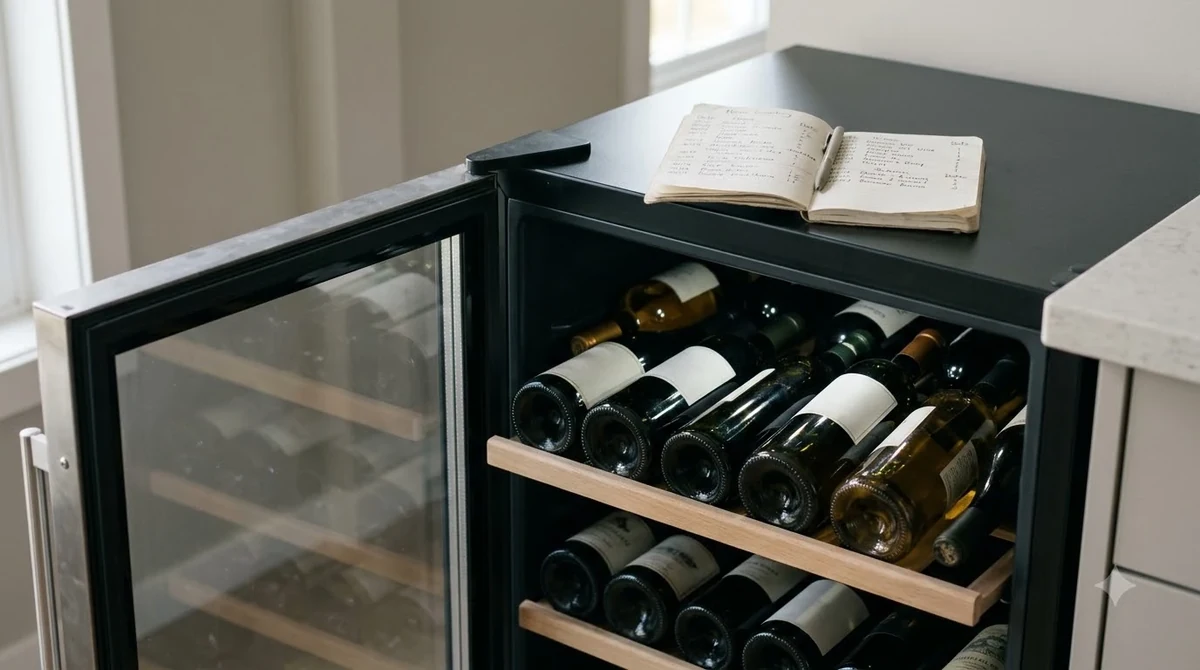
Store unopened bottles in a cool, dark place near 55 degrees Fahrenheit, with minimal temperature fluctuation. Bottles sealed with traditional corks are generally best stored on their sides to help keep the cork from drying out. Avoid leaving wine in a hot car, a sunny kitchen or a location beside heating equipment.
Light and vibration are additional concerns. Direct sunlight and strong artificial light can affect wine over time, while repeated movement is unnecessary for bottles intended for aging. A dedicated wine refrigerator is useful if the home does not have a naturally cool and stable storage area. Keep bottles away from strong odors and large temperature changes.
Serving Temperature
Pinot Noir generally shows its fruit, acidity and texture well when served slightly cooler than room temperature. Aim for approximately 55 to 60 degrees Fahrenheit for light and medium-bodied reds. If the bottle has been stored at room temperature, a short period in the refrigerator can bring it closer to the desired serving temperature.
For Sauvignon Blanc, aim for approximately 45 to 50 degrees Fahrenheit. Chardonnay is generally more expressive around 50 to 55 degrees Fahrenheit. Serving white wines excessively cold can mute their aromas and make their texture less apparent, particularly with a barrel-fermented Sauvignon Blanc or a more textured Chardonnay.
Opening and Decanting
A young, structured Pinot Noir can benefit from some time in the glass, allowing its aromas to become more expressive. For a young full-bodied red, a decanting period of approximately 30 to 60 minutes is a useful general guideline, although lighter Pinot Noir does not always require that much aeration. Taste the wine first and decide whether it needs more time.
After opening a bottle, reseal it and refrigerate it rather than leaving it exposed on the counter. Most opened still wines are best consumed within approximately three to five days. White wine should also be refrigerated after opening, and allowing it to warm slightly before the next pour can help its aromas become more apparent.
Planning Purchases for Aging
Not every bottle needs to be stored for years. Some regional wines are designed to be approachable relatively early, while a more structured vineyard-designated Pinot Noir may reward additional bottle age. The winery specifically describes Meredith Estate as a wine crafted for aging. Even so, buyers should consider the individual vintage and their preferred drinking style before deciding how long to keep a bottle.
If you intend to collect several vintages, maintain a simple inventory showing the vineyard, vintage, purchase date and storage location. This prevents bottles from being forgotten and makes it easier to compare wines from different harvests. Buying more than one bottle of a favorite vintage can also provide an opportunity to follow its development over time.
Frequently Asked Questions
Is Merry Edwards an estate winery or a producer that buys all its grapes?
The winery identifies a collection of estate vineyard sites in Russian River Valley and Anderson Valley. Its vineyard portfolio includes Meredith Estate, Olivet Lane, Coopersmith and Richaven, among others. Individual wines can have different sourcing and vineyard designations, so the estate identity should not be interpreted as meaning that every bottling comes from one property.
Who makes Merry Edwards wines today?
Heidi von der Mehden is the winery’s winemaker, and Nicole Carter is its president. Merry Edwards worked alongside Heidi before retiring in 2020. The winery continues under the Roederer Collection, following Maison Louis Roederer’s partnership with Edwards in 2019.
What is Merry’s Clone of Pinot Noir?
Merry’s Clone is the Pinot Noir selection also identified as UCD 37. Edwards propagated the selection after identifying promising plant material while working at Mount Eden Vineyards in 1975. Her work helped bring greater attention to clonal selection and matching grape material to vineyard sites.
Is Merry Edwards Sauvignon Blanc barrel fermented?
Yes. The winery explains that its Sauvignon Blanc ferments in barrels and undergoes lees stirring twice weekly. Lees stirring helps develop texture and complexity, distinguishing the wine from Sauvignon Blanc styles that emphasize only fresh citrus and herbal character.
Can Merry Edwards wines be purchased in half bottles?
Yes, at least some selections have been offered in 375 ml formats. Total Wine’s brand listings include a half-bottle Sauvignon Blanc alongside standard 750 ml selections. Half-bottle availability varies by wine, vintage and retailer, so shoppers should compare the available formats before ordering.
Merry Edwards offers several price levels, from its relatively approachable Sauvignon Blanc and regional Pinot Noir to its more distinctive single-vineyard bottlings. For most first-time buyers, a regional wine is a sensible introduction, while Meredith Estate and other vineyard-designated selections offer a more focused exploration of the winery’s portfolio. Compare matching vintages, bottle sizes and retailers before purchasing, and choose the wine according to the occasion and style you actually enjoy.
More in Wine Brands
 Underwood Wine Price: Compare Bottles, Cans, and Pack SizesUpdated Nov 21, 2026
 Zenato Wine Price: Compare Styles and Choose the Right BottleUpdated Nov 21, 2026
 Zuccardi Wine Price: Compare Bottles and Find the Right RangeUpdated Nov 21, 2026
 Yellow Tail Moscato Review: Taste, Sweetness and Serving TipsUpdated Nov 21, 2026
 Wolf Blass Yellow Label Review: Choose Your Best StyleUpdated Nov 21, 2026
 Wolffer Estate Rose Review: Choose the Right Bottle for Your TableUpdated Nov 21, 2026