

We may earn a commission when you buy through links on this page, at no extra cost to you. Learn more.
Merry Edwards wine is Pinot Noir from the Russian River Valley, made by a winery founded in 1997 by the California winemaker Merry Edwards. According to the winery’s website, the estate focuses on single-vineyard Pinot Noirs, and the site describes the wines as having immense depth, elegant structure, and exceptional longevity. The winery is certified California Sustainable and describes its approach as grower-focused, with deep respect for the land.
This guide covers the story behind the Merry Edwards name, what makes its Pinot Noir distinct, and how to choose and serve a bottle. It draws on the winery’s published description of its history and philosophy, along with general guidance about Pinot Noir from cool-climate coastal regions.
Who Merry Edwards is and how the winery began
The winery takes its name from Merry Edwards, a California winemaking figure whom the company’s own site calls a legend. Her first winemaking, according to the site, was as an amateur in 1970 under the Merry Vintners label. She later earned a master’s degree in food science with an emphasis in enology from UC Davis, a background that shaped a technical, precise approach to winemaking that the brand still emphasizes.
Before launching her own winery in 1997, Edwards worked as a winemaker for brands including Mount Eden and Matanzas Creek. The site credits her with helping put Russian River Pinot Noir on the map, which is a useful way to understand why the Russian River name carries weight among Pinot lovers. The winery was built on that reputation rather than on a new region.
The Russian River Valley and why it suits Pinot Noir
The winery sits in the Russian River Valley, a cool coastal zone in Sonoma County that is shaped by fog and marine air moving inland. Pinot Noir is a thin-skinned grape that ripens slowly, so cooler conditions help it hold acidity and develop aromatic complexity. The result is often a red that shows red fruit, earthy notes, and a silky texture rather than heavy, jammy fruit.
Because the valley is cool, vintages can vary from year to year, and growers adjust how they manage the canopy and the harvest to match the season. That variability is one reason many Pinot producers talk about single vineyards: a specific site can show its own character in a way that a blended bottle may not.
Single-vineyard Pinot Noir and the house style
The winery’s focus is on single-vineyard Pinot Noirs. A single-vineyard bottling is made from fruit grown on one designated site, so it reflects the soil, slope, and exposure of that block. The site describes these wines as having immense depth, elegant structure, and exceptional longevity, which signals a style that rewards time in the cellar as well as early enjoyment.
Single-vineyard wines also tend to show more clearly how a vintage behaved. A warm year might give a riper, rounder wine, while a cooler year can produce a leaner, more tensile one from the same vineyard. Comparing two vintages of the same bottling is one of the best ways to learn what the house style is and how weather changes it.
| Element | What it means for the glass |
|---|---|
| Russian River Valley origin | Cool, foggy conditions that favor Pinot Noir’s aromatic development |
| Single-vineyard bottlings | Wines that express one site’s soil, slope, and exposure |
| Elegant structure | Balance between fruit and acidity rather than heavy extraction |
| Exceptional longevity | A style that can reward cellaring, as the winery describes it |
Sustainability, the land and the winery’s approach
The winery and its vineyards are certified California Sustainable, and the site notes that solar panels supply a large share of the electricity the estate uses. The company describes its work as grower-focused, with a profound respect for the land. For buyers who care about farming practices, those details offer a clearer picture of how the wine is grown than a label alone can give.
Sustainable certification does not guarantee a particular taste, but it shows how the estate runs its vineyards and cellar. When you read about a producer’s approach, look for specific, verifiable commitments such as certification and energy use, and treat general claims about care with a little more caution.
Leadership, ownership and what changed
In 2019, Merry Edwards partnered with Maison Louis Roederer, the Champagne house. According to the winery’s site, she retired in February 2020, and the winery is now led by winemaker Heidi von der Mehden and president Nicole Carter. Changes in leadership can shift a winery’s emphasis, so it is worth looking at recent vintages to see how the house style has developed since the founder stepped back.
The continuity of the Pinot Noir focus is the main thread to watch. The site’s current descriptions still center on single-vineyard Pinot Noir from the Russian River Valley, which suggests the core identity of the winery has been preserved through the transition.
How to choose and serve a Merry Edwards Pinot Noir
Choose by the style you want. If you like a bright, fresh red with a silky finish, look for a younger vintage. If you prefer depth and complexity, a bottle with a few years of age can show more of its structure. Because the winery describes its wines as built for longevity, a bottle you plan to keep can be a rewarding purchase.
Pinot Noir is generally served a little cooler than most red wines, and a short time in the glass lets the aromas open. A medium-sized glass suits the variety well. Pair the wine with roast chicken, salmon, mushroom dishes, and herb-driven vegetable plates, where its earthy notes and acidity complement the food without overwhelming it.
Common mistakes when buying Pinot Noir
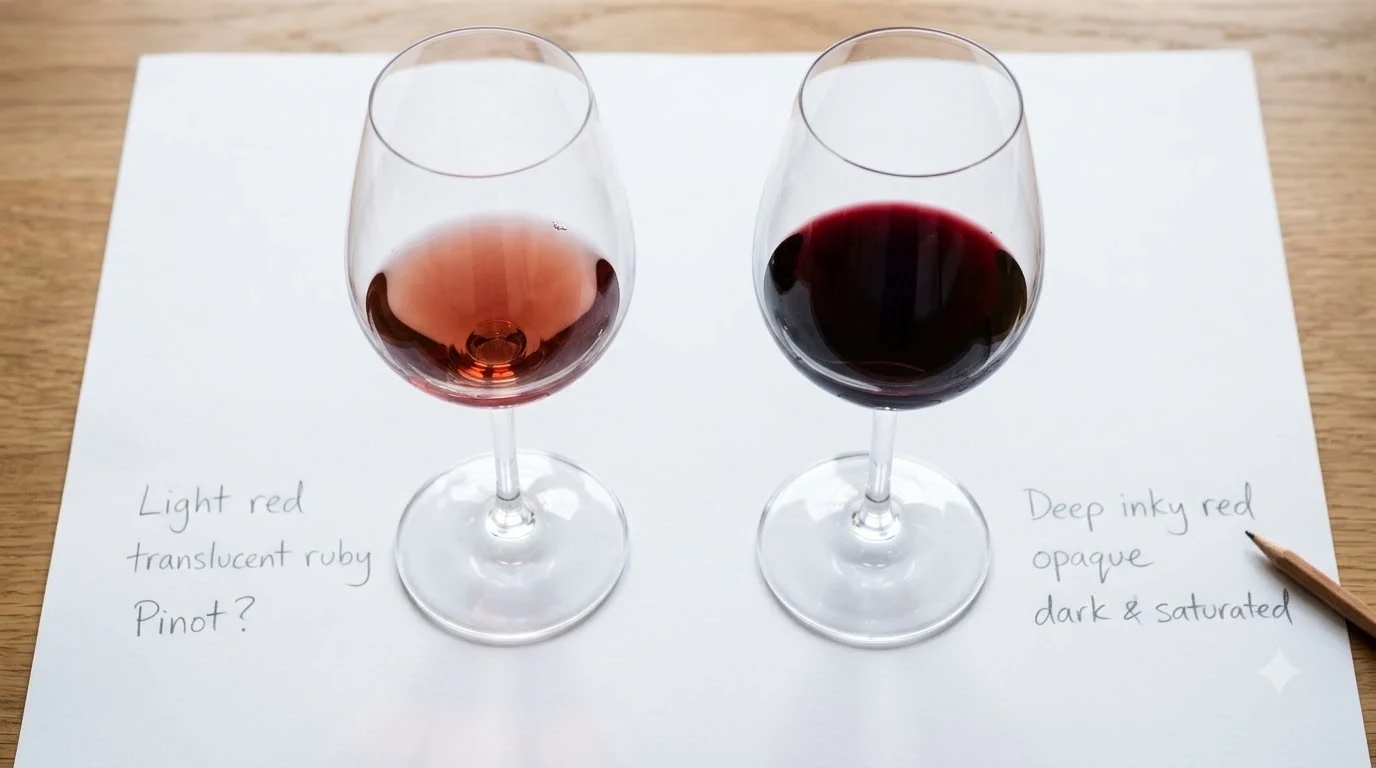
A frequent mistake is judging Pinot Noir by the same standard as Cabernet Sauvignon. Pinot is lighter in color and body, and its strengths are finesse and perfume rather than power. A Pinot that feels delicate on first sip can open into a much more complex wine after time in the glass or the cellar.
Another mistake is buying a single bottle and treating it as the whole range. Single-vineyard bottlings are specific by design, so comparing two sites or two vintages gives a far clearer view of the producer than one purchase. Start with one bottle, note the vintage, and compare it with another when the opportunity arises.
Frequently Asked Questions
What is Merry Edwards wine known for?
According to the winery’s website, it is known for single-vineyard Pinot Noir from the Russian River Valley, described as having depth, elegant structure, and exceptional longevity.
Who was Merry Edwards?
Merry Edwards is the California winemaker who founded the winery in 1997. The site says she began as an amateur in 1970, studied enology at UC Davis, and worked with Mount Eden and Matanzas Creek before launching her own label.
Is Merry Edwards still leading the winery?
According to the winery’s site, Merry Edwards retired in February 2020. Winemaker Heidi von der Mehden and president Nicole Carter now lead the winery.
Is Merry Edwards a good choice for someone new to Pinot Noir?
It can be a rewarding choice, especially if you want a Pinot with structure and depth from a respected cool-climate region. Starting with a younger vintage and comparing it with an older one will show how the style changes with time.
If you are comparing producers and styles, the guide to wine brands explains how different houses approach their wines. For a very different style, the guide to barefoot wine shows how an easy-drinking, approachable brand differs from a structured, single-vineyard Pinot. For the winery’s own history, philosophy, and current releases, the Merry Edwards Winery about page is the primary source.
More in Wine Brands
 Underwood Wine Price: Compare Bottles, Cans, and Pack SizesUpdated Nov 21, 2026
 Zenato Wine Price: Compare Styles and Choose the Right BottleUpdated Nov 21, 2026
 Zuccardi Wine Price: Compare Bottles and Find the Right RangeUpdated Nov 21, 2026
 Yellow Tail Moscato Review: Taste, Sweetness and Serving TipsUpdated Nov 21, 2026
 Wolf Blass Yellow Label Review: Choose Your Best StyleUpdated Nov 21, 2026
 Wolffer Estate Rose Review: Choose the Right Bottle for Your TableUpdated Nov 21, 2026