

We may earn a commission when you buy through links on this page, at no extra cost to you. Learn more.
Marques De Riscal Wine Review: Marqués de Riscal is a strong choice for wine drinkers seeking traditional Rioja reds, fresh Rueda whites, and recognizable Spanish wine styles. Its range includes approachable Tempranillo-based Reserva, more mature Gran Reserva, and aromatic Verdejo whites. The best bottle depends on whether you prefer oak-influenced red wine, fresh citrus-and-herb flavors, or a more developed wine for a special meal. Understanding the grape varieties, aging categories, and serving requirements makes choosing the right bottle considerably easier.
Marqués de Riscal has a history stretching back to 1858, but its appeal is not limited to heritage. The producer works across several Spanish wine regions, offering different expressions of Spanish grapes and winemaking traditions. Its Rioja wines are particularly relevant to people who enjoy structured reds, while its Rueda bottlings offer an alternative for drinkers who prefer crisp white wine. This guide examines the main styles, explains what to compare before buying, and provides practical advice for serving and storing each type.
Who Should Choose Marqués de Riscal Wine?
Marqués de Riscal suits wine drinkers who want recognizable Spanish varieties, established regional styles, and options for both everyday meals and more substantial occasions. Its Rioja Reserva and Rueda Verdejo are particularly useful starting points because they demonstrate two distinctly different sides of Spanish winemaking.
The producer was founded in 1858 by Guillermo Hurtado de Amézaga. Its first bottled wines followed in 1862, and its history includes several important developments in Spanish wine production. In 1972, the winery began producing white wines in Rueda, expanding beyond its traditional Rioja roots. This background helps explain why its present portfolio includes both oak-influenced red wines and fresh, aromatic whites.
For red wine drinkers, Reserva is a practical starting point. Its combination of Tempranillo and Graciano gives it a recognizable Rioja identity, with dark fruit, spice, and developed oak characteristics. Wine drinkers who enjoy Cabernet Sauvignon or structured Merlot may appreciate its balance of fruit, acidity, and polished tannins, although Tempranillo has its own distinctive character.
White wine drinkers should consider the Verdejo range. Verdejo generally provides refreshing acidity, herbal aromas, and a slightly bitter finish that distinguishes it from many familiar international white varieties. The Marqués de Riscal expression features fennel, white flowers, aniseed, and fresh grass, making it particularly suitable for seafood and lighter dishes.
There are several reasons to consider this producer:
- For Rioja enthusiasts: Reserva offers a recognizable Spanish red wine style built around Tempranillo and oak maturation.
- For white wine enthusiasts: Verdejo provides freshness, aromatic intensity, and versatility at the dinner table.
- For experienced drinkers: Gran Reserva and more specialized bottlings offer opportunities to explore additional aging and winemaking approaches.
- For food-focused buyers: The portfolio includes wines suited to seafood, poultry, grilled meats, ham, and mature cheeses.
- For Spanish wine beginners: The distinction between Rioja reds and Rueda whites makes the range relatively easy to understand.
However, buyers who prefer very sweet wines, extremely light reds, or fruit-forward wines with almost no oak influence should examine the individual style carefully. Marqués de Riscal produces several different types of wine, and the producer’s name alone does not tell you exactly what will be in the glass.
Key Factors to Compare Before Buying
The most important buying considerations are the region, grape variety, aging category, and intended drinking occasion. Comparing these four elements is more useful than selecting a bottle simply because it has a familiar label or an attractive presentation.
| Buying factor | What to look for | What it means |
|---|---|---|
| Region | Rioja or Rueda | Rioja is associated with red wines; Rueda is especially known for Verdejo whites. |
| Grape variety | Tempranillo, Graciano, Verdejo | Determines the basic fruit, acidity, tannin, and aromatic character. |
| Red wine aging | Reserva or Gran Reserva | Provides information about the wine’s maturation category. |
| Oak maturation | American oak or other stated vessels | Influences texture, spice, and developed flavors. |
| Alcohol | For example, 14.5% ABV | Helps indicate the wine’s alcoholic strength and serving context. |
| Serving temperature | 46°F–50°F for Verdejo; 61°F–64°F for Reserva | Helps preserve freshness or reveal the red wine’s aromatic complexity. |
| Food pairing | Seafood, poultry, grilled meats, cheeses | Helps determine whether the wine suits the planned meal. |
Region is a useful first filter. Rioja is in northern Spain and has an established identity for Tempranillo-based reds. Rueda, meanwhile, is especially associated with Verdejo. Although both regions belong to the same producer’s portfolio, they deliver very different experiences. A bottle of Rioja Reserva should not be expected to taste like a Rueda white, even when the producer name is identical.
Grape variety is the next consideration. Tempranillo is the foundation of many Rioja reds, offering red and dark fruit, moderate-to-medium acidity, and tannins that can become more integrated with maturation. Graciano can contribute additional structure and aromatic complexity. Verdejo has a different profile, emphasizing freshness, herbal notes, citrus-like character, and a distinctive slightly bitter finish.
Oak treatment also matters. According to the winery’s technical information, its 2020 Reserva underwent 22 months of American oak aging. This provides a concrete indication of the wine’s maturation approach rather than relying on vague descriptions such as traditional or sophisticated.
Finally, consider how and when the wine will be served. A fresh white for a summer seafood lunch has different requirements from a structured red for grilled lamb or a roast dinner. The intended food, serving temperature, and preferred intensity should guide the purchase.
Readers comparing the producer’s portfolio can also explore Wine Brands to understand how Spanish producers differ in their regional focus and signature styles.
Tip: Start with the region printed on the bottle. Choose Rioja if you want a structured red wine with Tempranillo character, or Rueda if you want a refreshing white built around Verdejo. This simple distinction eliminates much of the confusion when comparing the producer’s range.
Step-by-Step: How to Select the Right Bottle
A sensible buying process starts with the wine’s color and region, then narrows the choice according to grape variety, aging, food pairing, and serving occasion. Five straightforward steps can help identify a suitable bottle without needing specialist knowledge of every Spanish appellation.
-
Decide whether you want red or white wine.
Choose a Rioja red if you enjoy dark fruit, spice, and noticeable structure. Choose Rueda Verdejo if you prefer a refreshing white with herbal aromas and lively acidity. This first decision separates two of the producer’s most recognizable wine families.
-
Choose the appropriate aging category.
For a red Rioja, Reserva is a useful starting point for someone who enjoys developed fruit and oak influence. Gran Reserva is more appropriate for buyers seeking a more mature style with additional aging. Do not assume that a longer-aged wine will automatically suit every palate.
-
Consider the food being served.
For roast chicken, ham, mild cheeses, or grilled red meat, Rioja Reserva is a practical option. For grilled fish, shellfish, chicken salad, or lighter pasta, Verdejo is generally more suitable. Matching the wine’s acidity and weight to the food makes a noticeable difference.
-
Check the technical characteristics.
Look at alcohol content, grape composition, and any stated oak or lees maturation. For example, the winery’s 2020 Reserva technical sheet specifies Tempranillo and Graciano, 14.5% alcohol, and 22 months of American oak aging. These details give you a clearer picture of the intended style.
-
Plan the serving temperature and timing.
Chill Verdejo to approximately 46°F–50°F. Serve Reserva around 61°F–64°F. If the red wine is young and particularly structured, consider allowing 30–60 minutes of decanting before dinner to help its aromas open.
These steps are especially useful when choosing a bottle online, where tasting the wine before purchasing is generally not possible. Producer tasting notes can provide a starting point, while independent reviews offer another perspective on the wine’s aromatic profile and overall balance.
For example, Wine Enthusiast’s review of the 2021 Marqués de Riscal Rioja Reserva describes spiced blackberry, dark cherry, baking spices, and molasses. The reviewer also highlights approachable tannins and a classic Rioja character. This is helpful information for buyers who want a red wine with some maturity and complexity without an excessively aggressive structure. Read the Wine Enthusiast Rioja Reserva review for its full tasting assessment.
Independent reviews should be treated as additional guidance rather than a guarantee that every vintage will taste identical. Weather, harvest conditions, maturation, and bottle age can influence the final result. The same wine name across different vintages may therefore deliver somewhat different fruit intensity, acidity, and texture.
Marqués de Riscal Wine Types and Styles Explained
The producer’s range covers several regional and stylistic categories, but Rioja Reserva, Rioja Gran Reserva, and Rueda Verdejo are three especially useful styles to understand. Each has a distinct role, from structured dinner reds to refreshing whites for lighter meals.
Rioja Reserva: The Classic Red Starting Point
Marqués de Riscal Reserva is a recognizable expression of Rioja built around Tempranillo and Graciano. The winery recommends pairing it with ham, mild cheeses, poultry, beans, casseroles without excessive spice, red meat, grilled food, and roasts.
The 2020 vintage technical information provides specific insight into the wine’s production. It identifies Tempranillo and Graciano as the varieties and states that the wine spent 22 months in American oak. Its listed alcohol content is 14.5% ABV. The resulting profile includes black cherry, licorice, cinnamon, black pepper, and ripe fruit, with polished tannins and a persistent finish.
Reserva is particularly appropriate for buyers who want a red wine with enough structure for a substantial meal but do not necessarily want an extremely powerful or heavily tannic bottle. Its fruit and spice profile can complement grilled beef, roast chicken, and savory Spanish-style dishes.
For a closer look at this category, the dedicated Marqués de Riscal red wine guide provides a useful next comparison.
Rioja Gran Reserva: A More Mature Expression
Gran Reserva is intended for drinkers who appreciate the additional complexity associated with extended maturation. Compared with a younger, fruit-focused red, a mature Rioja can develop more integrated aromas, softer textures, and additional savory characteristics.
The winery’s Gran Reserva range includes Tempranillo-based wines. Its recommended food pairings include cured ham, aged cheeses, red meat, roasts, and game stews. These richer dishes provide the flavor intensity needed to complement a developed red wine.
Gran Reserva is worth considering for a formal dinner or a meal where the wine deserves a more prominent role. However, the category does not mean that every bottle is automatically superior to Reserva. Vintage quality, storage conditions, and personal preference all influence the drinking experience.
Rueda Verdejo: Fresh and Aromatic White Wine
Marqués de Riscal Verdejo offers a different experience from its Rioja reds. It is made from Verdejo, a grape associated with Rueda, and emphasizes freshness, aromatic intensity, and lively acidity.
The producer identifies fennel, white flowers, aniseed, and fresh grass among its characteristic aromas. It recommends serving the wine between 8°C and 10°C, approximately 46°F to 50°F. Fish, shellfish, ham, pasta, chicken, and cold meats are among its suggested food pairings.
Verdejo is a particularly useful choice for drinkers who usually select Sauvignon Blanc but want to explore a Spanish alternative. Both varieties can offer refreshing acidity and herbal aromas, although Verdejo has its own recognizable aromatic profile and slightly bitter finish.
Verdejo Sobre Lías Finas: A More Textured White
For buyers who want something more textured than a straightforward young white, the Sobre Lías Finas expression is another option. The producer describes this wine as spending four months aging on fine lees, a technique that can contribute additional texture and a creamier impression.
The winery identifies fennel, aniseed, fresh grass, and white flowers as key aromas. Its tasting description emphasizes a longer, creamier palate while retaining the natural freshness and acidity associated with Verdejo. This makes it a useful alternative for dishes that need both freshness and a little more weight.
Comparing the Main Styles
The following table summarizes the practical differences between the principal categories. The temperature recommendations are converted from the winery’s published Celsius guidance where available.
| Wine style | Main grape | Typical character | Serving temperature | Food pairing |
|---|---|---|---|---|
| Rioja Reserva | Tempranillo and Graciano | Dark fruit, spice, oak, structured tannins | 61°F–64°F | Roast meat, poultry, ham |
| Rioja Gran Reserva | Tempranillo | Mature fruit, savory complexity, integrated structure | 60°F–65°F | Game, aged cheese, roasts |
| Rueda Verdejo | Verdejo | Fresh herbs, fennel, white flowers, lively acidity | 46°F–50°F | Fish, shellfish, chicken |
| Verdejo Sobre Lías Finas | Verdejo | Herbal aromas, freshness, creamier texture | 46°F–50°F | Seafood, pasta, cold meats |
For more detail on the white wine selection, see the dedicated Marqués de Riscal white wine guide. It is particularly useful if you are deciding between a straightforward Verdejo and a more textured white expression.
Common Mistakes When Buying Marqués de Riscal
The most common buying mistakes involve confusing regional styles, misunderstanding Rioja aging categories, and expecting every vintage to taste the same. Paying attention to the grape variety and production details can prevent disappointing purchases.
Assuming Every Bottle Is Rioja
Marqués de Riscal is strongly associated with Rioja, but its portfolio also includes wines from Rueda and other Spanish wine categories. A Verdejo from Rueda is fundamentally different from a Tempranillo-based Rioja Reserva. Choosing the wrong regional style can lead to a bottle that does not suit the meal or personal preference.
Confusing Reserva With Gran Reserva
These terms indicate different maturation categories rather than different grape varieties. Reserva is a good starting point for buyers seeking a balanced Rioja red with fruit and oak character. Gran Reserva generally appeals to those looking for more developed wines and additional complexity.
Longer aging is not necessarily the right choice for someone who prefers lively fruit and a relatively straightforward drinking experience. A mature wine can have more developed savory characteristics that some casual drinkers may not enjoy as much.
Serving Red Wine Too Warm
Many people serve red wine at room temperature without considering how warm their room actually is. In a heated home, the wine may be considerably warmer than the recommended range of approximately 60°F–65°F. Excessive warmth can make alcohol feel more prominent and reduce the impression of freshness.
Reserva is best served around 61°F–64°F according to the winery. A short period in the refrigerator before serving can help if the bottle has been stored in a warm kitchen.
Serving Verdejo Too Cold
Very cold white wine can lose some of its aromatic expression. Verdejo contains distinctive herbal and floral aromas, so serving it close to the producer’s recommended 46°F–50°F range helps preserve both freshness and fragrance.
Pairing Structured Reds With Delicate Seafood
Tempranillo-based Rioja Reserva has more tannin and body than a typical crisp white wine. Delicate fish and oily seafood generally work better with white wines that have sufficient acidity and little or no tannin. Verdejo is therefore often the more suitable option for shellfish, grilled white fish, and seafood pasta.
Choosing a Wine Based Only on Its Reputation
A producer’s historical standing is useful background, but it cannot replace consideration of the individual wine. A person who enjoys aromatic whites may be much happier with Verdejo than with a highly developed Rioja red, even if the latter is more prestigious.
Look at the grape, region, maturation approach, and intended occasion before making the final choice. These characteristics provide more useful buying information than the producer’s reputation alone.
Serving, Opening, and Storage Tips
Correct serving and storage help preserve the balance and aromas of Marqués de Riscal wines. The most important details are temperature, bottle position, protection from heat and light, and appropriate handling after opening.
Recommended Serving Temperatures
For Rioja Reserva, aim for approximately 61°F–64°F. This is slightly cooler than many indoor room temperatures and helps maintain a balanced impression of alcohol, fruit, acidity, and tannin.
For Verdejo, aim for approximately 46°F–50°F. This temperature helps preserve its fresh character without suppressing the fennel, aniseed, and floral aromas that distinguish the variety.
For a more developed red such as Gran Reserva, a serving temperature around 60°F–65°F is a useful general range. Avoid allowing the wine to become excessively warm during a long dinner.
Decanting Rioja Reserva
Decanting is not essential for every bottle, but it can be useful for a young, structured red. Allowing approximately 30–60 minutes of air exposure can help open the aromas and soften the initial impression of tannin.
Older bottles require more careful handling. Extended aeration can sometimes reduce the freshness of delicate mature aromas. Pouring a small sample first is a practical way to decide whether the wine needs additional air.
Storing Unopened Bottles
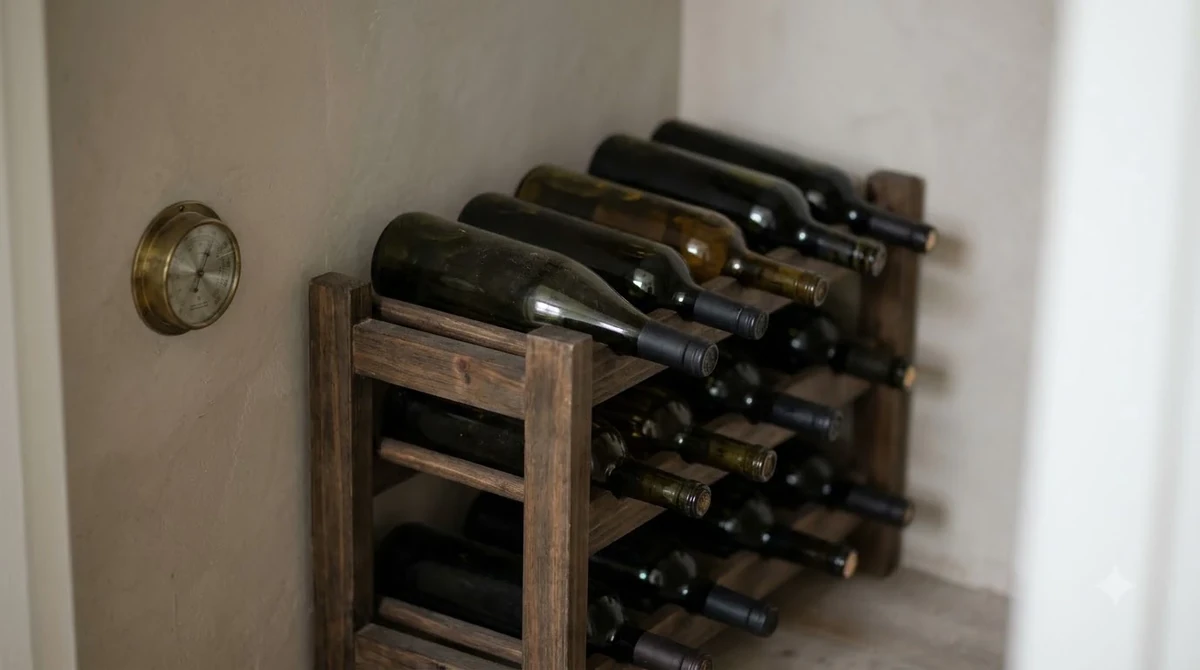
Store wine away from direct sunlight, strong temperature fluctuations, and sources of heat. A relatively stable environment near 55°F is a useful target for longer-term storage. Bottles with natural cork closures should generally be stored horizontally so the cork remains in contact with the wine.
Avoid keeping bottles for extended periods in a kitchen cupboard near an oven, above a refrigerator, or next to a sunny window. These locations can expose wine to repeated temperature changes that may affect its development.
Preserving Opened Wine
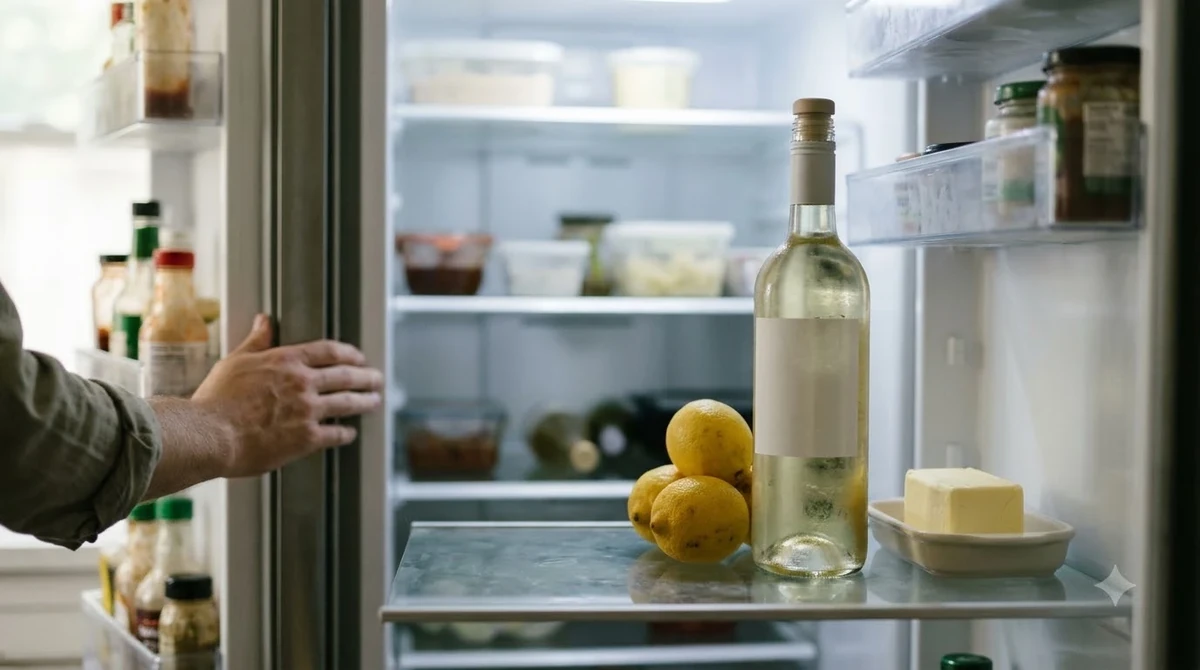
Once opened, a still red or white wine generally keeps for approximately three to five days in the refrigerator when properly resealed. Refrigeration slows oxidation, even for red wine. Remove a bottle from the refrigerator shortly before serving if it needs to warm slightly.
Use a reliable wine stopper to limit unnecessary exposure to air. If the wine develops noticeably dull aromas, unpleasant vinegar-like notes, or an unusually flat taste, it is likely past its best drinking condition.
For an ordinary dinner, a 750 ml bottle provides approximately five standard 5 oz pours. This is a useful quantity when planning a meal for several guests, especially if both red and white wine are being served.
Frequently Asked Questions
Is Marqués de Riscal an independent winery or part of a larger wine group?
The winery operates under the name Herederos del Marqués de Riscal and presents its wines across several Spanish designations of origin. Its official historical account identifies Guillermo Hurtado de Amézaga as its founder in 1858. For questions about present-day corporate ownership and legal structure, consult the winery’s current corporate information rather than assuming its historical founding arrangement describes its present ownership.
Does Marqués de Riscal produce organic wine?
Yes. The winery states that all vineyards it owns in Rueda obtained organic certification in 2018. Its Verdejo Organic bottling is another option for consumers specifically interested in certified organic wine. Organic certification relates to vineyard production standards and does not automatically mean that the wine contains no added sulfites.
Is Verdejo the same grape as Sauvignon Blanc?
No. Verdejo and Sauvignon Blanc are separate grape varieties with different aromatic characteristics. Verdejo is particularly associated with Rueda, while Sauvignon Blanc is an international variety cultivated in many wine regions. Marqués de Riscal introduced Sauvignon Blanc to the Rueda area in 1974, helping expand the region’s white wine production beyond its traditional grape varieties.
Can Marqués de Riscal Reserva be kept for several years?
Some Reserva vintages can develop further in the bottle, but the appropriate drinking window depends on the specific vintage, production conditions, and storage history. A stable environment near 55°F with limited exposure to light and temperature fluctuations is preferable. Not every Reserva should be purchased with the intention of long-term cellaring.
What does the golden netting on some Marqués de Riscal bottles represent?
The distinctive golden netting has a historical purpose rather than being purely decorative. According to the winery, it was introduced during the first quarter of the 20th century to help prevent counterfeiting. It became a recognizable visual feature associated with the producer’s traditional bottle presentation.
Marqués de Riscal offers a useful introduction to the diversity of Spanish wine, from structured Rioja Reserva and mature Gran Reserva to aromatic Rueda Verdejo. For most buyers, starting with Reserva or Verdejo is a practical way to discover the producer’s style before exploring more specialized bottlings. Choose according to your preferred grape, meal, and desired level of structure, and serve each wine at the appropriate temperature to get the most from the bottle.
More in Wine Brands
 Zuccardi Wine Price: Compare Bottles and Find the Right RangeUpdated Nov 21, 2026
 Yellow Tail Moscato Review: Taste, Sweetness and Serving TipsUpdated Nov 21, 2026
 Wolf Blass Yellow Label Review: Choose Your Best StyleUpdated Nov 21, 2026
 Wolffer Estate Rose Review: Choose the Right Bottle for Your TableUpdated Nov 21, 2026
 Wolf Blass Yellow Label Price: What to Expect for Each BottleUpdated Nov 21, 2026
 Yellow Tail Pinot Grigio Price: Compare Bottle Sizes and Retail CostsUpdated Nov 21, 2026