

We may earn a commission when you buy through links on this page, at no extra cost to you. Learn more.
This louis jadot wine review finds that Louis Jadot is a dependable choice for exploring Burgundy, offering approachable Pinot Noir, Chardonnay, Gamay, and more prestigious vineyard-specific wines across a wide range of styles. The producer is particularly useful for shoppers who want to compare regional Burgundy wines with village, Premier Cru, and Grand Cru bottlings from the same established house. The right bottle depends on whether you prefer fresh red fruit, structured Pinot Noir, mineral-driven Chardonnay, or a fuller white Burgundy.
Buying Burgundy can be confusing because grape variety, village, vineyard classification, and producer all influence what ends up in the glass. Louis Jadot makes that process more approachable through a portfolio that covers several important Burgundy regions and includes wines for everyday meals as well as more formal occasions. Understanding its labels and regional differences will help you select a bottle that matches your preferences rather than relying on the producer name alone.
Who Louis Jadot Wine Is For
Louis Jadot is particularly suitable for wine drinkers who want to explore French Burgundy without limiting themselves to a single grape or appellation. Its portfolio includes accessible regional wines, recognizable village bottlings, and higher-classification selections that demonstrate differences between individual vineyard sites.
The house was established in Beaune in 1859 by Louis Henry Denis Jadot. Its history is closely connected to Burgundy’s traditional négociant system, in which wine merchants purchased grapes and wines from growers while gradually developing their own vineyard properties. According to Decanter’s Louis Jadot producer profile, the business developed into a substantial vineyard-owning operation as well as a wine merchant.
That combination matters to shoppers because Burgundy production involves numerous small vineyard parcels. A producer with experience across different appellations can offer a useful introduction to the region while maintaining a recognizable house identity. Louis Jadot’s portfolio includes wines from Chablis, Côte de Nuits, Côte de Beaune, Côte Chalonnaise, Mâconnais, and Beaujolais.
Louis Jadot is especially appropriate for three groups of buyers. First, beginners can start with regional Bourgogne Chardonnay or Pinot Noir before moving toward more specific appellations. Second, experienced Burgundy drinkers can compare village and Premier Cru wines from familiar locations. Third, people planning meals can choose between fresh Gamay, elegant Pinot Noir, and several expressions of Chardonnay.
The house also benefits from a recognizable winemaking philosophy. Its official information emphasizes terroir expression, traditional methods, and restrained new-oak use. Frédéric Barnier leads the winemaking team, following Jacques Lardière, whose long tenure helped establish the producer’s reputation.
However, the name Louis Jadot does not guarantee that every bottle will taste the same. A Beaujolais-Villages Gamay and a Côte de Beaune Pinot Noir are fundamentally different wines, even when they carry the same producer’s name. Buyers should therefore begin with the grape and appellation rather than choosing solely by label recognition.
Key Factors to Compare Before Buying Louis Jadot
The most useful buying factors are grape variety, appellation, wine style, and vineyard classification. These details tell you considerably more about the expected experience than the producer name by itself.
| Buying factor | What to look for | Typical wine character | Best starting point |
|---|---|---|---|
| Grape variety | Pinot Noir | Red cherry, raspberry, fresh acidity, delicate tannin | Bourgogne Pinot Noir |
| Grape variety | Chardonnay | Apple, citrus, orchard fruit, moderate acidity | Bourgogne Blanc |
| Grape variety | Gamay | Bright cherry, raspberry, lively acidity, light tannin | Beaujolais-Villages |
| Regional origin | Chablis | Citrus, mineral character, fresh acidity | Chablis |
| Regional origin | Mâconnais | Ripe orchard fruit, fresh Chardonnay character | Mâcon-Villages |
| Classification | Premier Cru | More specific vineyard identity and greater site distinction | Village-specific Burgundy |
| Classification | Grand Cru | Prestigious vineyard origin and potentially greater complexity | Special-occasion selection |
Grape variety should be the first consideration. Pinot Noir is generally lighter in tannin than Cabernet Sauvignon, with refreshing acidity and red-fruit flavors. Gamay is also typically light-bodied, often offering juicy raspberry and cherry characteristics. Chardonnay, meanwhile, provides a broader range of textures, from crisp and citrus-driven expressions to richer wines with oak influence.
Appellation is the next consideration. Bourgogne is a regional designation, while village wines identify a more specific Burgundy location. Premier Cru and Grand Cru classifications identify increasingly specific vineyard origins. They are useful indicators of origin and potential quality, but they do not automatically mean that every drinker will prefer the more prestigious bottle.
For example, someone who enjoys fresh, uncomplicated red fruit may prefer Beaujolais-Villages to a more structured Côte de Beaune Pinot Noir. A Chardonnay drinker who prefers pronounced acidity may find Chablis more appealing than a richer white from another Burgundy location.
Production details also deserve attention. Louis Jadot emphasizes restrained oak usage, although the exact maturation approach depends on the individual wine and vintage. A wine’s appellation, grape variety, and cellar treatment work together to determine whether its profile is crisp, fruity, textured, or more developed.
For additional background on how producers differ in their approaches, the Wine Brands collection provides a broader starting point for comparing established wine houses.
Step-by-Step: How to Choose a Louis Jadot Bottle
A straightforward buying process begins with your preferred color and grape, then narrows the selection by appellation, drinking occasion, and serving requirements. This approach helps prevent paying for a prestigious designation that does not match your actual taste preferences.
-
Decide between red, white, and rosé.
Choose red if you enjoy cherry, raspberry, and savory flavors. Select white for citrus, apple, and orchard-fruit character. Louis Jadot also offers rosé for drinkers looking for a lighter alternative to traditional red Burgundy.
-
Choose your preferred grape.
Pinot Noir is a strong starting point for delicate red wine. Gamay suits people who prefer juicy fruit and a lighter structure. Chardonnay is the natural choice for white Burgundy, while the specific appellation helps determine its acidity and texture.
-
Identify the regional style.
For red wine, compare Bourgogne Pinot Noir with Beaujolais-Villages. For white wine, consider Bourgogne Blanc, Chablis, or Mâcon-Villages. Each choice offers a different expression of Burgundy’s geography.
-
Decide how specific a vineyard origin you want.
Regional wines are useful introductions. Village wines narrow the origin, while Premier Cru and Grand Cru bottlings identify more prestigious vineyard classifications. Consider a higher classification when vineyard character and additional complexity are priorities.
-
Match the bottle to the meal.
Pair Gamay with roast chicken, grilled sausages, and charcuterie. Pinot Noir works with duck, mushrooms, and pork. Chardonnay pairs naturally with poultry, seafood, and creamy sauces.
-
Consider the drinking occasion.
An informal dinner generally calls for a straightforward regional wine or Beaujolais-Villages. A more elaborate meal may justify a village or Premier Cru bottle. Special vineyard selections are also suitable for collectors who appreciate Burgundy’s regional distinctions.
-
Check the vintage and serving conditions.
Vintage variation can influence fruit ripeness, acidity, and structure. Once selected, serve the wine at an appropriate temperature and give more structured reds enough time to open before drinking.
Tip: If you are new to Burgundy, compare one Louis Jadot Bourgogne Pinot Noir with one Beaujolais-Villages. Both are French reds, but their different grapes and structures make the contrast an excellent introduction to regional wine styles.
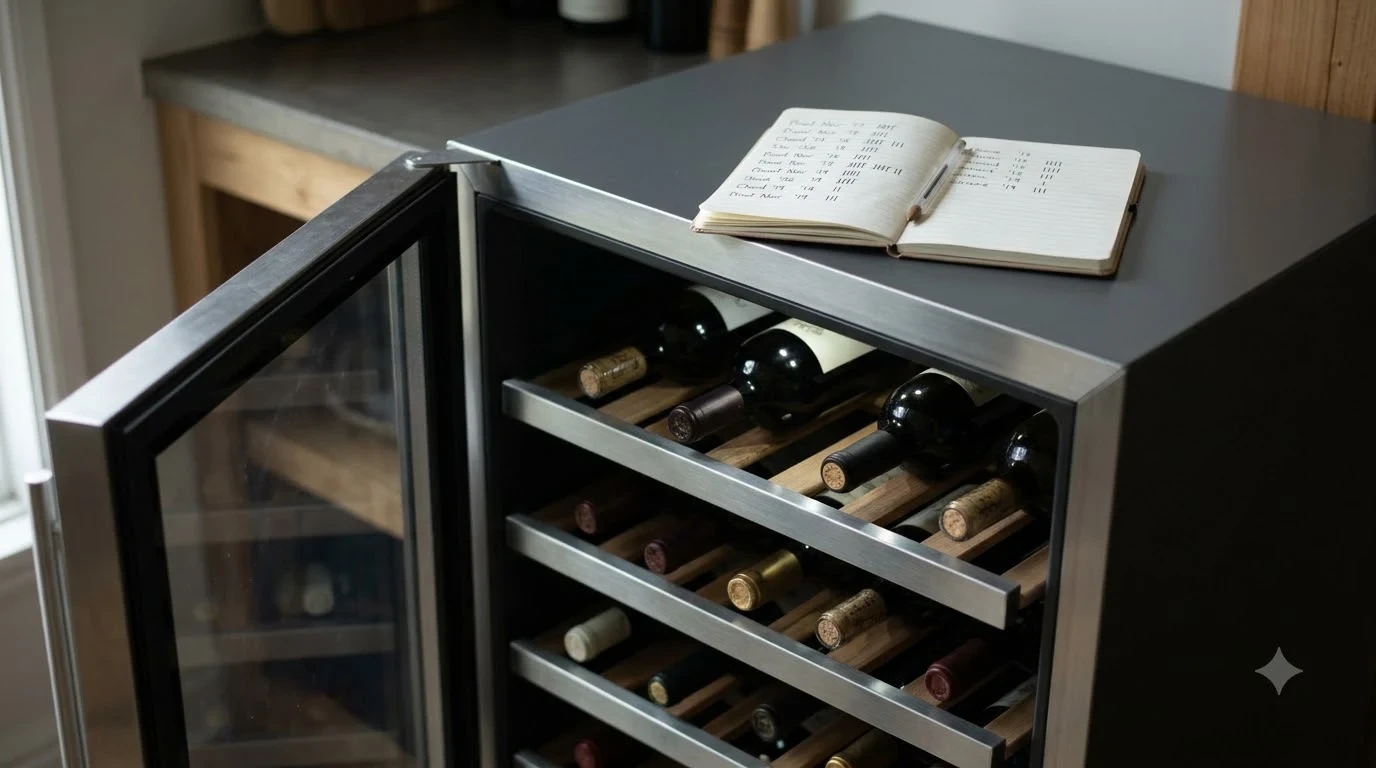
It can also help to keep a simple record of the bottles you enjoy. Note whether you prefer red or dark fruit, lighter or fuller body, pronounced acidity, and noticeable oak. These preferences become useful when moving from regional wines toward more specific village appellations.
Louis Jadot Wine Types and Styles Explained
Louis Jadot’s portfolio covers several grape varieties and appellations, making it possible to compare very different expressions of Burgundy under one producer name. The most practical categories for shoppers are Beaujolais, Pinot Noir, Chardonnay, Chablis, and more specific vineyard selections.
Beaujolais and Beaujolais-Villages
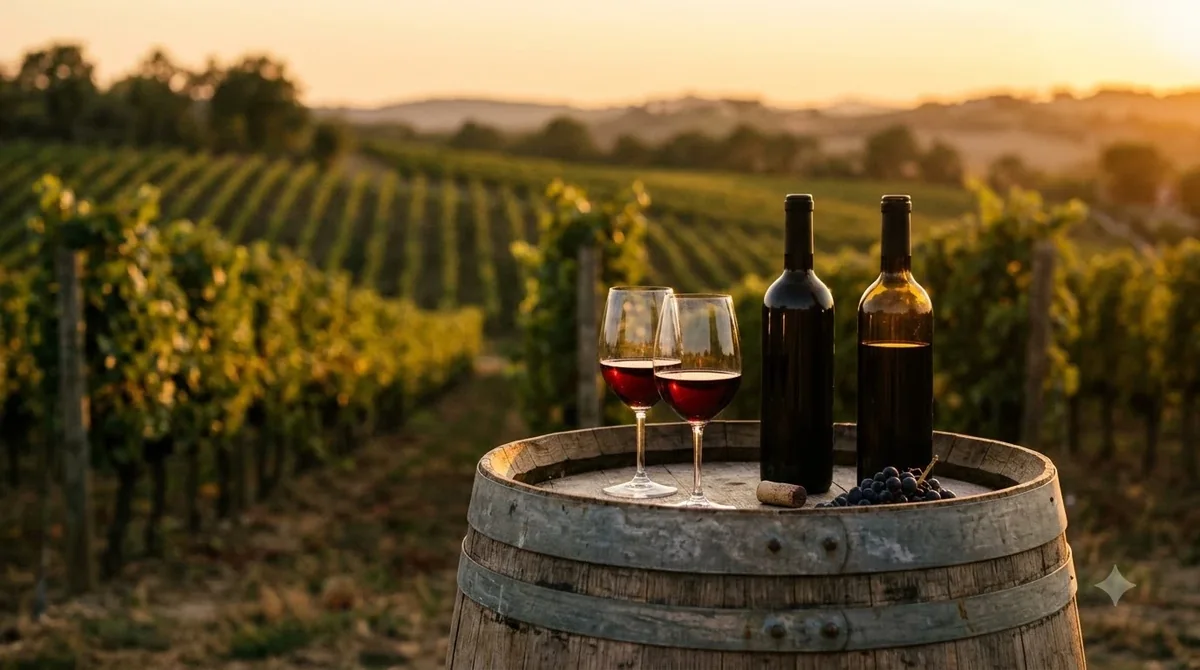
Beaujolais is made primarily from Gamay, a grape associated with lively acidity, bright red berries, and relatively gentle tannins. It generally offers a fresh, fruit-forward experience and can be served slightly chilled. Beaujolais-Villages identifies a more specific regional category than basic Beaujolais.
Louis Jadot’s Beaujolais-Villages is an especially useful introduction to this style. Kobrand describes its wine as crisp, juicy, and fruit-forward, with ripe red-berry aromas and flavors. Its grapes come from northern Beaujolais, where granite and sandy subsoils contribute to the character of the wine.
The producer also describes using the réplis method, which allows wines from higher-classification appellations to be incorporated into a wine bearing a lower appellation. Whole-bunch harvesting and traditional Burgundian vinification are part of the production approach described by Kobrand.
For a more focused explanation of this category, the Louis Jadot Beaujolais guide provides a useful comparison of the producer’s Gamay-based options.
Bourgogne Pinot Noir and Other Red Burgundy
Pinot Noir is one of Burgundy’s defining red grapes. It usually produces wines with red cherry, raspberry, earthy notes, and fresh acidity. Its tannins are generally low to medium compared with more powerful varieties such as Cabernet Sauvignon or Syrah.
Louis Jadot Bourgogne Pinot Noir is a logical entry point for people who want to understand the producer’s red Burgundy style. Regional Pinot Noir offers an introduction to the grape without requiring buyers to select a particular village or Premier Cru vineyard.
More specific Côte d’Or bottlings can provide additional distinctions in fruit concentration, structure, and vineyard expression. The Côte de Nuits is particularly associated with prestigious red Burgundy, while the Côte de Beaune also produces important red wines alongside its renowned whites.
Chardonnay and White Burgundy
Chardonnay gives Louis Jadot a substantial range of white wine possibilities. Bourgogne Blanc offers a regional introduction, while Mâcon-Villages, Chablis, and Pouilly-Fuissé provide more specific expressions of Burgundy’s white-wine regions.
Mâcon-Villages Chardonnay is worth considering for people who enjoy fresh orchard fruit and a relatively approachable white Burgundy style. Chablis is generally more focused on citrus, mineral character, and acidity. Pouilly-Fuissé comes from the southern Mâconnais and is also made from Chardonnay, with potential for a broader, more textured profile.
These wines should not be treated as interchangeable simply because they use the same grape. Climate, soil, vineyard location, and winemaking choices influence the final style. Chardonnay from Chablis, for example, can taste markedly different from a richer expression associated with another Burgundy appellation.
Premier Cru and Grand Cru Selections
Premier Cru and Grand Cru wines occupy important positions in Burgundy’s classification system. They identify specific vineyard origins rather than simply describing a general grape or regional style.
Louis Jadot’s holdings and portfolio include prestigious vineyard names such as Corton-Charlemagne, Chevalier-Montrachet Les Demoiselles, and Beaune Premier Cru Clos des Ursules. These names provide a way for experienced Burgundy drinkers to explore more specific terroir expressions.
Higher classification should not be the first buying priority for everyone. A person who prefers uncomplicated, juicy red wine may enjoy a regional Gamay more than a structured Grand Cru Burgundy. The best selection is the one whose grape, acidity, body, and flavor profile suit the occasion.
Common Mistakes When Buying Louis Jadot
The most frequent mistake is assuming that every Louis Jadot wine has the same flavor profile. The producer covers multiple appellations, grapes, and classification levels, so understanding the bottle’s origin is essential.
Confusing Beaujolais with Pinot Noir Burgundy is a common example. Both can offer red-fruit flavors, but Gamay and Pinot Noir have different characteristics. Beaujolais-Villages is generally juicy and fruit-forward, while Pinot Noir Burgundy often emphasizes greater aromatic detail, acidity, and a different balance of tannin.
Assuming all Chardonnay is heavily oaked is another mistake. Burgundy Chardonnay varies considerably in texture and maturation style. Louis Jadot emphasizes restrained oak usage, and its wines should not automatically be compared with heavily buttery, oak-forward examples from other wine regions.
Buying exclusively by classification can also lead to disappointment. Grand Cru identifies a prestigious vineyard origin, but the wine may have a more structured character than someone who prefers light, immediately approachable reds wants. Premier Cru and Grand Cru bottles are not automatically the most suitable choices for every dinner.
Ignoring acidity and tannin can make food pairing less successful. High-acidity wines are particularly useful with acidic foods, while softer-tannin reds can work well with dishes that contain salt and fat. Tannic reds are generally less suitable for oily fish, which can create an unpleasant combination.
Serving red Burgundy too warm is another avoidable problem. Light-bodied Pinot Noir and Gamay generally show better freshness when served slightly cooler than full-bodied red wines. Excessive warmth can make alcohol more noticeable and reduce the impression of freshness.
Finally, avoid assuming that a familiar producer name removes the need to understand vintage differences. Weather conditions vary from harvest to harvest, influencing ripeness, acidity, tannin, and overall balance. Two bottles from different vintages can therefore deliver noticeably different experiences despite sharing the same appellation.
Care, Serving, and Storage Tips
Correct serving temperature and storage conditions help preserve the freshness and balance of Louis Jadot wines. Lighter reds benefit from modest chilling, while Chardonnay and more structured reds need temperatures suited to their body and style.
For red wines, aim for approximately 55–60°F for lighter Pinot Noir and Gamay, and 60–65°F for fuller-bodied selections. These temperatures are generally cooler than the typical room temperature of a heated American home. A short period in the refrigerator can help bring a warm bottle into the appropriate range.
For white wines, serve lighter and fresher styles at approximately 45–50°F. Fuller Chardonnay expressions generally benefit from 50–55°F. Serving white Burgundy too cold can suppress its aromas and make its texture seem less expressive.
Decanting depends on the wine’s structure and age. Young, fuller-bodied reds can benefit from approximately 30–60 minutes of aeration. A lighter Beaujolais-Villages usually does not require an extended decant. Older Burgundy should be handled more carefully because prolonged oxygen exposure can diminish delicate aromas.
Store unopened bottles in a cool, dark place with a stable temperature near 55°F. Bottles sealed with natural cork are generally best stored horizontally to maintain cork contact with the wine. Avoid direct sunlight, vibration, and repeated temperature changes.
Once opened, reseal the bottle and refrigerate it, including red wine. Most opened still wines remain in reasonable condition for approximately 3–5 days, although their fruit and aromatic freshness gradually decline. Allow refrigerated red wine to warm slightly before serving again.
Food pairing can further improve the experience. Beaujolais-Villages works well with roast chicken, grilled pork, and charcuterie. Pinot Noir is particularly versatile with duck, mushrooms, and roasted poultry. Chardonnay pairs with seafood, grilled chicken, and creamy dishes, while Chablis is especially suitable for shellfish and lighter seafood preparations.
For anyone choosing between several red options, the Louis Jadot red wine guide offers another way to compare the producer’s red-wine categories according to grape and drinking style.
Frequently Asked Questions
Is Louis Jadot considered a good Burgundy producer?
Yes. Louis Jadot has a long-established position in Burgundy and combines négociant production with substantial vineyard ownership. Its portfolio includes wines from regional appellations through prestigious Premier Cru and Grand Cru vineyard sites. Its presence across multiple Burgundy subregions makes it a useful producer for exploring the region.
Does Louis Jadot produce wine outside Burgundy?
Yes. Louis Jadot expanded into Oregon’s Willamette Valley in 2013 through Résonance. The project provides an additional point of comparison for drinkers interested in Pinot Noir beyond its traditional Burgundy origins. The official Louis Jadot vineyard history describes this Oregon expansion and the property’s development.
Who owns Louis Jadot today?
The company was acquired by the owners of Kobrand Fine Wine & Spirits in 1985. Kobrand had previously served as its exclusive American importer. This ownership history connects the Burgundy producer with a long-standing US distribution relationship.
What does Domaine Louis Jadot mean on a wine label?
A domaine designation identifies an estate-associated bottling rather than a standard négociant wine. Decanter explains that the domaine name can appear in a small rectangular area near the bottom of the label. This distinction is useful for understanding the wine’s production origin, although both estate and négociant wines belong to the broader Louis Jadot portfolio.
Is Louis Jadot wine suitable for a wine collection?
Some selections are suitable for cellaring, particularly more structured Premier Cru and Grand Cru Burgundy wines. More prestigious vineyard bottlings can develop additional complexity with careful storage over several years. However, regional Beaujolais and simpler Bourgogne bottlings are generally better choices for earlier drinking rather than long-term collecting.
Louis Jadot is a strong starting point for anyone interested in Burgundy because its range makes it possible to explore Gamay, Pinot Noir, and Chardonnay across several regional and vineyard classifications. Begin with a regional bottle that matches your preferred grape, then move toward village and Premier Cru selections as you discover which styles you enjoy most. Paying attention to appellation, vintage, serving temperature, and food pairing will make choosing the right Louis Jadot bottle considerably easier.
More in Wine Brands
 Yellow Tail Moscato Review: Taste, Sweetness and Serving TipsUpdated Nov 21, 2026
 Wolf Blass Yellow Label Review: Choose Your Best StyleUpdated Nov 21, 2026
 Wolffer Estate Rose Review: Choose the Right Bottle for Your TableUpdated Nov 21, 2026
 Wolf Blass Yellow Label Price: What to Expect for Each BottleUpdated Nov 21, 2026
 Yellow Tail Pinot Grigio Price: Compare Bottle Sizes and Retail CostsUpdated Nov 21, 2026
 Yellow Tail Big Bold Red Price and What Buyers GetUpdated Nov 21, 2026