

We may earn a commission when you buy through links on this page, at no extra cost to you. Learn more.
Is la crema wine good? Yes—La Crema is generally a good choice for well-made, fruit-forward California Pinot Noir and Chardonnay, especially if you like ripe fruit balanced by fresh acidity. The range is not one uniform style: Sonoma Coast bottlings tend to be approachable, while regional and vineyard-designated wines can show more concentration and site character. The smartest purchase depends on the grape, appellation, and the kind of texture you enjoy.
La Crema has focused on cool-climate wines since its founding in 1979, with a strong emphasis on Pinot Noir and Chardonnay. Its wines suit drinkers who want recognizable varietal character and a polished finish rather than an austere, highly experimental bottle. This guide explains how to judge the range, what its main styles taste like, and how to choose a bottle for dinner or a casual glass; see the broader La Crema wine overview for a portfolio snapshot.
Who This Is For
La Crema is a sensible starting point for drinkers who enjoy California Pinot Noir with cherry and cranberry flavors, or Chardonnay that combines orchard fruit with a lively finish. It is especially relevant if you want an identifiable grape and region on the label, rather than a mystery blend, and prefer a wine that can work with food without demanding a special occasion.

Pinot Noir is the clearest fit for people who like lighter-bodied reds with bright acidity and low-to-medium tannin. La Crema’s Sonoma Coast Pinot Noir, for example, was described by Wine Enthusiast as showing cherry, cranberry, cinnamon, raspberry, and mint, with enough tannin to give the wine shape. The dedicated La Crema Pinot Noir page can help compare that style with other bottlings. That profile can please someone who usually finds Cabernet Sauvignon too firm, though it will not taste as delicate as every cool-climate Pinot on the market.
Chardonnay drinkers have a little more to consider. La Crema’s style can combine citrus, apple, pear, and peach with a richer texture; the exact balance of oak, acidity, and fruit changes by vineyard and bottling. If you like both freshness and some roundness on the palate, the range is worth exploring; the La Crema Chardonnay guide offers a closer look at the white-wine options. If you only enjoy very lean, stainless-steel Chardonnay or intensely buttery examples, choose by the specific wine rather than the brand name. La Crema is less compelling for shoppers whose first priority is unusually low alcohol, a heavily tannic red, or a highly individual natural-wine profile. The reviewed Sonoma Coast Chardonnay and Pinot Noir examples each list 13.5% alcohol by volume, but other bottlings differ; the brand has a recognizable direction, not one fixed flavor.
Key Factors to Compare
Start with the grape and appellation, then compare the wine’s alcohol level, texture, and tasting description. Two bottles bearing the La Crema name can be quite different if one is a Sonoma Coast Pinot Noir and the other is a Russian River Valley Chardonnay.
| What to compare | La Crema example or reference point | What it tells you |
|---|---|---|
| Grape | Pinot Noir or Chardonnay | Pinot Noir usually gives red fruit, lighter body, and low-to-medium tannin; Chardonnay offers a broader range of body and oak expression. |
| Appellation | Sonoma Coast, Russian River Valley, Monterey | Region helps explain the wine’s balance, ripeness, and likely texture; it is more useful than relying on the producer name alone. |
| Alcohol | 13.5% ABV in the reviewed 2023 Sonoma Coast Pinot Noir and 2024 Sonoma Coast Chardonnay | Compare the stated figure across bottles, while remembering that alcohol does not describe body or quality by itself. |
| Bottle format | 750 ml in both reviewed Sonoma Coast examples | A standard bottle provides about five 5-ounce pours. |
| Flavor clues | Cherry and cranberry in Pinot Noir; citrus, peach, apple, and pear in Chardonnay | Use the tasting description to decide whether the wine matches your preferred fruit and texture. |
Appellation matters because cool-climate growing areas do not all produce the same impression. La Crema describes the Russian River Valley as Pacific-influenced, with fog that helps cool the vineyards; its regional notes associate Chardonnay with apple, lemon curd, pineapple, and vanilla custard, and Pinot Noir with boysenberry, plum, juicy acidity, and subtle earth. Those notes are a helpful guide, not a promise that every vintage will taste identical. The producer’s Russian River Valley overview gives useful context on that regional style.
Oak is another useful comparison, but do not treat the word as a quality score. Food & Wine’s discussion of Chardonnay points out that barrel aging can add flavor and texture, while buttery notes are often associated with malolactic fermentation rather than oak alone. A wine can feel creamy without tasting heavily toasted, and a citrus-led Chardonnay can still have some barrel influence. Look for words such as vanilla, toast, cream, lemon, and mineral to understand the balance being described.
Step-by-Step
A good La Crema purchase begins with the occasion, not the label’s reputation. Use these steps to narrow the choice before opening a bottle.
- Choose red or white. Select Pinot Noir for a lighter red with red-fruit character, or Chardonnay for a white that can range from citrus-driven to richer and more textured. If you are serving both red and white drinkers, the two grapes make a straightforward comparison flight.
- Pick the region. Sonoma Coast is a useful place to start for the brand’s familiar Pinot Noir and Chardonnay styles. Russian River Valley is a good direction if you want to explore the producer’s more region-specific fruit and texture. Monterey offers another California expression, so treat the appellation as a real choice rather than decorative label language.
- Decide how much richness you want. For a fresher white, look for citrus, lemon, green apple, or mineral notes. For a rounder style, seek descriptions that include ripe pear, peach, pineapple, vanilla, or cream. With Pinot Noir, choose bright cherry and cranberry if you prefer a fresher impression, or darker plum and richer spice if you want more weight.
- Compare the actual bottle details. Note the vintage, appellation, alcohol percentage, and whether the wine is a regional blend or a vineyard-designated bottling. For a useful reference, Wine Enthusiast’s blind review of the 2024 Sonoma Coast Chardonnay lists 13.5% ABV and 750 ml, and describes citrus, white peach, Gala apple, pear, pineapple, and herbs. That is a more specific guide than assuming all Chardonnay tastes alike.
- Match the bottle to dinner. Pinot Noir works with roast chicken, salmon, mushroom dishes, and pork tenderloin. Chardonnay can pair with roast poultry, creamy pasta, crab, scallops, or grilled halibut. For dishes with lemon or vinaigrette, choose a wine with enough acidity to keep the pairing lively.
- Serve at a deliberate temperature. Chill a lighter Chardonnay to about 45–50°F, or a fuller, more textured white to 50–55°F. Serve Pinot Noir slightly cool, around 55–60°F, rather than warm at a typical room temperature.
For a first purchase, a regional Sonoma Coast bottling is a practical baseline because it gives you a familiar reference point. Once you know whether you prefer the Pinot Noir’s red-fruit profile or the Chardonnay’s balance of fruit and acidity, move to a more specific region or vineyard bottling. That comparison tells you more about your own preference than simply moving to a more expensive-looking label.
Compare one wine at a time: try the Pinot Noir with a familiar meal, then the Chardonnay with a different dish. Notice acidity, body, finish, and fruit; those four observations are more useful than memorizing tasting terms.
Types or Styles Explained
La Crema’s range is best understood through its grape varieties and cool-climate origins. Pinot Noir and Chardonnay are the central reference points, but the regional differences give shoppers more than one expression to choose from.
Sonoma Coast Pinot Noir
This is a good entry point for someone who wants a recognizable California Pinot Noir with cherry and cranberry at the center. A Wine Enthusiast review of a 2023 Sonoma Coast example described macerated cherry, cranberry, and cinnamon, with raspberry and mint on the palate; it also noted plush tannin and orange-like acidity. It is a red-fruited style with enough grip to stand up to roast poultry or mushrooms, not a heavy, high-tannin red.
Russian River Valley Pinot Noir
The Russian River Valley is known for Pinot Noir and Chardonnay, and La Crema’s own regional profile describes its Pinot Noir through boysenberry, plum, juicy acidity, and subtle earthy notes. Compared with the Sonoma Coast example above, this is a useful direction for drinkers who want to explore a more distinctly site-led expression. Pair it with duck, roast chicken, salmon, or a mushroom tart.
Sonoma Coast Chardonnay
The reviewed 2024 Chardonnay is a helpful illustration of the brand’s fresher white-wine side. Wine Enthusiast described citrus, white peach, and Gala apple aromas, followed by pear tart, pineapple, chalky minerality, green herbs, and lively acidity; the listing gives 13.5% ABV in a 750 ml bottle. It is a sensible match for seafood, roast chicken, or dishes with a little butter but not an overwhelming cream sauce.
Russian River Valley Chardonnay
La Crema describes this style as richer and more textured, with apple, lemon curd, pineapple, and vanilla custard. That combination suggests more breadth than a very lean, citrus-only Chardonnay, while the region’s cool Pacific influence helps preserve freshness. Try it with lobster, roast turkey, creamy polenta, or baked salmon.
Other regional and varietal bottlings
The portfolio is not limited to those two core grapes. La Crema’s published range includes wines from other California and Oregon growing areas, and the brand has also shown Cabernet Sauvignon and sparkling wines. Treat those as separate buying decisions: Cabernet Sauvignon is generally firmer and more tannic than Pinot Noir, while a sparkling wine needs to be chosen by its sweetness level and style rather than compared directly with a still Chardonnay.
Common Mistakes
The most common buying mistake is treating La Crema as one single flavor profile. The producer works across different cool-climate sites and grapes, so a broad brand impression cannot replace reading the varietal and appellation on the bottle.
Another mistake is treating Sonoma Coast and Russian River Valley as interchangeable labels. La Crema’s Russian River description emphasizes Pacific fog, a substantial morning-to-afternoon temperature shift, and well-draining Goldridge soil; another appellation can produce a different balance even with the same grape. Nor should Chardonnay automatically mean buttery: oak, lees contact, malolactic fermentation, ripeness, and acidity all shape the impression. Vanilla and cream suggest a rounder profile, while citrus, green apple, chalk, and herbs point toward freshness.
Do not expect Pinot Noir to have Merlot’s softness or Syrah’s weight. Pinot Noir has low-to-medium tannin and higher acidity; La Crema’s Sonoma Coast example has some grip, but it is still structurally different from Cabernet Sauvignon. Avoid pairing it with very oily fish if the tannin seems prominent; salmon is generally more forgiving, while Chardonnay can suit richer seafood. Finally, avoid serving either wine too warm or straight from a very cold refrigerator: warmth can emphasize alcohol, while excessive chill can mute aromas. Give the glass a few minutes to settle before judging it.
Care or Storage Tips
Good storage and serving habits help preserve the freshness that makes La Crema’s cool-climate wines appealing. Keep unopened bottles away from heat and sunlight, and serve each style cool enough to retain balance without suppressing its aromas.
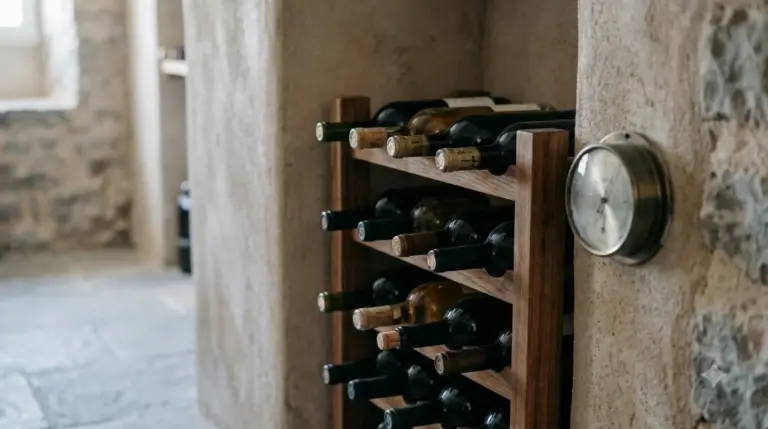
For longer storage, keep bottles on their side in a dark, stable place near 55°F, with limited temperature swings. Avoid a sunny kitchen counter, the top of a refrigerator, or a garage that becomes hot during the day. Most everyday Pinot Noir and Chardonnay are intended to be enjoyed while their fruit is fresh; do not assume that every bottle needs years in a cellar. A more specific vineyard bottling may have greater structure, but storage potential depends on the individual wine and vintage.
For serving, aim for 55–60°F for Pinot Noir. A lighter, fresher Chardonnay is best around 45–50°F, while a fuller white can show more aroma and texture closer to 50–55°F. If the bottle is too cold, let the glass warm briefly; if it is too warm, place it in the refrigerator for a short spell rather than adding ice to the wine.
Once opened, refrigerate still wine with a stopper; most opened still wines keep about 3–5 days, though delicate flavors may fade sooner. Bring the remaining wine back toward serving temperature before pouring. A 750 ml bottle yields about five 5-ounce glasses.
Tip: Chill the bottle before serving, but pour Pinot Noir into the glass at about 55–60°F. A slightly cool red usually shows fresher fruit and more balanced alcohol than one poured warm.
Frequently Asked Questions
What does the name La Crema Viñera mean?
La Crema’s original name was La Crema Viñera, which the winery translates as “best of the vine.” The brand says that name reflects its founding focus on quality and cool-climate winegrowing.
Does La Crema make sparkling wine?
Yes. Its Russian River Valley range has included a non-vintage Brut Rosé and Saralee’s Vineyard Blanc de Blancs. These are separate choices from the still Pinot Noir and Chardonnay range, so check the sparkling wine’s sweetness designation before serving it.
Does La Crema produce Cabernet Sauvignon?
Yes. Wine Enthusiast lists a 2022 La Crema Sonoma County Cabernet Sauvignon, so the brand is not exclusively a Pinot Noir and Chardonnay producer. Cabernet Sauvignon typically has higher tannin than Pinot Noir, making it a better fit for richer beef dishes than delicate fish.
Where is La Crema Estate located?
La Crema identifies its estate as being at Saralee Vineyard in the Russian River Valley. The winery places the appellation about 60 miles north of San Francisco, in Sonoma County.
Is La Crema an Oregon wine producer too?
Yes. La Crema says its cool-climate exploration spans California and Oregon, and Wine Enthusiast has reviewed a La Crema Jory Hills Vineyard Chardonnay from Dundee Hills. That Oregon bottling provides another point of comparison beyond the winery’s California selections.
La Crema is a good buy for drinkers who enjoy polished, cool-climate Pinot Noir and Chardonnay with clear fruit and fresh acidity. Start with the grape and appellation that fit your meal, then use the tasting notes and serving temperature to decide whether a particular bottle matches your preferred style.
More in Wine Brands
 Sofia Blanc De Blancs Review: Taste, Sweetness, Food Pairings, and Buying TipsUpdated Nov 21, 2026
 Smoking Loon Wine Review: Choose the Right Bottle for Your TableUpdated Nov 21, 2026
 Sofia Blanc De Blancs Price: What to Expect and How to BuyUpdated Nov 21, 2026
 Stags Leap Wine Review: Compare Napa Wines and Choose the Right BottleUpdated Nov 21, 2026
 Sea Smoke Wine Review: Choose the Right Bottle for Your TasteUpdated Nov 21, 2026
 Sofia Wine Review: Choose the Right Bottle for Every OccasionUpdated Nov 21, 2026