

We may earn a commission when you buy through links on this page, at no extra cost to you. Learn more.
La Crema Chardonnay is the Chardonnay from La Crema, a Sonoma County winery based in Windsor, California. The brand labels its bottles by appellation and vineyard, including Sonoma Coast, Russian River Valley and single-vineyard bottlings, and it describes its approach as gentle handling of the fruit. The result is a Chardonnay that aims for balance and freshness rather than heavy oak.
La Crema is a well-known name in California Chardonnay, and its bottles are easy to find. This guide explains where La Crema’s Chardonnay comes from, how to read the labels, what the wine tastes like, and how to serve and pair it so you get the most from a bottle.
About La Crema and its approach
La Crema is based in Windsor, in Sonoma County, and its labels show the regions it draws from. The brand’s own website describes a philosophy of gentle handling, which extends beyond the cellar to the stewardship of natural resources in its vineyards. That approach shapes the wines’ style, which is generally aimed at clean fruit and a smooth finish.
La Crema is part of the same family-owned portfolio as Kendall-Jackson, and the two brands have worked together on major sponsorship deals. For shoppers, that means the brand benefits from a long track record in California wine, while still keeping its own identity and its own winemaking team.
Where La Crema Chardonnay grows
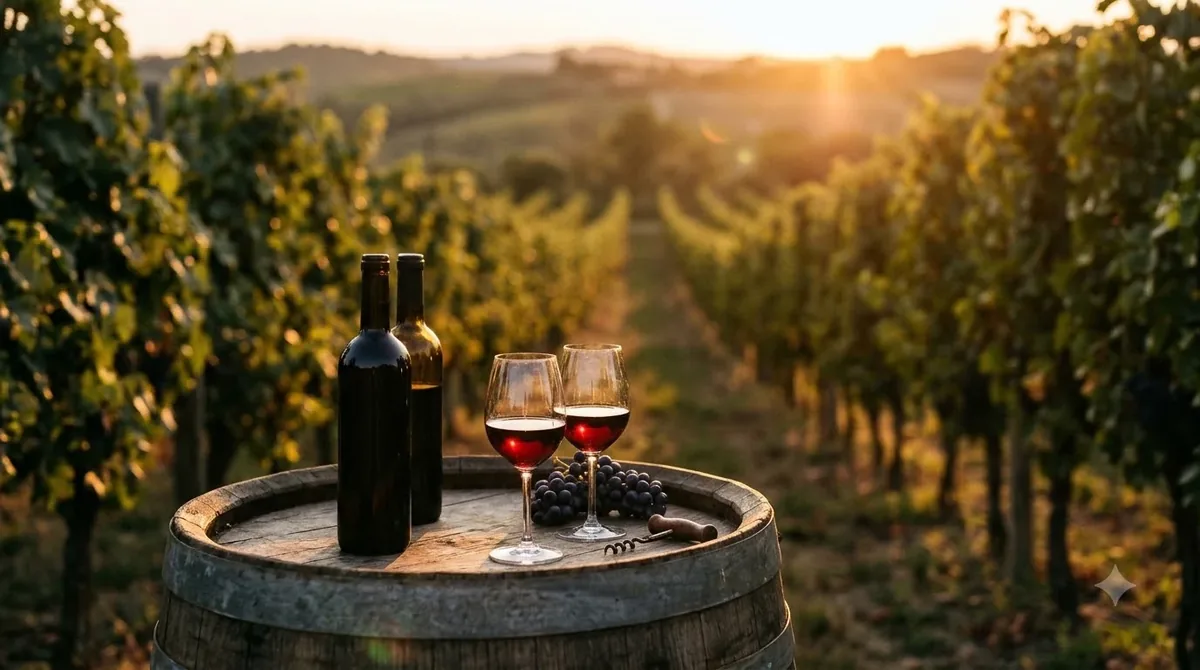
La Crema labels its wines by region, and the Chardonnay sits across several Sonoma County appellations. The Sonoma Coast and Russian River Valley are the two regions most often named on the bottles, and each gives the wine a slightly different character.
The brand also releases single-vineyard bottlings, which are named after the vineyard where the grapes were grown. Examples from the current lineup include Saralee’s Vineyard, which appears in several Chardonnay and sparkling bottlings, and Kelli Ann Vineyard. Vineyard-specific wines are a good way to taste how one site expresses the grape.
| Bottling | Region on the label | What it signals |
|---|---|---|
| Sonoma Coast Chardonnay | Sonoma Coast | Cooler coastal fruit with lively acidity |
| Russian River Valley Chardonnay | Russian River Valley | Fuller fruit with a rounder texture |
| Saralee’s Vineyard Chardonnay | Single vineyard | A specific site with its own character |
| Kelli Ann Vineyard Chardonnay | Single vineyard | A focused expression of one site |
The table is a general guide to how the labels are organized. Vintages change from year to year, so the detailed style of each bottle may vary, but the regional and vineyard names are a dependable way to choose.
Taste profile and style
La Crema Chardonnay is generally built for balance. Coastal and cooler-climate fruit tends to show green apple, pear and citrus, with crisp acidity that keeps the wine lively. Warmer districts usually bring more ripe stone fruit and a rounder texture.
Oak use is part of the style, but the brand’s goal is integration rather than a heavy toast or butter flavor. Expect a creamy feel with some vanilla and spice, and a finish that stays clean rather than sticky.
Tip: If you want a fresher style, choose the Sonoma Coast bottling. For a fuller texture, the Russian River Valley or a single-vineyard wine will usually feel richer.
How to serve and pair La Crema Chardonnay
Serve La Crema Chardonnay chilled, but not ice cold, so the fruit and texture come through. A standard white wine glass gives the aromas room to open as the wine warms slightly.
The wine pairs well with roast chicken, grilled salmon, crab and creamy pasta. A Sonoma Coast bottling suits lighter dishes such as herb-roasted fish or a salad with a citrus dressing, while a richer single-vineyard wine can handle roast pork or a dish with a cream or butter sauce.
How to choose between La Crema bottlings
Start by reading the label. The region tells you the broad style, while the vineyard name tells you the specific site. If you are buying for a dinner with friends, a Russian River Valley Chardonnay is an easy, familiar choice. If you want to explore what a single site can do, pick one of the vineyard-designated bottles and compare it with the regional wine.
Check the vintage too, because the same vineyard can taste different from year to year. Our wider list of brand guides lives under Wine Brands, and if you want to compare related La Crema bottles, see the La Crema Pinot Noir guide or the La Crema Wine overview.
Chardonnay and the Sonoma Coast climate
The Sonoma Coast is cooled by fog and ocean breezes, and its Chardonnay usually shows more tension and acidity than fruit from warmer inland sites. Growers there often aim to keep freshness in the grapes, and the result is a wine that reads crisp, with citrus and green apple lifting the palate.
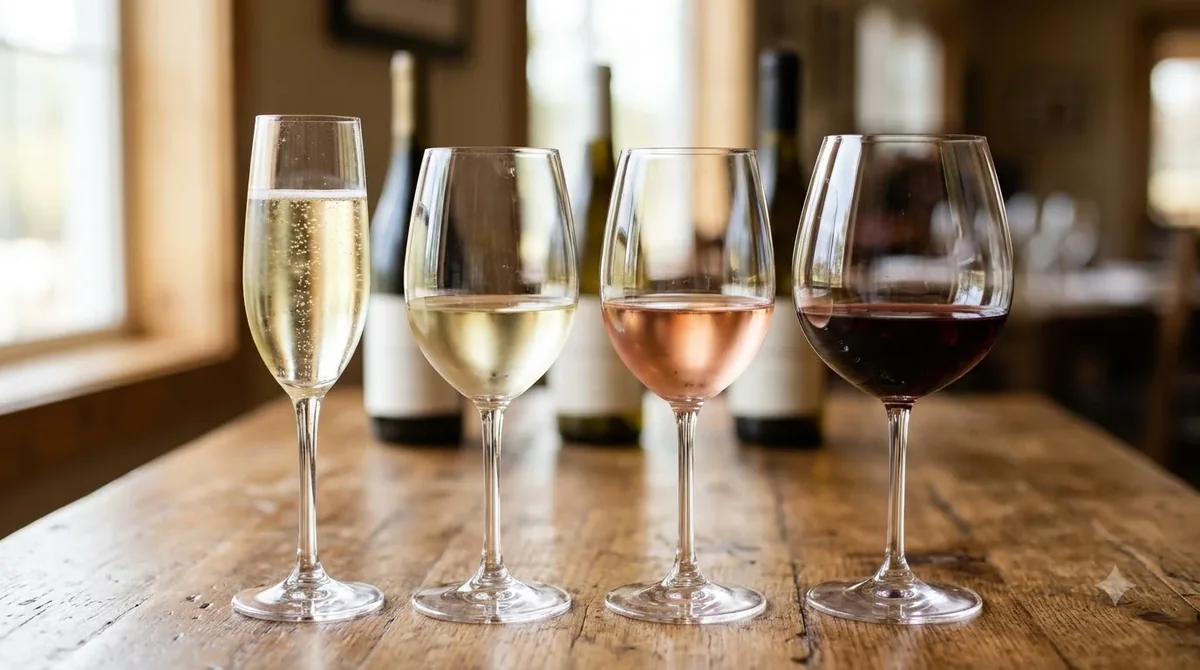
Russian River Valley fruit tends to come from a warmer pocket of Sonoma County, with a ripeness that brings in stone fruit and a fuller texture. Neither style is better than the other. The difference simply gives you two ways to enjoy the grape, and tasting them side by side is one of the easiest ways to understand how climate shapes the glass.
When choosing, think about the meal. The coastal bottling suits lighter, herb-driven dishes, while the Russian River style can match creamy pasta or roast chicken with a little more weight. For a sparkling option, our guide to La Marca Prosecco covers another crowd-pleasing choice that works at brunch and before dinner.
Storing and enjoying La Crema Chardonnay
Store a corked bottle lying down in a cool, dark place, and keep it away from heat. Chardonnay is generally best enjoyed within a few years of its vintage, and most everyday bottlings are made to be drunk young and fresh rather than aged for a decade.
Once opened, reseal the bottle and keep it chilled. Chardonnay holds up reasonably well for a day or two, but the fresh fruit fades quickly. Finish it with a simple meal, such as a chicken salad or grilled fish, to make the most of what is left.
Shoppers often ask whether a Sonoma Chardonnay needs decanting or airing. For most white bottlings, no decanting is needed. Pour a glass, leave it for a few minutes, and taste as the temperature rises. The aroma opens gradually, and the difference is clearest when you compare a glass straight from the fridge with one poured a few minutes earlier. Having a small reference glass on hand helps you decide what works best at your table, especially if you are hosting guests with different tastes.
Frequently Asked Questions
Where is La Crema located?
La Crema is based in Windsor, in Sonoma County, California. Its wines are labeled Sonoma County, Russian River Valley or Sonoma Coast, depending on where the grapes were grown.
Is La Crema Chardonnay oaky?
It usually has a creamy texture and some vanilla and spice from oak, but the style is built around balance. Bottles from cooler regions tend to feel lighter and more citrusy.
What is the difference between a regional and a single-vineyard Chardonnay?
A regional bottling blends fruit from several vineyards in one appellation. A single-vineyard bottling comes from one named site, so it usually shows a more specific character.
Does La Crema make other wines besides Chardonnay?
Yes. The brand also makes Pinot Noir, Cabernet Sauvignon, Sauvignon Blanc, sparkling wine and rosé, according to its current product categories.
La Crema Chardonnay is a dependable choice when you want a balanced California white with clear regional character. For the brand’s own product details and vineyard notes, visit the La Crema website. You can also browse more producers in our Wine Brands guides.
More in Wine Brands
 Underwood Wine Price: Compare Bottles, Cans, and Pack SizesUpdated Nov 21, 2026
 Zenato Wine Price: Compare Styles and Choose the Right BottleUpdated Nov 21, 2026
 Zuccardi Wine Price: Compare Bottles and Find the Right RangeUpdated Nov 21, 2026
 Yellow Tail Moscato Review: Taste, Sweetness and Serving TipsUpdated Nov 21, 2026
 Wolf Blass Yellow Label Review: Choose Your Best StyleUpdated Nov 21, 2026
 Wolffer Estate Rose Review: Choose the Right Bottle for Your TableUpdated Nov 21, 2026