


We may earn a commission when you buy through links on this page, at no extra cost to you. Learn more.
La Crema Pinot Noir is the producer’s red line of regional and single-vineyard bottlings grown in cool coastal parts of California. The estate’s home is a Russian River Valley property near Windsor, and the Pinot Noir range is organized by place, from Sonoma Coast and Russian River Valley bottlings to an Anderson Valley wine from Mendocino County. Because the brand is built around the idea of a wine that reflects its site, the bottles are easiest to understand when you compare where the fruit was grown.
If you are choosing between several Pinot Noirs on a shelf, this guide explains how La Crema organizes its range, what the regions mean for flavor, and how to serve and pair the wines. The notes draw on the producer’s own website and on general knowledge of Pinot Noir from cool-climate California, so they describe the style and the sourcing rather than the score of any single vintage.
Where La Crema Pinot Noir comes from
La Crema presents itself as a California and Oregon winery, and its estate is in the Russian River Valley, a short drive from downtown Windsor. The producer describes decades-old vineyards on the property, and that long farming history is part of the brand’s pitch. For Pinot Noir, the Russian River Valley is one of the most recognized cool-climate areas in California, and its fog and marine air give the grape more time to ripen slowly.
The Pinot range also looks beyond the estate. The current listings on the producer’s site include a Sonoma Coast Pinot Noir, a Saralee’s Vineyard Pinot Noir from the Russian River Valley, and an Anderson Valley Pinot Noir from Mendocino County. Each of these bottles tells you something about the place, so the label is a useful guide to what you are about to taste.
The regional lineup and what each one tastes like
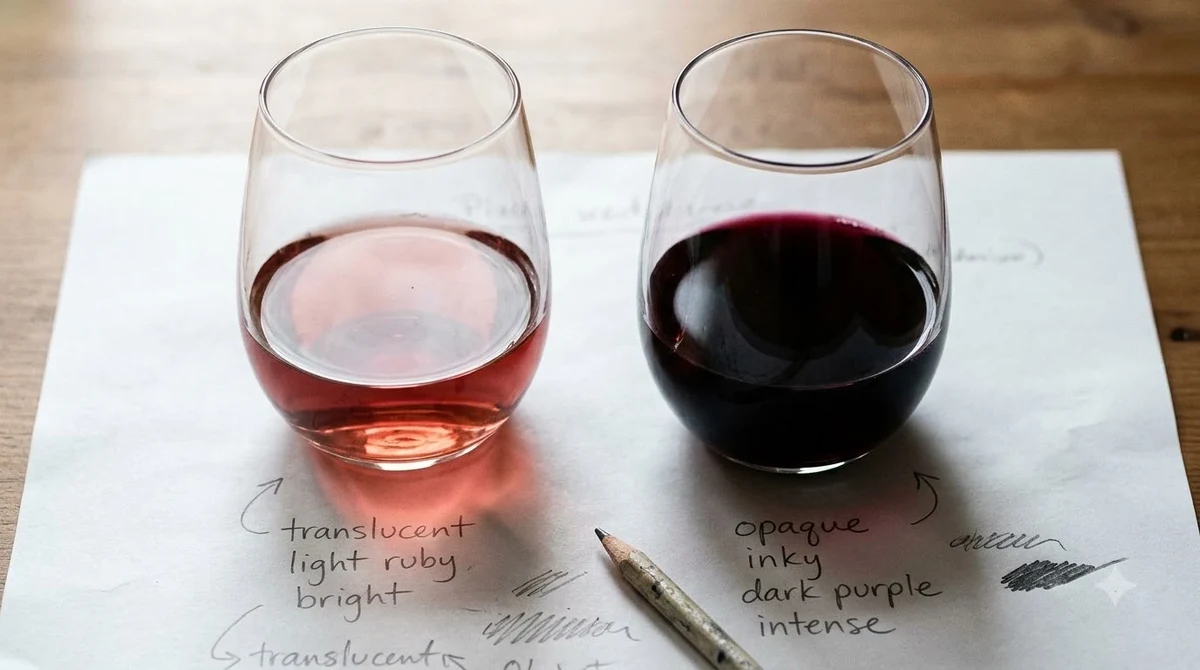
The Sonoma Coast bottling is the broadest of the three, drawing on cool coastal fruit that often shows bright red cherry, fresh herbs and a light savory edge. It is a good introduction to the house style because it gives a clear baseline for the producer’s Pinot before you move to a more specific bottling.
The Saralee’s Vineyard Pinot Noir is a single-vineyard wine from the Russian River Valley. Single-vineyard bottlings usually show more concentration and a clearer sense of site, with darker fruit, more depth and a longer finish than a blended regional wine. It is the choice for readers who want to taste how a specific vineyard expresses the grape.
The Anderson Valley bottling comes from Mendocino County, a region known for cool nights and a long growing season. Pinot from this area tends to be aromatic and layered, with red fruit, spice and a fine structure, and it gives the range a different voice from the Russian River wines.
| Bottling | Where it comes from | What to look for |
|---|---|---|
| Sonoma Coast Pinot Noir | Cool coastal fruit, Sonoma County | Bright cherry, herbs and a light savory edge |
| Saralee’s Vineyard Pinot Noir | Single vineyard, Russian River Valley | Deeper fruit, more concentration and a longer finish |
| Anderson Valley Pinot Noir | Mendocino County | Aromatic, layered red fruit with fine structure |
Tip: If you are new to Pinot Noir, start with the regional Sonoma Coast bottling. It shows the grape’s typical bright fruit and gives a clear baseline before you try a single-vineyard wine.
Serving La Crema Pinot Noir at home
Pinot Noir benefits from a little less warmth than many people expect. Serve it slightly below room temperature, and open the bottle about fifteen to thirty minutes before pouring so the aromas can develop. A wide red-wine glass gives the fruit room to open, and pouring a moderate amount keeps the wine from warming too quickly in the glass. The producer’s website does not include tasting notes or serving instructions in its main text, so these are general guidelines for the style.
When you pour a Pinot for a group, think about the order. A lighter regional bottling works well as a starting wine for guests, while a single-vineyard bottling suits the main course or a slower conversation after dinner. Decant only if the wine is older, since younger Pinot usually shows its fruit best straight from the bottle.
Food pairing for Pinot Noir
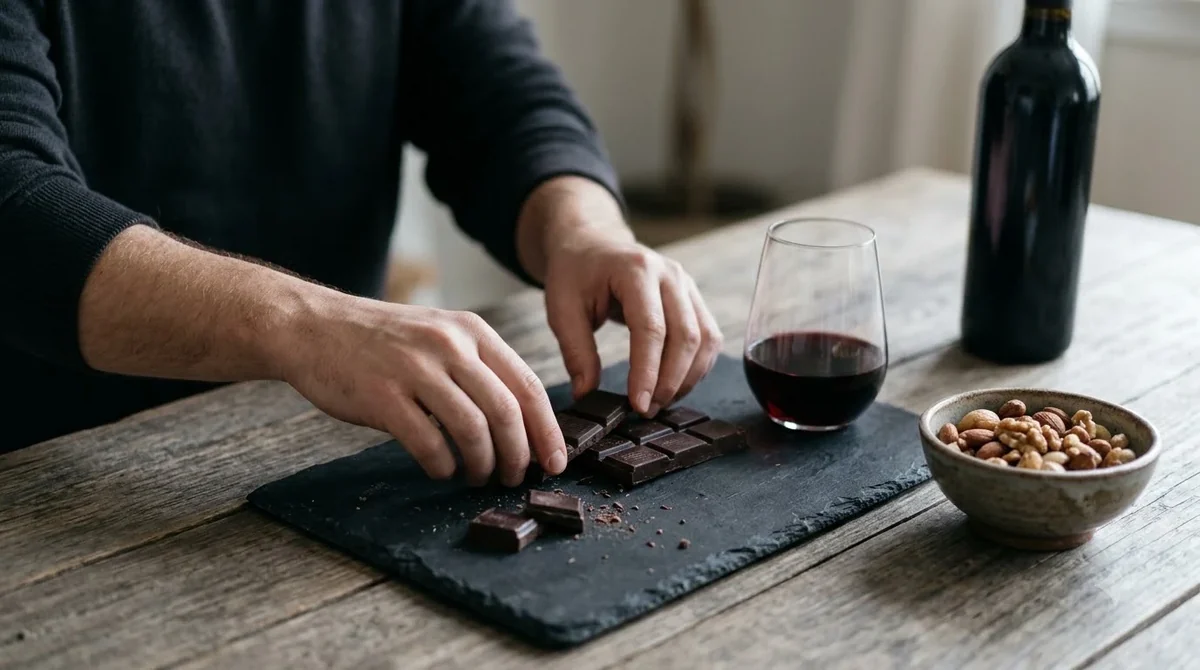
Pinot Noir is one of the most food-friendly red wines, and its moderate tannin and bright acidity suit a wide range of dishes. Roast duck, salmon, pork tenderloin and mushroom dishes all work well, and the wine pairs with soft cheeses and tomato-based sauces too. Because Pinot does not overwhelm delicate food, it is a good choice for a dinner where the cooking matters as much as the wine.
The regional differences suggest a few matches. The Sonoma Coast bottling fits roast chicken, herb-roasted vegetables and lighter pasta dishes. The Saralee’s Vineyard bottling has enough depth for grilled pork, earthy mushrooms or aged cheese. The Anderson Valley wine suits spiced dishes and roast game, where its aromatic edge can keep up with bold flavors.
How La Crema fits with the rest of the range
The Pinot Noir is one part of a broader La Crema lineup, and the producer’s Chardonnay is the other well-known style from the estate. Readers who enjoy the house style in one wine often want to compare it with another, and the Chardonnay from the same producer makes a useful contrast with the red. Among other brands, the Meiomi Pinot Noir and the Mark West Pinot Noir offer other approachable California takes on the grape for everyday drinking.
If you are building a wine list for a meal, pairing a Pinot Noir with a white from the same family of producers can help the table move from a light start to a richer main. The La Crema Chardonnay guide covers the white side in more detail, and the wine brands hub lists more producers in the category.
Who should buy La Crema Pinot Noir
La Crema Pinot Noir suits buyers who like a red that is fruity but not heavy, and who want a producer with a clear sense of place. It is a good choice for a weeknight meal, a dinner party or a gift for someone who enjoys Pinot. Readers who prefer big, tannic reds may find the house style lighter than they expect, while those who enjoy the aromatic side of Pinot will find plenty to explore across the three bottlings.
When you shop, read the place name on the label as well as the vintage. The Saralee’s Vineyard and Anderson Valley bottlings come from distinct sites, and the regional label tells you more about the style than the producer’s name alone. Because the site shows critic point scores rather than tasting notes, the best way to compare bottlings is to taste two side by side. For the latest releases and availability, check the La Crema website directly.
Frequently Asked Questions
Where is La Crema Pinot Noir made?
The producer’s estate is in the Russian River Valley near Windsor, California, and its Pinot Noir range also includes fruit from Sonoma Coast vineyards and Mendocino County’s Anderson Valley.
What is the difference between the La Crema Pinot Noir bottlings?
The Sonoma Coast bottling is a regional wine with bright, fresh fruit. The Saralee’s Vineyard bottling is a single-vineyard wine from the Russian River Valley and tends to show more concentration. The Anderson Valley bottling comes from Mendocino County and is more aromatic and layered.
How should I serve La Crema Pinot Noir?
Serve it slightly below room temperature in a wide red-wine glass, and open the bottle a little before pouring so the aromas can develop. Younger Pinot usually shows its fruit best without decanting.
What food goes well with Pinot Noir?
Pinot Noir pairs well with roast duck, salmon, pork, mushroom dishes and soft cheeses. Its moderate tannin and bright acidity make it one of the more flexible red wines at the table.
La Crema Pinot Noir is a practical choice for anyone who wants a food-friendly red with a clear sense of place. Start with the Sonoma Coast bottling to learn the house style, then try a single-vineyard or Anderson Valley wine to taste how the regions differ. Serve it with food that suits its weight, and the differences between the bottlings will become easy to notice.
More in Wine Brands
 Underwood Wine Price: Compare Bottles, Cans, and Pack SizesUpdated Nov 21, 2026
 Zenato Wine Price: Compare Styles and Choose the Right BottleUpdated Nov 21, 2026
 Zuccardi Wine Price: Compare Bottles and Find the Right RangeUpdated Nov 21, 2026
 Yellow Tail Moscato Review: Taste, Sweetness and Serving TipsUpdated Nov 21, 2026
 Wolf Blass Yellow Label Review: Choose Your Best StyleUpdated Nov 21, 2026
 Wolffer Estate Rose Review: Choose the Right Bottle for Your TableUpdated Nov 21, 2026