

We may earn a commission when you buy through links on this page, at no extra cost to you. Learn more.
Is Fonseca Port good? Yes, Fonseca is a respected Portuguese Port producer, particularly known for rich, concentrated fruit flavors, balanced sweetness and its approachable Bin 27 Reserve Port. Its range includes straightforward Ruby, mellow Tawny, Late Bottled Vintage and collectible Vintage Ports. The best choice depends on whether you prefer youthful berry fruit, nutty complexity or a more structured wine for special occasions.
Fonseca is a useful name to know if you are exploring fortified wine from Portugal. Its bottles cover several drinking occasions, from an informal glass after dinner to a carefully selected Vintage Port for a celebration. However, not every Fonseca Port tastes the same, and understanding the differences between its main styles makes choosing a bottle much easier. This guide examines the producer’s strengths, flavor profiles, food pairings and practical buying considerations.
Who This Is For: Port Drinkers Who Enjoy Rich, Fruity Wines
Fonseca is particularly appealing to people who enjoy full-bodied, sweet fortified wines with concentrated dark-fruit flavors. Its approachable Reserve Port, Bin 27, is a sensible starting point for someone who wants a recognizable Port style without immediately committing to an older Vintage bottle. More experienced drinkers can explore its Late Bottled Vintage, Tawny and Vintage selections for different levels of complexity.
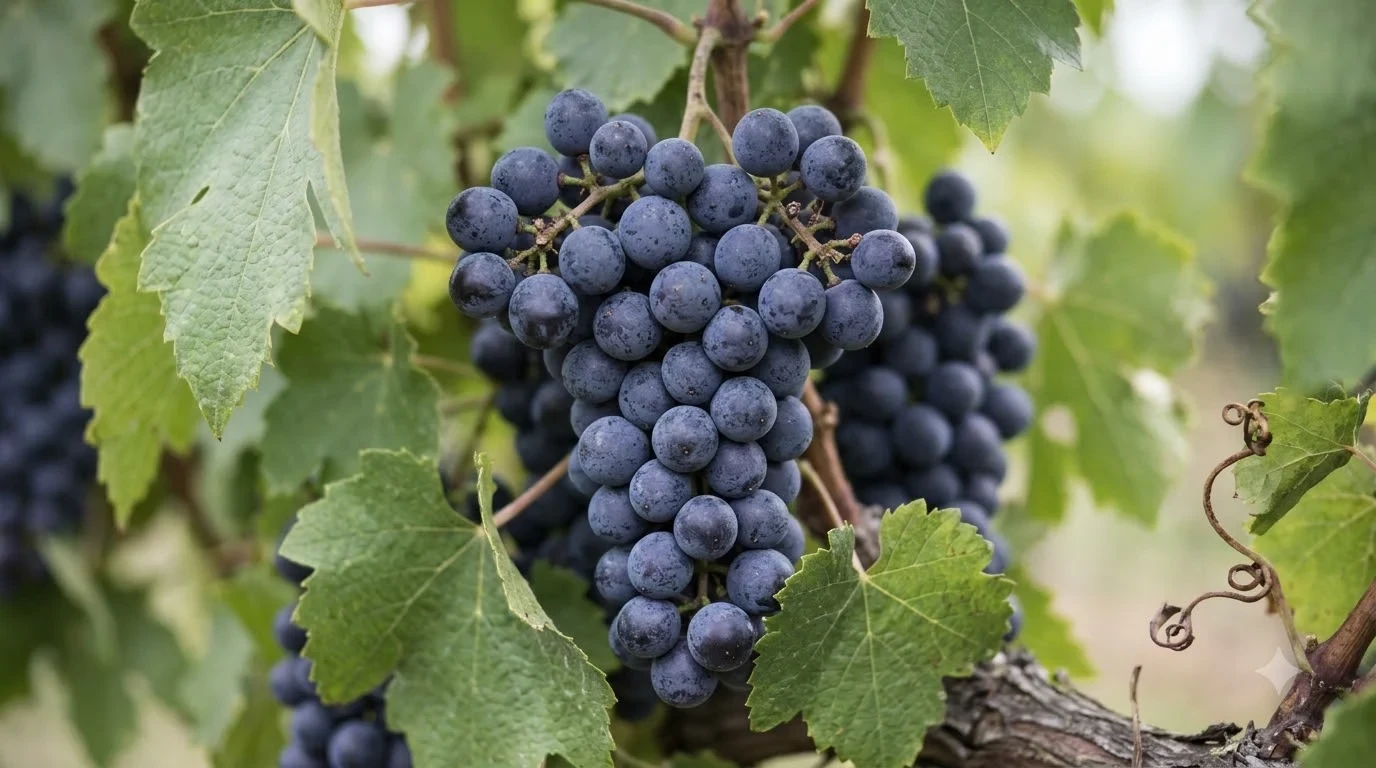
Fonseca’s history in Port production dates to 1815, and its wines come from Portugal’s Douro region. The producer has developed a recognizable house character built around generous fruit, depth and a rounded texture. According to Wine Enthusiast’s review of its NV Bin 27 Reserve Port, the wine offers black fig, almond and dried-date character, supported by a generous texture. That combination makes it particularly suitable for people who enjoy concentrated dessert wines.
There are several types of buyers who may appreciate the range:
- Port beginners: Bin 27 provides an accessible introduction to rich, fruity Port without requiring bottle aging or complicated preparation.
- Ruby Port enthusiasts: Fonseca Ruby offers a youthful profile with cherry and blackcurrant flavors.
- Dessert wine drinkers: Its Reserve and Tawny styles work well with chocolate, nuts, fruit desserts and cheese.
- Collectors: Vintage Port offers a more structured experience, with the potential to develop additional complexity during bottle aging.
- Experienced Port drinkers: The 10-Year-Old and 20-Year-Old Tawny selections provide opportunities to explore extended wood maturation.
Fonseca may be less suitable for someone who prefers completely dry wines, delicate sparkling wines or low-alcohol refreshments. Port is fortified, and its sweetness and alcohol are more pronounced than those of ordinary table wine. Even the fruit-forward styles have a concentrated, substantial character that can feel intense when served in a large glass or consumed too quickly.
The main attraction is the variety within one producer’s portfolio. Instead of assuming every bottle tastes alike, buyers can select a style according to the occasion. Bin 27 works for casual after-dinner drinking, while an aged Tawny can suit a quieter dessert course and Vintage Port can become the centerpiece of a special meal.
Key Factors to Compare Before Buying Fonseca Port
The most useful comparisons involve sweetness, fruit character, maturation, body and intended drinking occasion. Fonseca’s range includes wines aged in large wooden vats, reserve blends and smaller casks, so the maturation method has a meaningful effect on the finished wine.
| Factor | What to Look For | Fonseca Example |
|---|---|---|
| Fruit character | Cherry, blackberry, plum and dried fruit | Bin 27 and Ruby |
| Wood maturation | Three years in large vats or small casks, depending on style | Ruby and standard Tawny |
| Reserve aging | Approximately four years before bottling | Bin 27 |
| LBV maturation | Four to six years in barrel | Late Bottled Vintage |
| Serving temperature | 61–64°F for Bin 27 | Bin 27 |
| Tawny serving temperature | 54–61°F | Standard Tawny |
| Alcohol | 20% ABV for the reviewed bottle | NV Bin 27 |
| Bottle size | 750 ml for the reviewed bottle | NV Bin 27 |
These figures provide useful reference points rather than universal specifications for every Fonseca bottle. The aging periods come from Fonseca’s descriptions of its respective categories, while the alcohol and bottle-size figures refer specifically to the NV Bin 27 reviewed by Wine Enthusiast. Vintage, bottling and individual product specifications can differ.
Sweetness is an important consideration. Port is generally a sweet fortified wine, but the impression of sweetness changes with acidity, tannin, fruit concentration and wood aging. Bin 27 combines dark fruit with firm but integrated tannins, creating more structure than a simple sweet red wine. Tawny Port develops a different character, with mellow dried-fruit, caramel-like and nutty notes.
Body also matters. A full-bodied Port can feel particularly rich after a substantial meal, so buyers who prefer something more delicate may enjoy a chilled Tawny rather than a concentrated Reserve or Vintage style. The serving temperature changes the experience, too: cooler temperatures can make sweetness feel more controlled, while warmer wine can emphasize alcohol and richness.
Finally, consider how quickly the bottle will be consumed. A ready-to-drink Reserve blend is practical for occasional glasses, whereas a bottle of Vintage Port may need careful decanting and more deliberate planning. Fonseca’s official Bin 27 product information explains why this particular Reserve Port is designed for immediate enjoyment rather than long bottle maturation.
Step-by-Step: How to Choose the Right Fonseca Bottle
Choosing Fonseca Port becomes easier when you start with the occasion and preferred flavor profile rather than the label design. A few practical decisions will narrow the range considerably, especially if you are buying Port for the first time.
-
Decide how you intend to drink it.
For a casual after-dinner glass, begin with Bin 27 or Ruby. For a dessert course involving nuts, caramel or dried fruit, consider Tawny. For a special occasion where bottle aging and decanting are part of the experience, investigate Vintage Port. -
Choose your preferred fruit character.
If you enjoy blackberry, cherry, blackcurrant and plum, focus on Ruby and Bin 27. If you prefer apricot, dried fruit, butterscotch and spice, Tawny is a more appropriate direction. -
Decide how much complexity you want.
Standard Ruby is relatively straightforward and youthful. Bin 27 adds reserve-wine blending and a more rounded, concentrated profile. Late Bottled Vintage and older Tawny selections offer different forms of additional complexity. -
Consider the serving occasion.
Bin 27 is convenient for informal gatherings because it is ready to drink without decanting. Vintage Port is better suited to a planned dinner, where you can allow time for opening, settling and serving the wine. -
Plan the food pairing.
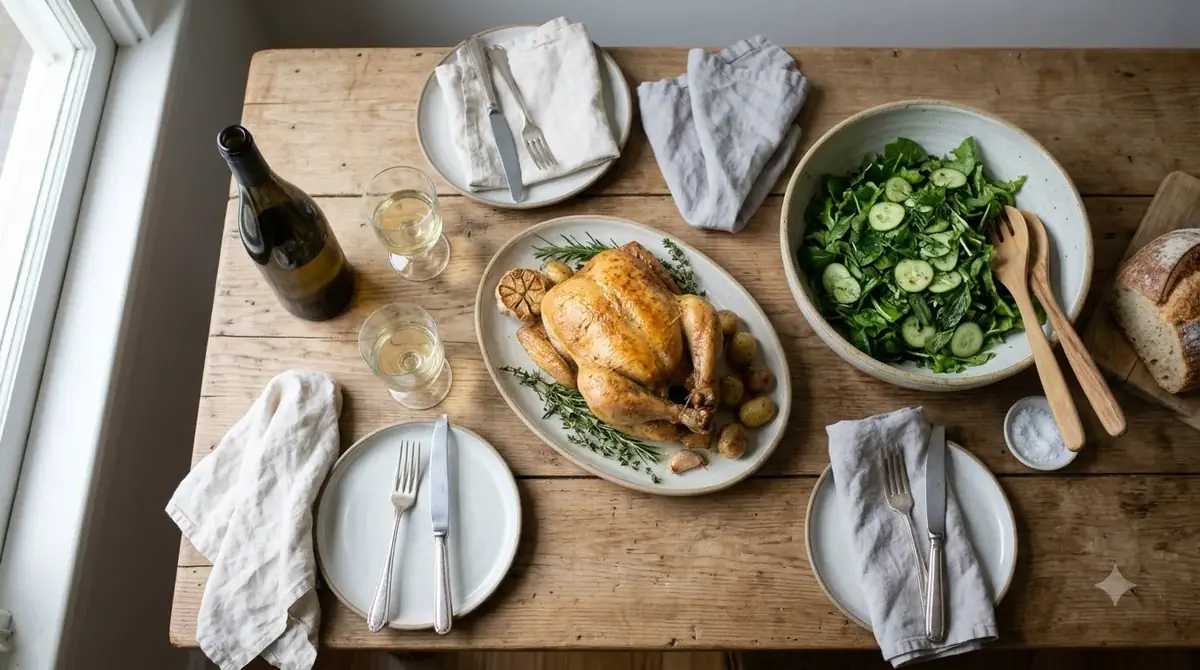
Choose Ruby or Bin 27 for dark chocolate and mature cheese. Choose Tawny for almond pastries, caramel desserts and nut-based sweets. Avoid pairing very sweet Port with a dessert that is noticeably sweeter than the wine. -
Check the bottle format and storage needs.
A standard 750 ml bottle provides approximately five 5 oz servings, although smaller Port pours are common. If you expect to drink only one glass at a time, consider whether you can store the opened bottle properly. -
Buy according to your experience level.
Newcomers can start with a Reserve Port before moving to more specialized bottles. Experienced drinkers may prefer comparing an older Tawny with an LBV or Vintage Port to understand how maturation changes the wine.
This sequence prevents a common purchasing mistake: selecting an expensive or collectible bottle when a simple, ready-to-drink Port would better suit the occasion. It also helps buyers distinguish between a producer’s everyday offering and its more elaborate wines.
Tip: If this is your first Fonseca purchase, start with Bin 27. It combines a recognizable house style, concentrated berry fruit and a ready-to-drink format, making it an informative introduction before exploring Vintage or aged Tawny Port.
For additional background on the producer’s range, the Fonseca Port selection is a useful starting point. Comparing the available categories before purchasing helps identify whether a fruit-forward Reserve, mellow Tawny or more structured bottle is the right match.
Types or Styles Explained: Ruby, Bin 27, Tawny and Vintage
Fonseca makes several distinct Port styles, and each has a different relationship between fruit, wood maturation and bottle aging. Understanding these differences is more useful than treating the brand as a single flavor profile.
Fonseca Ruby
Fonseca Ruby is a traditional, youthful Port aged for approximately three years in large wooden vats. The relatively limited wood contact helps preserve its deep ruby color and fresh fruit character. The producer describes aromas of cherry and blackcurrant, with a full-bodied palate, integrated tannins and a rich finish.
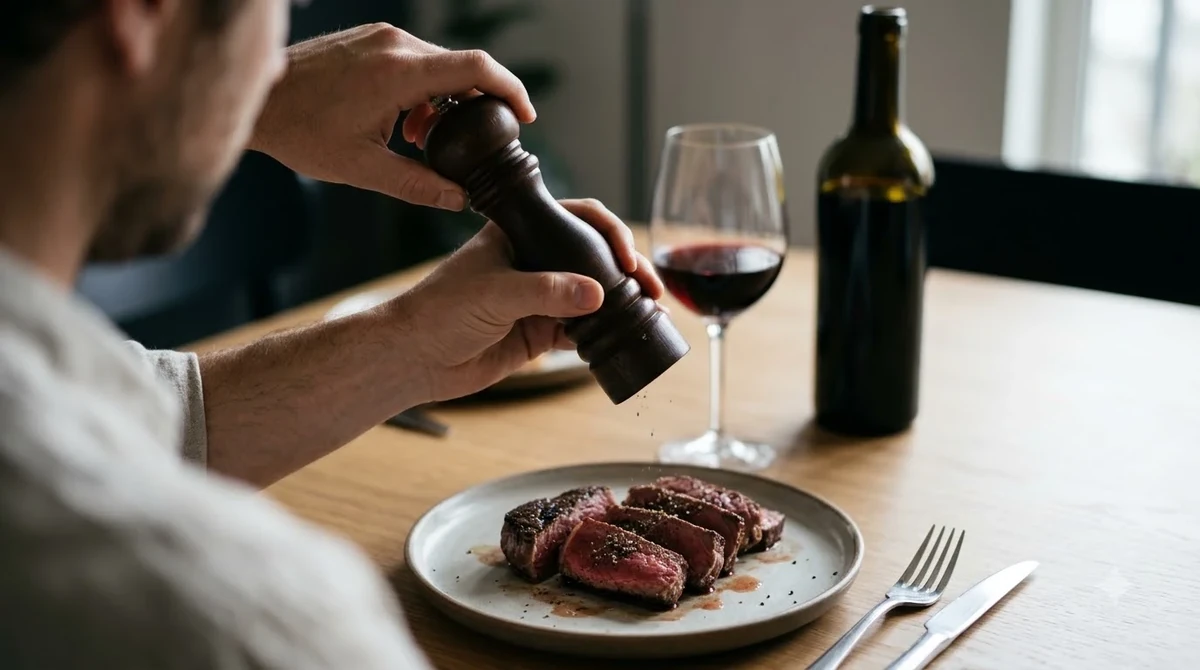
This is a sensible option for people who want straightforward fruit expression. It is particularly suitable for mature blue cheese, chocolate desserts and berry-based sweets. Ruby is generally more direct than an older Tawny, making it easier to understand as an introduction to traditional red Port.
Fonseca Bin 27 Reserve Port
Bin 27 is arguably the most recognizable bottle in Fonseca’s approachable range. Introduced in Great Britain in 1972, it was developed to deliver the depth and fruit character associated with Vintage Port in a more accessible style. Rather than depending on one harvest, it combines selected reserve wines from different lots to maintain consistency.
The blend draws on wines from Cima Corgo and Douro Superior in Portugal’s Douro Valley. Fonseca matures these wines in large oak barrels, allowing them to soften while retaining concentrated fruit. The resulting profile includes blackberry, cassis, cherry, plum and spice, with a full body and soft, rounded texture.
Bin 27 is ready to drink and does not need decanting. Decanter’s assessment by Richard Mayson describes dense berry fruit, plum richness and a gentle peppery finish, reinforcing the wine’s position as a substantial Reserve Port rather than a lightweight sweet wine. Its convenience makes it a strong choice for casual entertaining.
Fonseca Tawny Port
Fonseca Tawny takes a different route. The standard bottling spends approximately three years in small wooden casks, generally holding around 630 liters. Compared with large wooden vats, these casks provide greater wood contact relative to the volume of wine, encouraging gradual changes in color, texture and aroma.
The resulting wine develops a tawny-red color with a brick-colored rim. Fonseca identifies apricot, plum, butterscotch and spice among its characteristic aromas. Its mellow sweetness is lifted by crisp acidity, creating a different balance from the youthful dark-fruit concentration of Bin 27.
For more developed wood-aged flavors, the producer also offers 10-Year-Old and 20-Year-Old Tawny selections. These wines are particularly interesting for drinkers who appreciate nuts, caramel, dried fruit and savory spice rather than primarily fresh berry flavors.
Fonseca Late Bottled Vintage
Late Bottled Vintage, commonly abbreviated LBV, provides a middle ground between an approachable Reserve Port and a traditional Vintage Port. Fonseca describes its LBV category as spending approximately four to six years in barrel before bottling. This extended maturation allows the wine to develop while retaining much of the concentrated fruit associated with its vintage.
Its profile can include dark berries, spice, dense fruit and a firm structure. Some LBV bottlings are filtered, while others are unfiltered and may develop sediment. That distinction matters because an unfiltered LBV may benefit from careful decanting, whereas a filtered version is generally easier to serve directly.
Fonseca Vintage Port
Vintage Port represents a more selective category, made from the wines of an exceptional harvest rather than a consistent blend of multiple years. It is intended to develop in the bottle over an extended period, with fruit, tannin and structure changing as the wine matures.
Fonseca’s Vintage selections are more appropriate for collectors and experienced drinkers who appreciate the effects of bottle aging. They are also more demanding at serving time because sediment can accumulate as the wine matures. Decanting helps separate the clear wine from that sediment and prepares the bottle for serving.
For readers comparing Portuguese producers, Graham’s Port offers another established name worth considering. Comparing its styles with Fonseca can help reveal differences in house character, fruit concentration and preferred maturation approach.
Common Mistakes When Buying and Drinking Fonseca Port
Even a good bottle of Port can disappoint if the style does not match the occasion or if it is served incorrectly. The most common mistakes involve confusing Reserve and Vintage Port, serving the wine too warm, and pairing its sweetness with unsuitable food.
Assuming Every Fonseca Bottle Tastes the Same
Bin 27 and Ruby are both fruit-forward, but Bin 27 has the added concentration and complexity of a reserve blend. Tawny, by contrast, develops more mellow aromas through small-cask maturation. Vintage Port is a separate category that places greater emphasis on the characteristics of an individual harvest and extended bottle development.
Someone who enjoys dark cherry and blackberry may prefer Bin 27, while a drinker who favors apricot, butterscotch and nutty flavors may find Tawny more satisfying. The distinction is substantial enough that buying the wrong category can create an inaccurate impression of the producer.
Serving Port Too Warm
Port is often served too warm because people assume every red wine should be enjoyed at ordinary room temperature. In a warm dining room, this can emphasize alcohol and make a sweet wine seem heavier than intended.
Fonseca recommends serving Bin 27 at approximately 61°F to 64°F. Standard Tawny is better slightly chilled, at approximately 54°F to 61°F. These differences are useful because the wines have distinct textures and aromatic profiles, and a cooler Tawny can feel particularly refreshing after a rich meal.
Choosing Food That Is Too Sweet
A dessert should generally be no sweeter than the Port served alongside it. If the food is considerably sweeter, the wine may seem less fruity and more acidic or bitter by comparison. Dark chocolate, berry desserts and farmhouse cheddar are more reliable options for Bin 27 than extremely sugary confectionery.
Port also pairs well with savory foods. Salt and fat can soften the impression of tannin, which is why mature cheeses often complement structured red Port. For Tawny, almonds, walnuts, caramelized apples and nut-based pastries provide complementary flavors without overwhelming the wine.
Using the Wrong Glass or Pour Size
Port is concentrated, so a large serving is rarely necessary. A small wine glass or dedicated Port glass allows the aromas to collect while keeping the serving size manageable. A 5 oz serving is a useful general wine reference, but a smaller 2 oz to 3 oz pour is often more appropriate for a sweet fortified wine.
Another mistake is opening a bottle of Vintage Port without planning for sediment. A mature bottle may need to stand upright before opening and should be poured carefully after decanting. Bin 27 does not require this extra preparation, which is one reason it is convenient for everyday occasions.
Expecting a Dry Red Wine
Fonseca’s red Port styles are sweet fortified wines, not substitutes for dry Cabernet Sauvignon or Syrah. They have more concentrated fruit and a different balance of sweetness, alcohol and structure. If you normally prefer dry wines, a small serving alongside cheese or dark chocolate may be a better introduction than drinking a full glass on its own.
Buyers interested in comparing other established Portuguese Port houses can also explore Dow’s Port. Its range offers another useful reference when comparing fruit expression, sweetness and structure across producers.
Care and Storage Tips for Maintaining Fonseca Port Quality
Proper storage and serving make a noticeable difference to Port, particularly when a bottle will be enjoyed over several occasions. Fonseca’s ready-to-drink Reserve and Tawny styles are convenient, but Vintage Port requires more attention because of its potential for bottle sediment and further development.
Store Unopened Bottles Correctly
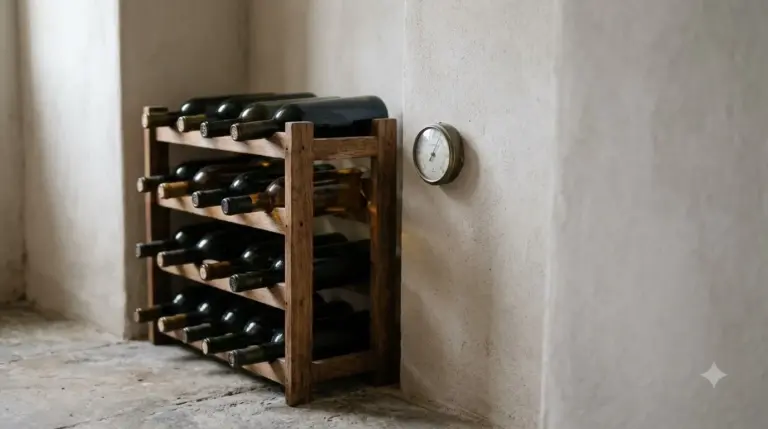
For Bin 27 and standard Tawny, Fonseca recommends keeping the bottle upright, protected from light and at a cool, consistent temperature. Avoid placing Port beside a radiator, in direct sunlight or in an area with frequent temperature changes.
For longer-term wine storage, approximately 55°F is a useful target for a stable environment. However, Vintage Port and other wines intended for extended bottle aging deserve especially careful temperature control. Bottle position can also differ according to the wine’s closure and storage requirements, so follow the producer’s specific instructions for the particular bottle.
Serve at the Appropriate Temperature
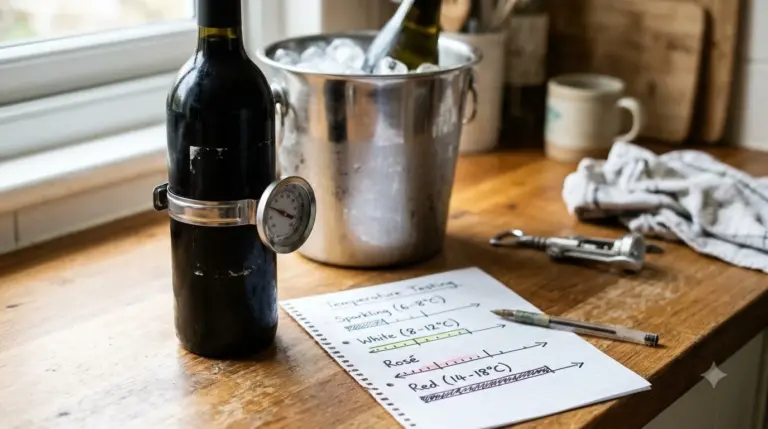
Temperature is one of the easiest ways to improve the drinking experience. Bin 27 should be served around 61°F to 64°F, while Fonseca recommends 54°F to 61°F for standard Tawny. Ruby can be served slightly cool rather than warm, allowing its cherry and blackcurrant aromas to remain expressive without making the alcohol too prominent.
A simple refrigerator cooling period can help bring a bottle toward the desired temperature. Avoid freezing the wine or leaving it in the refrigerator for an extended period without checking its temperature. Allow the bottle to rest briefly after removal if it has become colder than intended.
Know When Decanting Is Necessary
Bin 27 and Fonseca Ruby are ready to drink without decanting. Their production and bottling methods are designed for immediate enjoyment. Standard Tawny is also ready to serve directly from the bottle, making these styles convenient for spontaneous gatherings.
Vintage Port is different. Older bottles can accumulate sediment during maturation, so decanting helps separate the wine from the deposits. Young, full-bodied Vintage Port may benefit from approximately 30 to 60 minutes of aeration, although the ideal period depends on the bottle’s age and structure. Unfiltered LBV may also require careful decanting.
Preserve an Opened Bottle
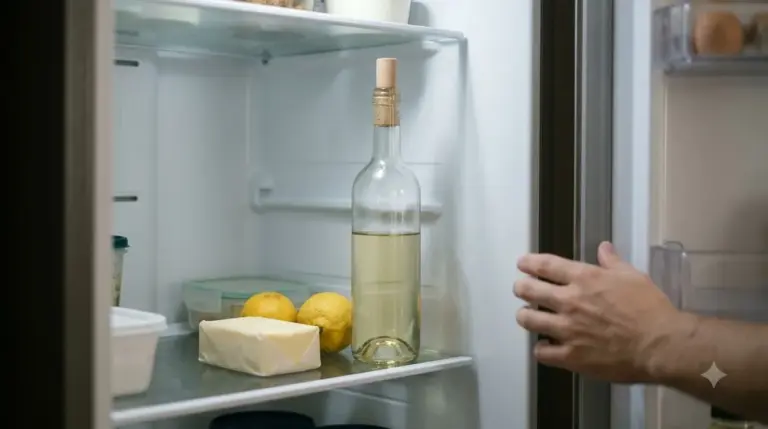
After opening, close the bottle securely and store it in the refrigerator. A useful general guide is one to three days for sparkling wine and three to five days for still wine, but fortified Port behaves differently because its higher alcohol content helps it remain stable longer than ordinary table wine.
Ruby and Reserve Ports are generally best enjoyed within a few weeks, with freshness gradually declining after opening. Tawny can often remain enjoyable longer because it has already undergone extended oxidative maturation in wood. Vintage Port is more sensitive to oxygen exposure and is usually best consumed within a few days rather than kept for several weeks.
The practical approach is to open only what is likely to be consumed within a reasonable period. Refrigeration, a tight closure and minimal air exposure help preserve the wine’s aromas and flavor. Avoid leaving an opened bottle standing on a warm kitchen counter between servings.
For a broader introduction to producers and styles beyond Fonseca, the Wine Brands resource can help put this Port house into context alongside other established names.
Frequently Asked Questions
Is Fonseca considered a premium Port producer?
Yes. Fonseca is an established Port house with a portfolio that includes Reserve, LBV, Tawny and Vintage wines. Its Vintage bottlings have received significant recognition among specialist wine critics, and Decanter’s Richard Mayson identifies several historical Fonseca Vintage releases among the benchmark wines of their respective harvests. Its range therefore extends well beyond entry-level fortified wine.
Is Fonseca Bin 27 suitable for someone who has never tried Port?
Yes. Bin 27 is a practical introduction because it is a consistent Reserve blend made for immediate enjoyment. Its blend combines wines from different lots instead of relying on one vintage, which helps maintain a recognizable flavor profile between bottles. A small serving alongside cheddar or dark chocolate is a good way to understand its sweetness and texture.
Does Fonseca make white Port?
Yes. Fonseca’s white Port range includes Siroco, a dry white Port designed for aperitif-style drinking. It provides a very different experience from the brand’s sweet, full-bodied red Ports. White Port can also be served chilled and used in traditional Port-based cocktails.
Is Fonseca Port vegetarian or vegan friendly?
Fonseca specifically identifies its Ruby and standard Tawny Port as vegan friendly on their product information pages. That is useful for shoppers who want to check production suitability rather than relying on the assumption that all wines are made using identical clarification methods. For another bottling, consult its individual product information because production practices can vary across a producer’s portfolio.
Can an unopened bottle of Fonseca Bin 27 improve with age?
Bin 27 is designed to be bottled ready to drink, so extended cellaring is not necessary to enjoy it. Its main appeal is its consistent Reserve Port character rather than the long-term bottle development associated with Vintage Port. For a wine specifically intended to mature over decades, choose a suitable Vintage Port instead.
Fonseca Port is a strong choice for drinkers who enjoy concentrated fruit, sweetness and the depth of traditional Portuguese fortified wine. Bin 27 is the easiest starting point, while Ruby, Tawny, LBV and Vintage offer distinct alternatives for different preferences and occasions. Choosing the right style, serving it at the appropriate temperature and pairing it with suitable food will help you appreciate what makes this producer worth exploring.
More in Wine Brands
 McGuigan Wine Review: Find the Right Australian Bottle for Your TasteUpdated Nov 21, 2026
 Mer Soleil Wine Price: Compare Bottles and Find the Right ChardonnayUpdated Nov 21, 2026
 Masi Costasera Wine Price: What to Expect Before You BuyUpdated Nov 21, 2026
 McGuigan Wine Price: Compare Bottles and Find the Right ValueUpdated Nov 21, 2026
 Matua Wine Review: Find the Right New Zealand Wine for Your TasteUpdated Nov 21, 2026
 Meerlust Wine Price: Compare Bottles and Find Your FitUpdated Nov 21, 2026