

We may earn a commission when you buy through links on this page, at no extra cost to you. Learn more.
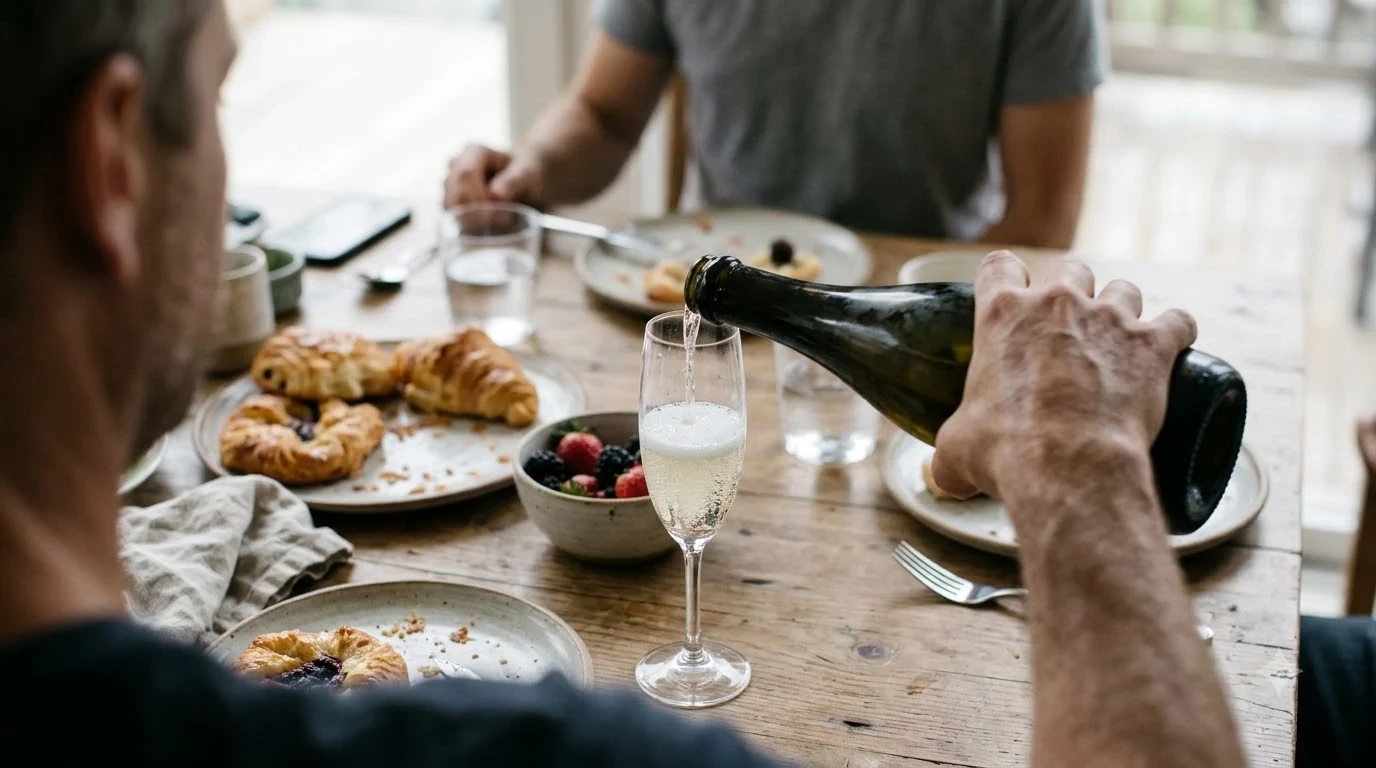
The typical gruet wine price in the United States ranges from about $14 to $28 for a 750 ml bottle, depending on the sparkling wine style, retailer, and collection. Gruet Brut is generally the most affordable starting point, while Blanc de Blancs, Rosé, and the Sauvage collection can cost more. The New Mexico winery specializes in traditional-method sparkling wines, giving shoppers an American alternative to more expensive imported Champagne.
Gruet has developed a following among shoppers looking for traditional-method bubbles without paying Champagne-region prices. Its lineup includes crisp Brut, fruit-forward Rosé, Pinot Noir-based Blanc de Noirs, Chardonnay-focused Blanc de Blancs, and particularly dry Sauvage bottlings. Understanding the differences between these wines makes it easier to compare retail prices and choose a bottle that suits the occasion. The producer’s official Gruet wine collection provides a useful starting point for comparing its current styles.
Who Should Buy Gruet Wine and What Should They Expect to Pay?
Gruet is a strong choice for sparkling wine drinkers who want traditional bottle-fermented bubbles, recognizable grape varieties, and several different sweetness and flavor profiles. Most shoppers can begin with the classic Brut collection, while those planning a dinner party or special celebration may prefer Blanc de Blancs, Rosé, or a more distinctive bottling.
The winery traces its American beginnings to New Mexico in 1984, when Gilbert Gruet established an experimental vineyard using Chardonnay and Pinot Noir. His family brought experience from Bethon, France, where Gilbert had established Gruet et Fils. The first American Gruet releases, the 1987 Brut and Blanc de Noirs, reached consumers in 1989. These French roots help explain the winery’s emphasis on traditional sparkling wine production.
Gruet is particularly appealing to several types of buyers:
- Everyday sparkling wine drinkers: Gruet Brut provides an approachable introduction to American traditional-method sparkling wine. Its apple character and refreshing profile work for casual gatherings, weekend meals, and uncomplicated celebrations.
- Champagne-style wine enthusiasts: Shoppers familiar with Chardonnay and Pinot Noir blends can explore Gruet’s classic collection without limiting themselves to French producers.
- Rosé enthusiasts: Brut Rosé offers a different flavor profile, with tropical fruit aromas and hints of vanilla.
- Dry wine drinkers: The Sauvage collection is designed for people who prefer a particularly dry sparkling wine rather than a softer, fruitier style.
- Food-focused shoppers: Blanc de Blancs and Blanc de Noirs provide different flavor and texture options for pairing with seafood, poultry, cheese, and appetizers.
For typical US retail shopping, Gruet Brut generally falls around $14 to $19 per 750 ml bottle, based on the product listings and brand selection at Total Wine. Prices vary by state and retailer, and local availability can affect the final shelf price.
Other classic bottlings generally occupy a slightly higher range. Total Wine lists Blanc de Blancs around $18 to $21 per 750 ml bottle, while other retailer listings provide additional examples of its retail positioning. These are indicative ranges rather than guaranteed national prices; prices vary by state and retailer.
Gruet is not necessarily the right purchase for someone seeking a sweet, fruit-heavy sparkling wine across the entire lineup. The Classic Collection includes different sweetness levels, and the dry Sauvage range has a noticeably different purpose. Matching the style to personal preference is more useful than treating every Gruet bottle as interchangeable.
Key Factors to Compare When Shopping for Gruet
The most useful comparison points are the specific wine, grape composition, sweetness level, bottle size, and retail price. A 750 ml Brut and a 750 ml Blanc de Blancs may come from the same producer, but they offer different drinking experiences and can occupy different price positions.
| Wine | Style | Typical US retail range | Best suited to |
|---|---|---|---|
| Gruet Brut | Classic dry sparkling | About $14–$19 | Everyday celebrations |
| Gruet Brut Rosé | Rosé sparkling | About $16–$21 | Fruit-forward occasions |
| Gruet Blanc de Noirs | Pinot Noir-based sparkling | About $15–$20 | Richer appetizers and meals |
| Gruet Blanc de Blancs | White-grape sparkling | About $18–$21 | Seafood and elegant aperitifs |
| Gruet Sauvage | Bone-dry sparkling | About $22–$28 | Very dry wine preferences |
Price attribution: The Blanc de Blancs range is based on Total Wine’s 750 ml listing, which displays $19.99. The other ranges are indicative shopping estimates for the respective styles, not verified fixed prices across every US retailer. Prices vary by state and retailer, and shoppers should compare current local listings before purchasing.
Grape composition is one of the most important distinctions. Gruet’s familiar sparkling range uses Chardonnay and Pinot Noir. Its Brut provides a combination of the two varieties, while Blanc de Noirs and Brut Rosé highlight Pinot Noir. Blanc de Blancs provides a white-grape-focused alternative.
Sweetness deserves equal attention. Brut is a dry sparkling wine, while Gruet Sweet Jolie is a Demi-Sec option with a softer, fruitier profile. Sauvage is positioned at the particularly dry end of the selection. A buyer who enjoys crisp, acidic sparkling wine may prefer Sauvage, whereas someone who wants a rounder, fruit-led glass may find the Demi-Sec more suitable.
Bottle size also affects the comparison. A standard 750 ml bottle provides approximately five conventional 5 oz servings. A smaller bottle may look less expensive at checkout, but the cost per serving can be higher. Compare equivalent sizes before deciding that one listing offers better value.
Finally, consider whether the bottle is intended for immediate drinking or a particular meal. A basic Brut is versatile, Blanc de Blancs is attractive with delicate seafood, and Blanc de Noirs offers a different fruit and texture profile. A higher shelf price is useful only when the additional style suits the occasion.
Step-by-Step: How to Choose the Right Gruet Bottle
A straightforward buying process starts with sweetness, then considers flavor, food, and the amount available to spend. Following these steps helps narrow the Gruet range without paying extra for a style that does not match the intended occasion.
-
Decide how dry the wine should be.
Start with Brut if a conventional dry sparkling wine is the goal. Choose Sauvage if an especially dry profile is preferred, or Sweet Jolie if a softer Demi-Sec style sounds more appealing. This first decision eliminates much of the guesswork.
-
Choose between Chardonnay and Pinot Noir character.
Blanc de Blancs is the natural direction for shoppers seeking a Chardonnay-focused sparkling wine. Blanc de Noirs is more appropriate for someone interested in Pinot Noir-based bubbles, while Brut provides a familiar blend of both varieties.
-
Consider whether Rosé is appropriate.
Gruet Brut Rosé offers a more expressive fruit profile and a distinctive appearance. It is a useful alternative for brunch, appetizers, and celebrations where a rosé sparkling wine fits the menu better than a traditional white sparkler.
-
Set a realistic bottle budget.
Use approximately $14 to $19 as a starting range for Gruet Brut, and allow more room for specialty selections. Compare at least two local retailers when possible. Retail prices can differ because of distribution, local taxes, inventory, and individual store pricing.
-
Check the bottle size and serving requirements.
A 750 ml bottle usually provides five 5 oz glasses. For a gathering of ten guests, two standard bottles provide approximately ten servings, assuming everyone receives one glass.
-
Match the wine to the food.
For oysters, shrimp, and lighter seafood, consider Brut or Blanc de Blancs. For richer appetizers, poultry, and charcuterie, Blanc de Noirs can be a suitable alternative. A slightly sweeter sparkling wine may also work with spicy or fruit-forward dishes.
-
Compare the actual product rather than the brand name alone.
Read the full wine name, bottle size, and sweetness description. A Gruet Brut and a Gruet Sauvage are not simply different-priced versions of the same wine. They serve different preferences, so the style should determine the final choice.
Tip: If this is your first Gruet purchase, begin with Brut. It provides a useful reference point for comparing Blanc de Noirs, Blanc de Blancs, and the drier Sauvage range on future purchases.
For shoppers who want to compare other familiar American wine brands, the Barefoot wine lineup provides a different approach, with accessible styles across several wine categories. It is useful as a broader shopping comparison, although its wines should not be treated as direct substitutes for Gruet’s traditional-method sparkling bottles.
Types and Styles of Gruet Wine Explained
Gruet’s range includes several distinct sparkling wine styles, from traditional Brut to sweeter Demi-Sec and particularly dry Sauvage bottlings. Understanding the names helps explain why different bottles have different prices and why some are more appropriate for particular meals.
Gruet Brut
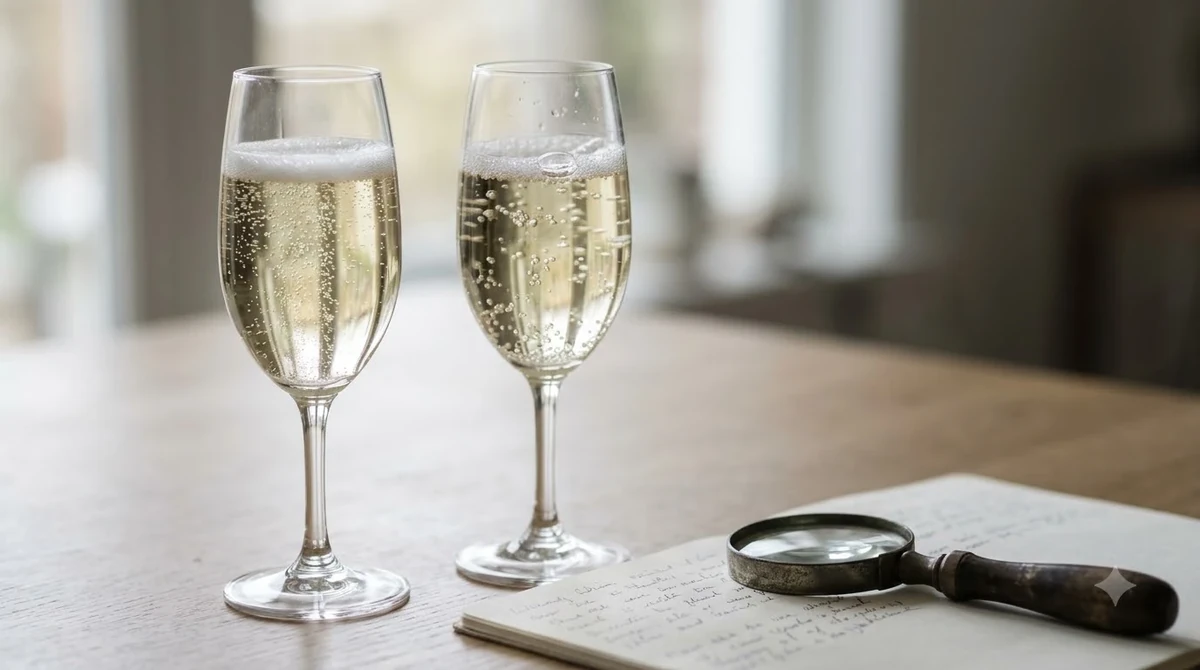
Brut is the logical starting point for most shoppers. It is a non-vintage sparkling wine with an apple-led character, a dense and silky mouthfeel, and a slightly sweet finish, according to Gruet’s official wine descriptions.
Its blend of Chardonnay and Pinot Noir provides a familiar traditional sparkling wine profile. The combination makes it versatile enough for celebrations, appetizers, and meals that do not require a particularly rich or sweet wine. Buyers who want one bottle for several different occasions can reasonably start here.
The standard Brut also makes a useful reference point for the rest of the collection. Its price generally sits near the lower end of the brand’s classic sparkling selection, making it an accessible introduction before exploring more specialized wines.
Gruet Brut Rosé
Brut Rosé offers a more expressive fruit profile than the standard white Brut. Gruet describes tropical fruit aromas, hints of vanilla, and a long, rounded finish.
Pinot Noir is an important variety in Gruet’s Rosé style. This helps explain its position as an alternative for shoppers who want a rosé appearance and a different flavor emphasis without moving into a dessert-style wine.
Serve it with smoked salmon, soft cheeses, berry-based appetizers, or roast chicken. Its fruit character can complement richer dishes, while its acidity helps refresh the palate between bites.
Gruet Blanc de Noirs
Blanc de Noirs means white sparkling wine made from dark-skinned grapes. Gruet’s version features aromas of white cherries, holly, and walnut, with flavors of warm apple and subtle acidity, according to the producer.
It is an interesting choice for drinkers who want a little more savory character than a straightforward white sparkling wine. The wine can work with roasted poultry, mushroom appetizers, and moderately rich cheeses.
Blanc de Noirs can be a sensible middle ground for someone who already enjoys Brut but wants a different expression of sparkling wine. It also provides a useful comparison against Blanc de Blancs, which is made from white grapes rather than Pinot Noir.
Gruet Blanc de Blancs
Blanc de Blancs is generally associated with white grapes, and Gruet’s version is a Chardonnay-focused sparkling wine. The producer describes white fruit, tangerine, pear, and subtle mineral characteristics.
Wine.com’s Gruet Blanc de Blancs product information identifies the non-vintage wine as a New Mexico sparkling wine with 12% ABV and a 750 ml bottle size. Its winemaker notes mention brioche, green apple, lemon zest, honeysuckle, and tropical fruit.
This style is particularly suitable for seafood, shellfish, and lighter appetizers. It also makes a good aperitif when the goal is a crisp, fresh glass rather than a particularly sweet or rich sparkling wine.
Gruet Sweet Jolie
Sweet Jolie is Gruet’s Demi-Sec offering, intended for shoppers who prefer more noticeable sweetness. The winery describes apple, pear, peach, and honeysuckle notes, creating a softer alternative to the drier classic Brut.
Demi-Sec should not be confused with Brut. The difference is especially important when buying wine for guests with different preferences. Someone who enjoys very dry sparkling wine may find Sweet Jolie noticeably sweeter, while a drinker who prefers fruit-forward bubbles may appreciate its approachable profile.
It can work with fruit desserts, mildly spicy appetizers, and dishes that benefit from a little sweetness. As a general pairing principle, the wine should be at least as sweet as the dessert served alongside it.
Gruet Sauvage
Sauvage is intended for shoppers who prefer an especially dry sparkling wine. Gruet describes its Sauvage Méthode Champenoise wines as having a bone-dry profile and states that the range contains 50% less sugar and 25% fewer carbohydrates than its average sparkling wine.
This is a useful option for people who find conventional Brut slightly too soft. Its pronounced dry character makes it a natural partner for salty appetizers, shellfish, and simple seafood dishes.
The range is generally positioned above the entry-level Brut in retail pricing. That additional cost may make sense for someone specifically seeking a particularly dry style, but it is not automatically a better purchase for someone who prefers softer fruit flavors.
For another sparkling wine comparison, La Marca Prosecco offers a different production approach and a familiar Italian sparkling wine profile. Prosecco generally uses the tank method and Glera grapes, while Gruet emphasizes traditional bottle fermentation. The two can both suit celebrations, but their production methods and resulting styles are different.
Common Mistakes That Can Lead to the Wrong Gruet Purchase
The most common shopping mistakes involve confusing sparkling wine categories, assuming all bottles have the same sweetness, and comparing retail prices without accounting for bottle size. A little attention to the label and intended occasion can prevent these problems.
Assuming Gruet Is Champagne
Gruet has French winemaking roots and uses traditional sparkling wine methods, but its American sparkling wines are produced in New Mexico. Champagne is a protected regional designation for sparkling wine produced in the Champagne region of France under its applicable production rules.
The distinction does not make Gruet an inferior product. Méthode Champenoise involves a second fermentation in the bottle, a technique associated with Champagne production. Gruet uses this traditional approach while expressing the character of American winegrowing regions.
For consumers, the important point is to compare the actual production method, grape varieties, and flavor rather than assuming that only a bottle labeled Champagne can offer traditional bottle-fermented bubbles.
Choosing by Price Alone
A lower-priced Brut may appear to be the obvious purchase, but it will not necessarily suit someone who wants a sweeter sparkling wine or a particularly dry style. Similarly, a more expensive Blanc de Blancs does not automatically provide better value for a person who prefers Pinot Noir character.
Compare the wines by purpose. Brut works well as a general-purpose selection, Brut Rosé provides a fruit-forward alternative, and Sauvage targets a more specific dry-wine preference.
Confusing Brut and Demi-Sec
Brut and Demi-Sec describe different sweetness categories. Gruet Brut is a dry sparkling wine, while Sweet Jolie is a softer Demi-Sec selection. Buying the wrong one can disappoint guests even if both bottles come from the same producer.
When serving a mixed group, consider the food and the preferences of the guests. Brut is generally the safer choice for a group that enjoys conventional dry sparkling wine, while Demi-Sec is more appropriate when a sweeter profile is requested.
Ignoring Serving Temperature
Serving sparkling wine too warm can make the alcohol seem more prominent and reduce the refreshing effect of the bubbles. Sparkling wine is generally best served around 40 to 50 degrees Fahrenheit.
Chill the bottle in a refrigerator before serving. If time is limited, an ice bucket filled with ice and water can cool the wine more effectively than relying on a brief period in the freezer.
Comparing Different Bottle Sizes
Price comparisons can become misleading when a smaller bottle is compared with a standard 750 ml bottle. Always check the volume and calculate the approximate cost per serving.
A standard 750 ml bottle contains about five 5 oz pours. This is a practical figure for planning a dinner party or deciding how many bottles to purchase for a celebration.
Care and Storage Tips for Gruet Sparkling Wine
Proper chilling, careful storage, and a good closure help preserve Gruet’s bubbles and freshness. Sparkling wine should be kept cool and protected from excessive temperature changes before opening, then refrigerated promptly if any remains.
Store Unopened Bottles Properly
A storage temperature near 55 degrees Fahrenheit is a useful target for wine. Keep bottles away from direct sunlight, heaters, and locations that experience repeated temperature changes.
For longer storage, bottles with traditional cork closures are generally kept on their sides to help prevent the cork from drying out. A stable, dark storage area is preferable to a kitchen counter or an exposed shelf.
Gruet’s classic non-vintage sparkling wines are intended to deliver consistent drinking enjoyment rather than requiring extensive cellar aging. There is generally little reason for an ordinary shopper to hold an entry-level Brut for several years before opening it.
Chill Before Serving
Serve Gruet sparkling wines around 40 to 50 degrees Fahrenheit. This temperature range helps preserve the lively character of the bubbles while keeping the wine refreshing.
A standard refrigerator can chill a bottle in advance. For a faster approach, place it in an ice-and-water bucket and allow approximately 20 to 30 minutes, depending on the starting temperature and surrounding conditions.
Avoid placing the bottle in the freezer and forgetting about it. Freezing can damage the bottle or push out the cork as the liquid expands.
Open the Bottle Carefully
Traditional sparkling wine bottles contain considerable pressure. Remove the foil, keep a hand firmly over the cork, and loosen the wire cage while maintaining control of the closure.
Hold the cork steady and rotate the bottle slowly rather than pulling the cork upward with force. A controlled opening is safer and helps avoid losing wine through an unnecessary burst of foam.
Use Suitable Glassware
Tulip-shaped sparkling wine glasses are a useful choice because they allow aromas to develop while preserving the visual appeal of the bubbles. Traditional flutes also work well when presentation and carbonation are the main priorities.
Fill each glass with a measured 5 oz pour rather than filling it to the rim. This allows enough room for the wine’s aromas and makes it easier to serve approximately five glasses from a 750 ml bottle.
Preserve Leftover Sparkling Wine
Once opened, sparkling wine gradually loses carbonation. Use a purpose-made sparkling wine stopper and refrigerate the bottle immediately after serving.
As a general guideline, opened sparkling wine is best consumed within one to three days. The exact result depends on how much wine remains, the effectiveness of the stopper, and how consistently the bottle is kept cold.
For a small gathering, consider opening one bottle at a time rather than several bottles simultaneously. This helps preserve freshness and reduces the amount of unfinished sparkling wine left in the refrigerator.
Gruet’s traditional sparkling wines are also suitable for simple cocktails. The crisp character of Brut can provide a useful base for a sparkling cocktail made with fruit juice or a small amount of flavored syrup.
Frequently Asked Questions
Is Gruet considered a Champagne house?
Gruet has historical roots in Bethon, France, but its American sparkling wine operation is based in New Mexico. Its wines are American sparkling wines rather than Champagne under the protected French regional designation. The traditional production method connects the winery to Champagne-making techniques without changing the geographic origin of the wine.
What does NV mean on a Gruet bottle?
NV stands for non-vintage, meaning the wine does not represent a single designated harvest year. Non-vintage sparkling wines can blend wines from different harvests to maintain a consistent house style. This approach is particularly useful for producers who want their familiar Brut character to remain recognizable between releases.
Does Gruet make sparkling wine exclusively from New Mexico grapes?
Not every Gruet wine uses exclusively New Mexico fruit. Wine.com’s producer information describes Gruet as sourcing grapes from New Mexico, Washington, and California. This broader sourcing approach allows the winery to work with fruit from different growing regions rather than relying on a single vineyard location.
What is sur-lie aging in Gruet sparkling wine?
Sur lie aging means that wine remains in contact with its spent yeast cells after fermentation. This contact can contribute to texture and flavors associated with bread, pastry, and brioche. Gruet states that its non-vintage Classic Collection sparkling wines receive a minimum of 18 months of sur-lie aging.
Who became Gruet’s first female head winemaker?
Gruet appointed Carrie Gurule as its first female head winemaker in 2024, according to the winery’s heritage history. This was a milestone in the winery’s winemaking leadership. The appointment is part of the producer’s continuing history in American sparkling wine.
Gruet offers several traditional-method sparkling wines at accessible US retail price points, with Brut providing a practical starting point and Blanc de Blancs, Blanc de Noirs, Rosé, Sweet Jolie, and Sauvage offering distinct alternatives. Compare the bottle style, sweetness, and size before purchasing, and choose the wine that suits the food and occasion. For shoppers seeking American sparkling wine with French winemaking heritage, Gruet is a brand worth exploring.
More in Wine Brands
 Krug Wine Price Guide to Choosing the Right ChampagneUpdated Nov 21, 2026
 Josh Cellars Rose Price: What a 750 ml Bottle Should CostUpdated Nov 21, 2026
 Korbel Extra Dry Review: Understand Its Sweetness, Flavor, and Best PairingsUpdated Nov 21, 2026
 Juan Gil Wine Review: Choose the Right Spanish Red for Your TableUpdated Nov 21, 2026
 Joseph Drouhin Wine Price: Compare Bottles by Region and QualityUpdated Nov 21, 2026
 Klinker Brick Wine Review: Find the Right Lodi WineUpdated Nov 21, 2026