

We may earn a commission when you buy through links on this page, at no extra cost to you. Learn more.
Champagne wineries are the Champagne houses and independent growers in the Champagne region of northeastern France, and many of their cellars welcome visitors for tours and tastings. The region is organized around two kinds of producers: large houses that buy grapes from many vineyards and blend them into a consistent style, and growers who farm their own vines and make wine from their own fruit. Both types can be visited, and each gives you a different view of how Champagne is made.
If you are planning a trip to Champagne, or you simply want to know which cellars are worth a visit, this guide explains the difference between houses and growers, how the region’s cellars are organized, what to taste, and how to plan a visit without wasting a day. The region is compact, but the choices are wide, so a little planning goes a long way.
Houses and growers: the two kinds of Champagne producer
The Champagne industry has two main groups. The first is the Champagne houses, the large and well-known names that buy grapes or base wines from many growers and blend them into a house style. Their wines are designed to taste similar from year to year, which is why a familiar label often tastes the same whether you buy it in one country or another. The second group is the winegrowers, who farm their own vineyards and produce wine under their own name, often with a more personal or site-specific style.
Champagne’s official trade body, the Comité Champagne, lists both groups on its website and describes the houses and winegrowers as the two halves of the industry. For a visitor, the practical difference is simple: houses tend to offer polished tours and consistent tastings, while growers often offer smaller, more personal visits where you can talk to the person who farmed the vines.
Where the cellars are
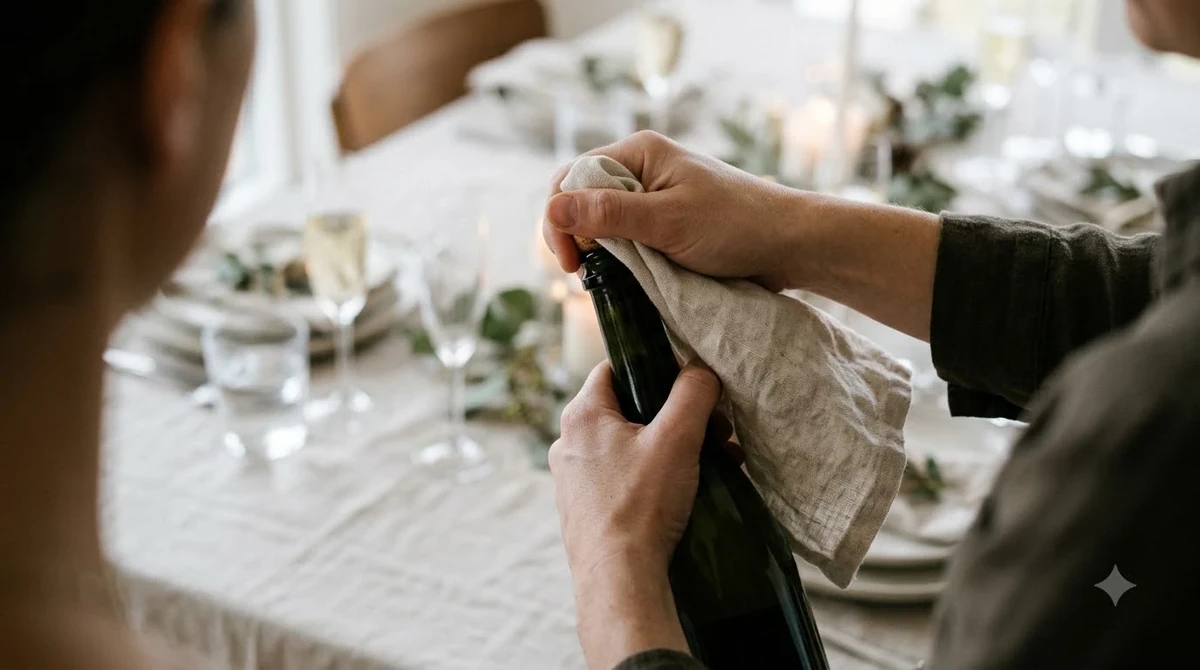
Most of the best-known Champagne houses have their cellars in the two main cities of the region, Reims and Épernay. The historic cellars under these towns were dug out of chalk, and many of them run long tunnels that stay cool and damp, which suits the slow aging of sparkling wine. Walking through these tunnels is one of the main attractions of a visit.
Outside the cities, the vineyards are spread across villages in the Montagne de Reims, the Côte des Blancs and the Vallée de la Marne. Growers often have small cellars in these villages, and many of them do not run large tours. If you want a quieter visit, plan a route through the villages and check opening days ahead of time.
Grape varieties and what they taste like
Champagne is made from a small group of grapes, and the three most important are Chardonnay and the two red varieties, Pinot Noir and Pinot Meunier. Each one adds something different. Chardonnay brings freshness, citrus and fine structure. Pinot Noir adds body and red-fruit depth, and Pinot Meunier adds softness and fruit.
Chardonnay is especially important for one style. A Champagne labeled Blanc de Blancs is made entirely from white grapes, and as WineFolly explains in its Chardonnay guide, a Blanc de Blancs label almost always means 100 percent Chardonnay. Unoaked Chardonnay tends to show green apple, citrus and a chalky minerality, while richer styles add peach, butter and vanilla notes.
| Producer type | Typical style | Best for visitors who want |
|---|---|---|
| Large Champagne house | Consistent blend, polished presentation | Historic cellars and guided tours |
| Independent grower | Site-specific character, often more personal | Meeting the winemaker and small tastings |
| Blanc de Blancs bottling | Chardonnay only, light and crisp to rich | Comparing the purity of a single grape |
Tip: Ask your host to pour a house wine and a grower wine side by side. The contrast in fruit, texture and aging character is a faster lesson than any guidebook.
How to visit Champagne cellars
Champagne’s official site invites visitors to find cellars that are open to the public, and it maintains a directory of producers that welcome guests. Check the directory before you travel, because opening days and hours vary, and many small estates run tastings by appointment only. Book at least a few days ahead, and longer during the busy harvest and holiday periods.
Plan a route rather than a random list. Choose two or three cellars that are close to each other, mix a house with a grower, and leave time for lunch. Driving is possible, but if you plan to taste several wines, arrange a driver or a transfer so you are not tempted to drink and drive.
When you arrive, tell the host what style you enjoy. A good tasting guide will adjust the pour to your interests, whether you want to compare vintages, learn about the blend, or focus on a single grape. Ask about the aging time, the dosage, and how the wine is made, because the answers will help you understand what you taste.
Champagne wineries versus other sparkling regions
Visitors who have toured wineries in other places often notice that Champagne works differently. The region is smaller than many wine areas, and the cellars are often organized around sparkling production rather than still wine. If you like comparing regions, you can read about other wine-growing areas with their own cellars, such as Barossa Valley wineries in Australia, or the Livermore Valley wineries in California. Each one has its own pace and style of tasting.
For a wider look at how wine regions differ in climate, grapes and tradition, our wine regions guide puts Champagne next to other famous areas so you can see where the style fits.
How to serve and store Champagne
Champagne is usually served well chilled, but not ice cold, because the cold dulls the aromas. A tulip-shaped glass or a white wine glass lets the bubbles develop and keeps the aromas in the glass. Flutes are popular, but many tasters prefer a wider glass for the aromas.
Store unopened bottles on their side in a cool, dark place, away from heat and vibration. Once opened, keep the bottle sealed with a proper stopper and use it within a day or two, since the bubbles fade quickly. Non-vintage bottles are best enjoyed young, while vintage and prestige cuvées can age longer.
Common mistakes when visiting Champagne wineries
The most common mistake is trying to visit too many cellars in one day. Each tasting adds up, and the later stops are hard to appreciate after the first few glasses. Two or three well-chosen visits give you more to remember than five rushed ones, and they leave time for a meal and a walk through the town.
Another mistake is assuming all cellars offer the same experience. Houses often have formal tours with set tastings, while growers may pour from the barrel or talk through the vineyard in detail. Check what each one includes before you book, so you know whether to expect a guided walk, a formal tasting or a relaxed conversation.
Finally, many visitors forget to plan the trip home. Champagne is a busy destination, and the best cellars can fill quickly. Book your transport, carry a bottle wrapped securely, and leave room in your schedule for the unexpected stop you will want to make.
Frequently Asked Questions
What is the difference between a Champagne house and a grower?
A house buys grapes or base wines from many vineyards and blends them into a consistent style. A grower farms its own vines and makes wine under its own name, which often gives a more site-specific character.
Do Champagne wineries offer tours?
Many do. Larger houses usually run guided cellar tours and tastings, and many growers offer smaller visits. Check the official directory of cellars open to the public and book ahead.
What is a Blanc de Blancs Champagne?
Blanc de Blancs is a Champagne made entirely from white grapes. On a label it almost always means 100 percent Chardonnay, which tends to taste crisp, citrusy and fine.
Which Champagne cities have the most famous cellars?
Reims and Épernay host many of the best-known houses, with historic cellars dug into the chalk beneath the towns. Growers are spread across the surrounding villages.
Champagne wineries reward a planned visit. Choose a mix of houses and growers, book the cellars you care about most, and pay attention to how each one handles the blend and the aging. The more you compare, the clearer the region’s styles become, and that is the best way to choose the bottles you want to take home.
More in Wine Regions
 Willcox Wine Trail: Discover Arizona’s High-Elevation Wine CountryUpdated Nov 20, 2026
 Yakima Valley Wine Region: Find the Best Styles to TryUpdated Nov 20, 2026
 Vosne Romanee Wine Tasting: Identify Aromas and Choose Better PairingsUpdated Nov 20, 2026
 Yakima Valley Wine Festival: Find the Best Seasonal Wine EventsUpdated Nov 20, 2026
 Wales Vineyards: Discover Cool-Climate Wines and Where to VisitUpdated Nov 20, 2026
 Yountville Wine Festival: Discover Napa Wines and Local FoodUpdated Nov 20, 2026