

We may earn a commission when you buy through links on this page, at no extra cost to you. Learn more.
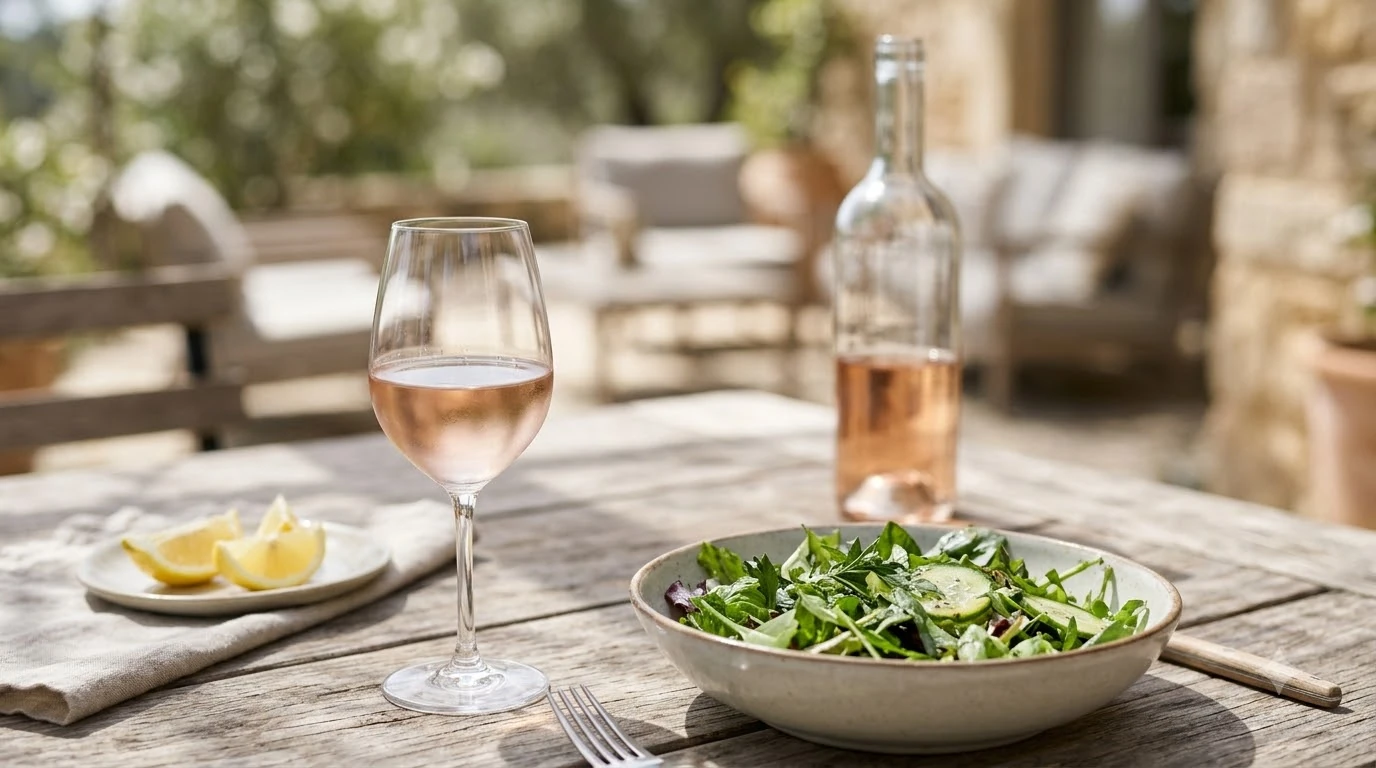
A hampton water wine review shows that Hampton Water is a dry, fruit-forward Southern French rosé with refreshing acidity, red berry and citrus flavors, and a mineral finish. Created by Jon Bon Jovi, Jesse Bongiovi, and French winemaker Gérard Bertrand, this Languedoc wine combines approachable drinking with traditional Mediterranean winemaking. It is particularly suited to seafood, salads, summer meals, and casual gatherings, making it a useful option for shoppers who enjoy crisp, elegant rosé rather than sweet pink wine.
Celebrity involvement initially brought Hampton Water considerable attention, but the wine’s identity extends beyond its famous founders. Its Southern French origin, traditional Mediterranean grape varieties, careful pressing, and restrained fruit profile give shoppers several practical reasons to consider it. Understanding those characteristics makes it easier to decide whether this bottle matches your preferences, what foods to serve with it, and how to get the most from every pour.
Who This Is For: Rosé Drinkers Who Prefer Dry, Fresh Wines
Hampton Water is a strong candidate for drinkers who enjoy dry rosé with recognizable fruit flavors, lively freshness, and a relatively approachable structure. Its Southern French identity makes it especially relevant to shoppers who prefer Mediterranean rosé over sweeter pink wines.
The wine was developed through a collaboration between Jon Bon Jovi, his son Jesse Bongiovi, and Gérard Bertrand. According to Wine Enthusiast’s account of Hampton Water’s development, Jesse began developing the concept in 2016, and the family subsequently partnered with Bertrand, a prominent Languedoc winemaker. Their objective was to capture the relaxed atmosphere associated with the Hamptons and the South of France in a wine that could appeal to a broad audience.
That background helps explain the bottle’s positioning. Hampton Water is not designed primarily as a challenging wine for collectors interested in long cellaring or highly unusual grape varieties. Its appeal lies in a combination of familiar fruit, freshness, and Mediterranean character that works across different occasions.
Several types of drinkers may particularly appreciate it:
- Dry rosé enthusiasts: People who prefer strawberry, citrus, and subtle spice over obvious residual sweetness.
- French wine newcomers: Shoppers interested in discovering Languedoc wines without beginning with a complicated or heavily structured bottle.
- Seafood enthusiasts: Drinkers who regularly serve grilled fish, shrimp, sushi, and lighter Mediterranean dishes.
- Casual hosts: People looking for a versatile rosé that can move from an aperitif to a meal without requiring an elaborate menu.
- Fans of fruit-forward wines: Drinkers who appreciate red berry aromas balanced by refreshing acidity and a clean finish.
However, Hampton Water is not an automatic match for every rosé preference. Someone who primarily enjoys sweet Moscato, intensely floral wines, or rich, creamy white wines may find its dry profile less appealing. Likewise, shoppers seeking a deeply concentrated, complex wine for extended aging should consider a different category.
The key distinction is that Hampton Water emphasizes immediate enjoyment. It is a wine to chill, pour, and enjoy with food or friends rather than a bottle that requires extended aeration or detailed technical knowledge.
Key Factors to Compare: Grapes, Taste, and Winemaking
The most useful way to evaluate Hampton Water is to examine its grape blend, flavor profile, production methods, and regional identity. These four factors explain why it tastes like a Southern French rosé rather than a sweet, simple pink wine.
The producer identifies four grape varieties: Grenache Noir, Cinsault, Mourvèdre, and Syrah. Their individual contributions help explain the wine’s fruit character, structure, and savory nuances.
| Factor | Hampton Water characteristic | What it means for buyers |
|---|---|---|
| Region | Languedoc, southern France | Mediterranean rosé style |
| Grape varieties | 4 varieties | Grenache Noir, Cinsault, Mourvèdre, and Syrah |
| Grape preparation | Approximately 8°C cooling | Temperature-controlled preparation before pressing |
| Fermentation | 15 to more than 30 days | Duration varies with clarification and temperature |
| Oak treatment | A portion of the wine | Potential additional texture and complexity |
| Color | Pale pink | Classic Southern French rosé appearance |
| Flavor profile | Red fruit, citrus, spice, minerality | Fruit-forward with refreshing character |
| Recommended serving temperature | 45–50°F | Chilled without becoming excessively cold |
Understanding the grape blend
Grenache Noir is an important component of Mediterranean rosé production. It contributes approachable red-fruit character and a rounded impression, helping establish the wine’s recognizable fruit profile.
Cinsault is commonly associated with lighter-bodied Southern French rosés. Its contribution can help maintain freshness and delicacy, particularly when the objective is a pale, easy-drinking wine rather than a heavily concentrated pink wine.
Mourvèdre contributes a more savory dimension. Depending on growing conditions and winemaking decisions, it can add depth and structure that balance the more immediately fruity characteristics of Grenache and Cinsault.
Syrah provides another potential source of color, fruit intensity, and spice. Its inclusion gives the blend additional dimensions without turning Hampton Water into a red-wine-like rosé.
What the production process tells buyers
The producer explains that the different grape varieties are harvested separately according to their individual ripeness. The grapes are then destemmed, cooled to approximately 8°C, and transferred to the press. This temperature-controlled approach is part of the effort to preserve the wine’s aromatic character.
Another important detail is the selection of first-run juice. Rather than treating every portion of pressed juice identically, the winemaking process emphasizes selected juice for the desired quality and aromatic purity.
Fermentation takes between 15 and more than 30 days, depending on clarification and temperature. A portion of the finished wine receives oak-barrel aging, while bottling takes place relatively early to retain its fresh, fruity identity.
This combination is worth understanding because oak does not automatically mean that a rosé will taste heavily toasted or like vanilla-flavored Chardonnay. Hampton Water remains positioned as a fresh, fruit-driven rosé, with barrel treatment serving as one element of its production rather than its defining flavor.
Step-by-Step: How to Choose the Right Hampton Water Bottle
Choosing Hampton Water becomes easier when you evaluate the intended occasion, preferred sweetness, vintage, serving plans, and bottle condition. A few practical checks can prevent disappointment and help you choose a bottle that fits your meal.
-
Identify your preferred sweetness.
Hampton Water is presented as a dry Southern French rosé. If your usual choice is a dry Provence-style rosé, its general flavor direction should make sense. If you prefer sweeter wines such as Moscato, consider whether you actually want a crisp, dry alternative rather than assuming every pink wine tastes sweet.
-
Look for the Languedoc origin.
The producer identifies Hampton Water as an AOP Languedoc rosé. This regional designation provides useful context because Languedoc is an established Mediterranean wine-producing area in southern France. It also distinguishes the wine from rosés produced in Provence, California, or Italy.
-
Consider the grape varieties.
Look for the Grenache Noir, Cinsault, Mourvèdre, and Syrah combination associated with the current producer’s description. The blend is a useful indication of its Mediterranean style, although the proportions and vintage characteristics should not automatically be assumed to remain identical in every release.
-
Match the vintage to your occasion.
Hampton Water is intended to preserve fresh fruit and lively aromatic characteristics. For a casual dinner, picnic, or aperitif, a recent release is a sensible choice. If purchasing an older bottle, consider its storage history rather than assuming that additional bottle age will improve the wine.
-
Plan the food pairing.
Choose dishes that complement the wine’s red fruit and citrus profile. Grilled fish, shrimp, goat cheese, salads, and sushi are sensible starting points. If the wine is intended for a barbecue, consider grilled vegetables and lighter seafood instead of relying exclusively on heavily smoked or intensely spicy dishes.
-
Check the bottle’s physical condition.
Look for intact packaging, a clean bottle, and no signs of leakage or heat damage. A bottle that has been exposed to excessive sunlight or fluctuating temperatures may not retain its intended freshness. Proper storage matters more than an attractive presentation.
-
Decide how you will serve it.
For a dinner with four people, one standard 750 ml bottle provides approximately five conventional 5 oz pours. For a longer gathering, consider how many guests will actually drink rosé and whether another wine style is also being served.
These steps also help distinguish between the wine itself and its marketing. The Hampton Water label has a recognizable lifestyle identity, but the decision should come down to the wine’s origin, grape composition, taste, and suitability for the occasion.
Tip: Chill Hampton Water to approximately 45–50°F before serving. If the bottle becomes too cold, allow it a few minutes at the table so its red-fruit, citrus, and spice aromas can become more apparent.
Types or Styles Explained: What Hampton Water Tastes Like
Hampton Water belongs to the dry, pale-pink Southern French rosé category, with a flavor profile built around red fruit, citrus, spice, and freshness. Understanding this style is more useful than expecting it to resemble a sweet blush wine or a full-bodied red wine.
Appearance and aroma
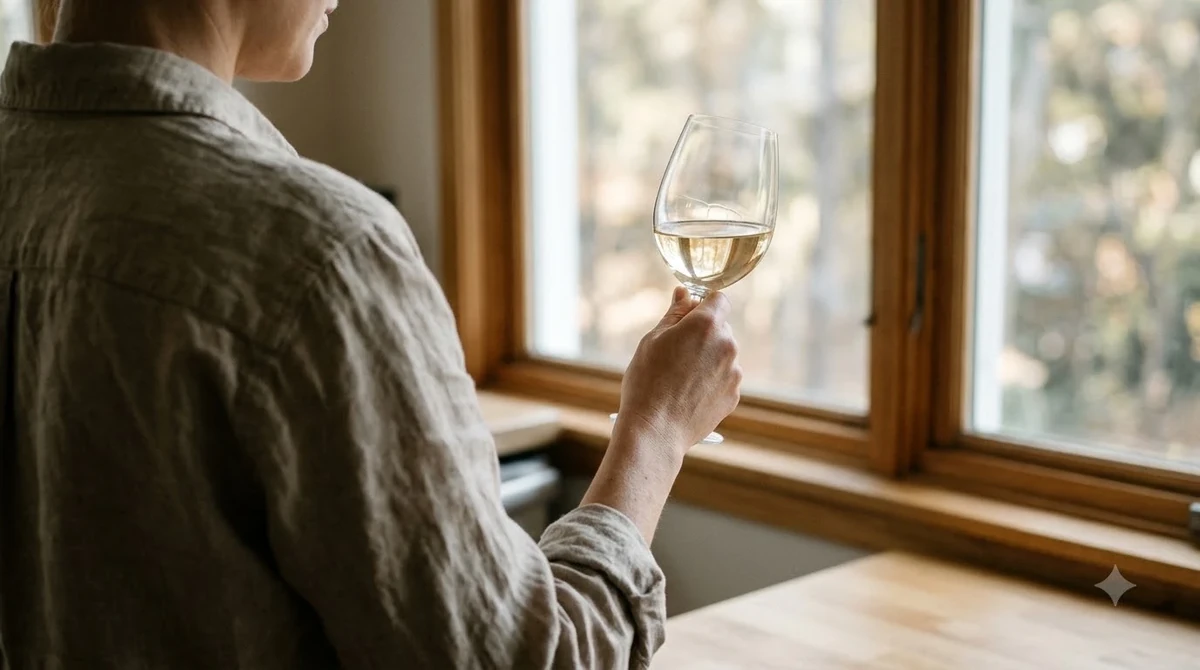
The producer describes Hampton Water as an elegant rosé with a beautiful pale-pink color. That appearance is consistent with the visual style many shoppers associate with Mediterranean rosé.
On the nose, the producer identifies red-fruit, citrus, and spice notes. These aromas give the wine a broad appeal because they are recognizable without being excessively sweet or confectionary.
Red-fruit aromas can suggest strawberries, cherries, or similar fresh fruit impressions. Citrus adds a brighter dimension, while spice gives the overall aromatic profile a little more character.
Palate and finish
The palate is described as fresh and intense, with a mineral character. This combination is important because fruit-forward does not necessarily mean sweet. A wine can smell strongly of strawberries and still finish dry.
Acidity provides the refreshing sensation that makes dry rosé useful alongside food. It can cut through the richness of certain dishes and provide a contrast to olive oil, soft cheese, and grilled seafood.
The mineral character also helps distinguish Hampton Water from simpler fruit-focused pink wines. It contributes to the impression of a more structured Mediterranean wine, although the exact intensity can vary with the vintage.
How the wine compares with other rosé styles
Hampton Water should not be confused with Provence rosé simply because both categories can produce pale, dry, elegant wines. Provence is a separate French wine region, while Hampton Water is identified with Languedoc.
It also differs from many sweeter American blush wines. The Southern French grape blend and dry presentation make it a more appropriate choice for shoppers who want a refreshing table wine rather than a sweet, fruit-forward dessert-style drink.
For shoppers comparing other bottles, Hampton Water rosé provides a useful starting point for exploring the wine’s individual identity and style. Those who are still learning about regional differences can also browse our wider Wine Brands coverage to understand how producers and wine regions influence the final bottle.
Understanding alcohol content
Alcohol content is another practical consideration, especially for shoppers comparing several rosés for the same occasion. The percentage can vary by vintage and bottling, so the information for the specific bottle being purchased is more useful than assuming all Hampton Water releases have an identical alcohol level.
Alcohol also influences how a wine feels on the palate. In general, wines with higher alcohol can feel warmer and fuller, while refreshing acidity can help create balance. Hampton Water’s overall positioning emphasizes freshness, fruit, and an approachable Mediterranean character.
For a closer explanation of the number printed on the bottle and how it affects serving decisions, see our guide to Hampton Water rosé alcohol content.
Common Mistakes When Buying and Drinking Hampton Water
Most disappointments with Hampton Water come from incorrect expectations about sweetness, serving temperature, food matching, or the importance of the wine’s celebrity associations. Understanding its actual Southern French style makes those mistakes easier to avoid.
Assuming every rosé is sweet
Pink color does not determine sweetness. Hampton Water is presented as a dry rosé, so shoppers accustomed to sweet blush wines should expect a different experience.
The distinction matters when selecting food, too. A dry rosé can complement seafood, salads, and savory appetizers, but it will not necessarily provide the sweetness needed to balance a very sweet dessert.
A useful rule is to serve a wine at least as sweet as the dessert. Hampton Water is therefore better suited to savory meals or fresh fruit with restrained sweetness than to rich, sugary desserts.
Serving it too cold
Very cold wine can lose some of its aromatic expression. While chilling is important for rosé, excessive cold can make red-fruit, citrus, and spice characteristics harder to recognize.
A temperature of 45–50°F is a practical target for Hampton Water. This range provides refreshing service while allowing enough aromatic development for the wine’s character to remain apparent.
Pairing it with overly powerful dishes
Not every barbecue dish is a natural match for rosé. Extremely hot chili sauces, heavily smoked meats, and very intense spices can overwhelm the wine’s more delicate fruit and mineral characteristics.
Chili heat can also become more pronounced alongside wines with noticeable alcohol and tannin. A lighter grilled seafood dish or moderately seasoned chicken is generally a more predictable pairing.
Acidity is another consideration. If a dish contains substantial lemon juice, vinegar, or other acidic ingredients, choose a wine with enough acidity to keep the combination balanced. Hampton Water’s fresh profile makes it a reasonable option for many citrus-accented dishes.
Buying based only on the celebrity connection
Jon Bon Jovi’s involvement is an interesting part of the brand story, but it does not tell buyers whether the wine suits their preferences. The more useful information is that Gérard Bertrand contributes winemaking expertise and the wine comes from the Languedoc region.
Wine Enthusiast has documented the brand’s commercial development and its position among popular rosé labels. That attention provides context, but popularity alone should not replace an assessment of sweetness, acidity, grape varieties, and intended food pairings.
Expecting every vintage to taste identical
Wine is an agricultural product, and vintage differences can influence fruit intensity, acidity, and aromatic development. Hampton Water’s general style remains recognizable, but shoppers should not assume that every release will have exactly the same blend proportions or sensory characteristics.
For the most useful buying decision, prioritize the producer’s information about the particular release instead of relying exclusively on tasting descriptions associated with older bottles.
Care and Storage Tips: Keeping Hampton Water Fresh
Hampton Water is best enjoyed as a fresh, aromatic rosé, so proper storage and serving are more important than long-term cellaring. Keep the bottle away from direct sunlight, avoid excessive temperature changes, and refrigerate opened wine promptly.
Storing an unopened bottle
The producer recommends keeping Hampton Water away from sunlight and at a constant temperature. This is particularly relevant for rosé because heat and light exposure can compromise freshness and delicate fruit aromas.
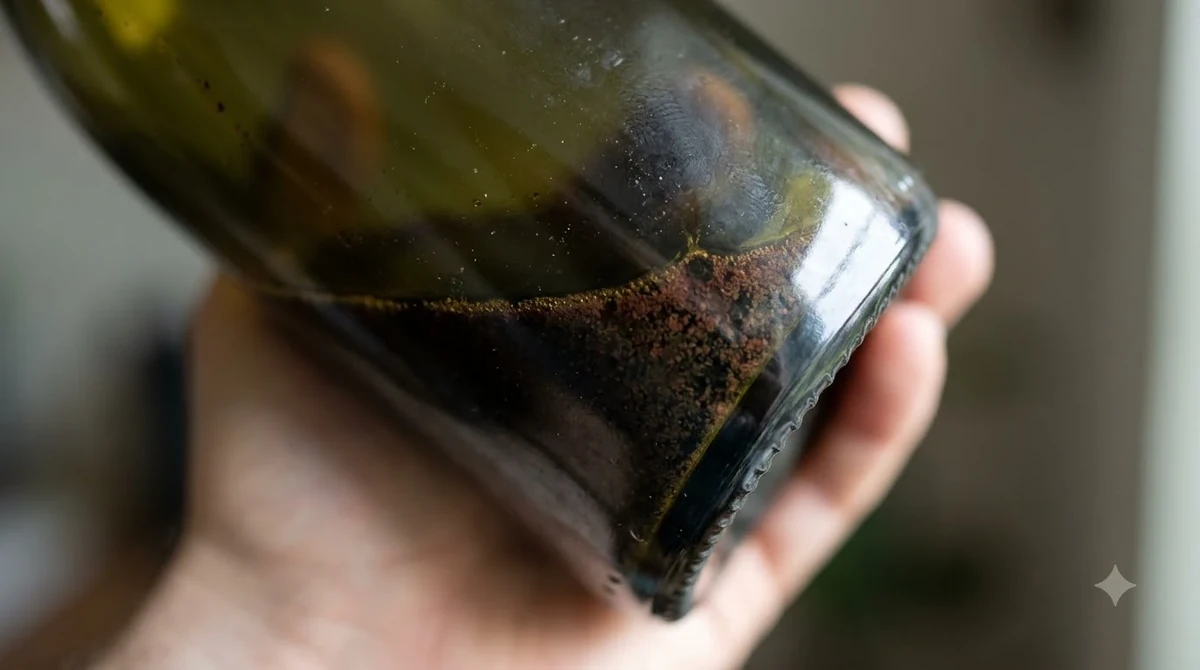
For longer storage, a cool environment near 55°F is a useful general target for wine. Bottles with traditional cork closures are commonly stored horizontally to keep the cork from drying out. Avoid leaving a bottle in a hot car, beside a sunny window, or near kitchen appliances that generate heat.
Hampton Water is primarily a wine for relatively early enjoyment rather than an obvious long-term cellar investment. Buying it for a planned meal or gathering is generally more practical than purchasing multiple bottles with the expectation that several years of aging will create a substantially better experience.
Serving temperature and glassware
Serve Hampton Water at 45–50°F. A refrigerator can chill the bottle before serving, but taking it out briefly before pouring can help prevent excessive cold from masking the wine’s aromas.
A standard white wine glass works well. Its bowl provides enough room for the wine to release its red-fruit and citrus aromas without requiring the large bowl generally associated with fuller-bodied reds.
For a conventional serving, pour approximately 5 oz into each glass. A 750 ml bottle contains approximately five such servings, making it relatively easy to calculate quantities for a small gathering.
Looking after an opened bottle
Once opened, Hampton Water should be recorked or sealed and stored in the refrigerator. A reasonable general guideline for still wines is approximately three to five days, although freshness and quality can decline before the wine becomes obviously unpleasant.
For the best aromatic experience, drinking the wine within the first couple of days is preferable. Limit unnecessary exposure to air, use a suitable wine stopper, and return the bottle to refrigeration rather than leaving it on the dining table overnight.
Serving it beyond the traditional wine glass
Hampton Water can also work in casual mixed drinks. Wine Enthusiast reports that the brand encourages cocktails such as margaritas, Palomas, and spritzes, reflecting its relaxed approach to rosé consumption.
A simple rosé spritz is an easy option for warm-weather gatherings. Combine chilled rosé with sparkling water and a citrus garnish, adjusting the proportions to suit the desired intensity. This creates a lighter drink while preserving some of the wine’s fruit character.
For a more traditional presentation, however, serving Hampton Water chilled in a wine glass with grilled fish, fresh salads, or seafood remains the clearest way to appreciate its Southern French style.
Frequently Asked Questions
Is Hampton Water made in the Hamptons in New York?
No. Hampton Water is produced in France’s Languedoc region, not in New York. The Hamptons provided the lifestyle inspiration behind the brand name and concept, while the winemaking takes place in southern France. The distinction explains why the bottle combines an American coastal identity with traditional Mediterranean wine production.
Who actually makes Hampton Water wine?
Hampton Water is a collaboration involving Jon Bon Jovi, Jesse Bongiovi, and French winemaker Gérard Bertrand. The father-and-son team developed the brand concept, while Bertrand brings the winemaking expertise. This division of roles is an important part of the wine’s identity and explains why it is more than a celebrity endorsement project.
Does Hampton Water have a special bottle closure?
Wine Enthusiast has specifically discussed the bottle’s Vinolok closure, a glass-stopper system. This differs from the conventional cork that many shoppers expect to find on French wine bottles. Its distinctive opening method is part of the brand’s recognizable packaging.
Can Hampton Water be used to make a rosé margarita?
Yes. The brand has promoted Hampton Water as an ingredient for margaritas and Palomas, as well as spritz-style drinks. Its dry fruit profile provides a useful alternative to sweeter cocktail mixers. A citrus-forward recipe is a particularly natural starting point for experimenting with this style of rosé.
Does Hampton Water have organic or biodynamic certification?
The producer’s Hampton Water product description identifies the grape varieties and production methods but does not establish organic or biodynamic certification for this particular wine. Gérard Bertrand produces other wines under different environmental and certification categories, but those designations should not automatically be transferred to Hampton Water. Buyers specifically seeking certified wine should look for certification information applicable to the individual bottle.
Hampton Water is a worthwhile consideration for drinkers who enjoy dry Southern French rosé with red-fruit aromas, citrus freshness, and a mineral finish. Its blend of Grenache Noir, Cinsault, Mourvèdre, and Syrah gives it a recognizable Mediterranean identity, while its versatility makes it suitable for seafood, salads, aperitifs, and relaxed gatherings. Choose it for its wine style and food-friendly character rather than its celebrity associations, serve it properly chilled, and enjoy it while its fresh fruit character is at its best.
More in Wine Brands
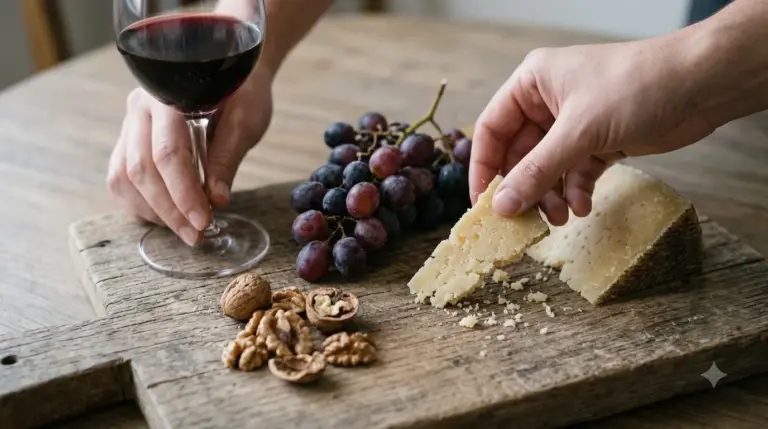 Korbel Extra Dry Review: Understand Its Sweetness, Flavor, and Best PairingsUpdated Nov 21, 2026
 Juan Gil Wine Review: Choose the Right Spanish Red for Your TableUpdated Nov 21, 2026
 Joseph Drouhin Wine Price: Compare Bottles by Region and QualityUpdated Nov 21, 2026
 Klinker Brick Wine Review: Find the Right Lodi WineUpdated Nov 21, 2026
 Kirkland Signature Wine Price: Compare Bottles and Find Better ValueUpdated Nov 21, 2026
 Is Segura Viudas Brut Good? A Crisp Cava Worth PouringUpdated Nov 21, 2026