


We may earn a commission when you buy through links on this page, at no extra cost to you. Learn more.
This gaja wine review finds that Gaja is a compelling choice for buyers seeking structured, age-worthy Italian wines, particularly Nebbiolo-based Barbaresco and Barolo. Its wines combine concentrated fruit, distinctive floral and savory aromas, firm acidity, and carefully managed oak influence. The right bottle depends on your preferred appellation, drinking timeline, and interest in either classic regional blends or individual vineyard expressions.
Gaja is one of Piedmont’s best-known wine producers, with a history dating to 1859 and a reputation built around regional character and vineyard expression. Its range includes celebrated Barbaresco and Barolo bottlings alongside wines made from international grape varieties. Understanding the differences between these offerings helps buyers select a bottle that suits a special dinner, a developing cellar, or an introduction to premium Italian wine.
Who This Is For
Gaja is particularly appealing to wine enthusiasts who appreciate Nebbiolo’s combination of aromatic complexity, lively acidity, and substantial tannins. Buyers who enjoy wines that develop in the cellar, reveal additional aromas over time, and work well with traditional Italian food will find plenty to explore in the producer’s Piedmont portfolio.
The standard Gaja Barbaresco is a useful starting point for understanding the producer’s approach. According to Wilson Daniels, the wine combines Nebbiolo from 14 vineyards in the municipality of Barbaresco. The vineyards cover 21.4 hectares at elevations between 250 and 330 meters, with vines averaging 40 years of age. This combination gives the wine access to several vineyard expressions rather than relying on one individual site.
Gaja also suits collectors who enjoy comparing different vintages and vineyard locations. Nebbiolo responds strongly to growing conditions, and differences in temperature, rainfall, and harvest timing can influence fruit concentration, acidity, tannin development, and aromatic expression. A cooler-feeling vintage may emphasize floral and savory characteristics, while a warmer one can show riper fruit and a broader palate.
However, Gaja is not necessarily the right choice for every red wine drinker. Someone who prefers inexpensive, immediately approachable wines with soft tannins may find the classic Nebbiolo bottlings demanding. Their structure can be more noticeable than their fruit during the early stages of bottle development.
Buyers looking for an uncomplicated red to serve at a casual gathering may be better served by a softer Merlot or an approachable Italian red. Gaja makes more sense when the wine itself is an important part of the occasion, whether that means studying its vineyard character, comparing vintages, or pairing it with a carefully prepared meal.
It is also a useful producer to investigate for people interested in learning about Piedmont. Reading about Wine Brands can provide a broader perspective on how individual producers develop recognizable styles within established wine regions.
Key Factors to Compare
Before choosing a Gaja bottle, compare its appellation, grape composition, vineyard origin, aging approach, and expected drinking window. These details help explain why two wines from the same producer can deliver noticeably different experiences.
| Factor | Gaja Barbaresco reference | What it means for buyers |
|---|---|---|
| Grape | 100% Nebbiolo | Expect firm tannins, acidity, and aromatic complexity. |
| Vineyard sources | 14 vineyards | Combines several expressions of the Barbaresco growing area. |
| Vineyard area | 21.4 hectares | Represents the combined area identified in the producer profile. |
| Elevation | 250–330 meters | Provides context for the vineyard locations. |
| Average vine age | 40 years | Describes the average age of the vines supplying the wine. |
| Oak aging | 12 months before blending, then 12 months afterward | Provides extended maturation before release. |
| Alcohol | 14% ABV | Useful when considering serving temperature and food pairing. |
| Bottle format | 750 ml | Provides approximately five standard 5-ounce servings. |
These specifications come from the Wilson Daniels Gaja Barbaresco producer profile and its published technical information. They provide a concrete reference for evaluating the classic Barbaresco, but they should not automatically be applied to every wine in the Gaja portfolio. Individual vineyard wines, Barolo bottlings, and white wines have their own production details.
Appellation is one of the most important distinctions. Barbaresco and Barolo are both prestigious Nebbiolo-producing areas in Piedmont, but they are separate appellations with their own vineyard geography and wine identities. A buyer interested in a particularly recognizable expression of Gaja should begin with its classic Barbaresco. Someone interested in exploring the producer’s Barolo portfolio should compare individual labels rather than assuming that all Nebbiolo wines share the same character.
Vineyard designation is another important consideration. Gaja’s classic Barbaresco draws from multiple vineyard sources, while the producer also offers wines identified with individual sites. These include Costa Russi, Sorì Tildìn, and Sorì San Lorenzo. Such distinctions are useful to collectors who want to compare how particular vineyard locations influence Nebbiolo’s aromas, texture, and structure.
Vintage matters just as much as the label. For example, Wine Enthusiast describes the 2020 Barbaresco with ripe cherry, warmed strawberry, herbs, flowers, boysenberry, dried blood orange, and black tea. Its assessment also emphasizes integrated tannins and the wine’s potential for extended aging. The 2020 review recommends a drinking window extending to 2045. These details illustrate why vintage-specific reviews are more useful than relying on a producer’s general reputation alone.
For a closer look at the main regional bottling, the Gaja Barbaresco overview provides a useful starting point for understanding its identity and place in the portfolio.
Step-by-Step: How to Choose a Gaja Wine
A practical buying process starts with the occasion and moves toward the specific wine. Follow these steps to narrow the selection without relying solely on prestige or an attractive label.
-
Decide what kind of wine you want.
Start by deciding whether you want a classic Nebbiolo red, a more specific vineyard expression, or another style from the producer. Barbaresco is a logical first choice for someone interested in Gaja’s traditional Piedmont identity. Buyers interested in Barolo should investigate Sperss and compare its individual vintage information.
-
Choose the appellation.
Barbaresco and Barolo are the central choices for buyers exploring Gaja’s Nebbiolo wines. Consider which regional identity interests you most and whether you want to compare wines from different vineyard locations. Do not treat the appellation names as interchangeable simply because both wines use Nebbiolo.
-
Compare the vintage.
Read at least two professional assessments where possible. Look for recurring descriptions of fruit, acidity, tannin, and structure rather than concentrating on a single score. A review describing ripe strawberry, cherry, and floral notes offers different information from one emphasizing earth, tobacco, leather, and firm tannins.
-
Decide whether you want immediate enjoyment or cellaring.
A younger Nebbiolo can show pronounced acidity and tannins, particularly when its aromatic development is still unfolding. If you prefer a more expressive bottle, consider a wine with some additional age or follow the recommended drinking window for the particular vintage. If buying for a future occasion, make sure the storage conditions are suitable.
-
Compare standard and single-vineyard bottlings.
The classic Barbaresco offers a multi-vineyard expression, while Costa Russi, Sorì Tildìn, and Sorì San Lorenzo offer distinct vineyard identities. Decide whether you prefer a broader regional interpretation or a bottle centered on an individual site. The choice is especially relevant for collectors planning a comparative tasting.
-
Check the bottle’s provenance.
For collectible wine, storage history matters. Favor established wine merchants who can provide clear information about the bottle’s origin and handling. Examine the closure, capsule, fill level, and label condition, particularly when purchasing an older vintage. A prestigious producer name cannot compensate for poor storage.
-
Plan the food and serving conditions.
Choose food that can complement Nebbiolo’s acidity and tannins. Braised beef, roasted lamb, mushroom dishes, and aged cheeses are sensible starting points. Plan to serve the wine at approximately 60–65°F for a full-bodied red, adjusting slightly for the wine’s age and structure.
These steps help separate the wine’s actual characteristics from assumptions based on reputation. They also make comparisons between vintages more useful, particularly when the intended bottle is for a birthday, anniversary, formal dinner, or long-term cellar.
Tip: When comparing two Gaja Nebbiolo wines, taste them at the same temperature and use similar glassware. Start with the younger or more delicate wine, then move to the more concentrated or developed expression. This makes differences in acidity, tannins, fruit, and oak easier to recognize.
Types and Styles Explained
Gaja’s portfolio includes traditional Piedmont reds, individual vineyard bottlings, and wines made with international varieties. Understanding the major categories makes it easier to select a bottle that matches your preferences.
Classic Barbaresco is the natural starting point for many buyers. It is made entirely from Nebbiolo and combines fruit from 14 vineyards in the Barbaresco municipality. The producer describes a profile featuring strawberry, cherry, red fruit, blackberry, orange, and floral notes. The style is structured but intended to express the characteristics of the growing area through a blend of different vineyard sources.
The 2020 vintage provides a useful example of the classic style. Wine Enthusiast describes ripe cherries and warmed strawberries alongside herbs, flowers, boysenberry, dried blood orange, and black tea. The review emphasizes integrated tannins and a balance between present enjoyment and the possibility of extended cellaring. This is a helpful reference for buyers who appreciate both aromatic complexity and structure.

Single-vineyard Barbaresco offers another way to explore Gaja. Costa Russi, Sorì Tildìn, and Sorì San Lorenzo are among the producer’s named vineyard bottlings. These wines are especially interesting for collectors who want to investigate the relationship between individual vineyard sites and Nebbiolo’s expression. Rather than treating the three labels as identical alternatives, compare their specific vintage descriptions and professional assessments.
Barolo provides a separate avenue into Gaja’s Piedmont portfolio. Sperss is one of the producer’s named Barolo wines. It gives Nebbiolo enthusiasts another appellation to investigate and compare with the classic Barbaresco. The difference is not simply a matter of which wine is more prestigious; buyers should consider the appellation, vineyard identity, vintage, and their own preferred balance of fruit and structure.
International grape varieties broaden the range beyond traditional Nebbiolo. Angelo Gaja helped pioneer plantings of Cabernet Sauvignon, Chardonnay, and Sauvignon Blanc in Piedmont. These varieties demonstrate that the winery’s approach is not limited to one grape, although its traditional regional identity remains strongly associated with Nebbiolo.
For a buyer who prefers red wine, Gaja’s red bottlings are the most direct place to start. The Gaja red wine selection provides additional context for comparing the producer’s different red styles and deciding which direction to explore.
White wine drinkers should investigate the individual Chardonnay and Sauvignon Blanc offerings rather than expecting them to taste like the winery’s reds. Chardonnay generally offers a broader texture and medium acidity, while Sauvignon Blanc typically emphasizes brighter acidity and fresh aromatic characteristics. The precise profile depends on the individual wine and vintage.
Ultimately, the best style is the one that matches the intended experience. A classic Barbaresco makes sense for a first introduction to Gaja’s traditional identity. A single-vineyard wine suits a more focused comparison, while Sperss is an interesting direction for someone exploring Barolo. The international varieties provide a different perspective on the winery’s work in Piedmont and beyond.
Common Mistakes When Buying Gaja
The biggest purchasing mistakes involve confusing prestige with personal preference, overlooking vintage differences, and assuming that every Gaja wine will have the same structure. Paying attention to the actual bottling and its intended drinking window helps avoid these problems.
One common mistake is assuming that a more prestigious vineyard designation automatically means a better match. Individual vineyard bottlings can be fascinating, but their style may not suit someone who simply wants a classic, balanced expression of Barbaresco. A multi-vineyard wine can provide a more useful introduction to the appellation and the producer’s approach.
Another mistake is expecting Nebbiolo to behave like Cabernet Sauvignon or Merlot. Nebbiolo has high acidity and substantial tannins, but its aromatic profile can be delicate and perfumed. Rose, violet, red cherry, dried herbs, orange peel, earth, and tar-like savory notes can coexist with considerable structure. A buyer who expects a very soft, dark-fruited red may misunderstand the wine’s character.
It is also easy to confuse youth with poor quality. A recently released Barbaresco may feel tightly wound, with tannins and acidity more prominent than its aromatic development. That does not necessarily indicate a flaw. Some bottles benefit from additional time, while others can be enjoyed earlier with careful serving and food pairing. Always assess the specific vintage rather than assuming that every bottle needs the same number of years in the cellar.
Overlooking the food pairing can also make an excellent wine seem less harmonious. Nebbiolo’s tannins can feel more pronounced alongside lean, mildly seasoned dishes. Salt and fat help soften tannin, which is why braised meats, rich sauces, and aged cheeses are useful companions. Oily fish is generally a less suitable match for a tannic red.
Temperature is another frequent source of disappointment. Serving a full-bodied red too warm can make its alcohol more noticeable and its structure feel heavier. Serving it excessively cold can mute its aromas and make the tannins seem harder. A temperature around 60–65°F is a sensible starting point for a structured red wine.
Finally, buyers should avoid treating a professional score as a complete purchasing decision. A high rating can indicate quality, but it cannot tell you whether you prefer a wine’s acidity, tannin level, maturity, or fruit profile. Reading the accompanying tasting description is more useful than relying on the number alone.
Care and Storage Tips
Proper storage and serving can make a significant difference to the experience of drinking Gaja, particularly with Nebbiolo wines intended for extended aging. Stable temperatures, limited light exposure, and thoughtful preparation help preserve the wine’s character.
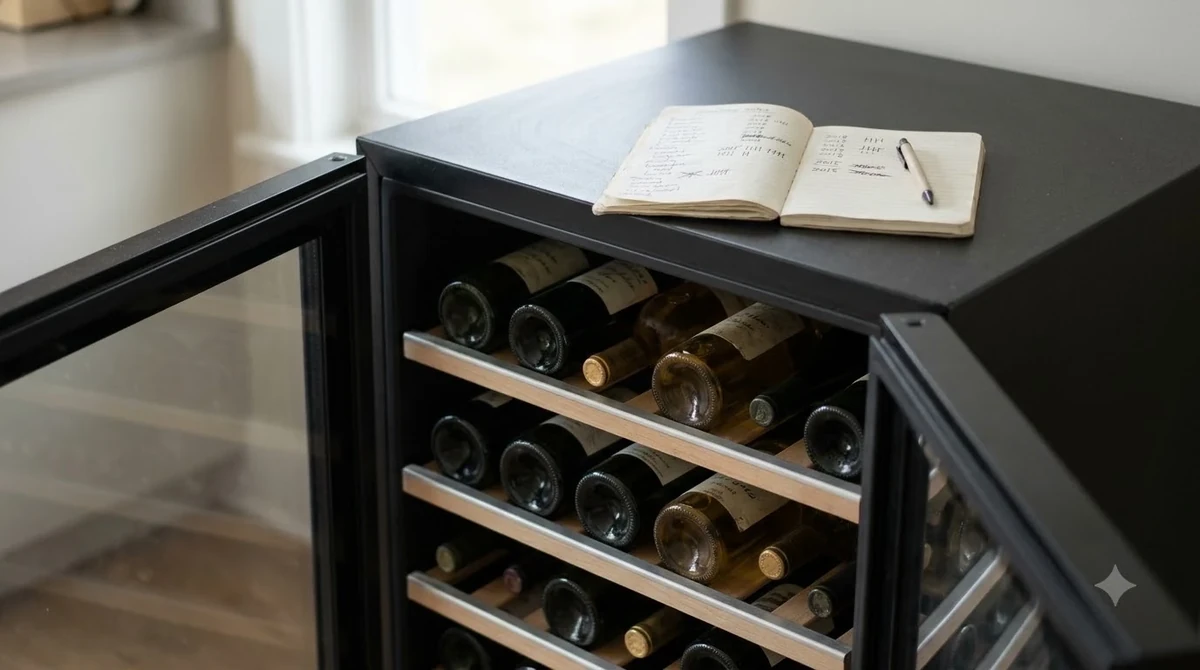
For bottles intended for long-term storage, aim for a cool environment near 55°F with minimal temperature fluctuation. Store traditional cork-finished bottles on their sides so the cork remains in contact with the wine. Keep bottles away from direct sunlight, heating equipment, and areas exposed to frequent vibration.
Temperature stability is more important than chasing an exact number every day. Repeated warming and cooling can be damaging, so a consistent cellar or dedicated wine refrigerator is preferable to a kitchen cupboard or garage. For valuable bottles, maintaining a record of purchase dates, storage conditions, and expected drinking windows can also help with cellar management.
Before serving a younger Gaja Barbaresco or Barolo, consider opening the bottle ahead of dinner. Young, structured reds can benefit from approximately 30–60 minutes of decanting, allowing the wine to interact with oxygen and release more of its aromatic character. This is a starting guideline, not a requirement for every vintage. Older bottles may need gentler handling because prolonged exposure to oxygen can diminish their delicate aromas.
Choose a large-bowled red wine glass to allow the aromas to collect and develop. Pour approximately 5 ounces per serving, which means a standard 750 ml bottle provides about five servings. Avoid filling the glass too high, as space above the wine helps concentrate its aromas and makes swirling easier.
Serve full-bodied Gaja reds at approximately 60–65°F. If the room is particularly warm, a short period in the refrigerator can bring the bottle toward the desired temperature. Avoid serving the wine at typical room temperatures if the room is considerably warmer than this range.
Once opened, reseal the bottle and place it in the refrigerator. Most opened still wines are best consumed within approximately 3–5 days, although their condition depends on age, structure, storage, and exposure to oxygen. Older Nebbiolo may lose its most delicate aromas sooner than a younger, more structured bottle.
When planning a special dinner, prepare the wine before the food arrives. Allowing time for the bottle to reach the appropriate temperature, checking its condition, and choosing a suitable glass can make the overall experience more rewarding. These small details matter particularly with wines whose complexity develops gradually in the glass.
Frequently Asked Questions
Is Gaja considered a prestigious Italian wine producer?
Yes. Gaja has an established international reputation, and its wines are collected and reviewed by leading wine publications. Its historical importance includes Angelo Gaja’s influence on the development of single-vineyard-designated wines and the international recognition of Piedmont Nebbiolo.
What does the name Sperss mean on a Gaja wine label?
Sperss is the name of a Gaja Barolo bottling associated with the producer’s Piedmont portfolio. It is a useful label to recognize when comparing Gaja’s Barolo offerings with its Barbaresco wines. Buyers should examine the individual vintage information to understand the wine’s particular characteristics.
Does Gaja make wine outside Piedmont?
Yes. The Gaja portfolio includes estate properties in Pieve Santa Restituta in Montalcino and Ca’ Marcanda in Bolgheri, Tuscany. These properties extend the producer’s work beyond its historic Barbaresco home and provide opportunities to explore different Italian wine regions.
Why do Gaja Barbaresco wines sometimes have different alcohol percentages?
Alcohol levels can vary between vintages because grape ripeness and growing conditions change from year to year. The standard Barbaresco producer profile lists 14% ABV, but buyers should distinguish that technical specification from the alcohol content of other Gaja bottlings and individual vintages.
What is the difference between a Barbaresco DOCG and Barbaresco DOP designation?
DOCG is Italy’s traditional classification abbreviation for Denominazione di Origine Controllata e Garantita, while DOP is the broader European protected designation of origin terminology. Both relate to geographic origin and production rules, and their appearance on wine materials reflects different classification naming conventions rather than two separate growing regions.
Gaja is a strong choice for buyers who appreciate Italian wines with aromatic detail, substantial structure, and the ability to develop over time. Start with classic Barbaresco to understand the producer’s traditional Nebbiolo style, then explore Barolo and the individual vineyard bottlings as your interests develop. Comparing specific vintages and matching the bottle to your intended drinking occasion will help you make a more satisfying purchase.
More in Wine Brands
 Underwood Wine Price: Compare Bottles, Cans, and Pack SizesUpdated Nov 21, 2026
 Zenato Wine Price: Compare Styles and Choose the Right BottleUpdated Nov 21, 2026
 Zuccardi Wine Price: Compare Bottles and Find the Right RangeUpdated Nov 21, 2026
 Yellow Tail Moscato Review: Taste, Sweetness and Serving TipsUpdated Nov 21, 2026
 Wolf Blass Yellow Label Review: Choose Your Best StyleUpdated Nov 21, 2026
 Wolffer Estate Rose Review: Choose the Right Bottle for Your TableUpdated Nov 21, 2026