

We may earn a commission when you buy through links on this page, at no extra cost to you. Learn more.
This franzia chardonnay review finds that Franzia Chardonnay is a practical choice for drinkers who want an approachable, medium-bodied, semi-dry white wine for everyday meals and casual gatherings. Its advertised flavor profile centers on ripe apple, pear, vanilla, and subtle oak rather than intense buttery richness or sharp citrus. Available in several convenient box sizes, it also offers straightforward serving information and a longer stated freshness period after opening than most conventional bottles.
Franzia Chardonnay occupies a familiar place in the American boxed-wine market: an accessible white wine designed for uncomplicated drinking rather than elaborate wine occasions. Its combination of fruit-forward character, moderate body, and convenient dispensing makes it worth considering for households that regularly serve white wine. Understanding its sweetness, flavor profile, alcohol content, packaging, and food compatibility helps determine whether it matches your preferences before you purchase it.
Who This Wine Is For
Franzia Chardonnay is best suited to people who want a straightforward white wine with recognizable fruit flavors, moderate weight, and convenient packaging. Its semi-dry profile makes it an accessible option for drinkers who prefer a little softness instead of an aggressively crisp or sharply acidic white wine.
The wine’s appeal is particularly practical for households that enjoy Chardonnay with ordinary dinners. Think roasted chicken, creamy pasta, vegetable casseroles, and relaxed meals where the wine should complement the food without demanding much attention. Its apple, pear, vanilla, and subtle oak characteristics give it a familiar Chardonnay identity without requiring an appreciation for complicated regional differences or winemaking terminology.
It also makes sense for gatherings where several people may want a glass over an extended period. The 5-liter format provides approximately 34 servings when poured at the manufacturer’s recommended 5-ounce serving size. That is a substantial amount of wine for a family gathering, casual party, or shared dinner, although the smaller packages are more appropriate for people who drink Chardonnay occasionally.
There are also reasons some Chardonnay enthusiasts might prefer another wine. Drinkers looking for pronounced butter, toasted oak, mineral character, or the concentrated fruit of a premium single-region Chardonnay may find Franzia’s intended everyday style relatively simple. Its appeal is convenience and accessibility, not a particularly elaborate tasting experience.
For shoppers exploring the wider brand, the Franzia Chardonnay overview provides another starting point for understanding its packaging and general wine profile. This particular selection makes the most sense when an uncomplicated, ready-to-serve white wine matters more than distinctive vineyard character.
Consider your usual drinking habits, refrigerator space, and preferred serving occasions before choosing a package. A large box can be practical for regular consumption, but a smaller container is a more sensible starting point if you are unfamiliar with the wine or only occasionally serve Chardonnay.
Key Factors to Compare Before Buying
The most important buying considerations are flavor, sweetness, alcohol content, serving quantity, and packaging. These factors help establish whether Franzia Chardonnay fits your taste preferences and whether its available formats make sense for your household.
| Buying factor | Franzia Chardonnay details | What it means |
|---|---|---|
| Wine style | White Chardonnay | A familiar, fruit-forward white wine category |
| Sweetness | Semi-dry | Some perceived softness without a dessert-wine profile |
| Body | Medium-bodied | More weight than a particularly light white wine |
| Alcohol | 12.5% ABV | A moderate-strength table wine |
| Flavor notes | Apple, pear, vanilla, subtle oak | Fruit-forward with gentle oak-associated character |
| Small package | 500 ml | Approximately 3 five-ounce servings |
| Medium package | 1.5 liters | Approximately 10 five-ounce servings |
| Large package | 5 liters | Approximately 34 five-ounce servings |
| Calories | 120 per serving | Manufacturer-listed serving information |
| Sugar | 1 gram per serving | Manufacturer-listed nutritional information |
| After-opening freshness | Up to 6 weeks | Manufacturer-stated boxed-wine freshness period |
The manufacturer identifies the wine as medium-bodied and semi-dry, with a flavor profile involving ripe apple, pear, vanilla, and subtle oak. These descriptions establish a useful expectation: this is not intended to be a particularly lean, bone-dry Chardonnay, nor is it presented as a heavily sweet wine. The official Franzia Chardonnay product page provides the producer’s description and package information.
Alcohol content is another important comparison point. Kroger lists Franzia Chardonnay at 12.5% alcohol by volume. That figure places it within a familiar range for still Chardonnay, although actual alcohol strength varies between wines and should not be judged solely by grape variety. Readers comparing different packages can find more detail in our guide to Franzia Chardonnay alcohol content.
Packaging deserves equal consideration. The 500-milliliter size is useful when you want a relatively small quantity, while the 1.5-liter option provides considerably more wine without committing to the largest format. The 5-liter box offers the most servings and is especially convenient when multiple people regularly drink the same wine.
Nutrition information is another comparison point. Franzia lists 120 calories, 4 grams of carbohydrates, and 1 gram of sugar per 5-ounce serving. These are manufacturer-provided figures rather than a guarantee that every pour contains precisely the same amount. A larger serving naturally contains more wine than the stated standard portion.
Packaging also influences convenience. A box with a dispensing tap can be easier to use than repeatedly opening and closing individual bottles. However, the overall experience depends on how frequently you serve the wine, whether the container fits your refrigerator, and how much counter or storage space is available.
Step-by-Step: How to Choose and Serve Franzia Chardonnay
Choosing Franzia Chardonnay is relatively simple once you establish how much wine you need and how you plan to serve it. The following steps cover package selection, temperature, pouring, and food matching.
- Decide how much wine you need. Start with the number of people and the likely serving occasion. A 500-milliliter package provides approximately three standard 5-ounce servings, while a 1.5-liter package provides about 10. The 5-liter box provides approximately 34 servings. For a small dinner, the largest format may be unnecessary; for a larger gathering, it can reduce the need to open multiple containers.
- Understand the semi-dry style. Franzia describes its Chardonnay as semi-dry, with ripe apple and pear notes. If you usually prefer completely dry, high-acidity whites, this may not be your first choice. If you enjoy approachable fruit flavors and a little softness, its style is more likely to suit your preferences.
- Chill the wine before serving. A useful serving range for fuller-bodied white wines is approximately 50–55 degrees Fahrenheit. This allows the wine to remain refreshing while giving its fruit and subtle oak characteristics room to show. Avoid serving it so cold that its aromas become difficult to perceive.
- Use a standard wine glass. Pour approximately 5 ounces into a clean white-wine glass. This leaves room for aromas to collect and makes it easier to evaluate the wine. A smaller pour also helps maintain a comfortable serving temperature throughout dinner.
- Match the wine with food. Start with roasted chicken, creamy pasta, or mild seafood dishes. These foods complement Chardonnay’s medium body and fruit character. Hearty soups are another pairing suggested by Franzia itself.
- Store the package properly. Keep the wine refrigerated after dispensing when appropriate for your serving routine. Follow the manufacturer’s stated freshness guidance and avoid exposing the container to unnecessary heat or direct sunlight.
- Evaluate the remaining wine before the next serving. Pay attention to whether its aroma and flavor remain fresh. A noticeable loss of fruit, unusual sourness, or stale aroma can indicate that the wine is no longer enjoyable, even if the stated freshness window has not elapsed.
These steps are particularly useful for people buying boxed Chardonnay for the first time. The format changes how wine is dispensed and stored, but the basic principles of appropriate temperature, sensible pouring, and food compatibility remain the same as they do with bottled wine.
Tip: Refrigerate Franzia Chardonnay before serving and aim for approximately 50–55 degrees Fahrenheit. If it seems too cold, allow a few minutes in the glass before evaluating its apple, pear, and vanilla aromas.
For food-focused occasions, consider the weight of the entire meal rather than simply choosing a dish because it contains chicken or seafood. A delicate chicken salad and a rich chicken Alfredo have very different textures. The fuller, creamier preparation generally calls for a Chardonnay with enough body to complement the sauce.
Franzia Chardonnay Styles and Flavor Characteristics
Franzia Chardonnay is presented as a medium-bodied, semi-dry white wine with fruit, vanilla, and subtle oak characteristics. Understanding how these descriptors relate to broader Chardonnay styles makes it easier to decide whether this particular wine fits your expectations.
Fruit-forward Chardonnay
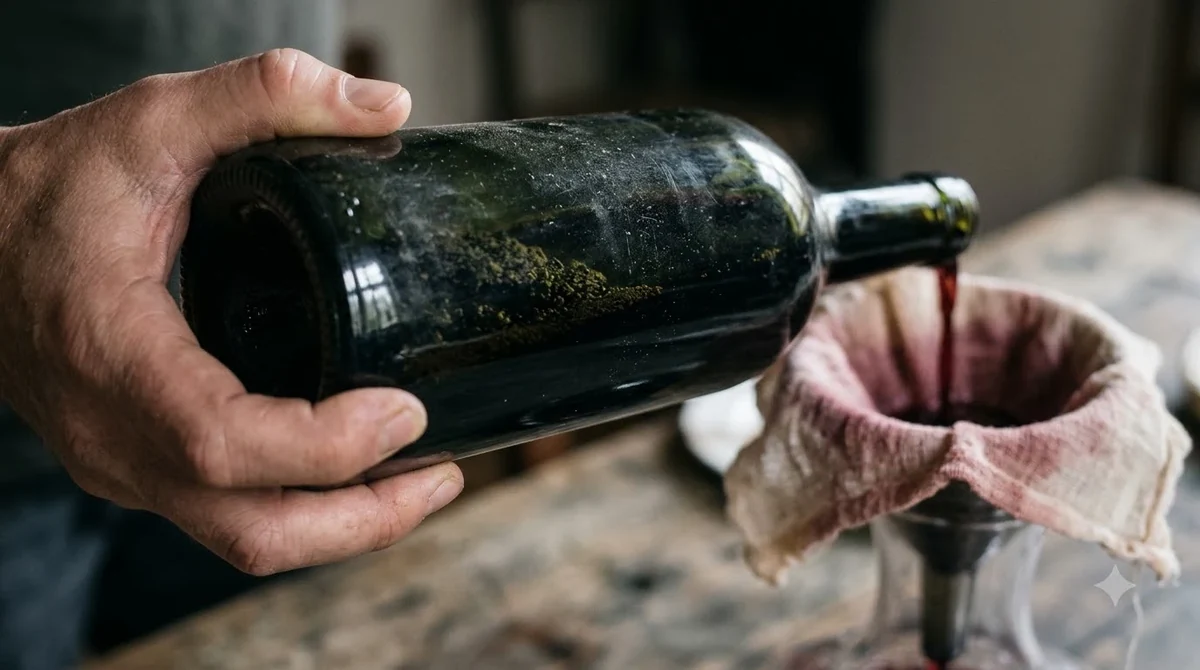
The central flavor expectation is ripe apple and pear. These are familiar Chardonnay characteristics, and they provide the foundation of the wine’s approachable profile. Fruit-forward Chardonnay is generally easy to match with uncomplicated meals because its flavors are recognizable and do not require particularly elaborate food combinations.
Franzia also describes its Chardonnay as having a refreshing finish. This is important because a medium-bodied wine does not necessarily have to feel heavy. Its fruit character and moderate weight can provide enough presence for everyday meals while remaining appropriate for chilled service.
Oak-influenced Chardonnay
Vanilla and subtle oak are part of Franzia’s stated flavor description. Oak-associated aromas are common in Chardonnay, but the intensity varies considerably according to the winemaking approach. Oak can contribute vanilla, spice, and toasted characteristics, while the underlying fruit remains an important part of the wine’s identity.
It is important not to confuse subtle oak notes with a heavily oaked or strongly buttery Chardonnay. Those styles can have more pronounced flavors of butter, toasted bread, baking spices, and creamy texture. Franzia’s own description emphasizes fruit and hints of vanilla with lingering subtle oak rather than promising an intensely barrel-driven experience.
How sweetness fits into the profile
The term semi-dry can create confusion because people sometimes interpret any noticeable fruitiness as sweetness. These are different characteristics. Fruit aromas can make a wine seem ripe and generous without necessarily indicating substantial residual sugar.
Franzia identifies the wine as semi-dry and lists 1 gram of sugar per serving in its nutrition information. That provides useful context for shoppers who want to understand the advertised profile, although perceived sweetness also depends on acidity, fruit concentration, serving temperature, and individual sensitivity.
Comparing different Chardonnay traditions
Chardonnay is one of the most versatile white grapes because its finished style can change considerably with climate and winemaking choices. Wine Folly describes examples ranging from lean and mineral-driven Chablis to richer, oak-aged Chardonnay with fuller texture and more prominent vanilla and butter characteristics.
Chablis from Burgundy, France, is a useful comparison for someone who prefers crisp citrus, green apple, and mineral impressions. By contrast, fuller styles from places such as California’s Napa Valley can emphasize ripe stone fruit and oak-associated richness. Franzia’s approachable fruit-forward description occupies a different buying position from shoppers seeking highly distinctive regional expressions.
These differences are not simply a matter of quality. They reflect different stylistic priorities. One person may prefer a lean white wine with pronounced acidity, while another may enjoy the softer texture and vanilla character associated with oak-influenced Chardonnay.
For a broader explanation of these differences, Wine Folly’s Chardonnay grape guide explains how climate and winemaking influence the grape’s flavor, texture, and overall style.
That is why it helps to understand the wine you are buying instead of assuming every Chardonnay tastes alike. Franzia’s advertised characteristics provide a reasonably clear expectation, especially for shoppers who want a familiar white wine rather than a particularly complex bottle.
Common Mistakes When Buying and Drinking Boxed Chardonnay
Most disappointments with Franzia Chardonnay come from mismatched expectations, incorrect serving temperatures, or unsuitable food pairings. Understanding a few common mistakes makes it easier to enjoy the wine for the style it is designed to provide.
Expecting a rich, buttery Chardonnay
Not every Chardonnay has the same degree of oak influence or creamy texture. Some wines have strong buttery aromas associated with malolactic fermentation, while others emphasize citrus, green apple, and mineral character.
Franzia’s description mentions vanilla and subtle oak alongside apple and pear. That should not be interpreted as a promise of pronounced butter, toasted brioche, or extensive barrel complexity. Someone specifically seeking a rich, heavily oaked wine may prefer to explore alternatives that advertise those characteristics more prominently.
Confusing semi-dry with dessert wine
Semi-dry does not mean that the wine is comparable to a sweet dessert wine. Franzia’s listed 1 gram of sugar per serving gives a useful indication of its advertised nutritional profile. Its fruit-forward aromas may create an impression of softness, but that does not make it a dessert-style Chardonnay.
Food pairing still matters. Wine should generally be at least as sweet as the dessert being served; otherwise, a sweet dish can make the wine taste more acidic or bitter. Franzia Chardonnay is better considered alongside savory meals than particularly sugary desserts.
Serving it too cold
Very cold white wine can lose some of its aromatic expression. Although refrigeration is useful for maintaining freshness, a serving temperature around 50–55 degrees Fahrenheit is a better starting point for a medium-bodied Chardonnay than serving it directly from an extremely cold refrigerator.
Temperature also affects perceived texture. A wine that seems muted straight from the refrigerator may become more expressive after a short time in the glass. Allowing a little warming can help reveal its apple, pear, and vanilla characteristics.
Choosing the largest box without considering consumption
The 5-liter package offers approximately 34 five-ounce servings. That quantity can be practical for regular gatherings, but it may be excessive for someone who only drinks Chardonnay occasionally.
Before purchasing, consider how much space the box requires and whether the household will use the wine within a reasonable period. The 500-milliliter and 1.5-liter options provide alternatives for people who do not need a large quantity.
Pairing it with overly intense food
Chardonnay can work with a wide variety of dishes, but particularly spicy or intensely flavored food can overwhelm a softer, fruit-forward white wine. Chili heat is amplified by alcohol and tannin, so a wine’s strength and structure should be considered before pairing it with heavily spiced dishes.
Oily fish can also present a challenge with strongly tannic reds, although that particular issue is less relevant to Chardonnay because white wines generally have little tannin. For Franzia, mild fish preparations, creamy sauces, and chicken offer more predictable starting points.
Care, Storage, and Serving Tips
Proper storage helps maintain the flavor and convenience of Franzia Chardonnay after opening. Its boxed packaging is designed to limit air exposure during dispensing, and Franzia states that the wine can remain fresh for up to six weeks after opening.
The freshness claim is one of the format’s main practical advantages. Conventional opened still wines are generally best consumed within approximately three to five days when refrigerated, while boxed wine can last considerably longer because its dispensing system helps reduce the amount of air entering the remaining wine. Actual results depend on storage conditions and how well the dispensing system is maintained.
Refrigeration and placement
Store the opened package in a cool environment and follow the manufacturer’s storage directions. Refrigeration is a practical choice for preserving the wine’s freshness and keeping it ready for chilled service. Avoid leaving the package near ovens, sunny windows, radiators, or other sources of heat.
For unopened wine, a stable, cool storage environment is preferable to frequent temperature changes. Traditional bottled wine is commonly stored on its side near 55 degrees Fahrenheit, but boxed wine has different packaging requirements and should be stored according to its container design.
Using the dispensing tap
One advantage of Franzia’s boxed format is that you can dispense a glass without opening a conventional bottle. This is convenient when different people want wine at different times or when you prefer smaller pours throughout a meal.
Keep the tap clean and follow the package instructions for dispensing. Avoid touching the opening to glasses or other surfaces. Close the tap properly after every pour and return the container to suitable storage conditions.
Serving temperature and glassware
A medium-bodied Chardonnay generally benefits from a temperature of approximately 50–55 degrees Fahrenheit. A standard white-wine glass is suitable because its bowl gives the wine room to release aromas while keeping the serving manageable.
There is no need for elaborate equipment. A refrigerator, ordinary white-wine glasses, and a basic understanding of serving temperature are sufficient for most casual occasions. Decanting is also generally unnecessary for a straightforward everyday Chardonnay.
Planning portions for gatherings
Franzia’s stated serving calculations make it easier to plan how much wine to provide. The 5-liter package supplies approximately 34 standard five-ounce servings, while the 1.5-liter package supplies approximately 10 and the 500-milliliter package supplies approximately three.
For an event, calculate the number of servings rather than assuming that every guest will drink the same amount. A smaller serving may be appropriate when guests are also enjoying other beverages, while a dinner centered on wine may require more careful planning.
Remember that a 5-ounce serving is a measurement reference, not an instruction to refill glasses automatically. Using a consistent pour helps avoid running out unexpectedly and makes it easier to compare the wine’s flavor from one serving to another.
Frequently Asked Questions
Is Franzia Chardonnay made from 100% Chardonnay grapes?
The product is marketed as Chardonnay, but the official product information discussed here does not establish a precise grape-blend percentage. A varietal wine’s naming requirements depend on applicable labeling regulations and the wine’s origin. Anyone requiring exact composition information should consult the producer’s specific product documentation.
Does Franzia Chardonnay need to breathe before drinking?
It generally does not require extended aeration or formal decanting. Unlike some structured red wines, a straightforward medium-bodied Chardonnay can be poured directly from its package into a glass. A few minutes in the glass may nevertheless help its aromas become more noticeable as the temperature rises.
Can Franzia Chardonnay be used for cooking?
Yes, Chardonnay can be used in recipes that call for dry or moderately dry white wine, provided its flavor profile suits the dish. It can work in cream sauces, pan sauces, and chicken preparations. Avoid reducing wine excessively in recipes where its fruit character or residual sweetness could become too concentrated.
Can Franzia Chardonnay be frozen for cooking or storage?
Freezing wine is not a recommended long-term storage method for this boxed product. Frozen liquid expands, which can damage containers or packaging components. If a recipe requires a small amount of wine, measuring a fresh serving from the tap is a more practical approach.
Is boxed Chardonnay different from bottled Chardonnay in winemaking?
Boxed and bottled Chardonnay can be made using similar winemaking approaches, but packaging changes how the wine is stored and dispensed. A bag-in-box container can reduce air exposure as wine is removed, while a conventional bottle allows air to enter after opening. Packaging alone does not determine grape quality, flavor complexity, or the winemaking techniques used.
Franzia Chardonnay is a sensible option for drinkers who value familiar apple and pear flavors, a semi-dry profile, medium body, and convenient boxed packaging. Its multiple package sizes and stated six-week freshness period make it particularly practical for regular household use and casual gatherings. Choose it for uncomplicated everyday Chardonnay rather than expecting the complexity of a premium, region-specific wine.
More in Wine Brands
 Frescobaldi Wine Review: Find the Right Tuscan BottleUpdated Nov 21, 2026
 Frescobaldi Wine Price: Compare Tuscan Wines by Style and QualityUpdated Nov 21, 2026
 Flowers Wine Review: Choose the Right Sonoma Coast BottleUpdated Nov 21, 2026
 Franzia Sangria Price: Compare Box Sizes and Find Better ValueUpdated Nov 21, 2026
 Fonseca Port Review: How to Choose the Right StyleUpdated Nov 21, 2026
 Franzia White Zinfandel Review: Taste, Sweetness and Serving TipsUpdated Nov 21, 2026