

We may earn a commission when you buy through links on this page, at no extra cost to you. Learn more.
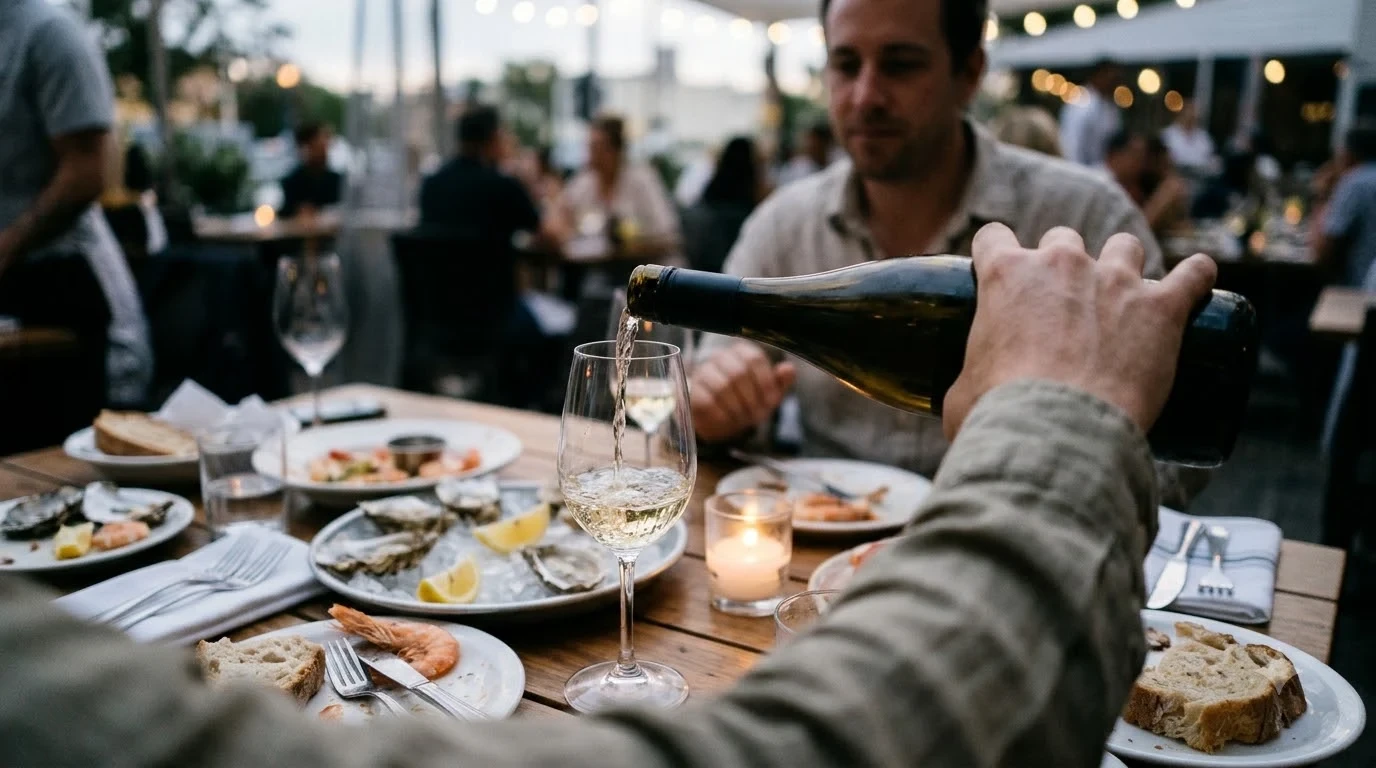
Franzia Chardonnay is an everyday white wine from the Franzia brand, usually sold in large box formats, and it is best served chilled. Its style comes from the Chardonnay grape and from how the winemaker handled oak and fermentation, so the label and the producer’s description are the best guides to what is in the box. For most people it works as an easy, approachable glass for casual dinners and gatherings.
This guide explains what the Franzia Chardonnay name usually means on the shelf, how the Chardonnay grape shapes the taste, how to serve the wine well, and which foods go with it. It also covers the box format, which is the first thing many buyers ask about.
What Franzia Chardonnay Is
Franzia is best known for box wine. According to the company history summary on Wikipedia, Teresa Franzia founded the company in 1906, and the family later ran the business as the Franzia Brothers Winery, a Central Valley winery in Ripon, California. The brand is known for box wines sold in 3-liter and 5-liter cartons.
The official Franzia website lists a Buttery Chardonnay and a plain Chardonnay among its products. The brand’s own site describes the 5-liter box as holding 34 glasses, which is a useful way to plan a party. The site does not publish detailed tasting notes for either Chardonnay, so the exact style of a given box is best confirmed on its label.
What the Chardonnay Grape Brings to the Glass
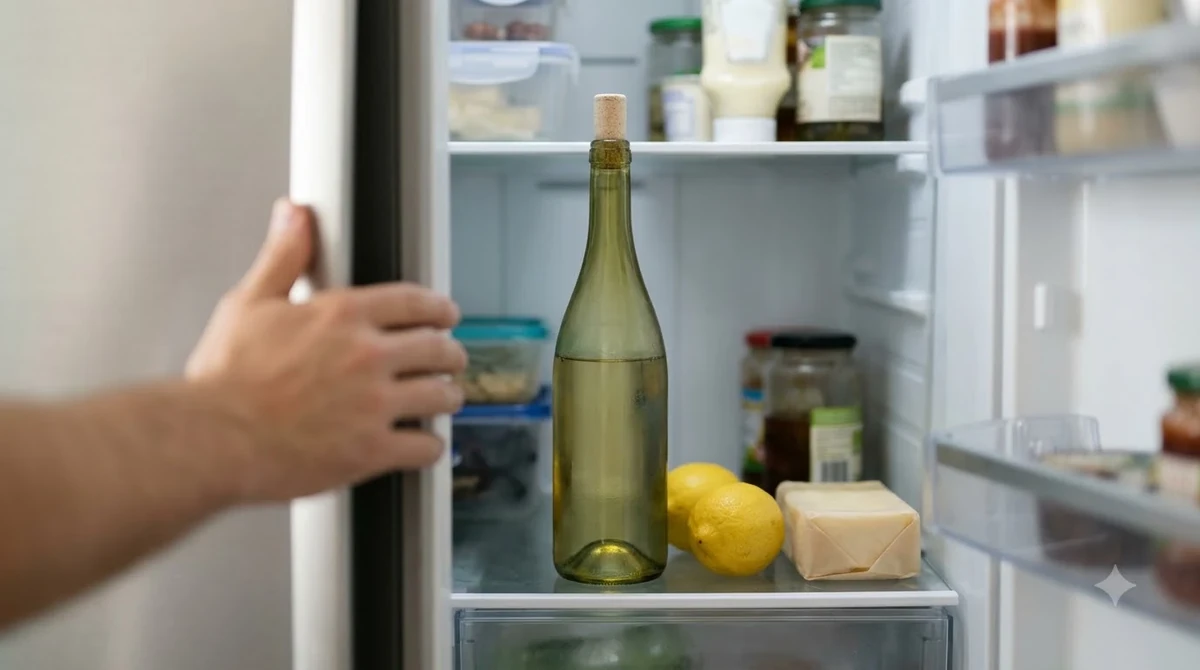
Chardonnay is a white grape that began in Burgundy, France, and now grows in nearly every winemaking country. Its flavors change a great deal with the climate and the winemaking, which is why two Chardonnays can taste very different.
In general, Wine Folly’s Chardonnay guide describes lemon, yellow apple, butter, vanilla and pineapple as the main flavors. Unoaked wines lean toward green apple, pear and citrus, often with a chalky note. Oaked wines show peach, mango and lemon alongside vanilla and butter. The butter character usually comes from malolactic fermentation, in which bacteria turn sharp malic acid into softer lactic acid and create a creamier texture.
Cooler regions tend to produce leaner, crisper wines with green apple and citrus, while warmer regions give richer wines with stone fruit and tropical notes. Oak adds vanilla, spice and toast, and the amount depends on the barrel and the time spent in it.
| Style | Common flavors | Best served at |
|---|---|---|
| Unoaked, crisp | Green apple, pear, citrus | About 45°F (7°C) |
| Oaked, creamy | Lemon, peach, vanilla, butter | About 55°F (12°C) |
| Sparkling | Apple, lemon, toasted bread | 38 to 45°F (3 to 7°C) |
How to Serve Franzia Chardonnay
Serving temperature has a big effect on how a white wine tastes. Chill the wine to somewhere in the range of 45 to 55°F (7 to 12°C). If it is too cold, the aromas and fruit stay hidden, and if it is too warm, the alcohol can feel heavy and the wine tastes flat.
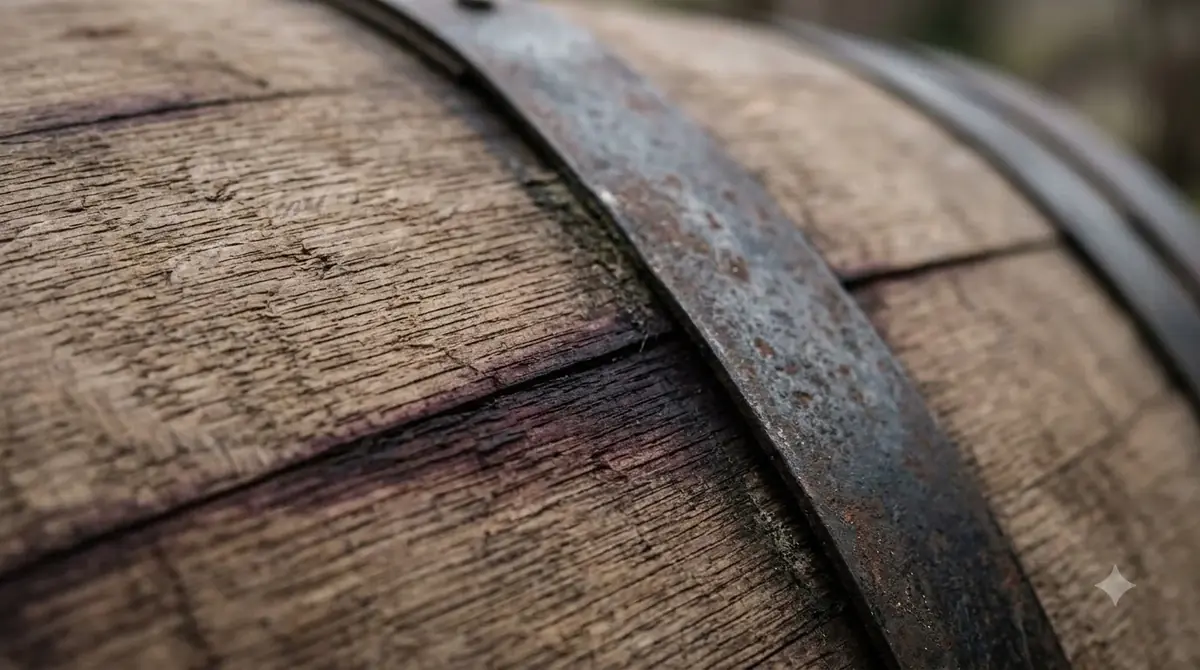
A standard white wine glass with a moderate bowl lets the aromas gather without crowding the nose. With a box, pour into a glass or a carafe and keep the spigot closed between pours. Check the label or the brand site for any storage advice once the box has been opened.
Tip: If the wine tastes too sweet or too heavy when it is very cold, let it sit out for a few minutes before pouring. The flavors open up as it warms slightly.
Food Pairings That Work With Chardonnay
Chardonnay pairs well with foods that share its creamy and citrus notes. The wine’s acidity cuts through rich sauces, and its fruit flavors fit with light proteins and simple seasonings.
For unoaked and lighter styles, try grilled shrimp, roast chicken, fish with lemon, or a fresh green salad. Oaked styles stand up better to creamy pasta, buttery sauces, roast pork, or mild to medium cheeses such as Gruyère. Popcorn and salted nuts are also easy partners at casual gatherings.
How to Choose the Right Box or Bottle
Start with the label. It should state the wine type, the box size and the alcohol content. Lean Chardonnay styles typically sit around 12 to 13.5% ABV, while richer, oakier styles can reach 14.5 to 15%, so the number helps you judge how full the wine will feel. Check whether the label mentions oak or a buttery style if you prefer a richer glass.
Next, think about how many people you are serving. The brand says a 5-liter box holds 34 glasses, so one box can cover a small group. If you want a second option for the same table, the wine guides on wine brands explain how different producers and styles compare.
Common Mistakes When Serving Box Chardonnay
The most common mistake is serving the wine too cold. Many people pull a box straight from the back of the fridge, and the wine then tastes thin and sharp because the aromas have not had a chance to open. Let it warm for a few minutes and the citrus and stone fruit notes usually become easier to notice.
Another frequent mistake is judging the whole product by one glass. Two boxes labeled Chardonnay can differ in oak, body and sweetness, so keep a note of which one you liked. Serving it with a salty snack or a rich dish can also change how it tastes, because acidity and fat react with each other. A little experimenting at home will show you which pairings you prefer.
Finally, do not forget the wine’s alcohol content. A richer, oakier Chardonnay can feel warm and heavy, especially in a warm room, so pour smaller glasses and offer water alongside it at longer gatherings.
Where Franzia Fits Among Everyday White Wines
Franzia belongs to a group of value-focused everyday wines that are built for easy drinking rather than for cellaring. These wines are usually made to be consistent from year to year, so the flavor profile stays close to what the label suggests. They are often chosen for parties, weeknight dinners and gifts for people who do not follow wine closely.
Compared with a single-vineyard Chardonnay from a small estate, a box or a large-format bottle is designed for convenience. You trade some of the complexity and sense of place for an approachable, reliable glass. That trade-off makes sense for many households, and it helps to be honest about what you want from the bottle before you buy.
If you want to compare different producers, look at how each brand describes its winemaking and style. Producers that explain their oak use, fermentation and grape sourcing give you more to work with than a one-word label does.
Frequently Asked Questions
Is Franzia Chardonnay a dry or sweet wine?
The label and the brand’s product description are the most reliable guides. Chardonnay is usually made dry, and the fruit flavors can sometimes read as softer or rounder than in a crisp, unoaked bottle. Check the label for any sweetness statement before buying.
How many glasses are in a box of Franzia Chardonnay?
The brand says its 5-liter box holds 34 glasses. Smaller boxes hold fewer, so divide the box volume by your planned pour size to estimate how much you need for a gathering.
What foods go best with Franzia Chardonnay?
Roast chicken, shrimp, fish with lemon, and creamy pasta are all good matches. Lighter styles suit salads and seafood, while oakier styles work with buttery sauces and mild cheeses.
Should Franzia Chardonnay be chilled before serving?
Yes. Serve it cool, around 45 to 55°F (7 to 12°C), so the fruit and acidity show clearly. Sparkling styles should be colder, and richer oaked styles taste best slightly warmer than crisp ones.
Franzia Chardonnay is an easy choice when you want a white that is simple to pour and pair. Read the label, serve it cool and match it to lighter or creamy dishes. For a broader look at how wine brands are organized and what their names usually signal, the A to Z Wineworks guide and the wine brands hub are good next steps.
More in Wine Brands
 Underwood Wine Price: Compare Bottles, Cans, and Pack SizesUpdated Nov 21, 2026
 Zenato Wine Price: Compare Styles and Choose the Right BottleUpdated Nov 21, 2026
 Zuccardi Wine Price: Compare Bottles and Find the Right RangeUpdated Nov 21, 2026
 Yellow Tail Moscato Review: Taste, Sweetness and Serving TipsUpdated Nov 21, 2026
 Wolf Blass Yellow Label Review: Choose Your Best StyleUpdated Nov 21, 2026
 Wolffer Estate Rose Review: Choose the Right Bottle for Your TableUpdated Nov 21, 2026