

We may earn a commission when you buy through links on this page, at no extra cost to you. Learn more.
This emilio moro wine review finds that Bodegas Emilio Moro is a strong choice for drinkers who enjoy structured, fruit-forward Spanish Tempranillo from Ribera del Duero. Its range moves from approachable, youthful Finca Resalso to the more concentrated flagship Emilio Moro and the vineyard-focused Malleolus wines. The best bottle depends on how much oak influence, tannin, concentration and complexity you want in your glass.
Bodegas Emilio Moro has built its identity around the Tempranillo grape and the distinctive growing conditions of Ribera del Duero, one of Spain’s best-known red wine regions. Its wines combine dark fruit character with oak-derived spice, firm structure and a recognizable regional personality. However, the labels represent different drinking experiences rather than simply different levels of the same wine. Understanding those differences makes choosing a bottle considerably easier, whether you are buying a first introduction to the producer or looking for a more serious dinner wine.
Who Should Choose Emilio Moro Wine?
Emilio Moro is particularly suitable for red wine drinkers who appreciate concentrated fruit, noticeable tannins and measured oak influence. Its Ribera del Duero roots make it an interesting alternative to familiar Cabernet Sauvignon, Merlot and Rioja selections.
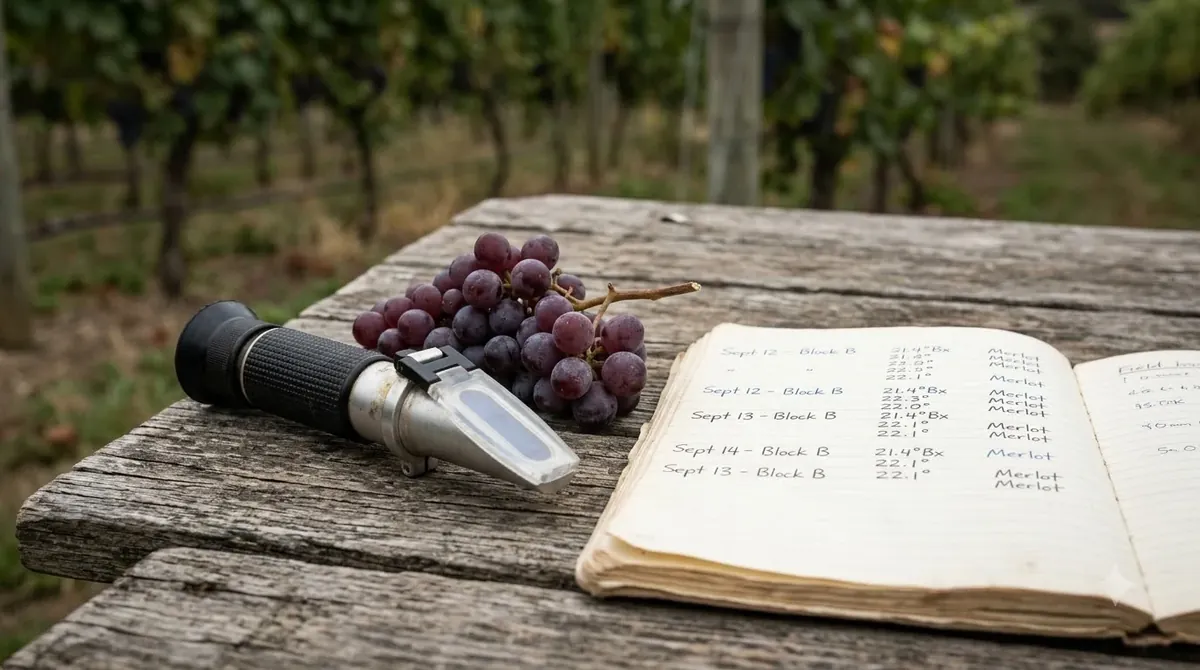
The producer’s identity is closely connected to Pesquera de Duero in Castilla y León, Spain. The Moro family’s winemaking history extends across four generations, and the winery was formally founded in 1987. Its first labeled wine under the Ribera del Duero Designation of Origin followed in 1989. These milestones help explain why the producer places so much emphasis on family history and the character of its vineyards.
The principal grape is Tempranillo, locally known as Tinto Fino. According to the winery, Tinto Fino is adapted to Ribera del Duero’s particular conditions, producing smaller berries and relatively loose clusters. That regional identity is important because it helps explain the concentration and structure associated with the producer’s red wines.
Drinkers who enjoy dark cherries, blackberries, plum, vanilla, cedar and savory spice will generally find the house style appealing. Emilio Moro is also a useful option for people who want a Spanish red with more emphasis on concentrated fruit and structure than a lighter, softer everyday red.
However, this is not necessarily the right producer for someone who primarily wants delicate, low-tannin reds or light-bodied wines with little oak influence. A Pinot Noir drinker who prefers subtle red fruit and a silky texture may find the flagship range more powerful than expected. Similarly, people who prefer sweet, uncomplicated wines should understand that the principal red wines are dry rather than sweet.
The range also suits different purchasing occasions. Finca Resalso makes sense for a casual dinner, while the flagship Emilio Moro offers a more developed experience for a substantial meal. Malleolus and its single-vineyard relatives are more appropriate when vineyard character and additional concentration are priorities.
For readers comparing producers across different categories, the broader Wine Brands resource provides another starting point for understanding how regional identity, grape variety and production choices influence a wine’s style.
Key Factors to Compare Before Buying
The most useful buying criteria are the wine’s position in the range, its vineyard origin, its oak treatment and the balance between fruit and tannin. Comparing these factors is more helpful than assuming every Emilio Moro bottle will taste alike.
The following table outlines the main differences among recognizable wines and wine families from the producer. The dates refer to historical launches or vineyard plantings, not guaranteed current vintage availability.
| Wine or range | Key distinction | Historical reference | General style |
|---|---|---|---|
| Finca Resalso | Youthful Tempranillo expression | Vineyard planted in 1932; wine released in 1994 | Fresh, fruity and approachable |
| Emilio Moro | Flagship Ribera del Duero red | First labeled vintage in 1989 | Concentrated fruit and balanced oak |
| Malleolus | Selection involving older vineyards | Launched in 1998 | Greater maturity and concentration |
| Malleolus de Valderramiro | Single-vineyard wine | Vineyard planted in 1924 | Powerful, structured and intense |
| Malleolus de Sanchomartín | Single-vineyard wine | Vineyard planted in 1964 | Powerful, elegant and persistent |
These differences matter because the producer does not rely exclusively on traditional Spanish ageing classifications to communicate its wine styles. The winery explains that it moved away from Crianza, Reserva and Gran Reserva labels in 1998. Instead, it determines how long each wine should remain in barrels according to the character it wants to express.
That approach means buyers should pay attention to the actual wine name rather than looking for a familiar Reserva designation. A Malleolus bottle, for example, represents a different selection and vineyard philosophy from Finca Resalso. The distinction is about more than the number of months spent in oak.
Oak is another important consideration. The flagship Emilio Moro uses French and American oak, while the broader house style is described by Decanter as relying predominantly on French oak with some American wood. French oak can contribute restrained spice and a structured impression, while American oak can bring more pronounced vanilla and sweet-spice characteristics.
Finally, consider your preferred tannin level. Tempranillo can produce wines with substantial structure, particularly in Ribera del Duero. Emilio Moro’s more concentrated selections are better suited to drinkers who appreciate a firm finish than those looking for an exceptionally soft red.
Tip: If you are new to the producer, begin with Finca Resalso or the regular Emilio Moro before moving to Malleolus. Comparing these wines in a tasting of three bottles makes the differences in concentration, oak and vineyard selection easier to recognize.
Step-by-Step: How to Choose the Right Bottle
Choosing an Emilio Moro wine becomes easier when you start with your drinking occasion and preferred red wine style. A few straightforward comparisons can narrow the selection without requiring specialist knowledge of Spanish wine classifications.
-
Decide how much structure you enjoy.
If you usually drink softer reds, start with the younger Finca Resalso style. If you enjoy full-bodied wines with noticeable tannins, the regular Emilio Moro or Malleolus range is a more natural starting point.
-
Choose the occasion.
For a relaxed evening meal, Finca Resalso is a practical option. For roast lamb, grilled beef or a dinner featuring richer sauces, the flagship Emilio Moro is a stronger stylistic match. A special meal centered on high-quality red meat can justify exploring Malleolus.
-
Understand the grape variety.
Look for Tempranillo or Tinto Fino when choosing the producer’s principal Ribera del Duero reds. The winery explains that Tinto Fino is its regional Tempranillo expression, adapted to the local growing conditions.
-
Compare vineyard selections.
Regular Emilio Moro offers the recognizable house style, while Malleolus draws on older vineyards. The Valderramiro and Sanchomartín bottlings go further by emphasizing individual vineyard sites with different planting histories.
-
Consider the oak character.
If you enjoy vanilla, spice and cedar notes, the flagship’s French and American oak treatment should be appealing. If you prefer fruit to dominate, a younger expression is a more sensible first purchase.
-
Choose the appropriate vintage.
Different harvests can produce different levels of ripeness, acidity and concentration. Look at the vintage rather than assuming two bottles with the same name will be identical. Professional tasting notes can help explain how individual releases differ.
-
Plan how you will serve it.
A structured young red can benefit from some air exposure. Set aside enough time to open the bottle before dinner, and serve the wine slightly cooler than a typical warm room temperature.
For a first purchase, the regular Emilio Moro is arguably the most representative introduction to the winery’s signature style. It offers a clearer picture of the producer’s combination of Tempranillo fruit, oak and regional character than choosing a particularly specialized single-vineyard wine immediately.
However, there is no requirement to start at the bottom of a range. Someone already familiar with Ribera del Duero and accustomed to powerful reds may find Malleolus more interesting from the beginning.
Emilio Moro Wine Styles Explained
The producer’s range includes youthful reds, its flagship Tempranillo, more concentrated vineyard selections and wines made from grapes other than Tempranillo. Understanding these categories helps prevent confusion when shopping for a particular style.
Finca Resalso: A Younger Tempranillo Style
Finca Resalso is the winery’s youthful and fresh expression of Tempranillo. It takes its name from a historic vineyard planted in 1932, the same year that the second Emilio Moro was born. The wine first appeared in 1994 and was notable for incorporating oak into a young Ribera del Duero wine.
Its style emphasizes fruit while retaining enough structure to feel like a serious Spanish red. Wine Enthusiast’s review of the 2021 vintage identified blueberry, blackberry, black cherry, milk chocolate, licorice and violet characteristics, alongside concentrated tannins. Those notes suggest a wine that is more substantial than a simple light-bodied everyday red. The producer’s Finca Resalso wine profile also explains its vineyard origins and youthful Tempranillo style.
Finca Resalso is a good entry point for people exploring the producer for the first time. It can accompany burgers, grilled pork, roasted vegetables and casual beef dishes without demanding an elaborate dinner menu.
Emilio Moro: The Flagship Red
The regular Emilio Moro is the central reference point for the winery. Its first labeled vintage was produced in 1989, and the bottle represents the family’s interpretation of Ribera del Duero Tempranillo.
The winery describes an intense garnet appearance and an expressive aromatic profile featuring red and black fruit, coffee, vanilla and clove. On the palate, its stated characteristics include medium structure, sweet tannins and a persistent finish. These characteristics make it a versatile choice for drinkers who want a red wine with both fruit and savory complexity.
Its production also illustrates the winery’s approach to balancing traditional grape character with modern cellar techniques. The 2022 technical information describes fermentation in temperature-controlled stainless-steel tanks followed by ageing in French and American oak barrels.
Malleolus: More Concentrated and Mature
Malleolus was introduced in 1998 and marked an important change in how the winery presented its wines. Instead of relying on the conventional Crianza, Reserva and Gran Reserva hierarchy, the producer focused on expressing individual vintages and giving each wine the time it needed.
Decanter describes Malleolus as drawing from older vineyards, including old bush vines and selected clones. The result is a more concentrated expression that emphasizes depth, structure and vineyard character. It is a natural option for someone who already enjoys the regular Emilio Moro and wants a more substantial wine. Decanter’s Emilio Moro producer profile provides further context on the winery’s vineyard selections and approach to its different bottlings.
Single-Vineyard Malleolus Wines
Malleolus de Valderramiro and Malleolus de Sanchomartín provide a more specific interpretation of the family’s vineyards. Valderramiro traces its identity to a plot planted in 1924, while Sanchomartín is associated with a vineyard planted in 1964.
Decanter describes Valderramiro as powerful and structured, while Sanchomartín is associated with greater freshness. This difference is useful for collectors and experienced drinkers interested in the relationship between vineyard conditions and wine character.
Other Wines Beyond Ribera del Duero Tempranillo
Emilio Moro is also associated with Godello wines from El Bierzo, including Polvorete, El Zarzal and La Revelía. These wines provide a completely different experience from the main red wine range. Godello is a white grape, so these bottles are relevant to shoppers who enjoy the producer’s approach but want a white wine rather than a powerful Tempranillo.
The winery also identifies La Felisa as an organic and vegan Tempranillo wine. Elalba represents its rosé category, while Bestizo introduces Mencía from El Bierzo. This wider selection demonstrates that the producer is not limited to one grape or one wine color.
Common Mistakes When Buying Emilio Moro
The most common buying mistakes involve treating every bottle as interchangeable, misunderstanding Spanish wine terminology and overlooking the importance of serving temperature. Recognizing these issues helps buyers select a bottle that actually matches their preferences.
Assuming Every Bottle Is the Same Style
One of the biggest mistakes is assuming that Finca Resalso, Emilio Moro and Malleolus are simply different labels for the same wine. They have distinct positions in the range, and their vineyard selection and intended style differ.
Finca Resalso emphasizes youthful Tempranillo, the flagship offers a more developed representation of the house style, and Malleolus moves toward greater concentration and maturity. Buying the most prestigious-sounding name does not automatically guarantee the most enjoyable experience.
Confusing Tinto Fino With a Different Grape
Tinto Fino is the regional Tempranillo expression used by the producer in Ribera del Duero. It is not a completely unrelated grape variety. The winery describes its smaller berries and loose clusters as characteristics of the local adaptation.
Understanding this terminology makes it easier to compare Emilio Moro with other Spanish Tempranillo producers. Rioja Tempranillo, for example, may offer a different balance of red fruit, oak and structure, even though it belongs to the same broad grape family.
Expecting Reserva and Crianza Labels
Shoppers familiar with Spanish wine regulations sometimes expect every producer to organize its bottles around Crianza, Reserva and Gran Reserva. Emilio Moro explains that it moved away from those traditional labels in 1998.
The producer instead determines barrel ageing according to the character it wants each wine to achieve. Consequently, buyers should compare the actual bottlings and their production information rather than interpreting the absence of a Reserva label as a sign of inferior quality.
Serving the Wine Too Warm
Red wine is often served at ordinary room temperature, but a warm dining room can make alcohol feel more pronounced and the fruit seem heavier. Full-bodied reds generally show better balance around 60 to 65 degrees Fahrenheit.
For a younger, lighter expression, a serving temperature around 55 to 60 degrees Fahrenheit can make the wine feel fresher. A brief period in the refrigerator before serving can help bring a bottle into the right range.
Ignoring Food Compatibility
Emilio Moro’s structured reds are better suited to substantial dishes than delicate seafood or lightly seasoned salads. Their tannins and dark fruit can complement beef, lamb and grilled pork, particularly when the food includes some fat.
Very spicy dishes can make alcoholic and tannic wines seem hotter and more aggressive. Likewise, delicate oily fish can clash with a strongly tannic red. Matching the wine’s intensity with the food is a more reliable strategy than choosing a pairing simply because both items are considered sophisticated.
Serving, Decanting and Storage Tips
Proper serving conditions help Emilio Moro wines show their fruit, acidity and oak character without allowing alcohol or tannin to dominate. Temperature, air exposure and bottle storage all contribute to a better drinking experience.
Choose the Right Serving Temperature
For the fuller red wines, aim for approximately 60 to 65 degrees Fahrenheit. Lighter red expressions can be served around 55 to 60 degrees Fahrenheit. These temperatures are cooler than many heated dining rooms, which is why a short period in the refrigerator can be useful.
A bottle that is too warm can appear heavy, with alcohol becoming more noticeable. Excessive chilling, on the other hand, can suppress aromas and make tannins feel harder. Allow the wine to warm gradually in the glass if it comes out of the refrigerator too cold.
Decant When the Wine Benefits From Air
Young, full-bodied reds can benefit from 30 to 60 minutes of decanting. This allows the wine to open up and can soften the impression of concentrated tannins. The regular Emilio Moro and Malleolus are examples of styles where air exposure may be useful, depending on the vintage.
There is no need to assume that every bottle requires an hour in a decanter. Begin by pouring a small glass shortly after opening. If the aromas seem restrained or the structure feels particularly tight, give the remaining wine additional time before serving.
Store Bottles Consistently
For bottles intended for future drinking, a stable environment near 55 degrees Fahrenheit is a sensible target. Keep bottles away from direct sunlight, major temperature fluctuations and strong vibration.
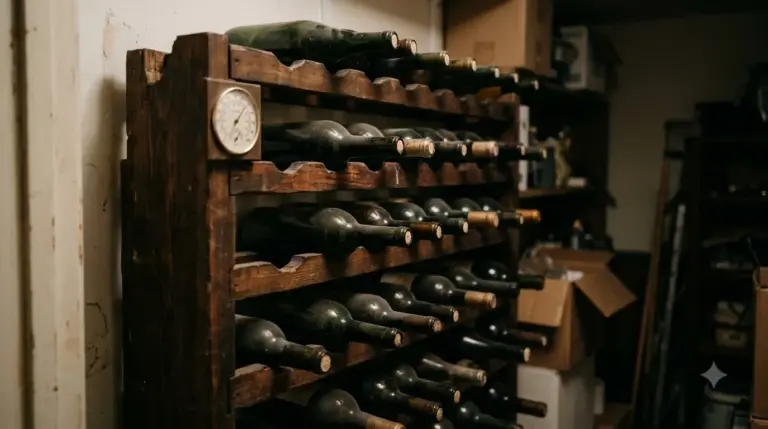
Traditional cork-closed bottles are generally best stored on their sides so the cork remains in contact with the wine. Avoid keeping wine in a warm kitchen cabinet or near a heating appliance, since repeated temperature changes can compromise its development.
Preserve Open Bottles
Once opened, recork the bottle and store it in the refrigerator. Most still wines retain their best qualities for approximately three to five days, although the exact result depends on the wine’s age, storage conditions and exposure to oxygen.
Take the bottle out shortly before serving so the red wine can approach its preferred temperature. A small amount of remaining wine in a large bottle may oxidize more quickly because of the greater air space. Using a smaller sealed container can help reduce that exposure.
Pair the Wine With Suitable Food
Emilio Moro’s red wines work particularly well with grilled steak, roast lamb, beef short ribs and pork tenderloin. The combination of protein and fat can soften the perception of tannin, while browned and roasted flavors complement the wine’s darker fruit and oak-derived spice.
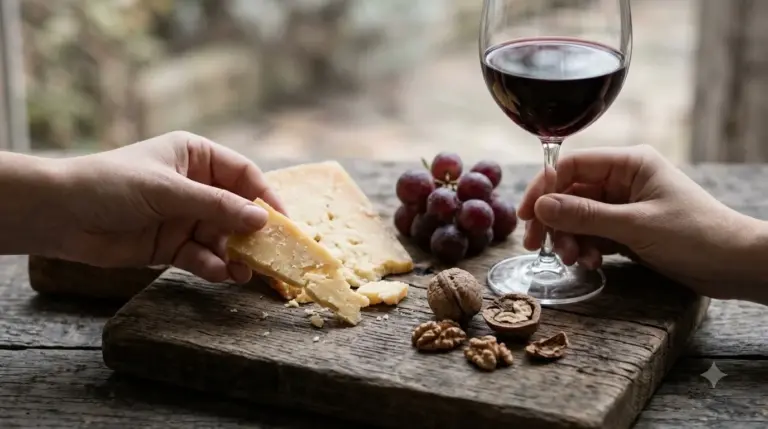
For a Spanish-inspired meal, try roast lamb with rosemary, grilled chorizo or beef served with roasted peppers. Mushroom dishes and aged hard cheeses can also complement the savory side of Tempranillo. For more casual meals, burgers, meat-based pizza and grilled sausages are practical choices.
For a different kind of wine experience, shoppers interested in sparkling wine can compare the producer’s red selection with La Marca Prosecco. It is a very different style and should not be treated as a substitute for a structured Ribera del Duero red.
Frequently Asked Questions
Is Emilio Moro wine suitable for beginners?
Yes, particularly Finca Resalso, which the winery describes as its youngest and freshest Tempranillo. Beginners who usually drink lighter wines may find the regular flagship more structured than expected, so starting with a younger expression is a sensible introduction. A basic red wine glass is sufficient to enjoy either style.
Does Emilio Moro wine contain sulfites?
Conventional wine production can involve naturally occurring sulfites, and some wines also receive additional sulfur dioxide during production. The winery identifies La Felisa as a special wine produced without added sulfites, but buyers should distinguish that particular bottling from the producer’s conventional range. Production details can differ between individual wines and vintages.
What does the photograph on an Emilio Moro bottle represent?
The photographs connect individual wines with moments in the family’s history. For example, the regular Emilio Moro label features an image of the first two generations harvesting grapes in 1938. The Malleolus label uses a photograph showing Emilio Moro during winemaking in 1972.
Can Emilio Moro wines be kept for several years?
Some more concentrated selections are made with ageing potential in mind, but the ideal drinking window depends on the specific wine, vintage and storage conditions. A cool, dark cellar with stable temperatures is preferable to a warm household cupboard. Finca Resalso and the more concentrated Malleolus selections should not automatically be assigned the same ageing expectations.
Does Bodegas Emilio Moro produce wines outside Ribera del Duero?
Yes. The winery has a separate project in El Bierzo, where it produces Godello wines such as Polvorete, El Zarzal and La Revelía. It also produces Bestizo, a Mencía red wine from that region. These wines offer an opportunity to explore the producer’s approach beyond its traditional Tempranillo focus.
Overall, Emilio Moro is a compelling producer to consider if you enjoy Spanish reds with dark fruit, oak influence and meaningful structure. Finca Resalso is a practical starting point, the flagship Emilio Moro delivers the clearest expression of the house style, and Malleolus offers a more concentrated direction for experienced drinkers. Choose according to your preferred intensity and the meal you plan to serve, rather than assuming the most prestigious bottle will automatically be the best fit.
For another point of comparison, readers can explore Emilio Moro wine in more detail or contrast its regional, structured approach with the approachable everyday style of Barefoot wine. Comparing grape variety, body and tannin is a useful way to identify which style belongs in your wine collection.
More in Wine Brands
 Hess Select Wine Price: Compare Bottles and Find Your Best ValueUpdated Nov 21, 2026
 Grahams Port Price: Compare Bottles and Choose the Right PortUpdated Nov 21, 2026
 Grahams Port Review: Find the Right Style for Your TasteUpdated Nov 21, 2026
 Goldeneye Wine Review: Explore Its Pinot Noir Styles and QualityUpdated Nov 21, 2026
 Georges Duboeuf Beaujolais Nouveau Review: Flavor, Pairing, and Serving TipsUpdated Nov 21, 2026
 Gruet Wine Price: Compare Bottles and Find the Right Sparkling WineUpdated Nov 21, 2026