

We may earn a commission when you buy through links on this page, at no extra cost to you. Learn more.
Emilio Moro wine comes from Bodegas Emilio Moro, a family winery in Pesquera de Duero in Spain’s Ribera del Duero region, and its reds are built on Tempranillo. The winery says its flagship Emilio Moro bottling was its first wine, released in 1989, and that the range uses a local clone it calls Tinto Fino. For American buyers, the range is a clear way to taste oak-aged Ribera del Duero Tempranillo in a structured style.
This guide explains what Emilio Moro wine is, how the winery describes its vineyards and winemaking, and which bottles make up the range. It also covers tasting notes, food matches, and practical buying and storage advice for US readers.
What Is Emilio Moro Wine?
Emilio Moro is the name of a Spanish winery and the wines it produces. Most of the range is red, and the winery describes every red as 100% Tempranillo. The flagship wine carries the name of the company’s founder and is presented as the benchmark for the house style.
If you are new to Spanish reds, think of Emilio Moro as a bridge between a traditional, family-run estate and a modern, international style. The wines are meant to be enjoyed with a meal, and the winery pairs them with wine tourism and restaurant experiences at its Pesquera de Duero estate.
The range also includes a white. The winery’s own site describes a Godello from El Bierzo, a separate Spanish appellation, so the brand is not limited to red Tempranillo. Still, the Ribera del Duero reds are the core of the story and the wines most Americans will encounter first.
History and Winery Background
The winery presents itself as a family estate with more than a century of history. According to its website, four generations of the Moro family have worked in vineyards and winemaking, which the company links to its approach of combining tradition with newer methods.
The flagship wine was the first bottling from the estate. The winery says it launched Emilio Moro in 1989, the same year as its first vintage under the Ribera del Duero designation. That timing matters because it shows the brand grew alongside the region’s modern reputation for red wine.
In recent years the company has expanded in several directions. Press releases on its site describe a new winery in El Bierzo, a second Spanish region, and a focus on wine tourism at the Ribera del Duero estate. The winery also reports a stronger push into international markets, which helps explain why the brand is widely available in the United States.
Ribera del Duero Terroir and the Tinto Fino Grape
Emilio Moro wine reflects the terroir of Ribera del Duero, a high-altitude Spanish region along the Duero River. The winery says the vines grow in medium-textured soils that are generally loamy and clay-based, on the terraces between the river valley and the flat plateau above it.
The climate is demanding. The winery describes large swings between daytime and nighttime temperatures, long cold winters, and hot summers. Those conditions are hard for many grape types, but the winery argues they suit Tinto Fino, the local name for Tempranillo that it says is adapted to this part of Spain.
Tinto Fino clusters are smaller and looser than typical Tempranillo clusters, and the berries are smaller too, with distinct shoulders on each side. The winery says this clone gives the wines their concentration. Ribera del Duero rules allow several other varieties, but Emilio Moro says it chooses Tempranillo because it offers power, elegance and character in one grape. For a broader view of the grape itself, the Wine Brands section on this site is a useful starting point.
Key Emilio Moro Wines and How They Compare
The Emilio Moro range is organized as a family of wines, each with a different role. The table below lists the bottlings named on the winery’s site, with a plain description of how the producer presents each one. Vintages change from year to year, so check the current label before you buy.
| Wine | How the winery describes it | What to look for |
|---|---|---|
| Emilio Moro | Flagship and founder-named benchmark, first wine of the estate | Full, structured red with dark fruit and oak |
| Malleolus family | Premium line with several single-site expressions | Concentrated, age-worthy reds for longer cellaring |
| Finca Resalso | Youngest red in the house, presented as pure Tempranillo | Fresher, fruit-forward style |
| La Felisa | Organic-certified red made from 100% Tempranillo | A choice for buyers who prefer organic wine |
| Elalba | The winery’s first rosé | A lighter option for warm weather |
The winery does not publish a formal price ladder on the pages reviewed here, so the best way to compare tiers is by style and age. Younger bottlings such as the youngest red tend to be lighter and more fruit-driven, while the flagship and premium lines are built for more structure. Since 1998, according to the winery, it has not printed crianza, reserva or gran reserva categories on its labels, so the bottle’s character matters more than the regulatory tier.
Tasting Notes and Grape Profile
The flagship Emilio Moro is described as a deep, intense cherry red with an elegant, complex nose. The winery’s tasting notes point to ripe dark fruit, plum and wild berries, along with toasted oak and hints of sweet spice. On the palate, the wine is meant to feel generous and rounded, with fine tannins and a long, layered finish.
In practical terms, expect a medium-to-full-bodied red with ripe fruit and a noticeable oak frame. The fruit and oak are meant to work together rather than compete. If you like wines that balance structure with a polished texture, this profile will feel familiar. You can read the winery’s own tasting description on its Emilio Moro wine range page, which also lists recent vintages.
Food pairing follows from that profile. Grilled or roasted red meats, lamb, and roasted vegetables with some char all suit a red with structure and tannin. Aged cheeses and mushroom dishes also work well. Lighter fish or delicate salads will be overwhelmed, so save this style for heartier plates.
Where to Buy, Storage and Serving
You can buy Emilio Moro wine from licensed US retailers that carry the brand, and the winery also sells directly through its own shop and members club. Some releases are limited. The winery notes that certain vintages, such as its 2023 selection, were offered only to club members before general sale, so availability can vary.
Check the current price at your retailer rather than relying on older lists. Prices shift with vintage, distributor and market, so the label, shop listing and your state’s rules are more reliable than any figure in an article. Look for the vintage on the bottle, and compare two recent years if you want to see how the house style changes.
Tip: Ask the retailer whether the bottle came through a standard distribution channel. Storage history matters more for aged reds than for young wines.
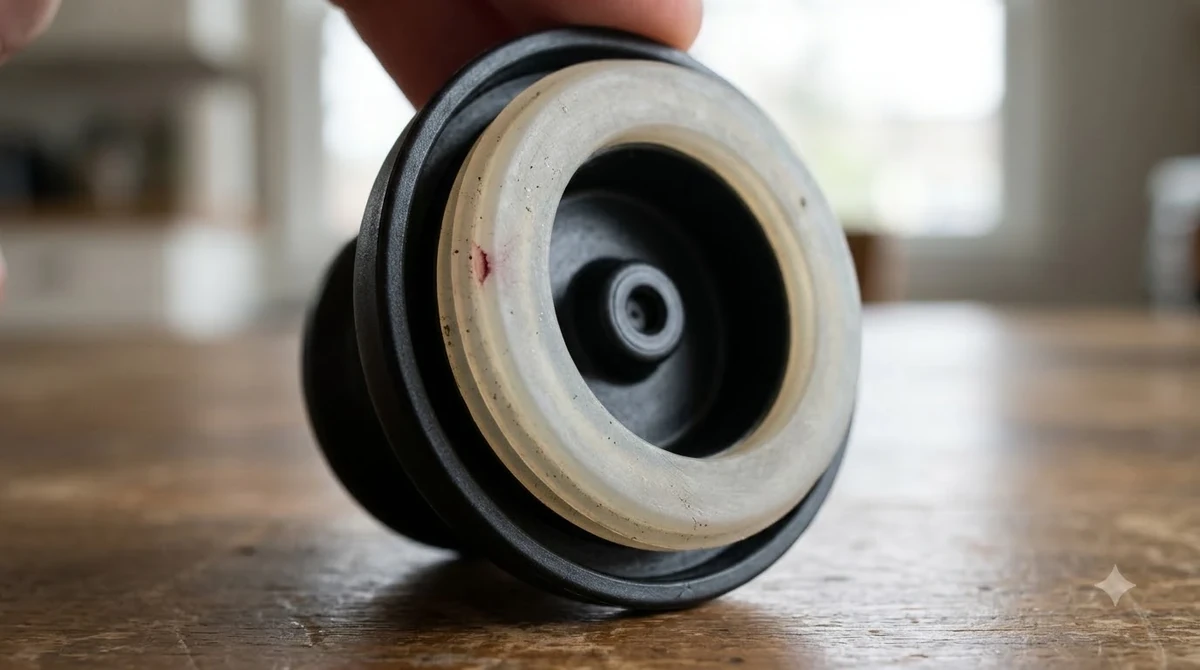
For storage, keep the bottle in a cool, dark place with a steady temperature, away from heat and strong vibration. The winery says some bottles use technical stoppers rather than natural cork, which it describes as more consistent from bottle to bottle. Crystals or sediment that appear on the stopper or in the bottle are, according to the winery, bitartrate, a natural and harmless phenomenon. Its frequently asked questions page explains the stopper and labeling choices in more detail.
For serving, decant a young, structured red for a short time before pouring so the aromas open. Pour into a wide glass, and let the wine settle for a few minutes. The winery’s own motto says wine is best enjoyed in moderation, and that is good advice for any bottle of this style.
Frequently Asked Questions
Is Emilio Moro wine made from Tempranillo?
Yes. The winery says its red wines are 100% Tempranillo, and it uses the local Tinto Fino clone of that grape. The company argues that the variety suits the soils and climate of Ribera del Duero. Check each label to confirm the grape and vintage.
Where is Emilio Moro made?
The main estate is in Pesquera de Duero, in the Ribera del Duero region of Spain. The winery also has a separate site in El Bierzo, which it uses for its Godello white. Both addresses are listed on the company’s website for visitors.
Does Emilio Moro use crianza, reserva or gran reserva labels?
According to the winery, it stopped printing those categories on its labels in 1998. It says it decides when each wine is ready by its own tastings rather than by regulatory age rules. Read the tasting notes and the vintage to judge the style.
Why does my bottle have small crystals in it?
The winery says these crystals, sometimes called lees, are usually bitartrate. They form naturally and are most common in wines that have not been heavily processed or that have been exposed to cold. The company says they do not change the quality of the wine.
Emilio Moro wine is a practical choice for American readers who want to explore Ribera del Duero Tempranillo with a clear house style. Start with the flagship to learn the baseline, then compare a younger bottling. If you are also looking at other brands, the 14 Hands Hot to Trot wine profile and the Ariel wine overview offer different styles to compare.
More in Wine Brands
 Underwood Wine Price: Compare Bottles, Cans, and Pack SizesUpdated Nov 21, 2026
 Zenato Wine Price: Compare Styles and Choose the Right BottleUpdated Nov 21, 2026
 Zuccardi Wine Price: Compare Bottles and Find the Right RangeUpdated Nov 21, 2026
 Yellow Tail Moscato Review: Taste, Sweetness and Serving TipsUpdated Nov 21, 2026
 Wolf Blass Yellow Label Review: Choose Your Best StyleUpdated Nov 21, 2026
 Wolffer Estate Rose Review: Choose the Right Bottle for Your TableUpdated Nov 21, 2026