

We may earn a commission when you buy through links on this page, at no extra cost to you. Learn more.
The dr loosen wine price for common U.S. 750 ml bottles typically runs from about $10 to the upper $30s, according to U.S. retailer listings tracked by VinoAlert and Caveau, depending on whether you choose an entry-level Riesling, a slate-site Kabinett, or a single-vineyard Spätlese. VinoAlert’s retailer listings put Dr. L and Dry Riesling near the lower end, while Blue Slate Kabinett and named-vineyard wines generally cost more. Vintage, retailer, shipping rules, and bottle provenance can move the final price, so compare the same wine and vintage rather than treating every Dr. Loosen label as interchangeable.
Dr. Loosen is a Mosel estate best known for Riesling, and its range spans crisp dry bottlings, lightly sweet Kabinett, richer Spätlese, and more concentrated wines from distinguished vineyard sites. That breadth explains why the producer’s bottles cover more than one price tier. The buying question is not simply whether a bottle is inexpensive or expensive; it is which style, vineyard origin, and level of concentration suit the occasion. This guide explains what typical U.S. prices buy, how to read the German terms, and how to avoid paying a premium for a style you did not intend to purchase.
Who This Is For
This guide is for shoppers comparing Dr. Loosen bottles at a wine store or online retailer, especially anyone who knows the producer’s name but is unsure why one Riesling costs more than another. It is also useful for people choosing between a weekday dry white, a gently sweet aperitif wine, and a more structured bottle for a dinner or gift. A quick starting point is the producer’s Dr. Loosen Riesling range: Riesling is the grape behind the estate’s core identity, but the label terms tell you much more about the style than the grape name alone.
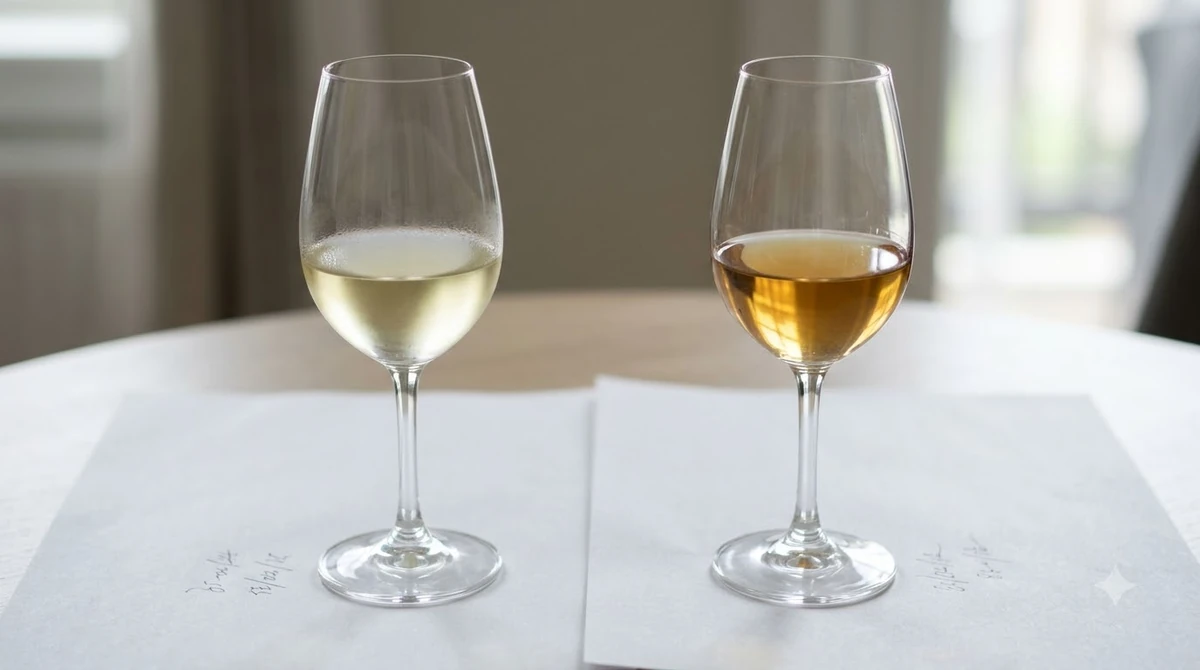
Budget-conscious buyers will usually get the clearest comparison from the standard Dr. L Riesling or the estate’s Dry Riesling. These bottles are a practical introduction to the producer’s Mosel profile without requiring a large spend or a detailed knowledge of German vineyard names. Shoppers with more flexibility can move to Blue Slate Kabinett for a more specific site character and a different balance of fruit, acidity, and sweetness.
Collectors and gift buyers should pay closer attention to named vineyards and vintage. Dr. Loosen’s official site describes its Central Mosel vineyards through different soils, including blue slate, red slate, and volcanic rock, and identifies sites such as Wehlener Sonnenuhr, Ürziger Würzgarten, and Erdener Prälat. These names are not decorative extras: they identify specific origins and can signal greater site specificity, rarity, and price. For a broader view of how this producer fits among German estates, the site’s Wine Brands coverage can help put the bottle in context.
Key Factors to Compare
The most useful price comparison starts with the exact bottling and vintage, not just the words “Dr. Loosen Riesling.” Dr. L, Dry Riesling, Blue Slate Kabinett, and a named-vineyard Spätlese are different buying propositions, even though they share a producer and grape. The table below gives typical U.S. retail ranges for 750 ml bottles, using tracked retailer listings and recent vintages where relevant; it is a guide to the market rather than a guaranteed shelf price.
| Bottling | Typical U.S. retail range | What the price is buying |
|---|---|---|
| Dr. L Riesling | About $10 to $18, based on VinoAlert’s tracked U.S. retail offers. | Accessible, everyday Mosel Riesling; a sensible first bottle. |
| Dr. Loosen Dry Riesling | About $11 to $18, based on VinoAlert’s tracked U.S. retail offers. | A drier profile for shoppers who prefer less apparent sweetness. |
| Blue Slate Riesling Kabinett | About $17 to $25, based on VinoAlert’s U.S. listings across retailers. | A named slate expression with Kabinett weight and balancing acidity. |
| Wehlener Sonnenuhr Riesling Spätlese | About $29 to $37 for recent U.S. retail listings, according to VinoAlert. | A named-vineyard wine with greater concentration and vintage variation. |
| Erdener Treppchen Riesling Spätlese | About $28 to $36 for the vintages tracked by Caveau’s U.S. shop-price survey. | A single-vineyard option for shoppers seeking more site definition. |
These ranges are deliberately rounded. VinoAlert’s Dr. L price tracker compares multiple retail offers, while Caveau distinguishes vintage-specific shop listings, so snapshots can differ with availability and the exact vintage compared. Prices vary by state and retailer, and shipping costs, local inventory, bottle size, and vintage can change the checkout total. A lower price on a different vintage is not automatically a better comparison; check that the bottle is the same cuvée and that the seller is offering the same size.
Three factors explain the gap: a regional wine generally costs less than a named-vineyard bottling; a more concentrated style can sit above a straightforward dry wine; and an older vintage may cost more because fewer bottles remain. Age alone, however, does not prove quality or good storage.
Step-by-Step: How to Choose a Bottle
A good purchase starts by deciding what sweetness and weight you want, then narrowing the choice by vineyard and budget. Follow these steps in order and compare the full label rather than relying on the producer name or the largest number printed on the front.
- Set the occasion and budget. Decide whether the bottle is for a casual glass, a meal, or a gift. Start with Dr. L or Dry Riesling for everyday use; reserve higher tiers for a style difference you want.
- Choose dry or fruit-sweet. Look for “Trocken” when you want a dry German Riesling. Kabinett or Spätlese alone does not tell you the finished wine’s sweetness.
- Read the Prädikat separately. Kabinett, Spätlese, and Auslese describe grape ripeness at harvest, not a fixed level of residual sugar. Wine Folly’s German Riesling label guide explains the terms.
- Decide whether vineyard origin matters. A regional bottling is often enough for a casual meal. Choose Blue Slate or Wehlener Sonnenuhr for a clearer expression of vineyard character.
- Compare the same vintage across stores. Match the year, bottle size, and cuvée, then compare the total including delivery and local taxes where relevant.
- Use alcohol as a supporting clue. Alcohol percentage does not establish sweetness by itself; see the guide to Dr. Loosen Riesling alcohol content for more context.
- Buy from a careful seller. For an older or expensive bottle, ask about storage and shipping; a small saving is not compelling if the wine has been exposed to heat.
For a first purchase, a dry option is flexible with food, while Kabinett suits drinkers who enjoy fruit sweetness balanced by acidity. For a gift, choose a style the recipient drinks; the broader Dr. Loosen wine selection makes the differences easier to compare.
Tip: When comparing two bottles, make sure both are the same vintage, bottle size, and style category. A $10 difference between a regional Dry Riesling and a named-vineyard Spätlese is not a like-for-like comparison.
Types and Styles Explained
Dr. Loosen’s range is easier to understand when you separate sweetness terms, harvest classifications, and vineyard names. The estate’s portfolio includes dry, off-dry, and more concentrated Riesling expressions from Central Mosel sites. These categories help explain what a higher price may represent.
Dr. L and Dry Riesling
Dr. L Riesling is an approachable entry point for shoppers who want a Mosel style at an accessible price. Dr. Loosen Dry Riesling suits people who prefer a clearly dry profile. Dry Riesling works with dishes where sweetness would distract, while a fruitier wine can suit chili heat, ginger, or a slightly sweet sauce.
Blue Slate Kabinett
Blue Slate Kabinett gives the buyer a more specific origin cue. Total Wine describes it as coming from blue-slate villages including Bernkastel, Graach, and Wehlen, with white-peach fruit, floral notes, and flinty mineral character. Kabinett is traditionally the lightest Prädikat level, but it can be dry or off-dry, so the term does not guarantee a particular sweetness level.
Named-vineyard Spätlese
Wehlener Sonnenuhr and Erdener Treppchen are named vineyard bottlings for buyers who want to explore site differences. Spätlese means late harvest and indicates riper grapes than Kabinett, but the finished wine can still vary in sweetness. The premium reflects origin, selection, style, vintage, and availability rather than one quality score; the extra concentration can suit aromatic spice or a touch of sweetness in food.
GG and other site-specific wines
The estate also presents dry wines under the VDP.Grosse Lage and GG classifications. Dr. Loosen explains that its GG wines come from selected top vineyard sites, while the VDP framework places origin and terroir at the center of classification. These are not simply sweeter versions of Kabinett or Spätlese; they are dry wines from designated sites. That difference is important for shoppers who see a higher vineyard classification and assume it predicts sweetness.
Common Mistakes
The most common mistake is treating Kabinett, Spätlese, and Auslese as a sweetness scale for the finished wine. Those terms describe grape ripeness at harvest, and German Riesling can be fermented to different levels of dryness. “Trocken” is the clearest cue for dry style; without it, consider the producer’s description and the alcohol level as clues, not guarantees. This distinction prevents the disappointment of bringing home a wine that is technically excellent but sweeter than the buyer expected.
Another mistake is assuming every Dr. Loosen bottle has the same profile because the grape variety is Riesling. A crisp Dry Riesling and a fruit-sweet Kabinett can feel very different in the glass, even before vineyard site is considered. Similarly, a Blue Slate label and a Wehlener Sonnenuhr label are not interchangeable descriptions. The producer identifies blue slate, red slate, and volcanic rock among its vineyard soils; those terms help explain the diversity of its wines rather than merely decorating the label.
Shoppers also compare current releases with older vintages without accounting for supply or storage. A tracker may combine vintages and sellers, while a retailer page may show one bottle at one location. Compare like with like and be wary of old bottles with uncertain provenance; an entry-level Riesling may suit your palate better than a premium Spätlese if you prefer dry wine.
Care and Storage Tips
Serve most Dr. Loosen Rieslings well chilled, but not so cold that the aromas disappear. A practical range for light white wines is 45 to 50 degrees F; sweeter whites can be served around 43 to 50 degrees F. If the bottle is very cold, let it sit briefly before pouring so citrus, stone-fruit, floral, and mineral notes can emerge.
Store unopened bottles in a cool, dark place near 55 degrees F. Keep cork-finished bottles on their side for longer storage, and avoid a sunny counter, warm garage, or repeated temperature swings. These precautions matter especially for expensive single-vineyard wines and older vintages.
After opening, reseal the bottle and refrigerate it; most still wines keep for roughly 3 to 5 days, although freshness declines gradually. Use a smaller container when little wine remains to reduce the air in contact with it. For food, match sweetness and acidity to the dish: fruit-sweet Kabinett can work with spicy Asian food, while dry Riesling fits seafood, poultry, citrus, and herbs. Acidic foods need comparable acidity, and a dessert should not be sweeter than the wine.
Frequently Asked Questions
These answers clarify how to interpret Dr. Loosen’s vineyard classifications, other wine styles, and vintage differences when comparing bottles.
What does GG mean on a Dr. Loosen label?
GG is short for Grosses Gewächs, a VDP designation for a dry wine from a Grosse Lage vineyard. It identifies a dry style and a top vineyard origin, rather than a late-harvest sweetness level. Dr. Loosen lists sites such as Wehlener Sonnenuhr, Ürziger Würzgarten, and Erdener Prälat among the vineyards associated with its top-tier wines.
Does Dr. Loosen make wines other than Riesling?
Yes. The producer’s current catalog also includes Pinot Blanc, red wines, rosé, sparkling wines, alcohol-free wines, and specialty products. Riesling remains the central focus of its identity, but the estate’s range is not limited to one grape or one color.
What does Feinherb mean on a German wine label?
Feinherb is an unofficial German term commonly used for an off-dry style. Unlike Trocken, it is not a tightly defined legal sweetness category with one fixed residual-sugar threshold. Its presence is a cue to expect some noticeable fruit sweetness rather than a fully dry finish.
How many glasses are in a standard Dr. Loosen bottle?
A standard 750 ml bottle yields about five 5-ounce pours. That makes one bottle suitable for a small tasting among several people, although pour size can vary with the occasion and glassware. A 5-ounce measure also makes it easier to compare two Riesling styles side by side.
Does an older Dr. Loosen vintage always cost more?
No. Retail prices depend on the specific wine, vintage demand, remaining supply, and the seller’s condition and storage information. An older bottle can be more expensive because it is scarce, but a newer vintage may cost more when its release price or current availability is higher.
The best Dr. Loosen purchase is the bottle whose sweetness, vineyard origin, and price match the way it will be served. Start with Dr. L or Dry Riesling for a straightforward introduction, move to Blue Slate Kabinett for a more site-focused style, and choose a named-vineyard Spätlese when you want greater concentration and complexity. Comparing the same vintage across retailers will give you a more useful price benchmark than choosing by label prestige alone.
More in Wine Brands
 Hess Select Wine Price: Compare Bottles and Find Your Best ValueUpdated Nov 21, 2026
 Grahams Port Price: Compare Bottles and Choose the Right PortUpdated Nov 21, 2026
 Grahams Port Review: Find the Right Style for Your TasteUpdated Nov 21, 2026
 Goldeneye Wine Review: Explore Its Pinot Noir Styles and QualityUpdated Nov 21, 2026
 Georges Duboeuf Beaujolais Nouveau Review: Flavor, Pairing, and Serving TipsUpdated Nov 21, 2026
 Gruet Wine Price: Compare Bottles and Find the Right Sparkling WineUpdated Nov 21, 2026