

We may earn a commission when you buy through links on this page, at no extra cost to you. Learn more.
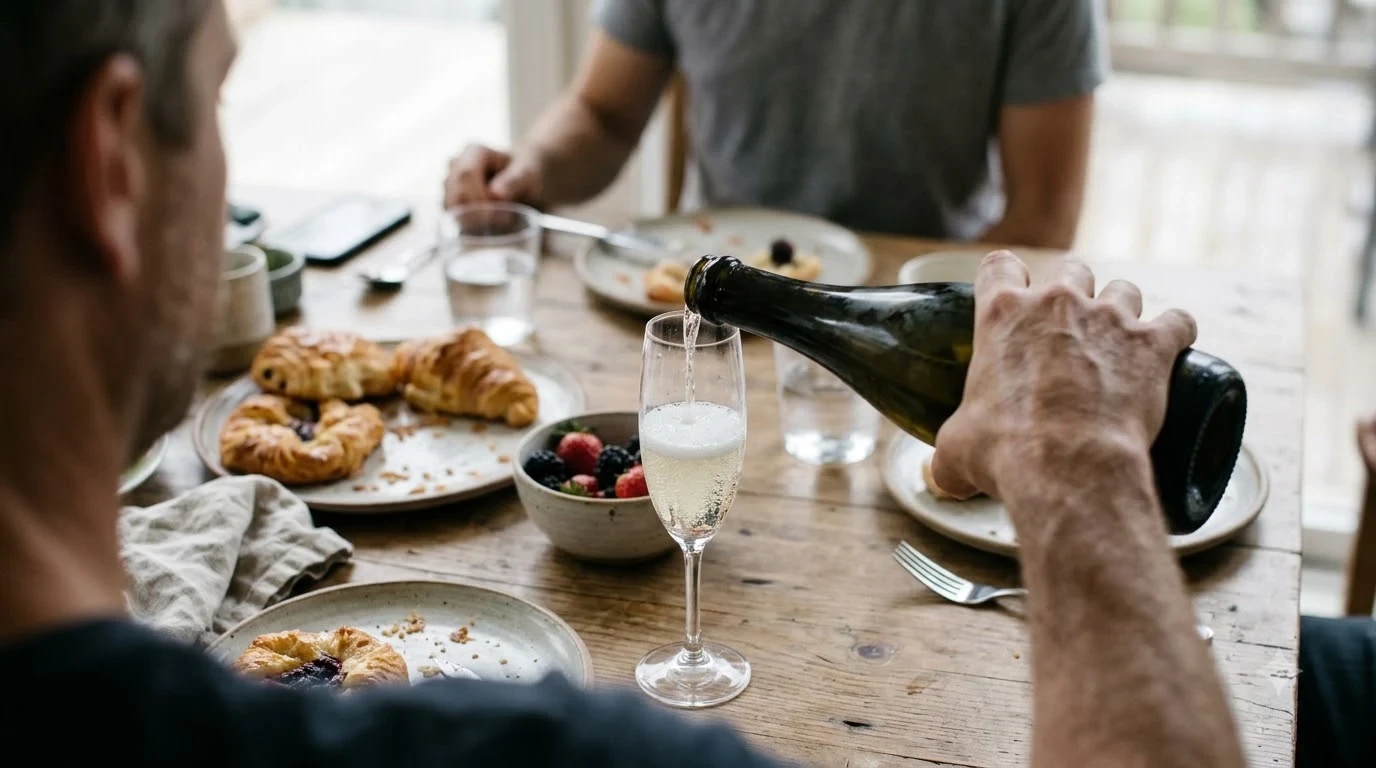
The dreaming tree wine price typically falls around $12 to $20 for a standard 750 ml bottle, depending on the varietal, vintage, retailer, and location. Popular choices such as Crush Red Blend, Cabernet Sauvignon, Pinot Noir, and Chardonnay generally occupy the approachable everyday-wine category. The standard range makes Dreaming Tree an option for casual dinners, entertaining, and stocking a home wine collection without moving into premium-priced territory. Specialty bottlings and less commonly available wines can cost more.
Dreaming Tree appeals to shoppers looking for California wine with recognizable grape varieties, fruit-forward flavors, and relatively accessible retail pricing. Its lineup includes both red and white wines, along with Rosé and the popular Crush Red Blend. However, the price of one bottle does not necessarily tell the whole story. Vintage, retailer markup, regional availability, and the particular wine all influence what appears on the shelf. This guide explains typical US price expectations, compares the main styles, and provides practical steps for choosing a bottle that suits your budget and dinner plans.
Who This Price Guide Is For
Dreaming Tree is worth considering for shoppers who want approachable California wines without committing to expensive bottles. Its core lineup includes six distinct styles, making it possible to choose between fruit-forward reds, refreshing whites, and a lighter Rosé for different occasions.
This guide is particularly useful for people comparing everyday wine purchases. Someone shopping for a weeknight dinner might prefer a familiar Cabernet Sauvignon or Chardonnay, while a host planning a casual gathering might find Crush Red Blend easier to serve to guests with different preferences. The brand’s emphasis on approachable fruit flavors also makes it relevant to shoppers who do not necessarily want highly structured, age-worthy wines.
According to the official Dreaming Tree wine lineup, the producer presents its bottles as wines intended for enjoyment today rather than extended cellar storage. That positioning is important when evaluating value. A bottle does not have to be expensive or designed for aging to serve a useful purpose at the dinner table. The relevant question is whether its flavor, style, and price match the occasion.
First-time buyers can also use the lineup to explore familiar grape varieties. Cabernet Sauvignon offers a more structured red-wine experience, Pinot Noir provides a lighter alternative, and Chardonnay offers a fuller white-wine option. Sauvignon Blanc and Rosé suit occasions where freshness is more important than richness.
Shoppers who already enjoy the brand can use the price comparisons to decide whether to repurchase a familiar bottle or try another varietal. For a broader understanding of the different styles, the individual wines can be compared by grape variety, flavor profile, and food-pairing suitability.
Dreaming Tree may be less suitable for someone specifically seeking collectible wine, unusual small-production bottlings, or complex reds intended for years of bottle aging. Its central appeal is accessibility and immediate enjoyment. Understanding that distinction helps prevent shoppers from paying for a style they do not actually need.
Key Factors That Determine Dreaming Tree Wine Price
The main factors affecting Dreaming Tree wine price are the varietal, bottle size, vintage, retail channel, and regional availability. Comparing these details before buying is more useful than assuming every bottle in the lineup should cost the same.
| Wine or category | Typical US retail range | What influences the purchase |
|---|---|---|
| Crush Red Blend | About $12–$18 per 750 ml | Fruit-forward blended red style |
| Cabernet Sauvignon | About $12–$20 per 750 ml | Structured red with dark-fruit character |
| Pinot Noir | About $12–$20 per 750 ml | Lighter-bodied red with berry flavors |
| Chardonnay | About $12–$20 per 750 ml | Apple, lemon, and toasted-oak character |
| Sauvignon Blanc | About $12–$20 per 750 ml | Fresh citrus and tropical-fruit profile |
| Rosé | About $12–$20 per 750 ml | Light, fruit-driven pink wine |
| Reserve or specialty bottlings | About $20–$40 or more per 750 ml | Specific bottling and limited retail availability |
These are practical shopping ranges rather than guaranteed prices for every bottle. Vino Alert’s tracked US retail listings place Crush Red Blend around $12 to $18 for many standard 750 ml offers, with a reported average near $14 across its displayed offers; prices vary by state and retailer. Its listings also show that individual vintages and less typical offers can sit outside the central range. Vino Alert’s Crush Red Blend price comparison is useful for understanding those differences.
Varietal is one of the first details to compare. A familiar Cabernet Sauvignon may have a different retail position from a standard Chardonnay, even though both are part of the same brand. Crush Red Blend has its own identity as a blended wine, and its availability can vary from one store to another. Specialty bottlings should not automatically be compared with the regular lineup because they may represent a different production and distribution category.
Bottle size is another important factor. The standard 750 ml format is the most useful basis for comparing ordinary retail offers. A 750 ml bottle provides approximately five standard 5 oz glasses, so it is also a practical way to compare the cost of serving wine at a dinner or small gathering. Larger formats, where available, should be evaluated separately rather than compared directly with single-bottle listings.
Vintage matters because wine from different harvests is not necessarily identical. Retailers may have older stock, newer releases, or non-vintage listings. A price comparison that combines these bottles without distinguishing their vintages can give a misleading impression of what a particular wine should cost.
Finally, retailer location and distribution can make a noticeable difference. Wine shipping laws, state taxes, local competition, and store purchasing arrangements influence shelf prices. A retailer in one state may carry a bottle at a different price from a store elsewhere, even when both list the same wine and bottle size.
Tip: Compare the same varietal, vintage, and 750 ml bottle size before deciding whether a Dreaming Tree listing represents reasonable value. A lower displayed amount is not automatically comparable if the bottle or vintage is different.
Step-by-Step: How to Compare Prices Before Buying
A reliable comparison starts with the exact wine name and ends with the total purchase cost. Five straightforward steps can help shoppers avoid comparing different bottlings or overlooking retailer-specific charges.
-
Choose the wine style first.
Decide whether you want Crush Red Blend, Cabernet Sauvignon, Pinot Noir, Chardonnay, Sauvignon Blanc, or Rosé. These wines have different flavor profiles and are not interchangeable simply because they share a producer. If you are buying for dinner, start with the food rather than choosing whichever bottle appears cheapest.
-
Confirm the bottle size.
Use a 750 ml bottle as your standard comparison point. This is the common format for the core lineup and gives you a consistent basis for evaluating retail offers. If a store lists another format, calculate its equivalent cost per 750 ml before comparing it with a regular bottle.
-
Compare the vintage.
Look at the vintage printed in each listing. A 2023 bottle and a non-vintage listing should not automatically be treated as identical. Differences in stock age and the specific release can affect both availability and price.
-
Check several retailers.
Compare local wine shops, larger beverage retailers, and reputable online wine sellers where shipping is permitted. Look for the same bottling rather than relying on broad brand searches. For example, a listing for Crush Red Blend should not be compared with a different Dreaming Tree red wine simply because both are red.
-
Calculate the complete cost.
Include applicable shipping, taxes, delivery charges, and any purchase requirements. A bottle listed at a lower shelf price may become more expensive after delivery costs are added. If you are buying several bottles, compare the total cost rather than concentrating on the advertised per-bottle amount.
It also helps to distinguish an ordinary retail offer from an unusually high listing. Wine price comparison services may include bottles with limited availability, unusual vintages, or sellers in different distribution markets. These listings can widen the displayed price range without representing what most shoppers should expect to pay.
For instance, Total Wine lists its Crush Red Blend in a standard 750 ml format and explicitly states that price, vintage, and availability can vary by store. This is a useful reminder that a retailer’s displayed listing is not a universal national price. Local inventory can change what a shopper actually encounters.
Buyers should also decide how many bottles they need before comparing multi-bottle offers. Purchasing six bottles for a gathering may make sense, but it is not necessarily a better financial decision for someone who only wants one bottle for dinner. The right comparison reflects the amount of wine you will actually use.
For shoppers exploring the wider range of producers in this category, the Wine Brands resource can provide additional context for comparing familiar labels and different wine styles.
Dreaming Tree Wine Types and Their Typical Costs
The Dreaming Tree lineup covers several familiar wine styles, each with a different flavor profile and food-pairing purpose. The right choice depends on whether you prefer dark fruit, lighter red berries, citrus-driven whites, or a versatile blended red.
Crush Red Blend
Crush Red Blend is one of the most recognizable choices in the lineup. The producer describes it with jammy raspberry and dark cherry flavors, while Total Wine identifies caramel oak, mixed berries, juicy raspberry, and approachable tannins in its product description.
Vino Alert identifies Merlot, Petite Sirah, Zinfandel, and Tannat among the grapes associated with this blend. Those varieties help explain why the wine can offer both ripe fruit and a more substantial red-wine structure. It is a useful option for shoppers who want a red blend rather than a single-varietal wine.
The typical US retail expectation is about $12 to $18 for a 750 ml bottle, according to Vino Alert’s tracked retail listings. Prices vary by state and retailer, and individual vintages may fall outside this range.
Crush is a practical choice for casual dinners, pizza, burgers, and grilled foods. Its fruit-driven character makes it relatively versatile at a table where guests have different preferences. Readers looking for more details about this bottling can explore the Dreaming Tree Crush overview.
Cabernet Sauvignon
Cabernet Sauvignon is the more structured red-wine choice in the core lineup. The producer describes blackberry and plum as its main fruit characteristics. Cabernet generally has high tannin, which gives it a firmer mouthfeel than softer red varieties.
That structure makes it a natural companion for grilled beef, lamb, and other substantial dishes. Salt and fat can soften the perception of tannin, so a Cabernet can work particularly well with a rich burger or a fatty cut of steak. It is less suitable for delicate seafood, especially oily fish, where tannic red wine can create an unpleasant pairing.
A practical US shopping expectation is about $12 to $20 per 750 ml bottle, based on the range of Dreaming Tree Cabernet listings tracked by Vino Alert and the standard retail positioning of the lineup. Prices vary by state and retailer. A specialty or Reserve bottling should be assessed separately from the standard Cabernet.
Cabernet is a sensible purchase for someone who enjoys fuller reds and wants a bottle for a substantial meal. For a lighter option, Pinot Noir may be a better fit.
Pinot Noir
Dreaming Tree Pinot Noir offers a lighter red-wine alternative. The producer describes strawberry, cherry, and a hint of spice, which makes this varietal a natural choice for people who prefer fresh berry flavors over the heavier dark-fruit profile of Cabernet.
Pinot Noir generally has low-to-medium tannin and high acidity. That combination makes it more adaptable to dishes such as roast chicken, mushroom pasta, salmon, and pork. It can also be served slightly cooler than a full-bodied red.
Expect approximately $12 to $20 for a standard 750 ml bottle in the US market, based on Vino Alert’s tracked Dreaming Tree varietal listings. Prices vary by state and retailer, and particular vintages may command different amounts.
For shoppers who want a red wine for a mixed menu, Pinot Noir can be a more flexible choice than a heavily structured Cabernet. It is especially useful when the meal includes poultry, mushrooms, or moderately rich sauces.
Chardonnay
Chardonnay is the richer white-wine option in the main range. Dreaming Tree describes its version with apple, lemon, and a hint of toasted oak. The combination makes it a useful alternative to sharper, more citrus-dominant white wines.
Chardonnay generally has medium acidity, so it can work with roast chicken, creamy pasta, seafood, and dishes with butter-based sauces. The oak element may complement roasted or grilled flavors, although the wine should not overpower a delicate dish.
Its typical US retail range is about $12 to $20 for a 750 ml bottle, based on tracked Dreaming Tree retailer listings. Prices vary by state and retailer. Shoppers should distinguish the standard Chardonnay from any specialty or regional bottling before comparing offers.
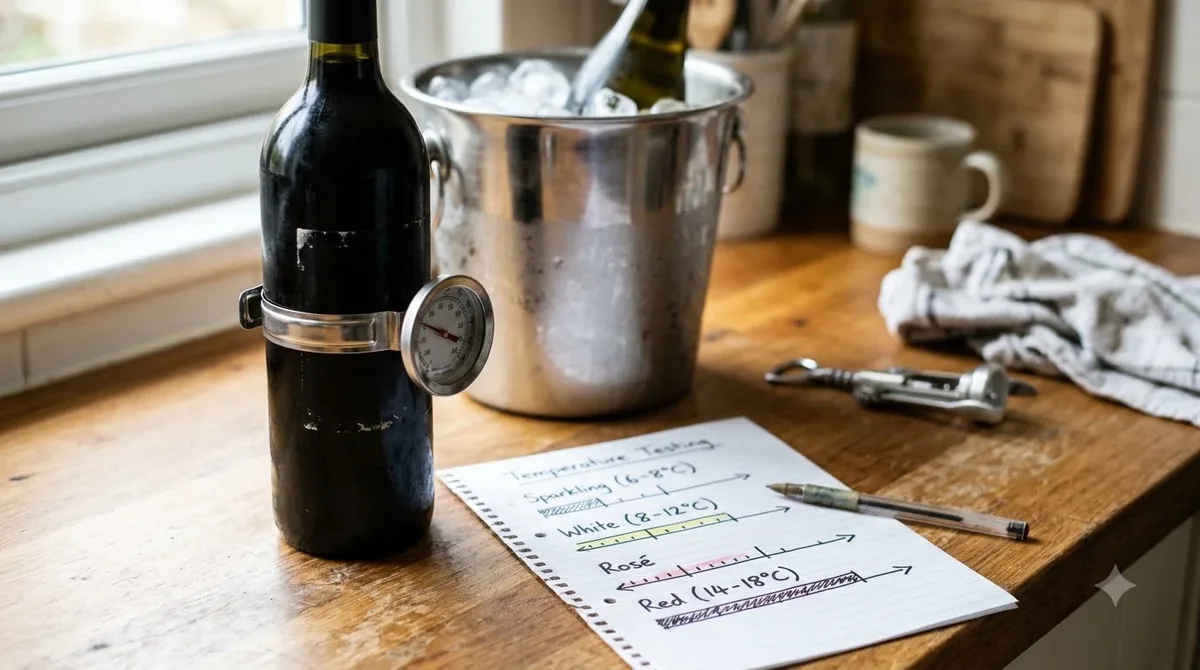
Serve a fuller Chardonnay around 50 to 55 degrees Fahrenheit. This temperature allows its texture and fruit character to show without making the wine feel excessively warm.
Sauvignon Blanc
Sauvignon Blanc provides a fresher, more aromatic alternative to Chardonnay. The producer describes citrus, pineapple, and grapefruit flavors, making it a useful choice for people who prefer lively white wines.
Sauvignon Blanc generally has high acidity. That freshness makes it suitable for salads, goat cheese, shellfish, grilled vegetables, and dishes with citrus-based sauces. It can also balance the richness of fried foods because its acidity refreshes the palate.
A typical shopping expectation is about $12 to $20 for a standard 750 ml bottle, based on tracked retail listings for Dreaming Tree Sauvignon Blanc. Prices vary by state and retailer. Availability can be less consistent in some markets than that of the most familiar red varieties.
Serve it around 45 to 50 degrees Fahrenheit. This temperature keeps the wine refreshing while allowing its aromatic fruit character to remain noticeable.
Rosé
Dreaming Tree Rosé is the lighter, pink-wine option in the core lineup. The producer identifies strawberry, watermelon, and nectarine as its characteristic fruit flavors. It suits warm-weather meals, outdoor gatherings, and lighter menus.
Rosé can be especially useful when a table includes both white-wine and red-wine drinkers. Its fruit character and refreshing serving temperature offer a middle ground without the tannic structure of a full-bodied red.
Budget approximately $12 to $20 for a 750 ml bottle in the US market, based on the brand’s tracked retail positioning. Prices vary by state and retailer, and local stock can influence the actual range.
Serve Rosé around 45 to 50 degrees Fahrenheit. It pairs well with grilled chicken, salads, seafood, vegetable dishes, and lightly seasoned appetizers.
Common Mistakes When Comparing Bottle Prices
The most common shopping mistakes involve comparing different wine styles, overlooking vintage differences, and treating one retailer’s listing as the standard market price. A careful comparison should account for the actual bottle rather than the brand name alone.
One frequent mistake is assuming all Dreaming Tree wines should have identical retail prices. Cabernet Sauvignon, Pinot Noir, Chardonnay, and Crush Red Blend are different products with different distribution patterns. A price difference does not necessarily mean one bottle represents poor value or that another has superior quality.
Another mistake is confusing standard bottlings with specialty releases. The standard Cabernet Sauvignon and Reserve Cabernet Sauvignon are separate entries in Vivino’s Dreaming Tree winery listing. Their prices should not be treated as directly interchangeable. The same principle applies to other specially identified regional or reserve wines.
Buyers can also be misled by unusually expensive online listings. A bottle with limited stock or unusual availability might appear at a much higher price than the more commonly stocked version. That does not establish a normal retail benchmark. Checking multiple retailers gives a better picture of the ordinary market.
Some shoppers focus exclusively on the displayed bottle price and forget shipping. This is particularly relevant when purchasing wine online. Shipping restrictions and fees differ across states, and some retailers require minimum orders. A single inexpensive bottle may not make financial sense if delivery charges are substantial.
Another error is choosing a wine only because it is the least expensive option. A Sauvignon Blanc and a Cabernet Sauvignon serve different purposes. If the meal is grilled steak, the Cabernet may be a more appropriate purchase even if the Sauvignon Blanc is available at a similar price. The better value is the wine that suits the occasion.
Finally, shoppers sometimes buy too much wine because a multi-bottle offer appears attractive. A six-bottle purchase is useful for regular drinkers or a planned gathering, but it may be unnecessary for someone who drinks wine occasionally. Consider the amount needed, storage conditions, and intended drinking period before purchasing a larger quantity.
These considerations are particularly important when choosing between Dreaming Tree red wine options. A blend, Cabernet, and Pinot Noir can all serve different meals, so the cheapest listing should not automatically determine the decision.
Storage and Serving Tips for Better Value
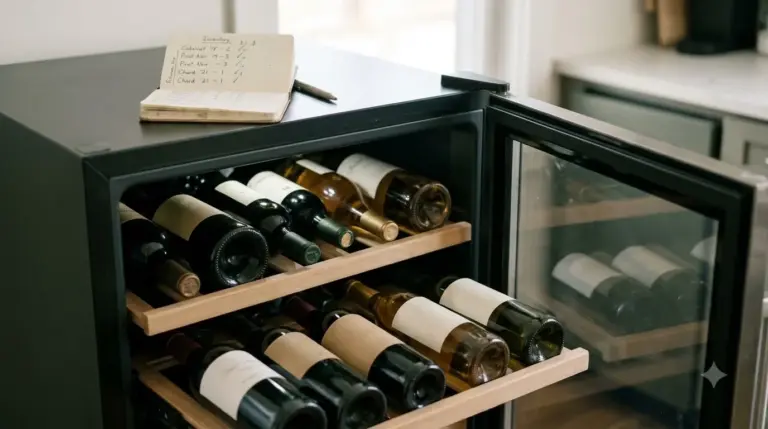
Proper storage and serving can help preserve the quality of a bottle after purchase. Dreaming Tree is positioned for relatively immediate enjoyment, so there is generally little reason to buy its core wines with the intention of extended cellar aging.
For unopened bottles, choose a cool, dark location away from direct sunlight and significant temperature fluctuations. A storage temperature near 55 degrees Fahrenheit is a useful general target for wine. Bottles with cork closures are best stored on their sides to help keep the cork from drying out.
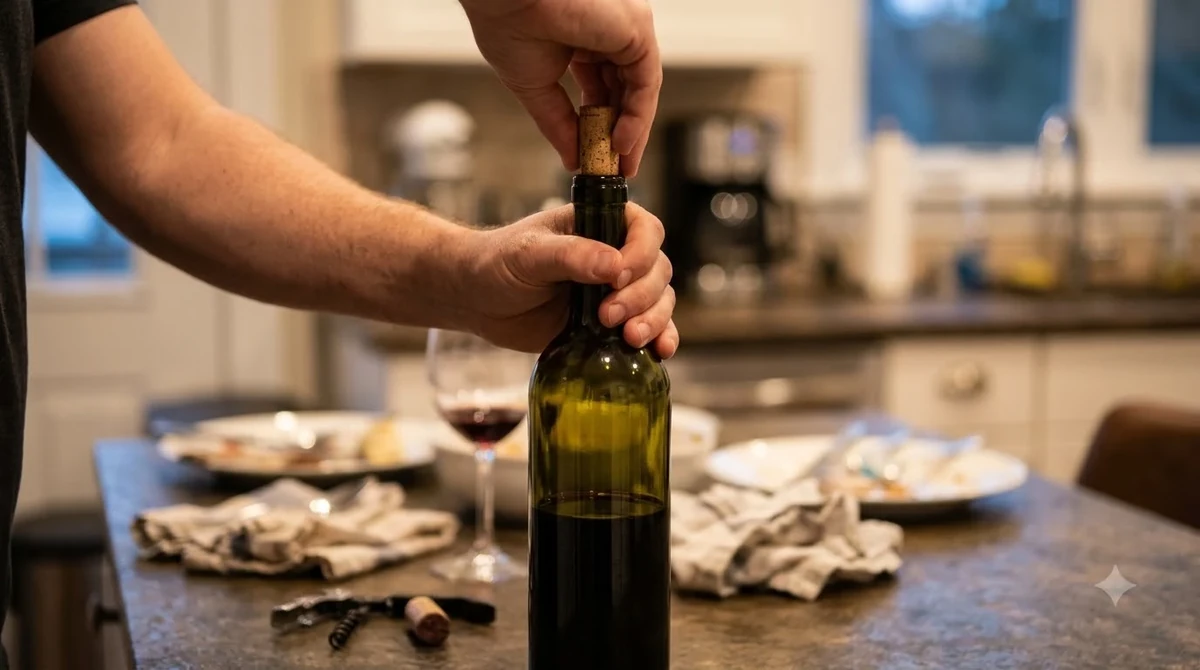
Once opened, still wines generally keep for about three to five days in the refrigerator when properly resealed. Refrigeration slows oxidation, although the wine’s aroma and freshness will gradually change. If a bottle has been open for several days, smell and assess it before serving rather than assuming it will taste exactly as it did when first opened.
Serving temperature also makes a difference. Full-bodied red wines such as Cabernet Sauvignon generally show better around 60 to 65 degrees Fahrenheit than at a warm room temperature. Lighter reds such as Pinot Noir are better around 55 to 60 degrees Fahrenheit.
For white wines, Chardonnay is generally best around 50 to 55 degrees Fahrenheit, while Sauvignon Blanc and Rosé are usually more refreshing around 45 to 50 degrees Fahrenheit. Avoid serving every wine straight from a very cold refrigerator because excessive chilling can mute aromas and flavor.
A standard 750 ml bottle contains approximately five 5 oz servings. That makes it relatively easy to estimate quantities for dinner. For a gathering of 10 adults, for example, two bottles provide approximately 10 standard servings. A larger event may require additional bottles depending on the number of guests who drink wine and the length of the meal.
Food pairing is another way to get more enjoyment from an affordable bottle. Match the wine’s structure to the food rather than trying to make one bottle work with everything. Cabernet Sauvignon suits richer meat dishes, Pinot Noir works with poultry and mushrooms, and Sauvignon Blanc complements fresh, acidic foods.
Pay attention to sweetness and acidity as well. A wine should generally be at least as sweet as a dessert to avoid tasting excessively sharp beside it. Foods with strong acidity work better with wines that have equal or higher acidity. Chili heat can feel more pronounced with wines that have higher alcohol and tannin, so lighter, fresher styles may be more comfortable alongside spicy dishes.
For everyday use, opening a bottle shortly before dinner is usually sufficient. Young, full-bodied reds may benefit from 30 to 60 minutes of decanting, but a lighter Pinot Noir or a fresh white generally does not require that treatment. These small serving decisions help the wine show its intended characteristics without adding unnecessary equipment or expense.
Frequently Asked Questions
How many glasses are in a bottle of Dreaming Tree wine?
A standard 750 ml bottle contains approximately five servings when poured in 5 oz portions. A smaller tasting pour of 2.5 oz provides around 10 servings. The number of actual glasses depends on the size of the glass and how generously each serving is poured.
Does Dreaming Tree make wine in larger bottle formats?
The commonly listed retail format for the core wines is 750 ml. Larger formats may depend on the particular release and retailer distribution. Shoppers looking for a larger bottle should confirm the listed volume before comparing it with standard single-bottle offers.
Is Dreaming Tree Crush Red Blend made from just one grape?
No. Vino Alert associates the blend with Merlot, Petite Sirah, Zinfandel, and Tannat. The combination of varieties contributes to a different style from a single-varietal Cabernet Sauvignon or Pinot Noir.
Does Dreaming Tree have a Reserve Cabernet Sauvignon?
Yes. Vivino lists Dreaming Tree Reserve Cabernet Sauvignon separately from its standard Cabernet Sauvignon. This distinction matters when comparing retail listings because a Reserve bottling should not be assumed to have the same pricing or positioning as the regular wine.
Can Dreaming Tree wine be used for cooking?
Yes. Dry styles such as Cabernet Sauvignon, Pinot Noir, and Chardonnay can be used in suitable recipes, including pan sauces, braises, and reductions. Use a wine whose flavor complements the dish, and avoid relying on a large quantity of wine to compensate for an unbalanced recipe.
Dreaming Tree offers a practical range of California wines for shoppers who prioritize approachable flavors and everyday value. A standard 750 ml bottle generally fits a modest retail budget, with the exact cost depending on the varietal, vintage, and retailer. Compare equivalent bottles, choose the style that suits your food and preferences, and consider the complete purchase cost before deciding which Dreaming Tree wine belongs in your cart.
More in Wine Brands
 Hampton Water Wine Price: Understand Bottle Costs and ValueUpdated Nov 21, 2026
 Hess Select Wine Price: Compare Bottles and Find Your Best ValueUpdated Nov 21, 2026
 Grahams Port Price: Compare Bottles and Choose the Right PortUpdated Nov 21, 2026
 Grahams Port Review: Find the Right Style for Your TasteUpdated Nov 21, 2026
 Goldeneye Wine Review: Explore Its Pinot Noir Styles and QualityUpdated Nov 21, 2026
 Georges Duboeuf Beaujolais Nouveau Review: Flavor, Pairing, and Serving TipsUpdated Nov 21, 2026