

We may earn a commission when you buy through links on this page, at no extra cost to you. Learn more.
The chalk hill wine price typically ranges from about $14 to $160 per 750 ml bottle, depending on whether you mean a widely distributed Sonoma Coast Chardonnay or a special-release Chalk Hill Estate wine, based on listings from Luekens Liquors and Foley Family Wines. Prices vary by state and retailer, and the broad spread reflects different labels, vineyard selections, and release tiers rather than one standard bottle. The most useful first step is to identify the wine name and appellation before comparing the shelf tag.
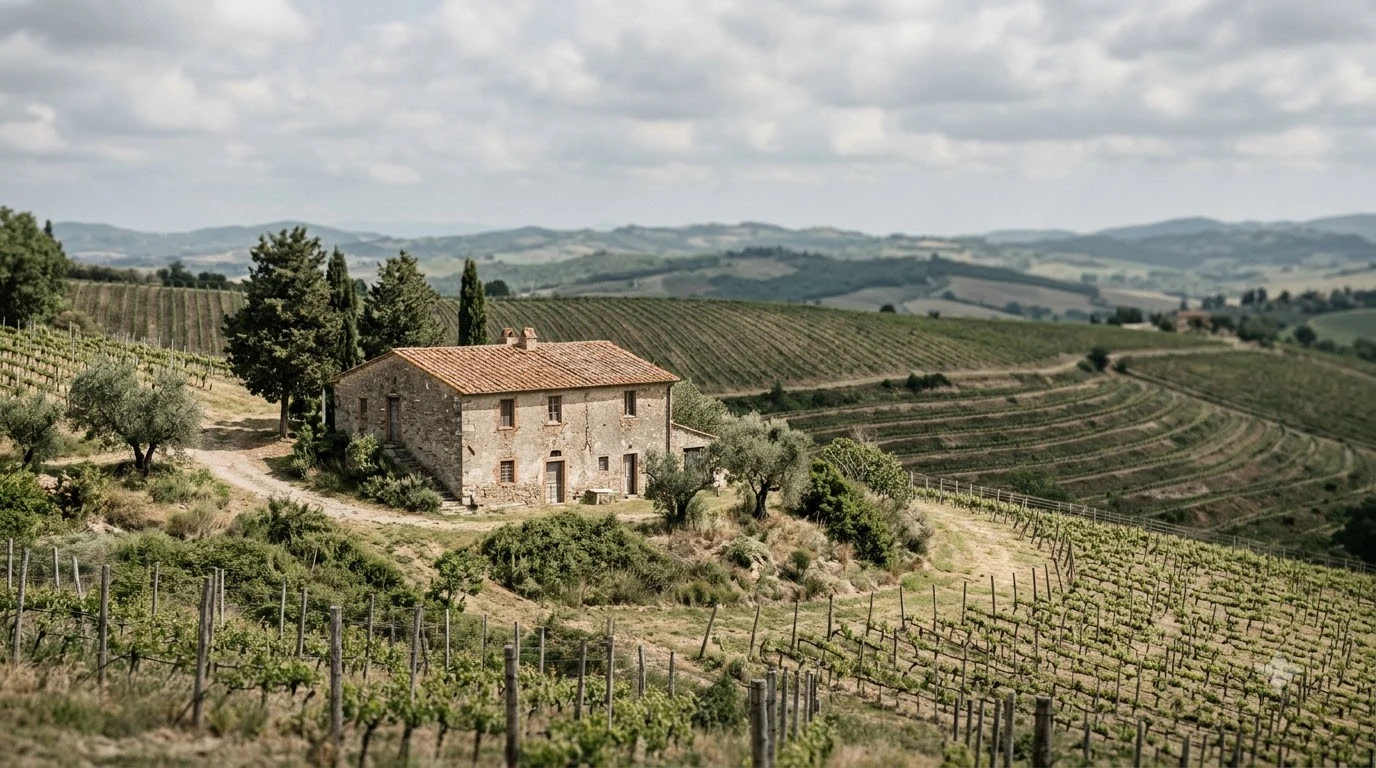
“Chalk Hill” can describe a Sonoma County wine producer, the Chalk Hill American Viticultural Area (AVA), or a wine made by another producer from grapes grown in that appellation. Those uses overlap, but they do not mean every bottle costs the same or comes from the same winery. This guide separates the widely distributed label from estate bottlings, explains which details justify a higher tier, and gives a practical way to shop without paying a premium for a name you have misread.
Who This Is For
Chalk Hill wine suits shoppers who enjoy Sonoma County Chardonnay, Sauvignon Blanc, Pinot Noir, or structured Bordeaux-inspired reds and want to compare value bottles with more site-specific estate releases. A 750 ml Sonoma Coast Chardonnay is the accessible reference point; the Chalk Hill Estate range also includes wines such as Sauvignon Blanc, Pinot Noir, Estate Chardonnay, Syrah, and Estate Red.

This guide is especially useful when a store search returns a mix of similarly named wines. A Chalk Hill Sonoma Coast Chardonnay is not automatically the same thing as a Chalk Hill Estate Chardonnay labeled with the Chalk Hill appellation, and a bottle from Rodney Strong or another producer can carry Chalk Hill as a growing-region designation without being made by Chalk Hill Estate. Start by reading the producer and appellation together, not just the two words on the front label.
Buyers planning a casual dinner may be satisfied by an approachable Sonoma Coast white, while a collector or host choosing a special bottle for a milestone meal may be looking at a single-vineyard Chardonnay or a limited red. That distinction matters more than the word “Chalk Hill” on its own. A bottle intended for a weeknight roast chicken does not need the same budget or cellar plans as a rare release selected for a gift.
Key Factors to Compare
Before comparing prices, line up the producer, appellation, grape, vintage, and bottle size. In Chalk Hill, those details can separate a value-oriented Sonoma Coast Chardonnay from a Chalk Hill Estate wine made from estate-grown fruit, and they explain why two bottles with similar names can occupy very different price tiers.
The ranges in the table are indicative US retail bands for standard 750 ml bottles, not guaranteed offers. Luekens Liquors and Total Wine list Chalk Hill Sonoma Coast Chardonnay in a roughly $14 to $17 range, and prices vary by state and retailer. Foley Family Wines lists its entry Estate Sauvignon Blanc and Pinot Noir in an approximate $20 to $30 band, while Estate Chardonnay and Estate Red sit around $40 to $65; those prices also vary by state and retailer. Foley Family Wines lists its higher-tier parcel wines and special releases in roughly a $50 to $160 range per 750 ml bottle, depending on the cuvée, and prices vary by state and retailer.
| Buying tier | Examples to compare | Indicative US price range | Source basis |
|---|---|---|---|
| Widely distributed label | Chalk Hill Sonoma Coast Chardonnay | About $14–$17 | Luekens Liquors and Total Wine retailer listings |
| Entry estate wines | Estate Sauvignon Blanc, Estate Pinot Noir | About $20–$30 | Foley Family Wines producer shop |
| Core estate bottlings | Estate Chardonnay, Estate Red | About $40–$65 | Foley Family Wines producer shop |
| Premium parcel wines | Windy Ridge Sauvignon Blanc, Syrah, Felta Chardonnay | About $50–$90 | Foley Family Wines producer shop |
| Top cuvées and reserve releases | Founder’s Block Chardonnay, William P. Foley II Cabernet Sauvignon | About $150–$160 | Foley Family Wines producer shop |
The producer’s Chalk Hill shop shows how much the estate range varies by bottling, with everyday varietal wines alongside special selections. At the value end, Luekens Liquors lists the Sonoma Coast Chardonnay as a 750 ml wine from the 2024 vintage, while Total Wine’s separate product page describes red apple, ripe pear, honeysuckle, orange peel, and a creamy texture. Retail listings can change with vintage and local stock, so use the range as a comparison tool rather than a promise that every shop will carry each tier.
Vintage also matters: cooler seasons can emphasize freshness, while warmer seasons may give Chardonnay riper orchard fruit and a broader palate. An older vintage does not automatically cost more; producer, vineyard source, release quantity, condition, and stock all matter.
Step-by-Step: Estimate the Right Bottle Price
A short, consistent shopping process helps you avoid comparing different categories as though they were equivalent. Use the following steps whether you are browsing a wine shop, checking a restaurant list, or comparing online retailers for a bottle to ship within the United States.
- Confirm the producer. Look for Chalk Hill Estate if you want the winery’s own range. If the front label names another producer, such as Rodney Strong, treat it as a separate wine even when Chalk Hill appears as the appellation or grape source.
- Read the appellation line. Sonoma Coast and Chalk Hill are not interchangeable place names. A Sonoma Coast label indicates a broader coastal growing area; a Chalk Hill AVA designation points to the specific northeastern Sonoma County appellation.
- Match the grape and style. Compare Chardonnay with Chardonnay, Sauvignon Blanc with Sauvignon Blanc, and red blends with red blends. A rich, oak-influenced Chardonnay should not be judged against a crisp Sauvignon Blanc simply because both carry the producer name.
- Check bottle size and vintage. Make sure both listings are standard 750 ml bottles. A 1.5 L magnum, older vintage, or limited release can carry a different price for reasons unrelated to the wine’s everyday value.
- Compare the same tier across retailers. Check at least two US shops for the same producer, wine name, vintage, and size. Allow for shipping, local taxes, and availability, and do not interpret a temporary stock gap as evidence that a bottle is rare or more collectible.
Use the Sonoma Coast Chardonnay as the lower-tier reference, then compare the winery’s Estate Chardonnay and Estate Red as core estate bottlings. Foley Family Wines describes its 2023 Estate Chardonnay with apple pie, baked bread, pear, peach, honeysuckle, flint, and vanilla over a creamy palate, distinguishing it from the more approachable retail label.
When two offers are hard to distinguish, ask whether each is an estate appellation bottling, a Sonoma Coast label, or a single-vineyard selection. Ask for the full wine name, vintage, size, and producer.
Types or Styles Explained
Chalk Hill is best known for Chardonnay and Sauvignon Blanc, with Cabernet Sauvignon, Merlot, Cabernet Franc, Syrah, and Pinot Noir also appearing in the wider regional and estate picture. The style you choose should follow the grape and the producer’s stated approach, not a blanket assumption that every wine from this name tastes alike.
Chardonnay: from approachable to cellar-worthy
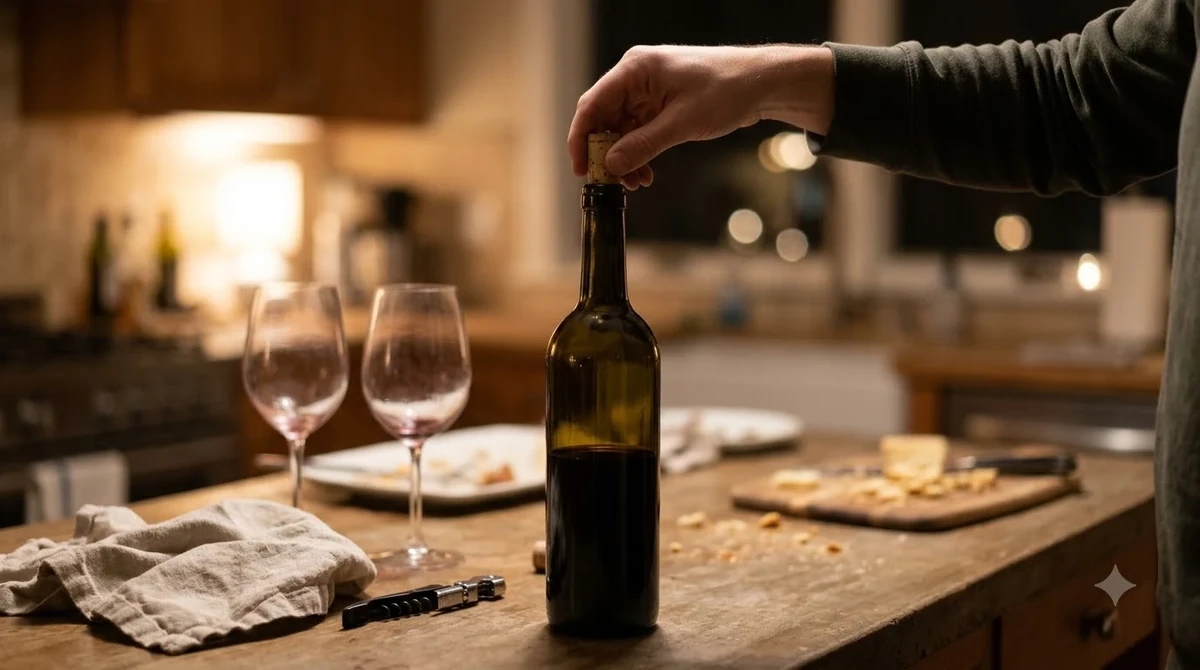
Chardonnay is the region’s signature grape and offers the widest range of price points. A Sonoma Coast bottling can show pear, apple, orange peel, toasted almond, and a creamy, balanced profile; Luekens Liquors’ listing describes its Chalk Hill Sonoma Coast Chardonnay as aged for nine months in 100% French oak, with 25% of the barrels new. That oak treatment helps explain its texture and spice, but it does not make the wine identical to the estate’s more selective Chardonnay bottlings.
The winery’s Estate Chardonnay is a step toward a more site-focused expression, while Felta, Little Patch, Winner’s Circle, Wright Creek, and Founder’s Block are distinct estate selections listed by the producer. Founder’s Block is positioned as the pinnacle Chardonnay in the portfolio, rather than a routine replacement for its regular bottling. For shoppers who specifically want this family of white wines, the page on chalk hill white wine offers a useful next comparison.
Sauvignon Blanc and other whites
Sauvignon Blanc is a useful choice for buyers who prefer brighter acidity and citrus, herb, or green-fruit character rather than Chardonnay’s broader texture. Chalk Hill Estate’s range includes a standard Sauvignon Blanc as well as Windy Ridge Sauvignon Blanc, and the producer also lists Oak Hill Sauvignon Gris. Those names represent different bottlings, not just alternative label designs, so compare the vineyard or cuvée name when the price moves into a higher tier.
Red wines
The red side of the portfolio includes Pinot Noir, Syrah, Malbec, Malbec Petit Verdot, Cabernet Sauvignon, Carménère, and Estate Red. Chalk Hill AVA’s warmer conditions and range of exposures also support Bordeaux varieties such as Cabernet Sauvignon, Cabernet Franc, and Merlot. The house’s chalk hill red wine options therefore range from lighter-bodied Pinot Noir to fuller, more structured reds; a Cabernet-focused buyer should compare tannin, oak, vintage, and blend rather than judging by price alone.
For pairing, Pinot Noir suits roast poultry, mushrooms, or salmon, while Syrah and Cabernet Sauvignon have more structure for grilled beef or lamb. Sauvignon Blanc pairs well with goat cheese, shellfish, and green vegetables. Serve light whites around 45–50°F, fuller Chardonnay around 50–55°F, and lighter reds around 55–60°F.
Common Mistakes When Comparing Prices
The biggest shopping error is treating every bottle that says “Chalk Hill” as the same product. Another is treating a region name as a winery name: Chalk Hill AVA-designated wines can be made by producers other than Chalk Hill Estate, and their pricing reflects each producer’s choices in fruit sourcing, winemaking, and distribution.
Do not assume the word “Estate” automatically means a single-vineyard wine. A winery can make an estate blend from multiple estate blocks, while a named vineyard or block bottling may represent a narrower selection and command a different price. Similarly, a wine from the Chalk Hill AVA is not automatically made at the Chalk Hill Estate winery. Sonoma County’s regional overview identifies other area producers and notes that Chalk Hill-designated wines appear from producers including Rodney Strong and smaller projects.
Another common mistake is confusing the California producer with similarly named wine businesses elsewhere. Tabor Hill wine, for example, is a separate name and should not be used as a price comparison for Sonoma County Chalk Hill bottles. The same rule applies when looking through broad Wine Brands listings: compare the exact producer, region, grape, and bottling before drawing a conclusion about value.
Do not overvalue an award or score without checking its wine and vintage. A score does not apply to every bottle from a producer; compare identity and style first, then use critical recognition as supporting context.
Care and Storage Tips
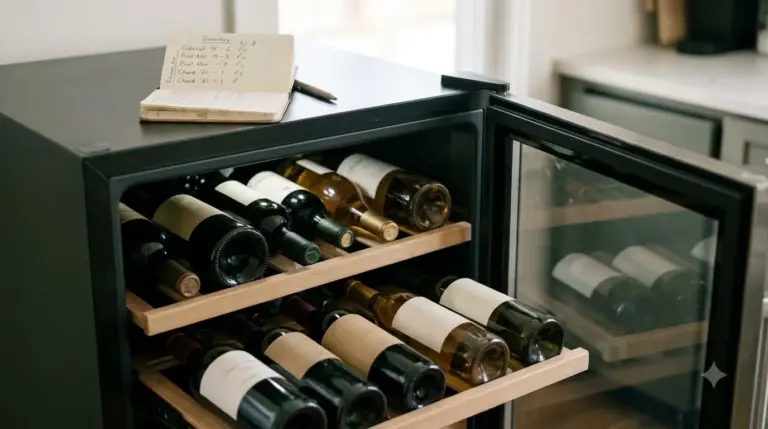
Good storage protects the bottle’s value after purchase. Keep unopened wine in a dark, stable place near 55°F, away from direct sunlight, heat vents, and repeated temperature swings; store cork-finished bottles on their sides so the cork remains in contact with the wine.
Serve full-bodied whites such as Chardonnay at about 50–55°F and lighter whites such as Sauvignon Blanc around 45–50°F. Too much chill hides aroma and texture; excess warmth makes the wine seem heavy. Let a bottle exposed to delivery heat return gradually to a stable cool temperature.
After opening, refrigerate still wines and finish them within about three to five days, using a stopper to limit oxygen. Bring whites toward serving temperature shortly before pouring. Young, full-bodied reds may benefit from 30 to 60 minutes in a decanter, while delicate Pinot Noir usually needs less air.
Tip: Keep a photo of the front and back labels of a favorite Chalk Hill bottle. The producer, appellation, vintage, and cuvée name make it much easier to find the same wine again than relying on a shelf tag or a remembered price.
A standard 5 oz pour means a 750 ml bottle yields about five glasses, a useful estimate for dinner planning. For a mixed menu, Sauvignon Blanc and Chardonnay usually offer more variety than two similar whites, especially alongside seafood and roast chicken.
Frequently Asked Questions
These answers clarify the regional name, the estate’s scale, and a few production details that can help explain why selected Chalk Hill bottlings sit above the everyday range.
Is Chalk Hill a winery or a wine region?
It is both a winery name and an American Viticultural Area in Sonoma County. The Chalk Hill AVA was recognized in 1983 and sits within the broader Russian River Valley AVA, so a wine carrying the appellation may come from a producer other than Chalk Hill Estate.
How large is the Chalk Hill Estate property?
The producer describes the estate as a 1,300-acre property with about 300 acres of vineyards. More than two-thirds of the land remains uncultivated, including natural areas around the vineyard blocks.
What makes Founder’s Block Chardonnay different?
The 2024 release is made from 100% Chalk Hill Proprietary Clone 97 Chardonnay and is described by the winery as unfined and unfiltered. The producer says it spends 13 months in 100% new French oak, which gives this bottling a much more concentrated oak profile than a basic Chardonnay.
Where did Chalk Hill Clone 97 come from?
The winery developed its proprietary Chardonnay clone through work with UC Davis between 1996 and 2001. The producer says its Founder’s Block is the only vineyard growing this clone, which is one reason that bottling is treated as a distinctive estate selection.
Does Chalk Hill Estate follow sustainable vineyard practices?
The winery states that its vineyards and winery are 100% certified sustainable. That certification statement applies to its estate operation and is separate from the question of whether an individual bottle is organic or made with any particular cellar intervention.
For most shoppers, the sensible starting point is to identify the exact producer and choose the style before deciding how much to spend. Once those details match, the listed price range becomes a much more reliable guide to whether a Chalk Hill bottle fits the occasion.
More in Wine Brands
 Codorniu Wine Price: Compare Bottles and Find the Right CavaUpdated Nov 21, 2026
 Cloudy Bay Wine Review: Explore the Wines and Choose the Right BottleUpdated Nov 21, 2026
 Boschendal Wine Price: Compare Bottles and Buying RangesUpdated Nov 21, 2026
 Chateau Ste. Michelle Wine Review: Find the Right Bottle for Your TasteUpdated Nov 21, 2026
 Chateau Lynch Bages Wine Price: How to Judge Vintage ValueUpdated Nov 21, 2026
 Chateau Haut Brion Wine Price: Compare Vintages and Buy WiselyUpdated Nov 21, 2026