

We may earn a commission when you buy through links on this page, at no extra cost to you. Learn more.
The chateau haut brion wine price typically ranges from about $459 to $975 for a 750 ml bottle in the US, depending on the vintage and retailer. Château Haut-Brion is a prestigious Bordeaux First Growth from Pessac-Léognan, and its reputation, vineyard location, vintage quality, and limited availability all contribute to its premium value. Buyers should compare exact vintages, bottle condition, and provenance rather than assuming that an older bottle is automatically a better purchase.
Château Haut-Brion occupies a distinctive position in Bordeaux wine history. Its red wine is recognized for combining Cabernet Sauvignon, Merlot, and Cabernet Franc, while its gravel-based vineyard and long-established winemaking traditions give it a recognizable identity. Understanding the difference between current retail listings, auction values, and individual vintage prices makes it easier to establish a sensible purchasing budget. This guide examines typical American retail prices, the factors behind them, and practical steps for choosing a bottle that suits your collection or occasion.
Who This Wine Price Guide Is For
This guide is intended for collectors, Bordeaux enthusiasts, and occasional luxury-wine buyers who want to understand the financial commitment involved in purchasing Château Haut-Brion. A standard 750 ml bottle can represent a substantial purchase, so knowing the differences between vintages and wine styles helps prevent costly mistakes.
First-time buyers will benefit from understanding the estate’s First Growth classification and its location in Pessac-Léognan. Château Haut-Brion was included in the 1855 Bordeaux classification as a Premier Grand Cru Classé, alongside Château Lafite Rothschild, Château Margaux, and Château Latour. Its position is particularly distinctive because it is the only estate outside the Médoc to receive this First Growth recognition. The estate also holds Classified Growth status in Graves.
Collectors interested in long-term cellaring should approach the market differently from someone purchasing a bottle for an upcoming celebration. A younger vintage may offer a more accessible starting point, while an older bottle can carry additional historical and collectible appeal. However, older wine introduces another consideration: storage history. A bottle with questionable provenance may be less attractive than a younger bottle from a reputable merchant.
Buyers should also distinguish the estate’s different wines. Château Haut-Brion Rouge is the flagship red, while Château Haut-Brion Blanc is a separate, highly regarded white wine. Le Clarence de Haut-Brion and La Clarté de Haut-Brion provide additional ways to explore the estate’s winemaking identity without purchasing its flagship bottlings.
Readers comparing prestigious French producers can also explore our Wine Brands resource for additional background on established wine estates and their ranges.
Key Factors That Influence Château Haut-Brion Wine Price
Vintage, wine type, market availability, and bottle condition are the main factors affecting the purchase cost. Understanding these differences is more useful than relying on a single average price for every bottle carrying the Château Haut-Brion name.
Vintage and growing conditions
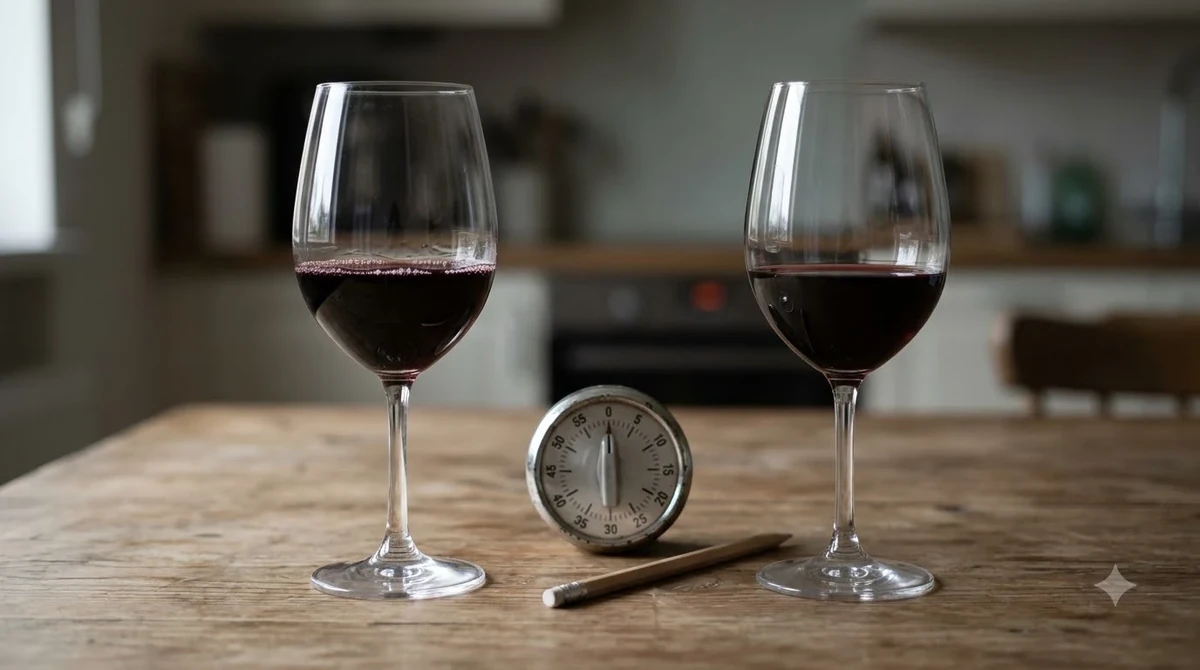
The vintage is one of the first details to examine. Weather conditions influence grape development, harvest timing, ripeness, acidity, and tannin structure. These characteristics affect how a wine develops in the bottle and how collectors perceive its long-term potential.
Older vintages can attract higher prices because fewer bottles remain available through conventional retail channels. Caveau’s US retail observations illustrate this difference: its October 2026 listings placed the 2021 vintage at approximately $459 to $650 per 750 ml bottle, compared with an observed price of approximately $975 for the 2016 vintage. The 2016 observation came from one shop listing, so it should not be treated as a universal market quotation.
First Growth classification and reputation
Château Haut-Brion’s classification contributes to its international recognition. The 1855 classification established a hierarchy of Bordeaux estates based largely on historical market reputation and commercial standing. Haut-Brion’s inclusion has helped maintain its position among the region’s most sought-after producers.
Its history also extends considerably further back. The estate identifies 1521 as the earliest written reference to wine specifically associated with the Haut-Brion terroir. Clarence Dillon purchased the property in 1935, and the Dillon family subsequently continued its development. This combination of historical identity, classification, and estate continuity supports its standing in the fine-wine market.
Terroir and vineyard characteristics
The estate is located in Pessac, southwest of Bordeaux city center. According to the official estate’s description of its gravel terroir, its 51-hectare vineyard includes 48 hectares planted with red grape varieties and approximately 3 hectares devoted to white varieties.
The vineyard’s gravel deposits sit over a combination of clay, sand, limestone, and shelly sand. The gravel mounds vary in thickness from approximately 20 centimeters to more than 3 meters. These soils provide natural drainage and contribute to the distinctive growing environment associated with the estate.
Retail availability and bottle condition
Retail prices represent asking prices from merchants, whereas auction prices reflect completed transactions or auction-market averages. These figures should not be treated as interchangeable. A merchant’s current listing may include a retail margin, while auction results can vary according to buyer demand, fees, lot size, and bottle condition.
Storage and provenance matter particularly for mature Bordeaux. A bottle with a sound fill level, intact capsule, readable label, and documented storage history is generally more attractive than one with signs of heat exposure or uncertain handling. Original wooden cases can also matter to buyers purchasing multiple bottles for collecting purposes.
Step-by-Step: How to Compare Château Haut-Brion Prices
A structured comparison helps buyers avoid paying a premium for an unsuitable vintage or an inadequately documented bottle. Follow these six steps before committing to a purchase.
-
Identify the exact wine. Confirm that the listing is for Château Haut-Brion Rouge, rather than Château Haut-Brion Blanc, Le Clarence de Haut-Brion, or La Clarté de Haut-Brion. These are separate wines with different market positions.
-
Confirm the vintage. Compare the same harvest year across merchants. A 2016 bottle should not be evaluated against a 2021 listing without accounting for differences in age, availability, and vintage characteristics.
-
Check the bottle format. Standard 750 ml bottles are the most useful basis for comparing retail offers. A 1.5-liter magnum contains twice the wine of a standard bottle, so its total price should not be compared directly without calculating the equivalent 750 ml cost.
-
Compare several merchants. Look for at least three independent listings where possible. Check whether shipping, taxes, storage charges, or other fees are included in the quoted amount.
-
Evaluate provenance and condition. Ask about professional storage, ownership history, fill level, capsule condition, and photographs of the actual bottle. This is especially important for wines that have spent decades in circulation.
-
Compare the purchase against your intended use. A bottle intended for immediate drinking has different requirements from one intended for long-term cellaring. Consider the drinking window, storage arrangements, and the total cost of keeping the wine.
Typical US retail price comparisons
The following figures come from Caveau’s observed US retail listings, which were checked on October 26, 2026. The source identified 13 listings across five vintages and calculated typical prices from the available offers. These are market observations rather than guaranteed selling prices, and prices vary by state and retailer.
| Vintage | Observed US retail price | Available range or basis | What to consider |
|---|---|---|---|
| 2021 | About $459 | $459–$650 | Lower observed entry point |
| 2020 | About $549 | $549–$730 | Compare merchant availability |
| 2019 | About $572 | $545–$600 | Narrower observed price spread |
| 2018 | About $579 | One listing | Limited price evidence |
| 2016 | About $975 | One listing | Higher observed retail value |
These figures demonstrate why vintage-specific comparisons are essential. The observed difference between the 2021 and 2016 listings is substantial, but the available evidence does not establish that the older bottle will deliver proportionately greater drinking enjoyment. The 2018 and 2016 observations are particularly limited because each is based on one shop listing.
There is also a difference between retail and auction-market information. WineAuction.ai reports a five-year average auction value of approximately $858 per 750 ml bottle for Château Haut-Brion Premier Cru Classé red wine, based on 5,745 recorded auction sales. This is a historical auction average, not a recommended US retail budget or a guaranteed resale value.
Tip: Compare the exact vintage, bottle size, and condition before comparing prices. A $500 listing for a well-stored bottle is not automatically a better purchase than a higher-priced bottle with documented provenance and a more desirable condition.
Types and Styles Explained
Château Haut-Brion produces several distinct wines, and buyers should understand their differences before deciding which bottle fits their budget. The flagship red, prestigious white, and second-wine options have different grape compositions, production profiles, and market values.
Château Haut-Brion Rouge
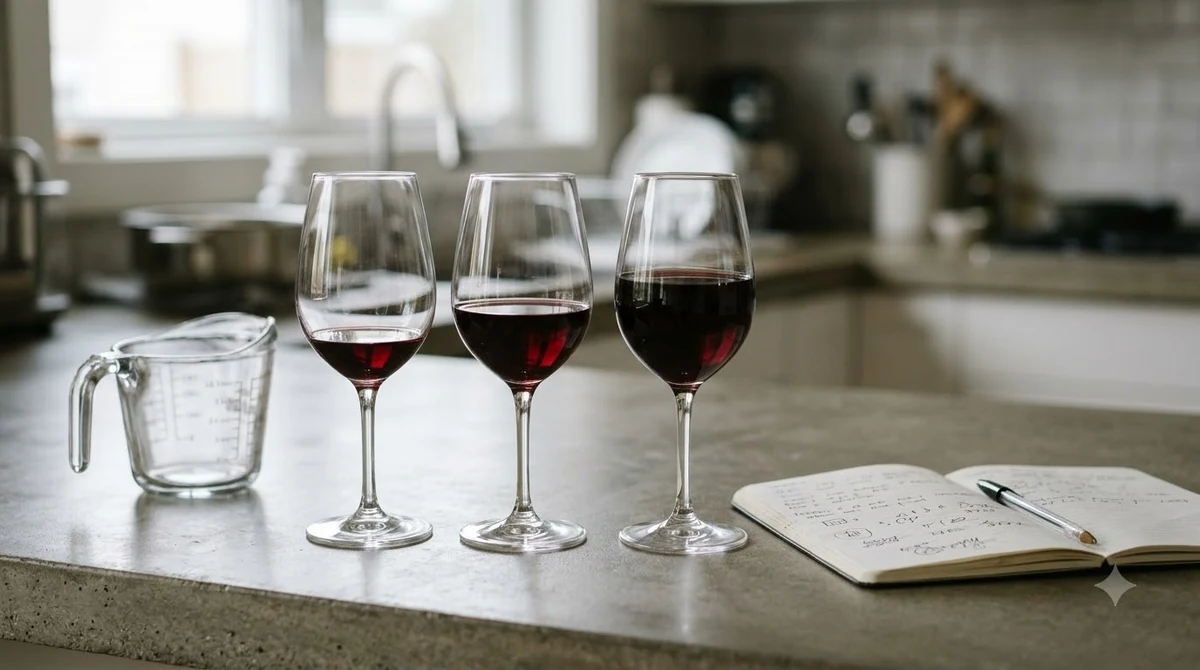
The flagship red is the estate’s best-known wine and the primary focus of collectors interested in its First Growth status. It is produced from Bordeaux varieties, principally Merlot, Cabernet Sauvignon, and Cabernet Franc, with Petit Verdot also among the red varieties grown at the property.
The 2024 Château Haut-Brion Rouge provides a useful example of how the blend changes between vintages. According to the estate, its composition is 47.2% Cabernet Sauvignon, 37.5% Merlot, and 15.3% Cabernet Franc. The provisional alcohol level is 13.2% ABV, and 75% of the barrels used were new barrels.
The estate describes the 2024 wine as dark garnet in color, with ripe fruit aromas, a generous palate, smooth tannins, and a long finish. Its characteristics illustrate the balance between structure and fruit that the estate seeks in its red wine.
Château Haut-Brion Blanc
The white wine is a separate expression of the estate’s vineyard and is particularly interesting to collectors who prefer structured white Bordeaux. Its production is based on white grape varieties, principally Sémillon and Sauvignon Blanc, with Sauvignon Gris also grown on the property.
White Haut-Brion occupies a distinct market category from the flagship red. WineAuction.ai reports an average auction value of approximately $698 per 750 ml bottle for Haut-Brion Blanc in its displayed five-year data. This is an auction-market figure rather than a US retail price range, and individual vintages and bottle conditions can produce substantially different results.
Le Clarence de Haut-Brion
Le Clarence de Haut-Brion is the estate’s second red wine. It provides another route into the producer’s style, although it should not be confused with the flagship First Growth bottling.
WineAuction.ai identifies Le Clarence as a separate wine and reports an average auction value of approximately $115 per 750 ml bottle in its displayed five-year data. The difference from the flagship red is substantial, making it a useful alternative for people interested in the estate without purchasing its most prestigious wine.
La Clarté de Haut-Brion
La Clarté de Haut-Brion is the estate’s white second wine. It is a blend of Sémillon and Sauvignon Blanc and offers a different introduction to the property’s white-wine production.
The estate’s 2024 La Clarté information identifies a blend of 64.5% Sémillon and 35.5% Sauvignon Blanc, with 42% new barrels. WineAuction.ai lists La Clarté separately from Haut-Brion Blanc, an important distinction when comparing market values.
For readers exploring other wine styles, our guides to Château d’Yquem wine and Château Ste. Michelle Riesling provide useful comparisons between prestigious sweet Bordeaux and a more approachable Washington State white wine.
Common Mistakes When Buying Château Haut-Brion
Many expensive wine purchases go wrong because buyers focus on reputation or vintage age instead of the individual bottle. Avoiding a few common mistakes can make the difference between a worthwhile collectible and an expensive disappointment.
Assuming every old vintage is valuable
Age alone does not determine value. A mature bottle may be collectible because of its vintage reputation, scarcity, or historical significance, but poor storage can seriously reduce its condition and desirability.
For example, the observed 2016 retail listing in Caveau’s comparison was considerably higher than its 2021 observation. That does not establish a universal rule that every older vintage costs more. Vintage quality, market supply, merchant inventory, and buyer demand all influence the final figure.
Confusing auction prices with retail prices
Auction averages are useful for understanding collector demand, but they are not equivalent to shop prices. Auction buyers may also need to account for buyer premiums, taxes, delivery, and storage. A reported average across thousands of historical transactions cannot predict what a specific merchant will charge for one bottle.
Ignoring bottle provenance
Provenance describes the history and handling of a bottle. A credible seller should be able to explain where the wine came from and how it was stored. For mature Bordeaux, consistent cool storage is especially important because excessive heat can accelerate deterioration and damage the wine.
Check for unusually low fill levels, damaged capsules, leaking wine, and signs that the label has been exposed to moisture. None of these details independently proves that a wine is faulty, but they justify asking additional questions before purchasing.
Buying the wrong wine from the estate
The Château Haut-Brion name appears across several distinct bottlings. Buyers sometimes compare the flagship red against Le Clarence or compare Haut-Brion Blanc against La Clarté without realizing that these wines occupy different positions in the range.
Confirming the full wine name is particularly important when ordering online or purchasing a mixed case. The producer’s name alone is not enough to establish that two listings represent the same bottle.
Overlooking the cost of storage
Fine Bordeaux is not simply a purchase followed by indefinite storage. Wine needs a stable environment to develop properly. If a buyer does not have an appropriate cellar, professional storage can become an additional ownership expense.
Buying a bottle that is already approaching its preferred drinking window may be more practical than purchasing a young wine that requires many years of storage. The right decision depends on the buyer’s intended drinking date and willingness to maintain suitable conditions.
Care and Storage Tips for Valuable Bordeaux
Proper storage protects the condition and future drinking quality of Château Haut-Brion. Temperature stability, humidity, light exposure, and bottle handling are especially important for wines that may spend years in a cellar.
Maintain a stable temperature
A temperature close to 55°F is a useful target for long-term wine storage. Avoid placing valuable Bordeaux in locations that experience repeated temperature changes, such as kitchens, garages, or cupboards near heating equipment.
Consistency matters more than frequent attempts to adjust the cellar temperature. Heat can accelerate aging, while repeated fluctuations can put additional stress on the closure and contents of the bottle.
Store bottles horizontally
Keep cork-sealed bottles on their sides when appropriate. This allows the wine to remain in contact with the cork, helping prevent the closure from drying out. Use stable racks that support the bottle securely and minimize unnecessary movement.
Protect wine from light and vibration
Direct sunlight and strong artificial light can negatively affect wine over time. Choose a dark storage location and avoid placing valuable bottles near appliances or machinery that produce constant vibration.
It is also sensible to avoid repeatedly moving collectible bottles. Record their locations and vintages in a cellar inventory so that you can find the correct bottle without unnecessary handling.
Serve at an appropriate temperature
Young, structured Bordeaux reds are generally best served slightly below typical room temperature. A range of 60°F to 65°F is suitable for full-bodied red wines. If the bottle is too warm, alcohol can become more prominent and the wine may seem less balanced.
For a young, full-bodied vintage, allow approximately 30 to 60 minutes of decanting as a starting point. The goal is to give the wine some exposure to oxygen and help its aromas develop. Older bottles require more caution because extended aeration can cause delicate aromas to fade.
Plan the opening carefully
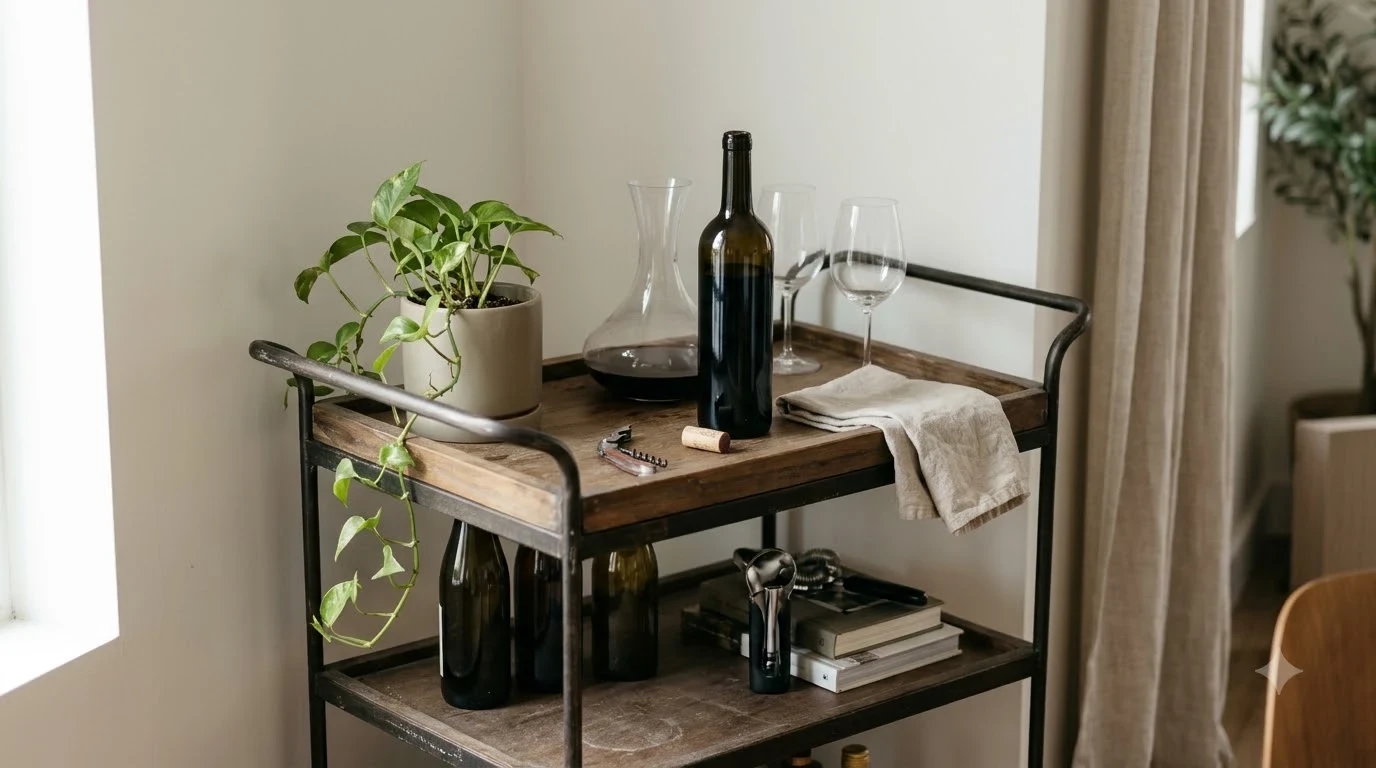
Before opening an expensive bottle, make sure the corkscrew, decanter, and appropriate glasses are ready. Older corks can be fragile, so a two-pronged wine opener or suitable professional corkscrew may help reduce the risk of breaking the closure.
If the wine is not finished, reseal it and store it in the refrigerator. Most opened still wines remain in reasonable condition for approximately three to five days, although the result depends on age, style, and exposure to oxygen. For a valuable mature Bordeaux, planning the serving quantity in advance is preferable to keeping the remaining wine for several days.
Frequently Asked Questions
Why is Château Haut-Brion considered a First Growth?
Château Haut-Brion received Premier Grand Cru Classé status in the 1855 Bordeaux classification. It was included alongside four leading estates, despite being located outside the Médoc. Its inclusion reflects its established reputation in the historical Bordeaux wine market.
Is Château Haut-Brion made in Pessac-Léognan?
Yes. The estate is located in the commune of Pessac, southwest of Bordeaux city center. Its vineyard belongs to the Pessac-Léognan appellation, which is part of the wider Graves wine-growing region.
How many grapes are used in Château Haut-Brion Rouge?
The estate grows four principal red varieties: Merlot, Cabernet Sauvignon, Cabernet Franc, and Petit Verdot. However, the final blend varies by vintage. The 2024 flagship red, for example, contains three varieties rather than all four.
Does Château Haut-Brion produce wine in large bottles?
Yes. Fine Bordeaux is traded in several formats, including magnums and larger presentation bottles. A magnum holds 1.5 liters, equivalent to two standard 750 ml bottles, and larger formats can attract additional collector interest because they are less commonly encountered in ordinary retail channels.
Who owns Château Haut-Brion today?
Château Haut-Brion belongs to the Dillon family, which acquired the estate through Clarence Dillon in 1935. The estate’s official history identifies Prince Robert of Luxembourg as the fourth generation of the family involved in continuing its stewardship.
Château Haut-Brion remains one of Bordeaux’s most recognizable luxury wine producers, but its bottles should be evaluated individually rather than by reputation alone. Compare the exact vintage, wine style, provenance, and current merchant listings before purchasing, and consider storage requirements as part of the total commitment. For most buyers, a carefully selected bottle with reliable provenance is a more sensible choice than paying a premium simply for an older vintage.
More in Wine Brands
 Underwood Wine Price: Compare Bottles, Cans, and Pack SizesUpdated Nov 21, 2026
 Zenato Wine Price: Compare Styles and Choose the Right BottleUpdated Nov 21, 2026
 Zuccardi Wine Price: Compare Bottles and Find the Right RangeUpdated Nov 21, 2026
 Yellow Tail Moscato Review: Taste, Sweetness and Serving TipsUpdated Nov 21, 2026
 Wolf Blass Yellow Label Review: Choose Your Best StyleUpdated Nov 21, 2026
 Wolffer Estate Rose Review: Choose the Right Bottle for Your TableUpdated Nov 21, 2026