

We may earn a commission when you buy through links on this page, at no extra cost to you. Learn more.
Boschendal wine price in the U.S. spans about $16.90 to $63.99 per 750 ml across Vino Alert’s current retailer examples, with prices varying by state and retailer. The estate’s range includes Sauvignon Blanc, Chardonnay, Pinot Noir, Cap Classique sparkling wine, Appellation Series bottles and structured reds. The right comparison is the exact wine, vintage, bottle size and retailer offer—not the Boschendal name alone.
Boschendal is a South African producer based in the Western Cape, between Franschhoek and Stellenbosch. Its portfolio spans several tiers, so a sensible purchase starts with the range printed on the front label. This guide explains how to compare U.S. listings, distinguish everyday and premium bottles, and avoid misleading prices when an offer is case-only or tied to a particular vintage. For a closer look at the producer’s range, see our page on Boschendal wine.
Who This Is For
Boschendal suits shoppers who want to explore South African wine across several styles and price levels. A buyer starting with a 1685 Sauvignon Blanc or Pinot Noir has a different budget and occasion in mind from someone choosing an Appellation Series Elgin Chardonnay, a Nicolas red or a bottle of Cap Classique for a celebration.
The range works for different preferences: Sauvignon Blanc and Chardonnay for white-wine drinkers; Shiraz, Merlot, Pinot Noir and Cabernet Sauvignon for red-wine drinkers; and Brut or Brut Rosé Cap Classique for sparkling-wine occasions. A shopper looking for a gift can compare Black Angus or an upper-tier cuvée, while someone buying for a casual weeknight meal may prefer a more approachable 1685 bottle. Because the portfolio includes red, white, rosé, sparkling and dessert styles, choose the style first and the price tier second.
This guide also helps shoppers compare imports with familiar U.S. labels. Compare the same grape or style, 750 ml size and a similar vintage rather than any two wines that happen to be South African. Our Wine Brands directory offers broader context; shoppers focused mainly on inexpensive, widely distributed bottles can also compare Barefoot wine, though its origin and range structure differ.
Key Factors to Compare
Price differences usually reflect the Boschendal range, grape and vineyard origin, vintage, and retail offer type. A 1685 wine is not a like-for-like comparison with an Appellation Series Elgin bottle, and a case-only price is not the same buying proposition as a single bottle on a shelf.
| Wine or range | U.S. listing range or reference | How to read it |
|---|---|---|
| 1685 Collection Pinot Noir, 2020 | About $16.90 to $27 per 750 ml, according to Vino Alert; prices vary by state and retailer. | Single-bottle retail listings across several U.S. stores. |
| 1685 Chardonnay | About $19.46 to $20.83 per 750 ml listing, according to Vino Alert; prices vary by state and retailer. | Observed offers include a 2020 retail bottle and a non-vintage case-only offer. |
| Brut, non-vintage | About $24.99 to $38.49 per 750 ml, according to Vino Alert; prices vary by state and retailer. | Retail listings show store-to-store variation for the sparkling label. |
| Appellation Series Elgin Chardonnay, 2019 | About $39.88 to $50.28 per 750 ml for 2019, according to Vino Alert; prices vary by state and retailer. | The 2019 offers include single-bottle retail and one case-only listing. |
| Black Angus, 2021 | About $36.99 to $63.99 per 750 ml for 2021, according to Vino Alert; prices vary by state and retailer. | A premium red with a broad spread among tracked U.S. retailers. |
These are observed retailer listings, not a price list set by Boschendal. Vino Alert reports prices before shipping and tax; the 1685 Chardonnay comparison combines a 2020 single-bottle retail listing with a non-vintage case-only offer, so the figures are reference points rather than perfect like-for-like comparisons. Confirm vintage, size, order minimum and final cart total before buying.
Brut, regional Chardonnay and Black Angus occupy different style and budget categories, so a higher number does not automatically make a bottle a better match for dinner. Review the Boschendal price listings, then confirm bottle size, vintage and shipping terms with the store.
Keep comparisons narrow: a 2020 Pinot Noir does not establish the price for every vintage, and Brut is not interchangeable with Brut Rosé or a prestige cuvée. Treat the table as a snapshot, then compare the exact bottle available to you.
Step-by-Step: How to Compare Boschendal Prices
A consistent process makes price differences easier to understand. Start with the full wine name, then match vintage, bottle size and offer type before comparing two U.S. retailers.
- Identify the range. Note whether the bottle belongs to the 1685 Collection, Appellation Series, Nicolas, Heritage Collection, Cap Classique or Special Cuvée. If two bottles carry different range names, do not assume that they belong to the same price tier.
- Match the grape and style. Compare Sauvignon Blanc with Sauvignon Blanc, Pinot Noir with Pinot Noir, and Brut with Brut. Do not benchmark a red blend against a single-variety white, or a still rosé against sparkling rosé.
- Match the vintage and size. A 2020 listing and a non-vintage listing may not represent the same wine. Compare 750 ml with 750 ml, rather than comparing a standard bottle with a magnum or a per-bottle case price without converting it.
- Separate single-bottle retail from case-only offers. A per-bottle figure on a case listing may require an order of six or twelve. The lower unit cost may not help if you only need one bottle or do not have room to store the rest.
- Calculate the delivered cost. Confirm delivery to your state, shipping fees, sales tax and any adult-signature charge. Public retailer prices often exclude shipping and tax, and local rules can make a national listing unavailable in a particular ZIP code.
- Choose for the occasion. A crisp white for an aperitif, a bottle-fermented sparkling wine for a toast and a fuller red for grilled meat are different purchases. Set the occasion and food first, then compare wines within the appropriate style and budget.
Note the full name, vintage, bottle size and retailer to avoid remembering a low figure that applied to a different vintage or case-only order.
GotoLiquorStore lists Boschendal 1685 Sauvignon Blanc as a 750 ml bottle at 14% alcohol by volume and says local price and availability depend on the store and pickup location. Its product listing illustrates why a page does not promise one universal U.S. price.
Types or Styles Explained
Boschendal’s official portfolio includes the 1685 Collection, Cap Classique, Appellation Series, Nicolas, Heritage Collection, Aure and Special Cuvée. These range names help show the breadth of the estate, but grape variety and wine style are still the clearest starting points for choosing a bottle.
1685 Collection
The 1685 Collection includes Sauvignon Blanc, Chardonnay, Shiraz and Merlot. It is a practical place to begin if you know the grape you like; Boschendal describes its 1685 Sauvignon Blanc as tropical and citrus-driven and its Chardonnay with citrus zest and stone fruit.
Sauvignon Blanc generally has high acidity, so it works well with goat cheese, shellfish and fresh salads. Chardonnay has medium acidity and can suit roast chicken, creamy pasta or richer fish. A seller page identifies the 1685 Sauvignon Blanc as a South African 750 ml bottle, but the local shop determines whether it can supply it in your area.
Appellation Series and regional wines
The Appellation Series gives shoppers a way to compare wines identified with particular growing areas, including Elgin Chardonnay and Pinot Noir. A regional bottling is a different proposition from a broad entry-level varietal, and its price may reflect the specific wine, vintage and availability. The U.S. listings for Elgin Chardonnay sat above the lower 1685 Pinot Noir examples, so compare them as different tiers rather than as direct substitutes.
Consider grape and region together: Elgin Chardonnay is a regional white above the lowest 1685 price band, while Elgin Pinot Noir differs from Stellenbosch Cabernet Sauvignon or Shiraz. Body, acidity and tannin matter at dinner as much as the shelf price.
Cap Classique, rosé and premium reds
Cap Classique is Boschendal’s South African traditional-method sparkling category. The Brut and Brut Rosé labels offer different expressions for celebrations or aperitif service, while the wider portfolio includes more premium cuvées. Compare the precise Cap Classique label rather than assuming every bottle called Brut has the same blend or tier. For an Italian sparkling alternative, our La Marca Prosecco page describes a different wine category and production tradition.
On the red side, Nicolas, Black Angus and Grande Syrah sit apart from a straightforward 1685 varietal. Cabernet Sauvignon tends to carry high tannin, Merlot is typically softer with medium tannin, Pinot Noir is lighter with low-to-medium tannin and higher acidity, while Syrah or Shiraz can be medium-plus to high in tannin. Those broad traits help with pairing: structured Cabernet with grilled beef, softer Merlot with roast pork, or Pinot Noir with mushroom dishes and roast poultry.
Distinguish still Rose Garden Rosé from Brut Rosé Cap Classique: one is a still wine to serve chilled, the other is sparkling. Style matters more than color alone.
Common Mistakes
Buying errors usually come from comparing unlike wines or treating a brand as though it has one standard price. Boschendal bottles differ by grape, region, style and vintage.
Do not treat the lowest result on a comparison site as a guaranteed single-bottle offer. Some listings are case-only, some come from overseas retailers, and some cannot be delivered to every U.S. state. The price trackers state that displayed prices are before shipping and tax, so the checkout remains the final authority. A case of six is a different commitment from one 750 ml bottle.
Do not mix vintages without explaining the difference. A 2020 Pinot Noir may be listed at a different figure from a non-vintage bottle, and an older premium red may have different availability from a newer release. Use the same vintage when possible; otherwise describe the vintage difference rather than presenting the prices as though they are identical products.
Do not assume every Boschendal wine is premium-priced or made in the same style: 1685 and Appellation Series answer different needs, while Brut and Brut Rosé are sparkling. High-tannin Cabernet can also be a poor match for delicate fish. Food fit is a better reason to choose than a larger price tag. Distinguish listed price from total cost: shipping, tax and state rules can change the total or prevent delivery. Confirm the case minimum, vintage and destination before ordering several bottles, especially as a gift.
Care and Storage Tips
Storage and serving temperature help a bottle show its style. Keep wine away from heat, direct light and vibration, and serve sparkling, white and red wines at suitable temperatures.
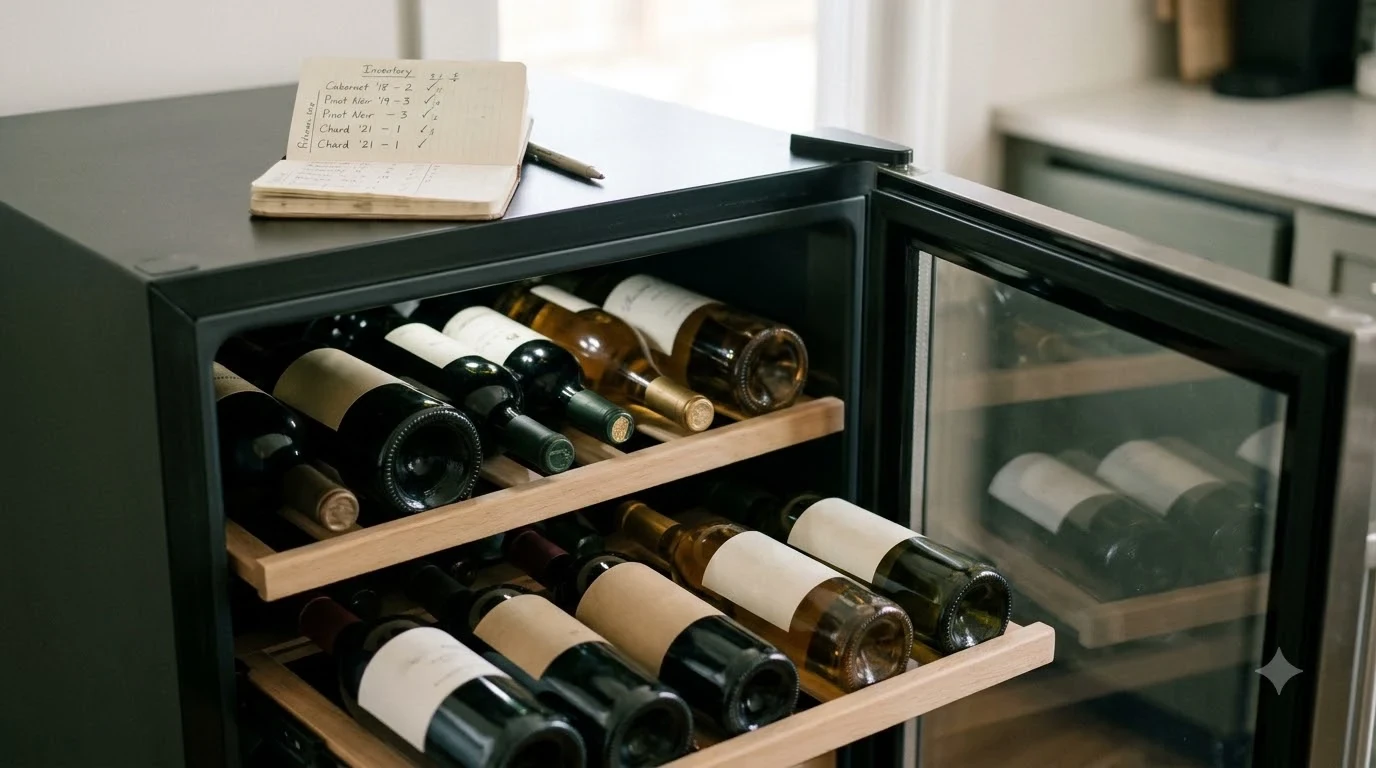
Store cork-finished bottles on their sides in a steady place near 55°F, away from sunlight and oven heat. A dark cellar or wine cabinet is preferable to a kitchen shelf; chill sparkling bottles in the refrigerator before opening rather than leaving them in the freezer.
Serve Cap Classique and other sparkling wines around 40–50°F. Light whites such as Sauvignon Blanc and rosé are best around 45–50°F, while fuller whites such as Chardonnay can be served around 50–55°F. Lighter reds such as Pinot Noir show well around 55–60°F; fuller reds such as Cabernet Sauvignon and Shiraz are generally better around 60–65°F. These ranges help keep whites refreshing and prevent reds from being served too warm.
Tip: Chill a 750 ml sparkling bottle in the refrigerator for several hours before serving, then open it carefully. For still wine, start with the serving range above and let the glass warm slightly if the aromas seem muted.
After opening, refrigerate still white, rosé and red wine and aim to finish them within about 3–5 days. Sparkling wine usually holds for about 1–3 days when properly resealed with a sparkling-wine stopper and kept cold. A stopper may slow oxidation, but it will not keep an opened bottle fresh indefinitely. Decanting is not required for every Boschendal red. A young, full-bodied Cabernet or Shiraz can benefit from roughly 30–60 minutes of air, while a lighter Pinot Noir is often better poured without a long decant. Taste the wine after opening and adjust: a bottle that already smells expressive may not need more time in a decanter.
Frequently Asked Questions
These answers cover a few additional details that can help identify Boschendal bottles and understand the South African terms on their labels.
What does the name Boschendal mean?
Boschendal is a Dutch name meaning “bush and dale,” according to the winery’s official story page. It refers to the estate’s heritage and landscape, not to a grape variety or a particular wine style.
When was the Boschendal estate established?
The winery dates the estate’s history to 1685 and identifies Jean le Long as the person who began its story. It says the 1685 Collection takes its name from the estate’s founding year, not from a particular vintage.
Is Cap Classique the same as Champagne?
No. Cap Classique is a South African category made by the traditional method, with a second fermentation in the bottle in which the wine is sold. Wines of South Africa states that bottles from the 2023 harvest onward must spend at least 12 months on the lees to use the term.
Does Boschendal make anything other than wine?
Yes. Boschendal’s official portfolio also lists Potstill Brandy, which is a distilled spirit rather than a wine. It should be compared with brandy products, not with still or sparkling wine bottles.
How many glasses are in a standard 750 ml bottle?
Using a 5 oz pour, a standard 750 ml bottle provides about five glasses. A larger tasting pour or generous dinner pour will reduce the number of servings, so plan accordingly when buying for a group.
Boschendal wine price is best judged by matching the exact range, vintage and bottle size before comparing U.S. retailers. Start with the style you want, use the ranges above as a reference, and confirm shipping and tax at checkout before purchasing.
More in Wine Brands
 Underwood Wine Price: Compare Bottles, Cans, and Pack SizesUpdated Nov 21, 2026
 Zenato Wine Price: Compare Styles and Choose the Right BottleUpdated Nov 21, 2026
 Zuccardi Wine Price: Compare Bottles and Find the Right RangeUpdated Nov 21, 2026
 Yellow Tail Moscato Review: Taste, Sweetness and Serving TipsUpdated Nov 21, 2026
 Wolf Blass Yellow Label Review: Choose Your Best StyleUpdated Nov 21, 2026
 Wolffer Estate Rose Review: Choose the Right Bottle for Your TableUpdated Nov 21, 2026