

We may earn a commission when you buy through links on this page, at no extra cost to you. Learn more.
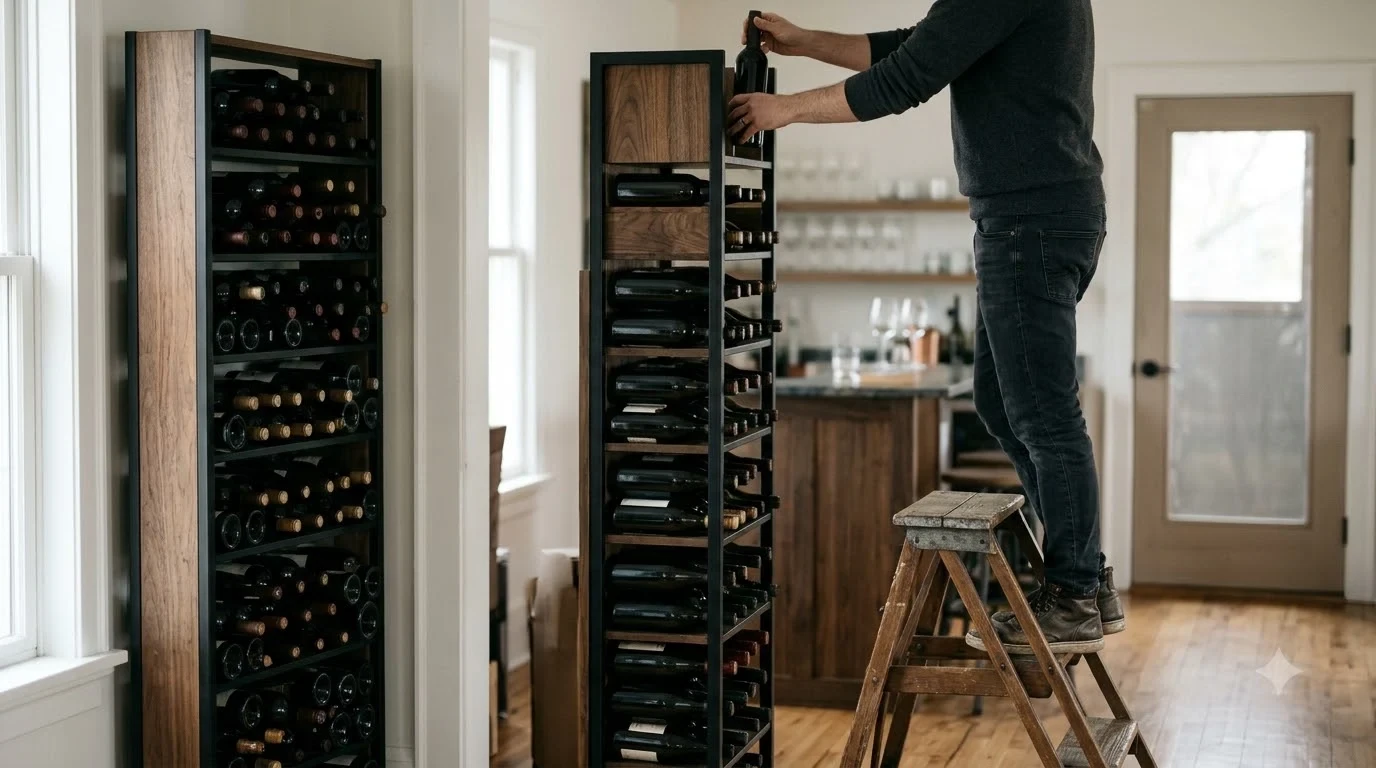
The best 60 bottle wine fridge is usually a freestanding or built-in unit with steady temperature control, and a dual zone model makes more sense when you store reds and whites at different temperatures. Pick the layout that fits your room, then check how you age wine, how often you open bottles, and whether the unit will sit in a stable space. A 60-bottle capacity suits a serious home collection without taking up a full wall.
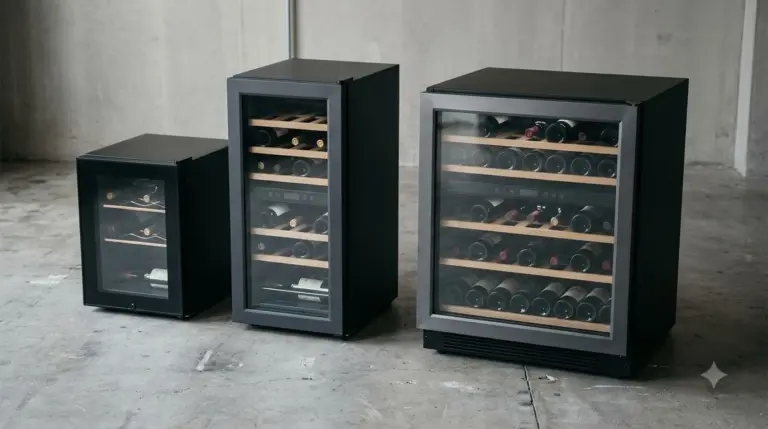
A 60-bottle wine fridge sits in the middle of the home storage range. It holds far more than a countertop cooler but stays small enough for a dining room corner, a basement bar or a kitchen run. This guide compares the main layouts, explains which kind of collector each one suits, and lists the points to check before you buy so the number on the box matches the bottles you actually own.
Quick Comparison of 60 Bottle Wine Fridge Types
The four layouts below cover most 60-bottle models on the market. Capacity ratings are a starting point, so compare the layout and temperature setup first.
| Type | How bottles are stored | Temperature control | Where it fits | Main trade-off |
|---|---|---|---|---|
| Freestanding single zone | One compartment for all bottles | One set point | Dining room, bar, basement | Reds and whites share one temperature |
| Freestanding dual zone | Two separate compartments | Separate set points for each zone | Kitchen corner, home office | Higher purchase cost and more to monitor |
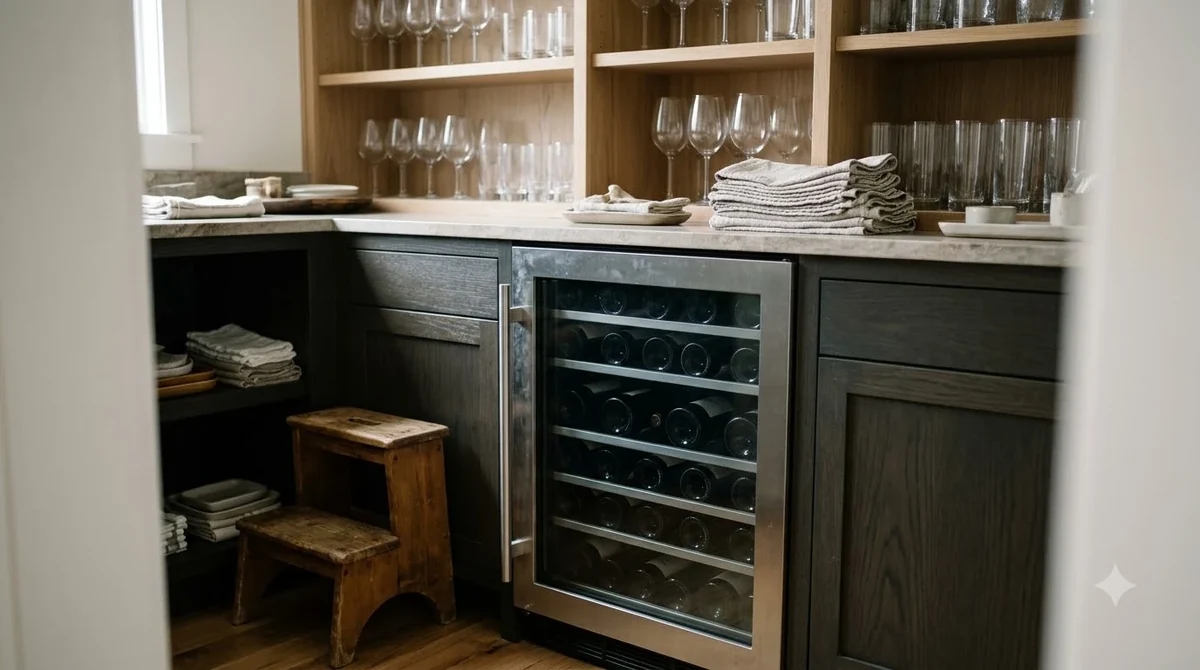
| Built-in or under-counter | Front-venting cabinet unit | Often dual zone | Kitchen island, built-in bar | Needs a planned cutout and ventilation gap |
| Glass-door display cabinet | Visible racks behind glass | Varies by model | Living room, entertaining space | Glass lets in more light, which can affect wine over time |
Best for a Mixed Red and White Collection
A dual zone unit fits a household that drinks both styles every week and wants each one held at its own temperature without juggling a single set point.
Why it stands out: Two zones let you keep whites cooler and reds a little warmer without moving bottles between shelves. You can also keep a daily-drink zone near the front while the back holds slower-moving bottles.
Keep in mind: Two zones mean two temperature settings to check. Make sure the unit has a clear display or alarm for each zone, since a single faulty zone can hide behind a normal-looking door.
Best for: Couples and small households that open both reds and whites in the same week.
Best for a Kitchen or Built-In Install
Built-in models fit under a counter or inside a cabinet run, which keeps the wine close to the kitchen without adding a freestanding appliance to the room.
Why it stands out: Front venting lets the unit sit flush with cabinets, and the finished look suits an island or a bar wall.
Keep in mind: Built-in units depend on the cutout size and a ventilation gap listed in the manufacturer manual. Measure the opening and read the install sheet before you order, because a wrong gap can cause the unit to overheat or run longer than it should.
Best for: Kitchen remodels and bar builds where the wine storage should look like part of the cabinetry.
Best for Long-Term Aging
If you hold bottles for years, the steadiness of the temperature matters more than a fancy display or a long feature list.
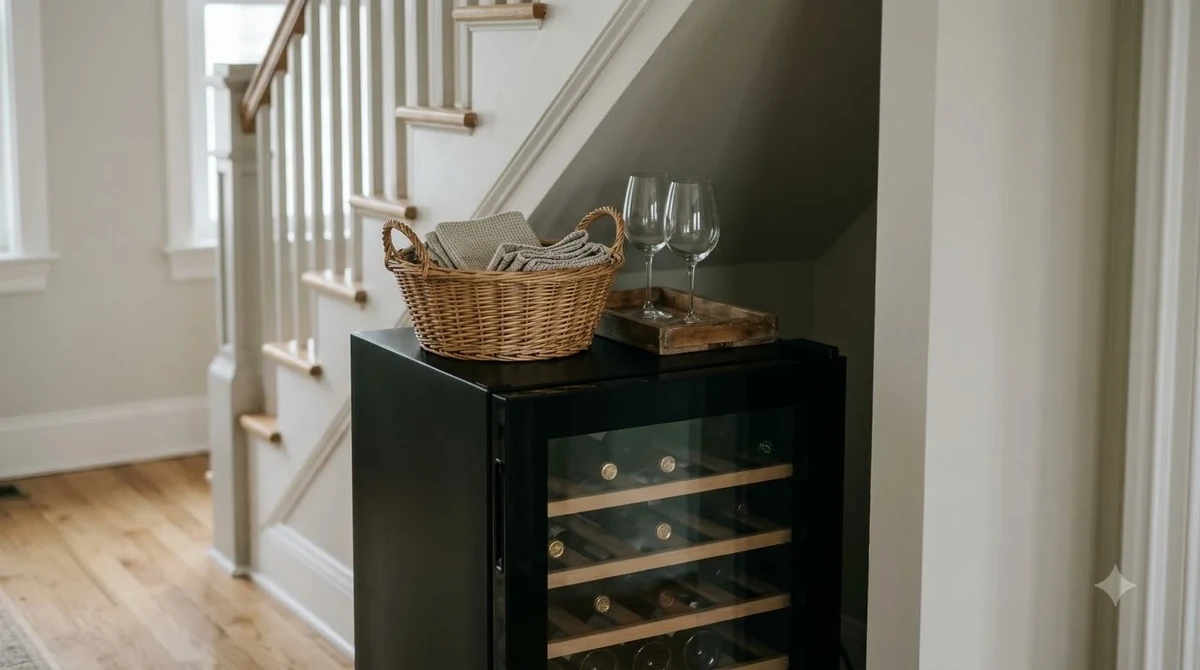
Why it stands out: Wine storage guidance treats a steady range as the main goal. According to the Wikipedia article on wine cellar storage, temperatures between 7 and 18 °C (45 to 64 °F) are workable as long as changes are gradual, and 13 °C (55 °F) is described as ideal for both short-term storage and aging. Swings of 14 degrees or more are said to speed aging by letting air move through the cork.
Keep in mind: A unit that holds a steady temperature in a stable room will age wine better than a model with a wide display range in a room that swings warm and cold. Check the manufacturer’s stated temperature stability and the room where the unit will sit.
Best for: Collectors holding bottles for several years who want to protect a slow-changing inventory.
Best for a Basement or Cool, Steady Room
A basement or other cool room can suit a 60-bottle fridge, provided the room stays within the range the unit is rated for.
Why it stands out: A cool, steady room reduces the work the unit has to do, which helps it hold its set point. Many collectors use a basement corner because it is out of direct sun and away from heat sources like ovens and furnaces.
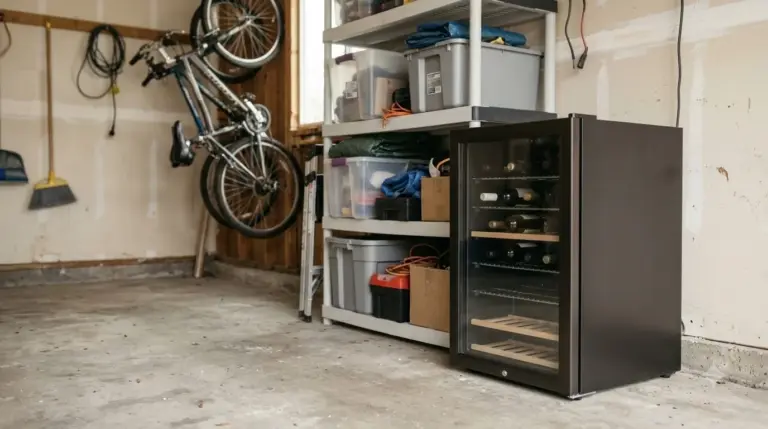
Keep in mind: A garage is a different case. Rooms that heat up in summer or freeze in winter push the unit beyond its design range. Look for the rated ambient temperature in the manual, and avoid placing the unit near a heater, a water heater or a window that gets direct sun.
Best for: Homes with an unfinished basement or a cool interior room that stays steady through the year.
Best for Entertaining and Everyday Access
A glass-door cabinet or a lower-profile freestanding model puts a rotating selection within reach when guests arrive.
Why it stands out: Visible bottles make it easy to choose a pour without opening a door and losing cold air each time. A display unit can also serve as a feature piece in a living room or dining area.
Keep in mind: Glass doors let in more light, and light is one of the factors wine storage guidance lists as a spoiler. Place the unit away from windows and bright lamps, and use a door with UV-filtering glass if the model offers it.
Best for: Hosts who rotate bottles every week and want the selection visible at a glance.
How to Choose the Right 60 Bottle Wine Fridge
Start with the bottles you own, then match the layout and temperature control to how you drink and where the unit will sit.
- Count your real bottles. A 60-bottle rating assumes standard 750 ml bottles. Wide Bordeaux or Champagne-style bottles and magnums take more room, so plan for fewer slots if your collection includes them.
- Decide on one zone or two. Choose dual zone if reds and whites will be stored at different temperatures. Single zone works when most of the collection shares one style or one temperature.
- Check the temperature range and stability. Look for a stated range and a display. Confirm the unit can hold its set point in the room it will live in.
- Measure the space and the vent gap. Freestanding and built-in models have different clearance needs. Read the install sheet before you pick a spot.
- Consider the door and light. Solid doors protect bottles better than glass. If you want a glass front, plan for a spot away from direct sun.
- Think about noise and vibration. Place the unit on a level floor away from bedrooms if noise matters, and keep it away from heavy appliances that shake the floor.
Frequently Asked Questions
How many bottles does a 60 bottle wine fridge actually hold?
The 60-bottle rating assumes standard 750 ml bottles laid flat on shelves. Larger bottles, magnums and some sparkling-wine shapes take more space, so the real count can be lower. Check the shelf layout in the product manual before you assume a full 60 slots.
Is a dual zone wine fridge worth it for a mixed collection?
It is worth it when you store reds and whites in the same unit and want each at its own temperature. If most of your bottles share one style, a single zone unit with a steady set point is usually enough.
What temperature should a 60 bottle wine fridge be set to?
For long-term storage and aging, a steady temperature around 13 °C (55 °F) is commonly cited as ideal, according to general wine storage guidance. Whites are often served cooler and reds a little warmer, so a dual zone unit makes that easier. Set the unit within its rated range and avoid sudden swings.
Can I put a 60 bottle wine fridge in a garage?
Only if the garage stays within the unit’s rated ambient temperature range all year. Garages often get hot in summer and cold in winter, which can make the compressor work harder and hold the set point less well. A basement or an interior room is usually a safer choice.
A 60-bottle fridge is a good fit for a collector who wants room to grow, but if your collection is smaller, a 12 bottle wine fridge may be easier to place. For quick guidance on how many glasses a bottle yields when you plan a gathering, see how many glasses in a bottle of wine. Compare the layouts above, measure your space, and match the unit to the bottles you actually keep.
More in By Bottle Count
 Best 52 Bottle Wine Fridge Options for Every Kitchen and CollectionUpdated Nov 18, 2026
 Best 15 Bottle Wine Fridge Options for Quiet Storage and Ready-to-Pour ServingUpdated Nov 18, 2026
 Best 34 Bottle Wine Cooler Types for Kitchens, Bars, and Home CellarsUpdated Nov 18, 2026
 Best 166 Bottle Wine Cooler Types for Serious Collectors and HostsUpdated Nov 18, 2026
 Best 54 Bottle Wine Fridge Types for Undercounter and Home CellarsUpdated Nov 18, 2026
 Best 46 Bottle Dual Zone Wine Cooler for Built-In Kitchens and Home BarsUpdated Nov 19, 2026