

We may earn a commission when you buy through links on this page, at no extra cost to you. Learn more.
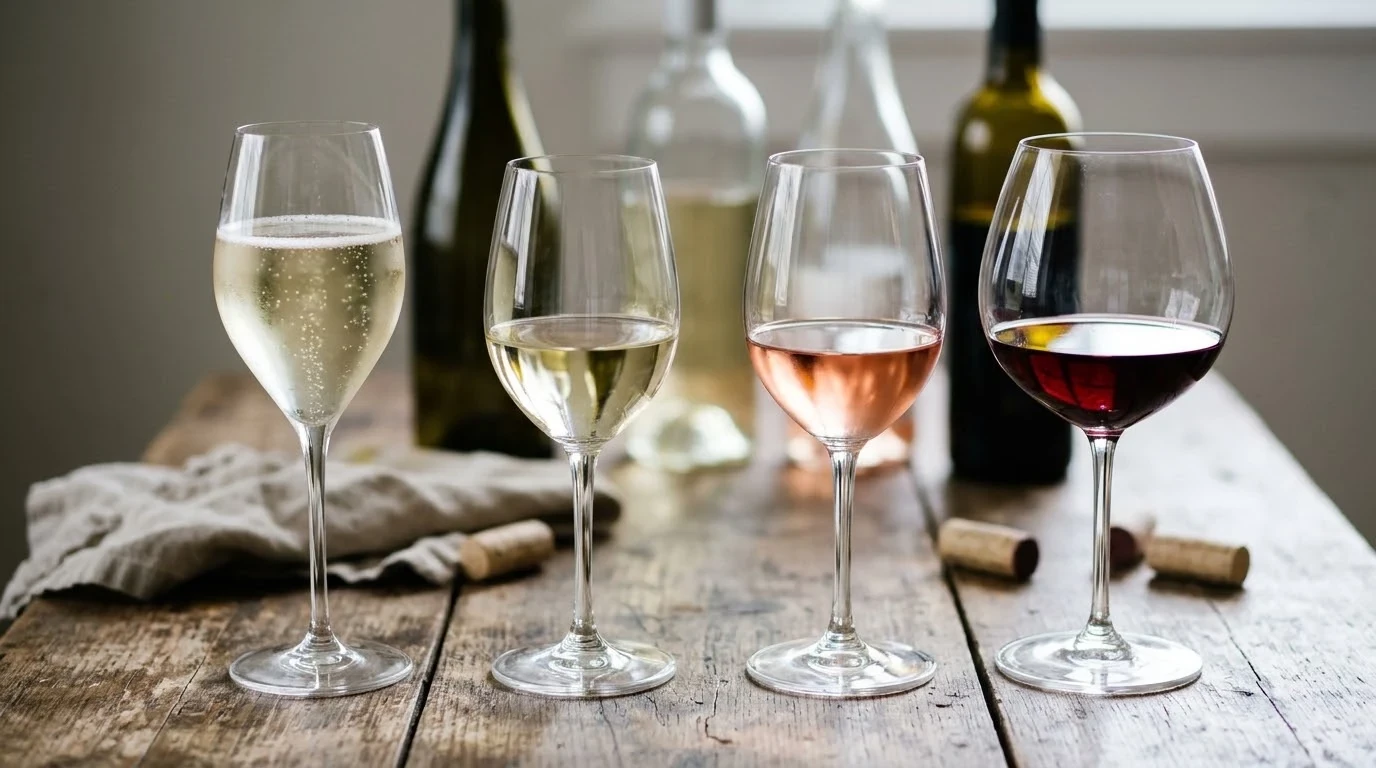
This blue nun wine review finds that Blue Nun is best suited to drinkers who enjoy approachable, fruity wines with noticeable sweetness, moderate alcohol in several white varieties, and uncomplicated flavors. Its Authentic White is a particularly accessible starting point, while Riesling, Gewürztraminer, Merlot, Cabernet Sauvignon, and sparkling selections offer different experiences. Blue Nun is not primarily a choice for people seeking highly complex, bone-dry wines, but its broad portfolio provides options for different tastes and occasions.
Blue Nun has one of the most recognizable identities in the international wine trade. Its reputation developed around approachable German white wine, although the modern range extends well beyond the familiar Liebfraumilch association. Understanding the differences between its bottles, particularly sweetness, grape variety, alcohol content, and serving temperature, makes choosing the right one considerably easier.
Who This Blue Nun Wine Review Is For
Blue Nun is worth considering for casual wine drinkers who prefer fruit-forward flavors, gentle sweetness, and wines that do not require extensive knowledge of grape varieties or wine regions. Its different styles also make it relevant to shoppers looking for an uncomplicated white, an easygoing red, or a sparkling wine for a celebration.
The brand became internationally recognizable through its German white wine identity and its association with Liebfraumilch. Its historical popularity during the 1970s and 1980s created a lasting reputation for approachable, relatively sweet wine. That reputation still influences how many shoppers perceive the label, although the modern selection is more varied than that familiar image suggests.
Blue Nun’s current portfolio includes Authentic White, Riesling, Gewürztraminer, Merlot, Cabernet Sauvignon, sparkling selections, dessert wines, and alcohol-free alternatives. This makes it important to identify the actual bottle rather than assuming that every Blue Nun wine has the same sweetness, origin, or flavor.
Blue Nun is particularly appropriate for these types of drinkers:
- New wine drinkers: People who prefer accessible fruit flavors and do not want strongly tannic or heavily structured wines.
- Fans of slightly sweet whites: Drinkers who enjoy peach, apple, and other ripe fruit characteristics.
- Casual hosts: People looking for a recognizable bottle for informal dinners, appetizers, and social occasions.
- Lower-alcohol wine shoppers: People comparing white wines around the 9% to 10.5% ABV range.
- Wine variety explorers: Shoppers interested in comparing Riesling, Gewürztraminer, Merlot, and Cabernet Sauvignon within one brand.
On the other hand, shoppers who consistently prefer very dry Sauvignon Blanc, structured Bordeaux, or age-worthy German Riesling may find some Blue Nun selections too simple or sweet. The brand’s general appeal is accessibility rather than demonstrating the most intricate expression of a particular vineyard.
For a broader look at how familiar labels differ in sweetness, style, and everyday appeal, the Wine Brands category provides a useful starting point.
Key Factors to Compare Before Buying Blue Nun
The most important buying considerations are sweetness, grape variety, alcohol content, and the intended occasion. Authentic White, for example, has a different balance from Riesling and Gewürztraminer, even though all three are white wines associated with fruity German styles.
| Wine | Alcohol | Residual Sugar | Acidity | Serving Temperature |
|---|---|---|---|---|
| Authentic White | 10% | 30 g/L | 6.5 g/L | 50–54°F |
| Riesling | 10.5% | Not listed | Not listed | 48–52°F |
| Gewürztraminer | 10.5% | 34 g/L | 5.0 g/L | 50–54°F |
| Merlot | 13% | 6 g/L | 5.0 g/L | 59–63°F |
| Cabernet Sauvignon | 13.5% | 9 g/L | 5.0 g/L | 59–63°F |
| 24K Gold Edition | 11% | Not listed | Not listed | 46–50°F |
Figures come from the producer’s published product information. Missing analytical measurements are not estimated. Product specifications can vary between markets and individual bottlings.
Sweetness and acidity
Sweetness is arguably the biggest factor in deciding whether Blue Nun will suit your preferences. Authentic White contains 30 grams of residual sugar per liter, while Gewürztraminer contains 34 grams per liter according to the producer. These figures help explain why both wines are better suited to people who appreciate noticeable sweetness than those who want a completely dry white.
Acidity is equally important because it influences how refreshing a wine feels. Authentic White has 6.5 grams per liter of acidity, compared with 5 grams per liter for Gewürztraminer. The difference helps explain why the two wines can offer different impressions even when both have fruity, slightly sweet profiles.
Alcohol content
The white wines generally have lower alcohol levels than the two featured red varieties. Authentic White has 10% ABV, Riesling has 10.5% ABV in the producer’s main product listing, and Cabernet Sauvignon reaches 13.5% ABV.
There can be differences between individual markets and bottlings. For example, The Independent reports 9% ABV for the UK Riesling it reviewed, while the producer’s main product listing gives 10.5%. Wine Enthusiast also lists a separate Rheinhessen white at 9.5% ABV. These distinctions are a good reason to compare the exact product rather than assuming one alcohol figure applies to every bottle. The Blue Nun wine alcohol content guide provides more detail about these differences.
Grape variety and wine style
Grape variety gives another useful indication of what to expect. Riesling is generally associated with high acidity and aromatic fruit, while Gewürztraminer often has expressive floral and spice characteristics. Merlot typically has softer tannins than Cabernet Sauvignon, which generally produces a more structured red wine.
These differences mean that selecting a bottle based on its grape name can be more useful than relying entirely on the Blue Nun brand name. Someone who enjoys soft, approachable reds may prefer Merlot, whereas someone who likes firmer tannins and a more substantial structure may prefer Cabernet Sauvignon.
Step-by-Step: How to Choose the Right Blue Nun Wine
A simple selection process can narrow the choices quickly. Start with sweetness, identify the preferred wine color, and then match the bottle to the meal or occasion.
- Decide whether you prefer sweet, off-dry, or dry wine.
Choose Authentic White if you enjoy noticeable sweetness and fruity flavors. Riesling offers another aromatic white option, while Merlot and Cabernet Sauvignon are better starting points for shoppers seeking red wine with comparatively little residual sugar.
- Choose the color and general body.
White wine is generally the most approachable starting point for someone who likes apple, peach, and citrus flavors. Merlot offers a smoother red-wine direction, while Cabernet Sauvignon is the more structured option.
- Consider alcohol content.
Compare the 10% ABV Authentic White with the 13% ABV Merlot and 13.5% ABV Cabernet Sauvignon. This gives you a practical way to distinguish lighter and stronger options without relying on vague descriptions.
- Match the wine with food.
Authentic White works with chicken, vegetables, fish, and Asian cuisine according to the producer. Merlot is recommended with red meat, pasta, stews, and cheese.
- Choose a bottle for the occasion.
Still whites work well for casual dinners, whereas the 24K Gold Edition is designed as a sparkling option for celebrations and appetizers. An alcohol-free selection may also be appropriate when a nonalcoholic alternative is wanted.
- Compare the exact product information.
Blue Nun’s international portfolio can differ by market. Compare the product name, alcohol percentage, bottle format, and available product information before making a final selection.
This approach is especially helpful when shopping online because different Blue Nun wines can look similar in search results while offering substantially different styles. Paying attention to the variety and alcohol percentage helps avoid choosing a bottle that is sweeter or stronger than expected.
Tip: If you are buying Blue Nun for someone whose preferences are unknown, start by identifying whether they normally enjoy sweet white wine or dry wine. This single distinction can prevent the most common mismatch, particularly between Authentic White and the red varieties.
Blue Nun Types and Wine Styles Explained
Blue Nun offers several distinct wine categories, and the best option depends on the flavor profile and drinking occasion you prefer. Its familiar German white wines are only part of the range, with French-origin red varieties, sparkling selections, and alcohol-free products also available.
Authentic White
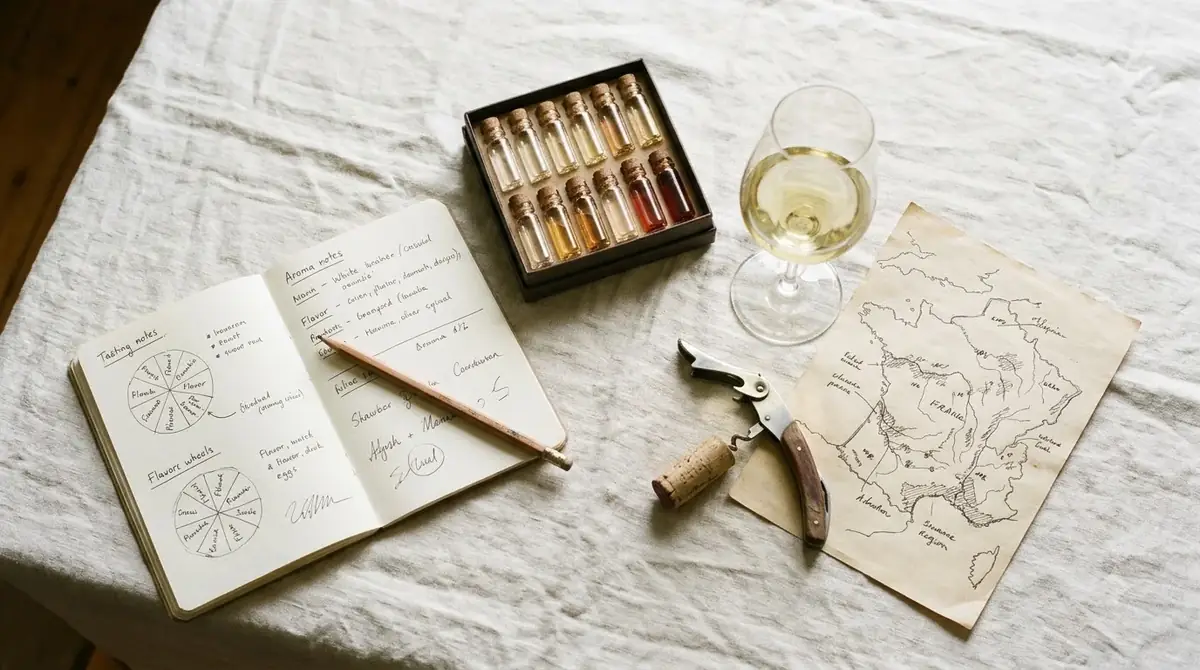
Authentic White is one of the most useful starting points for understanding the brand’s modern identity. The producer describes it as aromatic, fruity, soft, and slightly sweet, with apple and other fruit aromas accompanied by refreshing acidity.
Its listed specifications are 10% ABV, 30 grams per liter of residual sugar, and 6.5 grams per liter of acidity. The recommended serving temperature is 10–12°C, approximately 50–54°F. This balance makes it a practical choice for people who enjoy approachable white wines rather than austere, bone-dry styles.
The producer recommends pairing it with light stews, chicken, vegetables, Asian cuisine, and fish. It can also work as a casual aperitif when served properly chilled.
Riesling
Blue Nun Riesling is another white option, distinguished by its aromatic character and lively acidity. Riesling is a particularly useful variety for shoppers who want fruity flavors without assuming that every bottle will have the same sweetness level.
The producer describes its Riesling as having slight residual sweetness and fruit acidity. Its main product listing gives an alcohol level of 10.5% ABV and recommends a serving temperature of 9–11°C, approximately 48–52°F. Other market-specific bottlings may differ: The Independent, for example, reports a 9% ABV Riesling in its review of the UK range.
Riesling is generally a good choice with food that benefits from acidity. Chicken, vegetables, fish, and dishes with aromatic seasonings are sensible pairing options. Its acidity can also help balance mildly spicy foods, although particularly hot chili dishes require more care because alcohol and tannin can intensify perceived heat.
Gewürztraminer
Gewürztraminer is a distinctive option for shoppers who prefer aromatic wine. Blue Nun describes its version as rich and yellow in color, with rose and vanilla aromas, making it quite different from the simpler apple-and-fruit profile associated with Authentic White.
The published analytical information lists 10.5% ABV, 34 grams per liter of residual sugar, and 5 grams per liter of acidity. Its recommended serving temperature is 10–12°C, or approximately 50–54°F.
The producer suggests pairing it with white meat and spicy cheese. Its aromatic character also makes it an interesting option for dishes with fragrant herbs and moderately spicy seasonings.
Merlot and Cabernet Sauvignon
Blue Nun’s red wines provide an alternative for shoppers who do not want a sweet white. The Merlot is described as smooth and full-bodied, with blackcurrant and plum-spice characteristics. Its listed alcohol content is 13% ABV, with 6 grams per liter of residual sugar.
The Cabernet Sauvignon is sourced from France’s Languedoc region according to the producer. It has 13.5% ABV and 9 grams per liter of residual sugar, with a fruit-forward and spicy profile.
Both wines are recommended with red meat, stews, pasta, rich soups, and cheese. The producer suggests serving them at 15–17°C, approximately 59–63°F.
Sparkling wines and special editions
Blue Nun’s sparkling range is designed for a different drinking occasion. The 24K Gold Edition is particularly recognizable because it contains approved edible 24-karat gold flakes. Its alcohol content is 11%, and the producer lists 200 ml, 750 ml, and 3-liter formats.
The Blue Edition is another sparkling option, described as having peach, mango, and tropical fruit aromas. The 24K Rosé Edition offers a pink sparkling alternative with 11% ABV and 32 grams per liter of residual sugar.
These bottles are more appropriate for celebrations, aperitifs, and light appetizers than for shoppers primarily interested in a conventional dry table wine. The producer recommends serving its sparkling wines at 8–10°C, approximately 46–50°F.
Alcohol-free and dessert wines
The brand also offers alcohol-free alternatives. Its listed Alcohol-Free White contains 0.2% ABV, while its Alcohol-Free Red contains 0.1% ABV. These products provide options for people seeking wine-style drinks with very low alcohol content.
Blue Nun’s dessert selection includes Eiswein, a German ice wine made from grapes harvested under specific freezing conditions. The producer explains that German regulations require grapes used for qualifying ice wine to be harvested at temperatures of -7°C or colder.
Ice wine is a different proposition from everyday Authentic White. Its concentrated fruit sweetness makes it more appropriate for dessert or after-dinner drinking than for serving as a general-purpose dinner white.
Independent coverage provides another useful perspective on the modern range. The Independent’s Blue Nun review describes its reviewed Authentic White as medium-sweet, light-bodied, and fruit-forward, with subtle peach characteristics. That assessment is useful context for shoppers who want an independent impression rather than relying only on the producer’s tasting description.
Common Mistakes When Buying Blue Nun
Most disappointing purchases result from choosing the wrong sweetness level or assuming that every bottle under the Blue Nun name tastes alike. Understanding the difference between the white, red, and sparkling categories makes it easier to avoid these problems.
Assuming every Blue Nun bottle is Liebfraumilch
Blue Nun became famous internationally through its Liebfraumilch association, but the current portfolio is considerably broader. Authentic White, Riesling, Gewürztraminer, Merlot, Cabernet Sauvignon, and sparkling wines have different characteristics.
The modern Authentic White is presented as a distinct product rather than simply relying on the old Liebfraumilch identity. This is important because shoppers familiar with the historic label may expect a single traditional flavor profile across the entire range.
Expecting a completely dry white
Authentic White contains 30 grams per liter of residual sugar, so it is not a sensible first choice for someone who strongly dislikes sweetness. Gewürztraminer has an even higher listed residual sugar level of 34 grams per liter.
People who prefer crisp, dry whites should pay particular attention to the product description and grape variety. A dry-style Sauvignon Blanc or a dry German Riesling from another producer may better suit those preferences.
Assuming all Blue Nun wines have low alcohol
The brand’s white wines are relatively moderate in alcohol, but the red varieties have higher figures. Merlot contains 13% ABV, while Cabernet Sauvignon contains 13.5% ABV according to the producer.
Comparing these figures before buying is especially useful when choosing between a bottle for a casual daytime occasion and one for a fuller evening meal. The brand name alone does not provide enough information to establish alcohol content.
Choosing by packaging instead of style
Recognizable packaging can make Blue Nun easy to identify, but it does not explain what is inside. A bottle of 24K Gold Edition is a sparkling wine, while Authentic White is a still white wine with a different purpose and flavor profile.
The same principle applies to the red varieties. Merlot and Cabernet Sauvignon should not be treated as interchangeable simply because they belong to the same producer. Their tannin levels and overall structure differ considerably.
Serving white wine too warm
Warm white wine can seem heavier and less refreshing, especially when it has noticeable residual sweetness. Authentic White is intended to be served at approximately 50–54°F, while the producer recommends 48–52°F for its Riesling.
Serving the wine too cold can also suppress its aromas. A balanced approach is to chill the bottle properly and allow it to warm slightly in the glass if the fruit characteristics seem muted.
Pairing sweet wine with very sweet desserts
A dessert that is sweeter than the wine can make the wine taste comparatively sharp or thin. A better approach is to select a wine at least as sweet as the dessert being served.
For example, a fruit-forward dessert wine is a more natural choice for a sweet fruit tart than a dry red. The same consideration applies to Blue Nun Eiswein, which is specifically positioned for dessert and after-dinner occasions.
Blue Nun Care, Serving and Storage Tips
Proper serving and storage help preserve the fruit aromas and balance that define Blue Nun’s different styles. Temperature is especially important, with sparkling wines, aromatic whites, and red wines each benefiting from different serving conditions.
Serve each style at the right temperature
For Authentic White, aim for 50–54°F, following the producer’s recommendation of 10–12°C. Riesling benefits from slightly cooler service at approximately 48–52°F, while Gewürztraminer is best served around 50–54°F.
For the red wines, approximately 59–63°F is a useful target based on the producer’s recommendation of 15–17°C. This is cooler than many warm indoor environments, so a short period in the refrigerator before serving may be helpful.
Sparkling Blue Nun should be served cooler, at approximately 46–50°F. Chilling helps keep the bubbles refreshing and makes the wine more suitable for appetizers and celebrations.
Use appropriate glassware
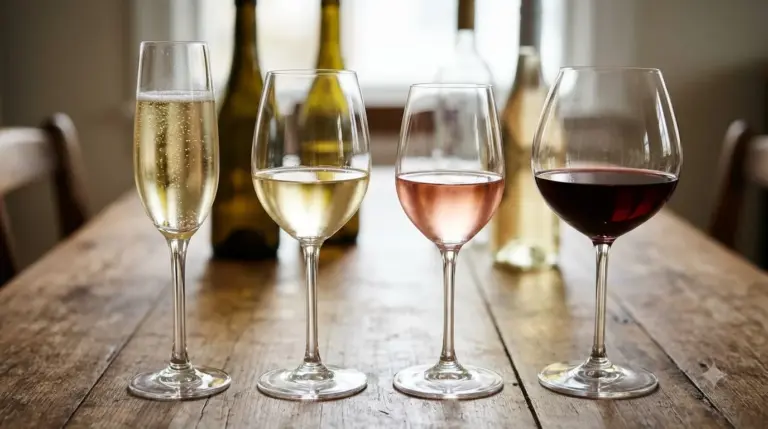
A standard white wine glass works well for Authentic White, Riesling, and Gewürztraminer. A moderate bowl allows aromatic characteristics to develop without requiring a large glass.
Merlot and Cabernet Sauvignon can be served in medium-sized red wine glasses. A somewhat larger bowl provides more room for the wine’s fruit and structure to become apparent.
For sparkling selections, a flute or tulip-shaped sparkling glass helps retain the bubbles while allowing aromas to develop. The most important consideration is using clean glassware that does not interfere with the wine’s appearance or aroma.
Store unopened bottles correctly
Wine should generally be stored in a cool, dark location with a reasonably stable temperature. Around 55°F is a useful target for longer-term storage, although avoiding temperature fluctuations is more important than achieving one exact number.
Keep cork-sealed bottles on their sides when appropriate to help prevent the cork from drying out. Avoid direct sunlight, warm kitchen cupboards, and locations near appliances that generate heat.
Blue Nun’s approachable everyday styles are generally intended for convenient drinking rather than extended cellaring. There is little reason to purchase these bottles specifically for long-term aging unless the particular wine has been identified as suitable for that purpose.
Preserve opened wine
After opening a still white or red wine, replace the closure and refrigerate the bottle. Most opened still wines retain reasonable quality for approximately three to five days, although the exact period depends on the wine, storage conditions, and exposure to oxygen.
Opened sparkling wine generally lasts around one to three days when stored with an appropriate sparkling-wine stopper in the refrigerator. Keeping the bottle cold and limiting oxygen exposure helps preserve its remaining bubbles.
When serving Blue Nun at a gathering, consider pouring moderate 5-ounce glasses. A standard 750 ml bottle provides approximately five such servings, making it straightforward to estimate how many bottles are needed for a dinner or informal event.
Choose food pairings that complement sweetness
Food pairing can make a noticeable difference to the overall experience. Authentic White is recommended with chicken, vegetables, Asian cuisine, and fish, while Merlot and Cabernet Sauvignon are suggested with red meat, pasta, and rich soups.
For dishes with substantial acidity, select a wine with comparable or higher acidity so the wine does not seem flat. Salt and fat can soften the perception of tannin, which is useful when serving red wine with cheese or richer meat dishes.
Avoid pairing strongly tannic reds with oily fish, as the combination can create an unpleasant metallic impression. Very spicy dishes also require care because alcohol and tannin can intensify the perception of chili heat.
For shoppers comparing approachable everyday labels, Barefoot wine provides another useful brand to consider. Comparing its individual varieties with Blue Nun is more informative than assuming that two recognizable wine brands offer identical sweetness and structure.
Frequently Asked Questions
Is Blue Nun wine still made in Germany?
Blue Nun’s German wine selections are associated with regions such as Rheinhessen, while some products have different origins. Its Cabernet Sauvignon, for example, is described by the producer as coming from France’s Languedoc region. Therefore, the country of origin depends on the specific bottle rather than the brand name alone.
What does the name Liebfraumilch mean?
Liebfraumilch is commonly translated as the milk of Our Lady and refers to a traditional German wine style associated with the Liebfrauenkirche area of Worms. It became internationally recognizable through German white wines during the twentieth century. Blue Nun helped make the name familiar to consumers far beyond Germany.
Does Blue Nun produce organic wine?
The producer’s main portfolio information does not establish that the entire Blue Nun range is certified organic. Organic status is a specific production and certification claim, not something that can be assumed from a wine’s country of origin or grape variety. Shoppers seeking certified organic wine should look for an explicit certification on the individual product.
Can Blue Nun wine be used for cooking?
Yes, suitable Blue Nun still wines can be used in cooking when their flavor profiles complement the recipe. Merlot can contribute fruit and body to a red-wine sauce, while a white selection can be used in certain chicken or vegetable dishes. Avoid using a strongly sweet wine in a recipe designed specifically for a dry wine unless the additional sweetness is intentional.
How many glasses are in a standard Blue Nun bottle?
A standard 750 ml bottle contains approximately five servings when poured in 5-ounce portions. A 200 ml sparkling bottle provides approximately 1.35 servings of the same size, while a 3-liter sparkling format contains approximately 20 standard 5-ounce servings. Actual pours will vary depending on the glass and serving size.
Blue Nun remains a recognizable choice for shoppers who appreciate accessible wines, fruit-forward flavors, and approachable sweetness. Authentic White is a logical starting point for fans of slightly sweet German whites, while Riesling, Gewürztraminer, Merlot, Cabernet Sauvignon, and sparkling selections offer more specific alternatives. The best purchase ultimately depends on the sweetness, alcohol level, and wine style that match your preferences and the occasion.
More in Wine Brands
 Franzia Chardonnay Price: Compare Box Sizes and Find Better ValueUpdated Nov 21, 2026
 Fess Parker Wine Review: Find the Right Santa Barbara BottleUpdated Nov 21, 2026
 Château Mouton Rothschild Wine Price: What to Expect Before BuyingUpdated Nov 21, 2026
 Fonseca Port Price: Compare Bottles, Styles, and ValueUpdated Nov 21, 2026
 Faustino Wine Review: Compare Rioja Styles and Find Your Ideal BottleUpdated Nov 21, 2026
 Fetzer Gewurztraminer Wine Review: Flavor, Sweetness and Food PairingsUpdated Nov 21, 2026