

We may earn a commission when you buy through links on this page, at no extra cost to you. Learn more.
The aveleda wine price typically ranges from about $8 to $20 for many standard and mid-tier 750 ml bottles in the United States, while premium selections can cost considerably more. Entry-level Vinho Verde and Fonte wines are generally the most accessible choices, while single-variety Alvarinho and reserve bottlings offer more specialized options. The right bottle depends on your preferred grape, wine style, intended occasion, and local retailer availability.
Aveleda is a Portuguese producer particularly associated with Vinho Verde, a region known for fresh, lively white wines. Its portfolio includes approachable blends, aromatic single-variety wines, rosé, and more ambitious selections. Understanding the differences between these categories makes it easier to judge whether a particular bottle represents good value rather than simply choosing the least expensive option.
Who Should Consider Aveleda Wine?
Aveleda is a useful brand to explore for shoppers who enjoy refreshing Portuguese wines, especially crisp whites with citrus, orchard-fruit, and mineral characteristics. Its range covers casual meals, warm-weather gatherings, seafood dinners, and occasions where a more distinctive Portuguese grape variety is desirable.
Shoppers looking for an affordable everyday white should begin with the standard Aveleda Vinho Verde or Fonte bottlings. These wines offer an introduction to the producer’s regional style without requiring a large investment. The combination of freshness, fruit, and moderate alcohol in the traditional Vinho Verde category makes these bottles suitable for serving as an aperitif or alongside uncomplicated meals.
People who already enjoy Sauvignon Blanc, Pinot Grigio, or other refreshing white wines may find Aveleda particularly appealing. Its Vinho Verde blends often emphasize citrus and green-fruit flavors rather than pronounced oak or heavy buttery textures. That distinction is useful for anyone who prefers a lighter-feeling wine with noticeable acidity.
More adventurous shoppers should consider the Alvarinho and Loureiro selections. These wines provide an opportunity to explore individual Portuguese varieties rather than relying entirely on a regional blend. According to Wine Enthusiast’s review of Aveleda Loureiro-Alvarinho, the wine can show green apple, white peach, white pepper, and a subtle oceanic character. The publication’s Aveleda Loureiro-Alvarinho review provides additional tasting and pairing details.
Aveleda is also worth considering for shoppers comparing Portuguese brands with familiar supermarket labels. If you are exploring other accessible wine producers, our guide to Barefoot wine provides another point of comparison, although the grape varieties and regional identities are different.
Key Factors That Affect Aveleda Wine Price
The main factors affecting an Aveleda bottle’s cost are the wine range, grape variety, production positioning, vintage, and retailer. Comparing wines within the same category and bottle size gives a more useful indication of value than comparing unrelated selections.
| Aveleda category | Typical US retail range | What shoppers can expect |
|---|---|---|
| Standard Vinho Verde | About $8–$13 | Approachable, fresh regional white wine |
| Fonte Vinho Verde | About $8–$14 | Fruit-forward white with citrus and floral notes |
| Rosé | About $9–$15 | Refreshing alternative for casual meals |
| Alvarinho | About $11–$20 | Aromatic single-variety Portuguese white |
| Loureiro-Alvarinho | About $12–$20 | Blended white with aromatic complexity |
| Solos and premium selections | About $16–$30 or more | More specialized wines and premium positioning |
These are indicative US retail shopping ranges rather than guaranteed prices for every vintage or store. Vino Alert’s Aveleda producer comparison and individual wine listings show entry-level Vinho Verde and Fonte offers around the lower end of the market, with Alvarinho and premium selections extending into higher price categories. Prices vary by state and retailer, and shipping, taxes, bottle size, and availability can change the final amount.
Grape variety is another important consideration. Aveleda’s traditional regional blends can combine Loureiro, Trajadura, Arinto, and Azal. These varieties contribute to the fresh, aromatic character associated with Vinho Verde. A bottle made primarily from Alvarinho, by contrast, offers a more focused expression of one grape and may occupy a different price category.
Vintage and bottle size also matter. A 750 ml bottle should be compared with another 750 ml bottle, not with a 1.5-liter format. Similarly, a vintage-specific Alvarinho should not automatically be compared with a non-vintage regional blend as though the two wines were identical products.
Retailer pricing is not uniform across the country. Total Wine, for example, lists Aveleda Fonte Vinho Verde White Blend in a 750 ml format and explicitly notes that its price, vintage, and availability may vary by store. Its Aveleda Fonte product listing is one example of the information shoppers can use when comparing local inventory.
For a broader introduction to Portuguese and international producers, visit our wine brands resource to compare different approaches to grape varieties, regional identity, and everyday wine buying.
Step-by-Step: How to Choose an Aveleda Bottle
The easiest way to select an Aveleda wine is to begin with your preferred flavor profile and then compare the bottle’s category, size, and retail range. A few simple checks can prevent an inexpensive purchase from becoming a disappointing choice.
-
Decide between white, rosé, and other styles.
Start by deciding what you want to drink. A crisp Vinho Verde white suits seafood and light meals, while an Aveleda rosé provides another option for outdoor gatherings and casual lunches. If you prefer a richer or more concentrated white, investigate the producer’s Alvarinho selections.
-
Choose between a blend and a single-variety wine.
Regional blends are a sensible starting point for people unfamiliar with Portuguese grapes. Alvarinho is a useful choice for shoppers who want a more defined varietal expression, while Loureiro is attractive to people who appreciate aromatic whites. The producer’s portfolio includes both varieties as separate bottlings.
-
Identify the intended occasion.
For a weekday dinner, an approachable Vinho Verde can be more practical than a premium reserve. For a seafood dinner or a gathering featuring several small dishes, a more distinctive Loureiro-Alvarinho bottle may be worth considering.
-
Compare equivalent bottle sizes.
Use the 750 ml format as your standard comparison. If a retailer offers a 1.5-liter bottle, calculate its equivalent cost per 750 ml before deciding whether the larger format represents better value.
-
Check the grape composition and alcohol level.
Different Aveleda wines can have different blends and alcohol percentages. For example, Wine Enthusiast lists 11.5% alcohol for its reviewed 750 ml 2025 Loureiro-Alvarinho. The producer’s older 2017 Vinho Verde technical information lists 9.5% alcohol, illustrating why it is important to distinguish individual bottlings.
-
Compare local retailer offers.
Check at least two retailers where possible. Compare the same wine, vintage, and bottle size, taking shipping and applicable taxes into account. A retailer with a slightly higher displayed bottle cost might still be more convenient if it offers local pickup.
-
Match the wine to your food and serving conditions.
Choose a wine with sufficient acidity for the meal, and serve light whites properly chilled. A refreshing white is particularly useful with seafood, salads, shellfish, and dishes featuring fresh herbs or citrus.
Tip: If you are buying Aveleda for the first time, start with a standard Vinho Verde or Fonte bottle. Once you know whether you prefer its citrus-driven freshness or a more aromatic varietal style, move to Loureiro and Alvarinho selections.
This approach also helps shoppers avoid paying a premium simply because a bottle belongs to a more expensive category. A higher-priced wine can offer a different experience, but that does not automatically make it a better match for every meal or preference.
Aveleda Wine Types and Styles Explained
Aveleda’s portfolio includes several distinct categories, from regional blends to premium wines. Understanding the main styles is more useful than treating every bottle bearing the producer’s name as interchangeable.
Standard Vinho Verde
The standard Vinho Verde category is a natural starting point. Aveleda’s official sales information identifies Loureiro, Trajadura, Arinto, and Azal in its classic regional blend. The producer describes the wine as fresh, mineral, lively, and versatile.
These characteristics make the style suitable for people who enjoy bright white wines rather than rich, heavily oaked Chardonnay. Green apple, citrus, and mineral impressions are common reference points for understanding the style. The balance between acidity and fruit also makes it useful alongside seafood, grilled vegetables, and lighter chicken dishes.
Aveleda Fonte
Fonte is another approachable Vinho Verde option. Total Wine describes Aveleda Fonte Vinho Verde White Blend as pale straw in color, with floral aromas and notes of peach and tropical fruit. Its product description also mentions freshness, a soft palate, and citrus-spice hints.
That profile makes Fonte a reasonable choice for people who enjoy fruit-forward whites without wanting a heavily sweet wine. It can work with shrimp, grilled fish, salads, and simple appetizers. For shoppers comparing entry-level bottles, Fonte deserves attention alongside the standard Vinho Verde rather than being assumed to be a completely unrelated style.
Loureiro
Loureiro is an aromatic Portuguese white grape associated with fresh floral and citrus characteristics. It can appeal to people who enjoy expressive whites with a fragrant nose and lively acidity. An individual-variety bottling is also a useful way to understand how one grape contributes to the wider Vinho Verde style.
Wine Enthusiast features an Aveleda Loureiro bottling among the additional wines in its Aveleda selection. This provides a useful starting point for shoppers interested in exploring beyond the producer’s standard blend.
Alvarinho
Alvarinho is particularly interesting for shoppers who want a more focused Portuguese white wine. It can offer pronounced fruit, aromatic intensity, and refreshing acidity. Its character makes it suitable for seafood, shellfish, and dishes with herbs or moderate spice.
Wine Enthusiast’s Aveleda Loureiro-Alvarinho review provides a helpful example of how these grapes can work together. The publication describes green apple, white peach, white pepper, and a slightly salty oceanic note, with a fresh finish. Its recommended food matches include hard sheep cheeses and assorted snacks.
Rosé and Premium Selections
Aveleda also offers rosé and more specialized selections. These give shoppers alternatives to the familiar crisp white wines and can be useful for occasions where a different color or a more distinctive bottle is preferred.
The producer’s official portfolio identifies Classic, Varietal, and Reserve ranges. Its reserve selections include Reserva da Família bottlings associated with Bairrada and Alvarinho. These categories should be considered separately from the entry-level Vinho Verde range because they serve different purchasing preferences.
For shoppers interested in sparkling alternatives, our La Marca Prosecco article offers a useful comparison with a familiar Italian sparkling-wine style. Prosecco and Vinho Verde are different categories, but both can appeal to people looking for refreshing wines for casual occasions.
Common Mistakes When Comparing Aveleda Prices
Price comparisons become misleading when shoppers overlook differences in wine category, bottle size, vintage, and grape composition. The cheapest listing is not necessarily the best purchase if it represents a different wine or a smaller bottle.
One common mistake is comparing standard Vinho Verde directly with premium Alvarinho. Although both may come from the same producer and regional identity, their grape composition and positioning can be different. A single-variety wine may provide a more focused expression, while a regional blend may be intended as an accessible everyday option.
Another mistake is assuming that every bottle labeled Vinho Verde is sweet. The category includes wines with different sweetness levels, and Aveleda’s wines should be assessed individually. The producer’s technical information for its 2017 Vinho Verde, for example, lists 15 grams per liter of sugar. That figure belongs to that particular bottling and should not be applied automatically to other wines in the portfolio.
Shoppers should also avoid judging wine quality solely by alcohol percentage. The older 2017 Aveleda Vinho Verde technical information lists 9.5% alcohol, while Wine Enthusiast lists 11.5% for its reviewed 2025 Loureiro-Alvarinho. These differences reflect individual wines and do not establish that one is inherently better.
Ignoring retailer location is another frequent problem. Wine retailers operate under different state shipping rules and inventory conditions. A bottle listed online may not be available for delivery in every state, and the displayed amount may not include taxes or shipping charges.
Finally, do not assume that a higher-priced reserve wine is automatically the right choice for everyday drinking. If your main requirement is a fresh white for a simple seafood lunch, a standard Vinho Verde may be more appropriate than a more expensive specialized selection. Value depends on how well the wine meets your needs, not simply on its position within a producer’s portfolio.
Serving and Storage Tips for Aveleda Wine
Proper serving temperature helps preserve the freshness and aromatic character that make Vinho Verde appealing. Light Portuguese whites generally benefit from chilling, while storage conditions help protect the wine from unnecessary heat and oxidation.
For light white wines such as standard Vinho Verde and Fonte, a serving temperature around 45–50°F is a practical starting point. Full-bodied whites are generally served slightly warmer, around 50–55°F. If a wine is extremely cold, some of its aromatic detail can become difficult to appreciate.
Aveleda’s official sales information recommends serving its 2017 Vinho Verde between 8°C and 10°C, equivalent to approximately 46–50°F. This recommendation fits comfortably within the usual range for light white wines. Allowing a chilled bottle to warm slightly in the glass can help its floral and fruit aromas become more apparent.
Food pairing should account for the wine’s acidity and body. Crisp whites work particularly well with grilled fish, shrimp, oysters, codfish cakes, and fresh salads. The producer’s sales sheet specifically identifies codfish cakes, chicken curry, and fish tacos as pairing suggestions for its Vinho Verde.
Acidic foods generally need wines with equal or greater acidity. This makes refreshing Vinho Verde a practical match for citrus-seasoned seafood and tomato-based dishes. Salt and moderate richness can also complement the wine’s acidity, while delicate fish preparations benefit from avoiding overly tannic red wines.
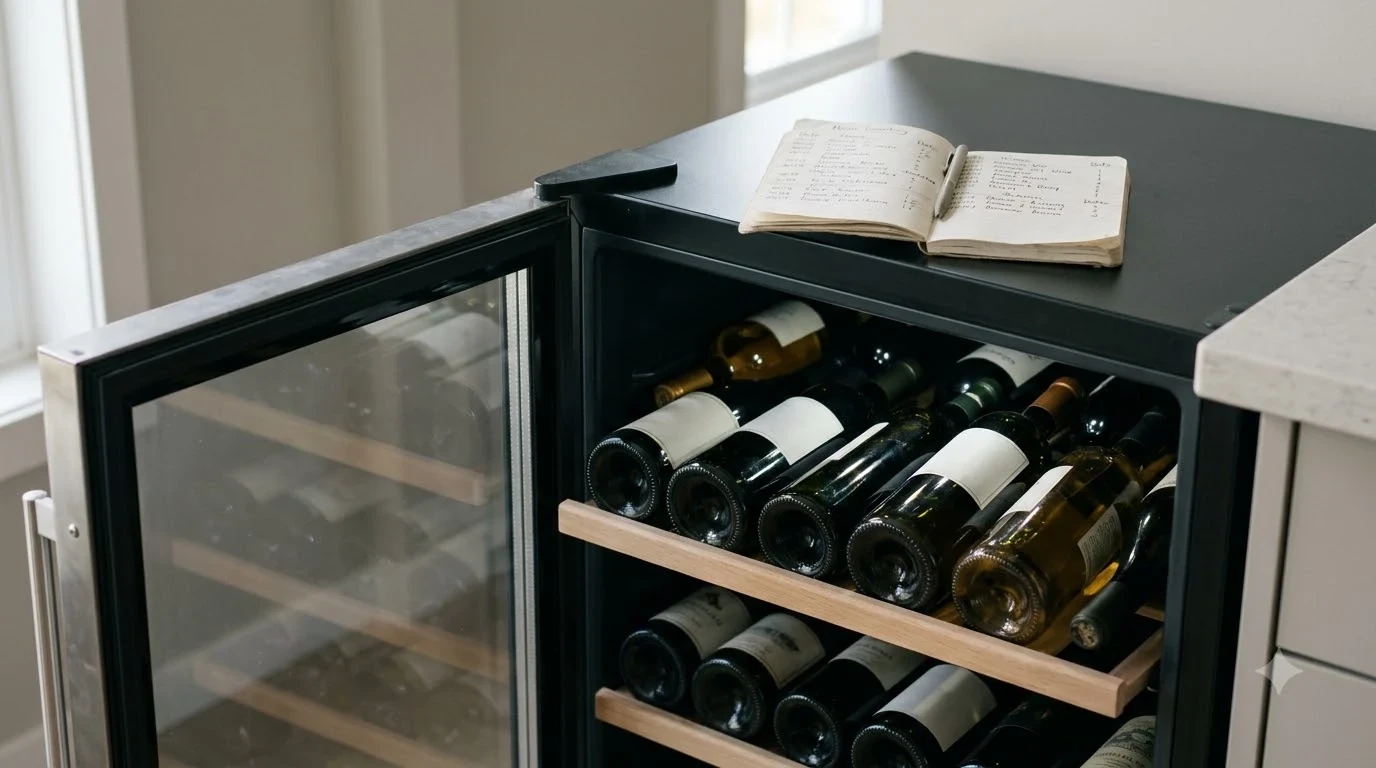
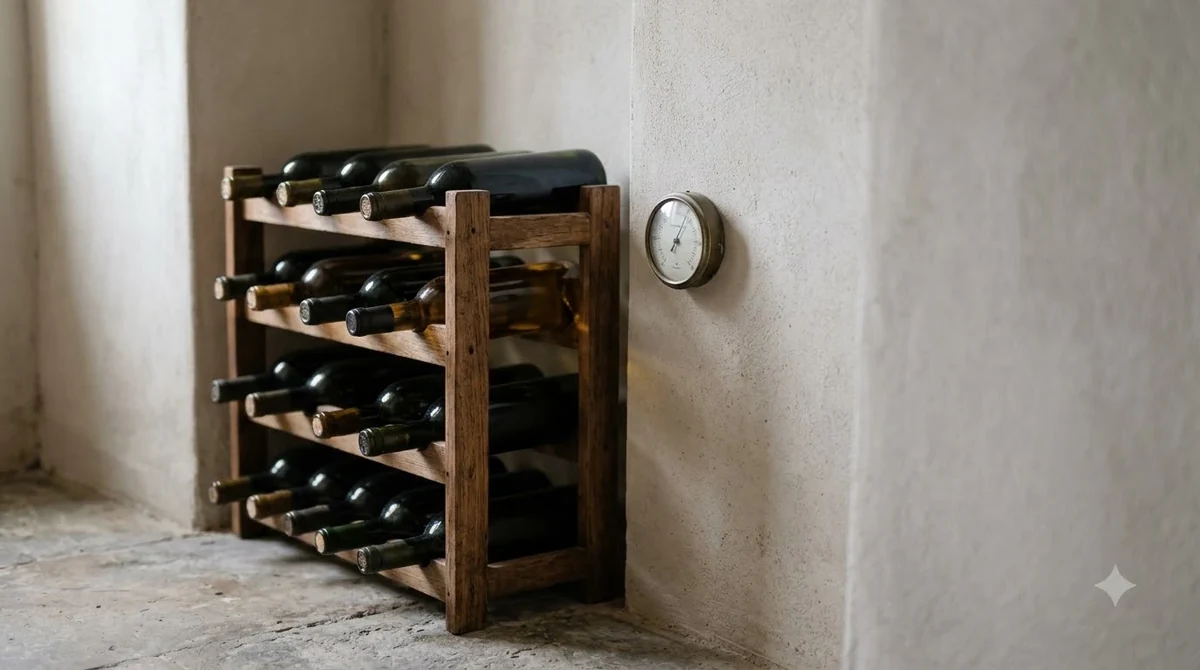
Store unopened bottles in a cool, dark place away from direct sunlight and temperature fluctuations. A storage temperature near 55°F is a useful general target. Bottles with natural cork closures are best stored on their sides to help keep the cork from drying out.
Once opened, reseal the bottle and keep it in the refrigerator. Most still white wines are best consumed within approximately three to five days, although freshness and aroma can gradually decline. A wine stopper can help reduce air exposure, but it cannot completely prevent oxidation.
For a gathering, remember that a standard 750 ml bottle provides approximately five 5-ounce servings. Planning around this serving size makes it easier to estimate how many bottles are needed without opening more wine than necessary.
Frequently Asked Questions
Is Aveleda wine made in Portugal?
Yes. Aveleda is a Portuguese wine producer associated with the Vinho Verde region. Its portfolio also includes wines associated with other Portuguese regions, including Bairrada and Lisboa. The producer’s official sales information dates its history to 1870.
Does Aveleda make wine from only Alvarinho grapes?
Yes. The producer’s portfolio includes a separate Aveleda Alvarinho bottling, alongside blended wines. This distinction allows shoppers to compare the expression of an individual grape with the broader character of a regional blend. The official portfolio also identifies a separate Loureiro bottling.
How long can an unopened Aveleda bottle be kept?
Many fresh, approachable Vinho Verde wines are intended to be enjoyed relatively young rather than stored for extended periods. Wine Enthusiast recommends drinking its reviewed 2025 Loureiro-Alvarinho within the following year or two. Premium wines may have different aging potential depending on their composition and production.
Is Aveleda suitable for serving at a large gathering?
Yes. Its approachable regional whites can work well for gatherings featuring seafood, appetizers, salads, and lighter dishes. A standard 750 ml bottle provides approximately five conventional 5-ounce pours, while a 1.5-liter bottle provides approximately ten. Keeping bottles chilled before guests arrive makes service easier.
What does Vinho Verde mean on an Aveleda bottle?
Vinho Verde identifies a Portuguese wine region and its protected regional wine designation, rather than simply describing a wine’s color. The wines can be white, rosé, or red, although the category is particularly well known internationally for its refreshing white wines. The name should therefore be understood as a regional identity rather than an indication that the wine is necessarily made from unripe grapes.
Aveleda offers a broad selection of Portuguese wines, from approachable Vinho Verde blends to more distinctive Alvarinho and reserve bottlings. For most shoppers, starting with a standard white or Fonte provides a practical introduction before exploring the producer’s more specialized selections. Compare equivalent bottle sizes, grape varieties, and local retail availability to find the Aveleda wine that offers the right combination of style and value.
More in Wine Brands
 Bertani Wine Price: Compare Bottles and Find the Right ValueUpdated Nov 21, 2026
 Beringer Main And Vine Price: Compare Bottles and Find ValueUpdated Nov 21, 2026
 Argyle Wine Price: Compare Bottle Costs and Find the Right StyleUpdated Nov 21, 2026
 Barefoot Sweet Red Review: Taste, Sweetness and Buying TipsUpdated Nov 21, 2026
 Apothic Dark Wine Review: Find a Style That Fits Your TableUpdated Nov 21, 2026
 Ariel Wine Price: Compare Bottle Costs and Choose the Right WineUpdated Nov 21, 2026