

We may earn a commission when you buy through links on this page, at no extra cost to you. Learn more.
The typical bellavista wine price in the United States ranges from about $35 to $65 for a standard 750 ml bottle, with premium Franciacorta styles and larger formats costing more. Bellavista’s Alma Grande Cuvée Brut is generally the entry point for exploring the producer, while Satèn, Rosé, La Scala, and Riserva bottlings offer different styles and price levels. Comparing the wine’s category, bottle size, and production style is more useful than choosing solely by the lowest shelf price.
Bellavista is an established Franciacorta producer from Lombardy, northern Italy, known for traditional-method sparkling wines made primarily from Chardonnay, Pinot Nero, and Pinot Bianco. Its wines occupy a different position from everyday supermarket sparkling wines, making them interesting choices for celebrations, dinner parties, and gifts. This guide explains typical American retail price ranges, the differences between the main bottlings, and how to select a bottle that fits your occasion without paying extra for a style you may not need.
Who Should Buy Bellavista Wine?
Bellavista is a good choice for buyers who appreciate traditional-method Italian sparkling wine and want something more distinctive than everyday Prosecco. Its range includes approachable non-vintage Brut, softer-textured Satèn, Rosé, and more prestigious vintage and reserve bottlings.
The producer was founded in 1977 by Vittorio Moretti in Franciacorta, Lombardy. The region is particularly associated with traditional-method sparkling wine, where the second fermentation takes place inside the bottle. This method gives the wine its persistent bubbles and can contribute to more complex aromas and textures through contact with the lees.
For someone buying sparkling wine for the first time, Alma Grande Cuvée Brut is a sensible starting point. Its combination of Chardonnay, Pinot Nero, and Pinot Bianco provides a versatile style that works as an aperitif and alongside food. The wine also gives buyers an introduction to the character of Franciacorta without immediately moving into the more expensive reserve categories.
Bellavista is especially suitable for several types of buyers:
- Traditional-method sparkling wine fans: Buyers who enjoy Champagne or Cava may appreciate Franciacorta’s fine bubbles, acidity, and developed aromas.
- Celebration shoppers: Alma Brut and Rosé work well for birthdays, anniversaries, engagement parties, and holiday dinners.
- Wine enthusiasts: Satèn, La Scala, and Riserva bottlings provide opportunities to explore differences in grape composition, vintage expression, and winemaking.
- Gift buyers: A recognizable Franciacorta producer offers a more distinctive alternative to a familiar bottle of inexpensive sparkling wine.
- Food-focused drinkers: Bellavista’s dry sparkling styles pair naturally with seafood, appetizers, poultry, and lighter dishes.
However, Bellavista is not necessarily the right purchase for someone whose only priority is finding the cheapest sparkling wine for a large gathering. An everyday Prosecco or another affordable Italian sparkling wine may be more practical when the bottle will primarily be used for casual toasts or cocktails. Buyers exploring different producers can also compare Bellavista wine with other Italian sparkling wine options before making a decision.
Key Factors to Compare When Evaluating Bellavista Wine Price
The most useful way to compare Bellavista bottles is to consider the wine’s style, production category, bottle size, and intended occasion together. A standard Alma Brut and a vintage Satèn may share the same producer but serve different purposes and occupy different retail price positions.
Retail listings provide a useful starting point. VinoAlert tracks multiple American retailers selling Bellavista Alma Grande Cuvée Brut, while specialist wine merchants also list larger formats and higher-tier bottlings. The following ranges are practical shopping estimates rather than guaranteed prices.
| Bellavista category | Typical bottle format | Indicative US retail range | Best use |
|---|---|---|---|
| Alma Grande Cuvée Brut | 750 ml | About $35–$65 | Everyday celebrations and aperitifs |
| Alma Non Dosato / Extra Brut | 750 ml | About $40–$65 | Buyers who prefer a drier profile |
| Franciacorta Satèn | 750 ml | About $45–$75 | Elegant dinners and refined appetizers |
| Franciacorta Rosé | 750 ml | About $45–$70 | Celebrations and versatile food pairings |
| La Scala Vendemmia Brut | 750 ml | About $45–$75 | Vintage-focused occasions |
| Riserva and premium selections | 750 ml | About $90–$160 or more | Gifting and special celebrations |
| Alma Grande Cuvée Magnum | 1.5 liters | About $75–$100 | Large dinners and entertaining |
These estimates are informed by VinoAlert’s US retail listings, which include Alma Grande Cuvée Brut offers around $33.99 to $36.99 for 750 ml bottles and higher offers through other sellers, as well as its tracked prices for Rosé and Satèn. The premium and magnum estimates are also informed by the specialist retailer listings at K&L Wine Merchants and Wooden Cork. Prices vary by state and retailer, and shipping, taxes, inventory, and bottle condition can change the final amount. See VinoAlert’s Bellavista price comparisons for individual offers.
Style and production category
The first factor is the wine itself. Alma Brut is designed as a versatile sparkling wine, while Satèn is a distinctive Franciacorta category known for a softer impression of bubbles. Rosé introduces red-grape character and a different visual presentation. La Scala and Riserva bottlings generally attract buyers looking for a more special occasion bottle.
Do not assume that two wines with similar names have identical compositions or production histories. Bellavista’s different cuvées can use different proportions of Chardonnay, Pinot Nero, and Pinot Bianco. A wine’s vintage, blend, and dosage can influence both its flavor and its retail position.
Bottle size and retailer availability
A 750 ml bottle is the most practical size for most households. A standard 750 ml bottle provides approximately five 5-ounce servings, making it appropriate for two to five people depending on the amount served.
A 1.5-liter magnum contains twice as much wine as a standard bottle and provides approximately ten 5-ounce servings. Larger formats are more specialized and can be harder to find in American stores. A lower advertised per-bottle equivalent does not automatically mean a better purchase if the listing requires a full case or expensive international shipping.
Tip: Compare bottles at the same volume and with the same wine category. A 1.5-liter magnum should not be compared directly with a 750 ml bottle using only the displayed shelf price. Divide the magnum price by two to understand its equivalent cost per standard bottle.
Step-by-Step: How to Choose the Right Bellavista Bottle
A good purchase starts with the occasion and preferred style, not the most expensive label. Following a simple comparison process helps buyers avoid paying for a premium category that does not match their preferences.
-
Set a realistic bottle budget.
Begin with the amount you want to spend per 750 ml bottle. A budget of approximately $35 to $65 provides room to explore Alma Brut and several other core Bellavista styles. Buyers interested in vintage and reserve bottlings should allow a larger budget and compare several specialist retailers.
-
Choose between Brut, Extra Brut, Satèn, and Rosé.
Brut is a flexible starting point for most drinkers. Extra Brut and Non Dosato suit people who prefer a particularly dry sparkling wine. Satèn is an option for a softer mousse, while Rosé offers a different flavor profile and color.
-
Consider the food being served.
For seafood, oysters, shrimp, and delicate fish dishes, prioritize freshness and acidity. Brut and Satèn can work especially well. Rosé is a useful alternative for salmon, charcuterie, and dishes with richer flavors.
-
Compare the same wine across retailers.
Search for the full wine name, vintage where applicable, and bottle size. Compare the delivered cost rather than relying exclusively on the shelf price. A store with a slightly higher bottle price may offer a more practical pickup option or lower shipping charges.
-
Check whether the wine is non-vintage or vintage.
Alma Grande Cuvée Brut is a non-vintage wine, whereas La Scala Vendemmia and certain Satèn and Rosé releases are associated with particular harvest years. Vintage wines can have different characteristics and may command higher prices.
-
Choose the right format.
Buy a 750 ml bottle for a small dinner or personal celebration. Consider a 1.5-liter magnum for a group of approximately eight to ten people, particularly when sparkling wine will be served throughout the evening.
-
Consider the retailer’s handling and availability.
For a premium bottle, choose a reputable wine merchant with suitable storage and careful shipping practices. Check that the bottle is in stock rather than merely available for pre-arrival ordering, particularly when buying for an event with a fixed date.
For example, someone planning a seafood dinner for four could reasonably choose Alma Brut or Satèn in a standard 750 ml format. A larger anniversary dinner with ten guests might justify a magnum, while a collector looking for a more distinctive gift could investigate La Scala or Riserva bottlings instead.
Buyers comparing Italian sparkling wines can also consider La Marca Prosecco. It is a useful comparison when the decision involves the difference between everyday Prosecco and the more structured traditional-method Franciacorta category.
Bellavista Wine Types and Styles Explained
Bellavista’s portfolio covers several distinct sparkling wine styles, ranging from versatile Brut to more specialized vintage and reserve expressions. Understanding the differences makes it easier to determine whether the higher retail price of a particular bottle is justified by the experience you want.
Alma Grande Cuvée Brut
Alma Grande Cuvée Brut is the logical starting point for most buyers. It is a non-vintage Franciacorta that brings together Chardonnay, Pinot Nero, and Pinot Bianco in a balanced sparkling blend.
Its appeal comes from versatility. Aromatic characteristics reported in professional reviews include green apple, white peach, lemon, floral notes, and fresh dough. The mousse provides texture, while acidity keeps the wine refreshing. This makes it suitable for aperitifs, seafood starters, fried appetizers, and simple celebratory meals.
For a shopper unfamiliar with Bellavista, Alma Brut is generally a more practical first purchase than a premium vintage selection. It introduces the producer’s traditional-method approach without requiring a substantial commitment to a specialized style.
Alma Non Dosato and Extra Brut
These bottlings appeal to drinkers who prefer a drier sparkling wine. Non Dosato indicates a wine without the usual dosage addition, while Extra Brut identifies a low-dosage category.
The distinction is important because perceived dryness is not determined by acidity alone. A wine can be fresh and lively while still having a small amount of residual sugar. Buyers who prefer a crisp, restrained finish may enjoy these wines with shellfish, sushi, and lightly seasoned fish.
They are also useful for food-focused occasions where a sweeter sparkling wine might compete with delicate ingredients. Their suitability depends on the preparation, seasoning, and richness of the meal.
Bellavista Satèn
Satèn is one of the most distinctive styles in the Bellavista range. Franciacorta Satèn is associated with a softer mousse and a creamy texture, making it an appealing option for people who prefer elegant sparkling wine rather than particularly aggressive bubbles.
Bellavista offers Satèn bottlings made with Chardonnay and Pinot Bianco. Chardonnay plays an important role in the wine’s character, contributing freshness and structure, while the overall style can feel rounded and delicate.
Satèn is particularly suitable for seafood risotto, roasted poultry, mild cheeses, and appetizers featuring cream-based sauces. It can also make an interesting alternative to Brut for guests who enjoy a more restrained sparkling texture.
Bellavista Rosé
Rosé brings another dimension to the producer’s portfolio. Pinot Nero contributes color and red-fruit character, while Chardonnay can contribute freshness and structure.
Bellavista Rosé is suitable for buyers who want something festive without moving into a sweet sparkling wine category. Its appearance makes it particularly attractive for celebrations, while its fruit character can complement salmon, grilled shrimp, poultry, and charcuterie.
Rosé is not automatically sweeter than Brut. Color describes the wine’s appearance and production style, not necessarily its residual sugar. Buyers should compare the dosage category and intended style rather than assuming every pink sparkling wine is sweet.
La Scala Vendemmia and Riserva Vittorio Moretti
La Scala Vendemmia and Riserva Vittorio Moretti represent more specialized options within Bellavista’s portfolio. They are relevant to buyers who want to explore vintage Franciacorta and more prestigious selections rather than simply purchasing an everyday bottle.
These wines are more appropriate for important dinners, milestone celebrations, and gifts for someone who already appreciates traditional-method sparkling wine. Their price positioning can be higher than Alma Brut because the wines occupy different portfolio categories and may involve more selective production and maturation.
Bellavista also produces still wines from Curtefranca. Convento Santissima Annunciata, for example, is a Chardonnay-based still wine associated with Monte Orfano. It is important not to confuse these wines with the producer’s sparkling Franciacorta when comparing bottle prices.
Common Mistakes When Comparing Bellavista Prices
The biggest purchasing mistakes involve comparing unlike wines, misunderstanding bottle formats, and treating the lowest online listing as the complete cost of ownership. A few simple checks can prevent buyers from paying more than expected or selecting the wrong style.
Assuming every Bellavista bottle is the same wine
Bellavista is a producer rather than the name of one individual cuvée. Alma Brut, Satèn, Rosé, La Scala, and Riserva are distinct offerings. A higher price for a vintage or reserve wine does not necessarily mean the standard Alma Brut is poor value. It reflects a different product category and intended drinking experience.
Confusing Franciacorta with Prosecco
Both are Italian sparkling wines, but they are not interchangeable production categories. Prosecco is generally made using the tank method, with its secondary fermentation taking place in a pressurized tank. Franciacorta uses traditional bottle fermentation, the same broad production approach used for Champagne and Cava.
This distinction helps explain why Franciacorta often occupies a higher retail price category than everyday Prosecco. Buyers should decide whether they want a fruit-forward, casual sparkling wine or a more structured traditional-method bottle. Neither choice is inherently better for every occasion.
Ignoring the difference between Brut and Extra Brut
Brut and Extra Brut describe different dosage categories. Extra Brut is generally drier than Brut, and Non Dosato offers an even more restrained dosage profile.
Someone who prefers a rounded sparkling wine may find Brut more approachable, whereas a drinker who enjoys sharper, drier styles may prefer Extra Brut. Comparing only the bottle price without considering dosage can lead to disappointment.
Comparing a magnum with a standard bottle
A 1.5-liter magnum contains twice the volume of a 750 ml bottle. Its higher total price is therefore expected, but its cost per standard bottle may be competitive. A buyer who overlooks bottle size might mistakenly assume the larger format is significantly more expensive on a volume-adjusted basis.
Ignoring shipping and state-level differences
American wine retail pricing can vary significantly by location. State taxes, shipping restrictions, local distributor arrangements, retailer margins, and inventory can all affect what a customer actually pays.
Some international wine shops display prices that appear attractive but require expensive shipping or involve additional delivery costs. A domestic retailer with a slightly higher shelf price can be the more economical choice once all charges are considered.
It is also important to distinguish an in-stock bottle from a pre-arrival listing. If the wine is intended for a birthday or wedding, availability and delivery timing may matter more than a small difference in advertised price.
Bellavista Wine Serving and Storage Tips
Proper serving and storage help preserve the freshness, bubbles, and aromatic character that make traditional-method sparkling wine appealing. Temperature, light exposure, and the way an opened bottle is handled can influence the drinking experience.
Serve sparkling wine at the right temperature
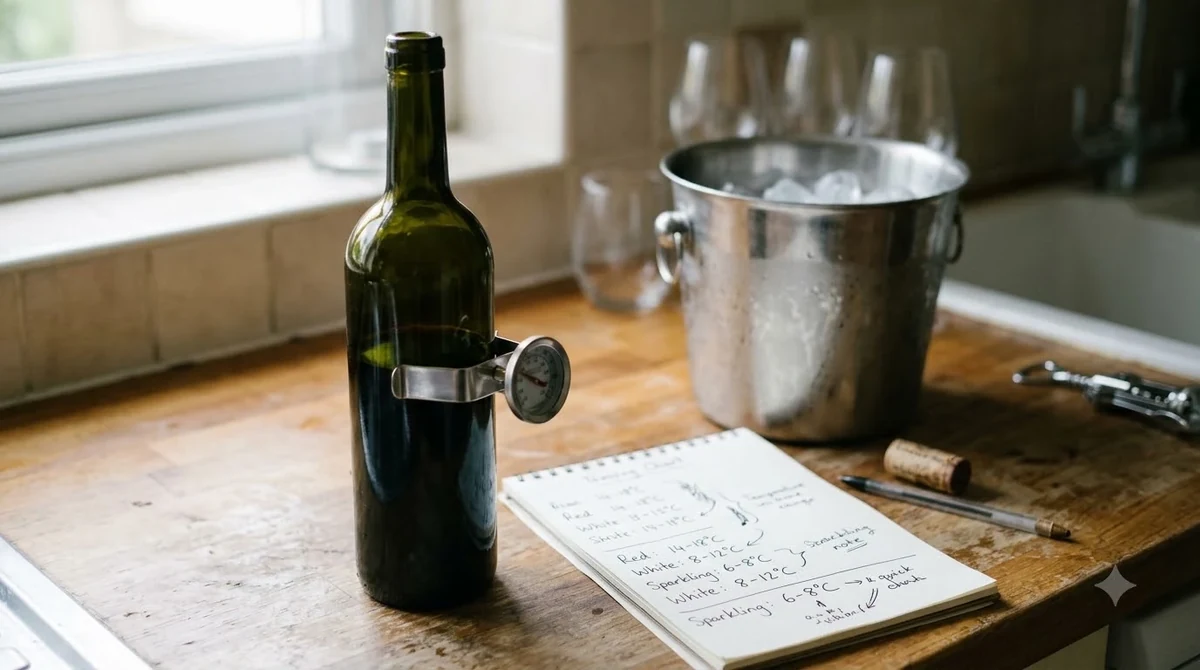
Bellavista’s sparkling wines are best served chilled, generally between 40 and 50 degrees Fahrenheit. This range helps maintain refreshing acidity and keeps the mousse lively without suppressing every aromatic characteristic.
A bottle that is too warm can seem less refreshing, with alcohol and sweetness appearing more prominent. A bottle that is excessively cold may initially show less aroma and flavor detail. For a dinner where the wine will be served over several courses, taking it out of the refrigerator briefly before pouring can help it express more character.
Use appropriate glassware
A traditional flute emphasizes the bubbles and gives the wine an elegant appearance. However, a tulip-shaped sparkling wine glass can provide more room for aromas while retaining a relatively narrow opening.
For a particularly aromatic Bellavista vintage or Satèn, a tulip glass is a practical choice. It allows floral, citrus, and fruit aromas to develop while preserving the wine’s sparkling character.
Store unopened bottles correctly
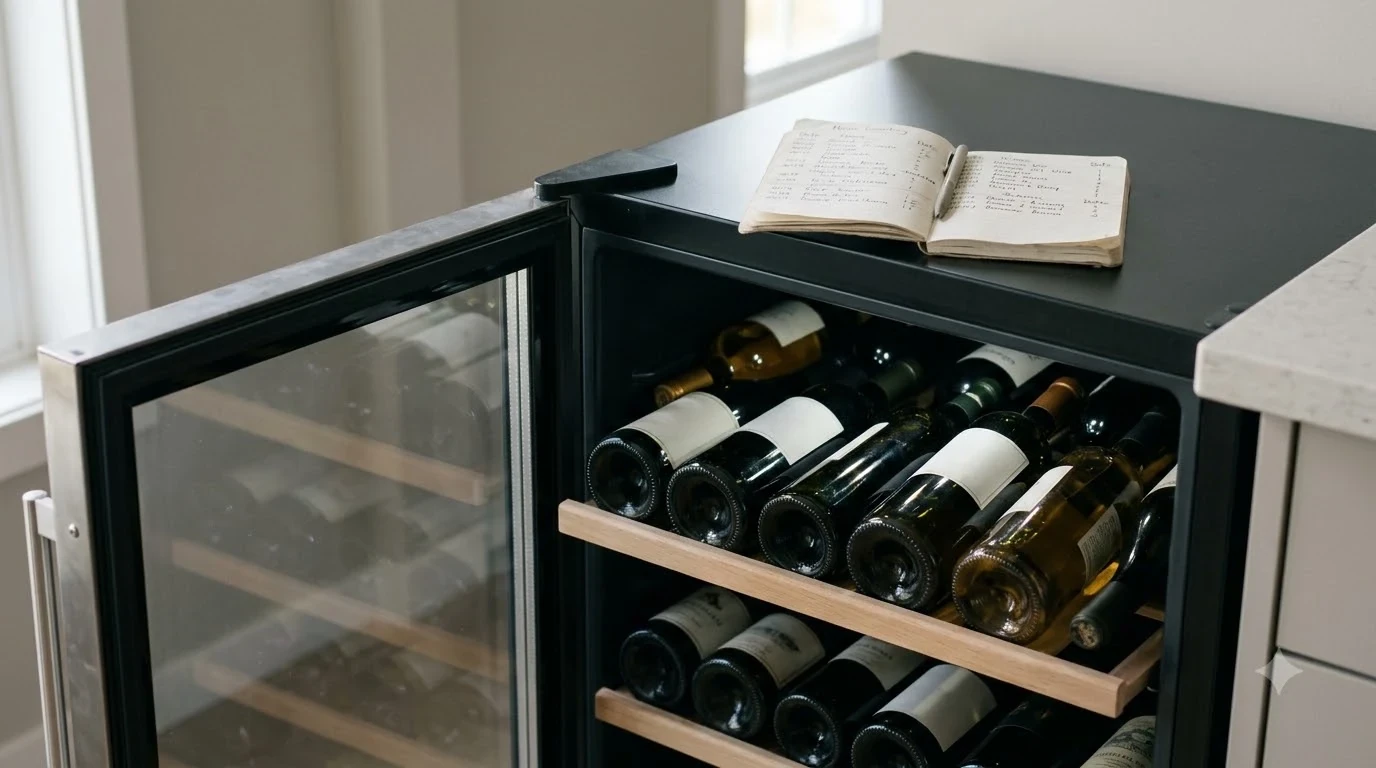
Unopened sparkling wine should be stored in a cool, dark environment away from direct sunlight and sudden temperature changes. A storage temperature near 55 degrees Fahrenheit is a useful target for longer-term wine storage.
For bottles with cork closures, horizontal storage helps maintain cork contact with the wine. Avoid placing bottles near ovens, radiators, or windows where temperature fluctuations can affect quality.
Premium vintage Franciacorta deserves particular attention because storage conditions matter more as the bottle’s purchase value increases. Avoid unnecessarily moving or shaking bottles, especially when they are being kept for a planned celebration.
Preserve opened sparkling wine
Once opened, sparkling wine loses carbonation over time. A dedicated sparkling wine stopper can help retain bubbles, although it cannot preserve the wine indefinitely.
Keep the opened bottle refrigerated and aim to consume it within one to three days. The exact result depends on the wine’s condition, how much remains, and how effectively the stopper seals the bottle.
For entertaining, it is usually better to open a second bottle when needed rather than opening several bottles hours before guests arrive. This keeps each serving fresher and helps maintain the wine’s lively texture.
For additional comparisons between accessible American and imported wine labels, the Wine Brands section provides a useful starting point. Buyers interested in everyday alternatives can also explore Barefoot wine to understand how casual supermarket wine options differ from premium Franciacorta.
Frequently Asked Questions
Is Bellavista wine considered Champagne?
No. Bellavista is an Italian producer from Franciacorta in Lombardy, not a Champagne house. Franciacorta and Champagne both use traditional bottle fermentation, but they come from different countries and have separate appellation rules. Bellavista should therefore be described as Franciacorta rather than Champagne.
What grapes are used in Bellavista sparkling wine?
Bellavista’s core Franciacorta grape varieties are Chardonnay, Pinot Nero, and Pinot Bianco. The proportions vary between individual wines. Some Satèn bottlings emphasize Chardonnay, while Rosé blends can include a greater contribution from Pinot Nero.
Is Bellavista Alma Brut a non-vintage wine?
Yes. Alma Grande Cuvée Brut is a non-vintage bottling, meaning the wine is not presented as a single-harvest vintage release. Its composition can evolve between releases as the producer works to maintain the intended house style. This differs from vintage-specific bottlings such as La Scala Vendemmia.
Can Bellavista sparkling wine be paired with dessert?
It depends on the dessert and the wine’s sweetness level. A dry Brut can work with lightly sweet fruit desserts, but a dessert that is substantially sweeter may make the wine taste overly acidic or austere. For sweeter desserts, choose a sparkling wine with sufficient sweetness rather than assuming every Bellavista bottling is suitable.
How many servings are in a Bellavista magnum?
A standard 1.5-liter magnum contains twice the wine of a 750 ml bottle. At a 5-ounce serving size, it provides approximately ten glasses, compared with approximately five glasses from a standard bottle. Actual servings depend on pouring size and how much wine remains in the bottle.
Bellavista offers several ways to explore traditional-method Italian sparkling wine, from the versatile Alma Grande Cuvée Brut to the more specialized Satèn, Rosé, La Scala, and Riserva selections. For most buyers, comparing the style and bottle size within a realistic $35 to $65 starting budget is the best way to find a suitable bottle. Choose the wine that matches the occasion and food, then compare reputable retailers to make a confident purchase.
More in Wine Brands
 Underwood Wine Price: Compare Bottles, Cans, and Pack SizesUpdated Nov 21, 2026
 Zenato Wine Price: Compare Styles and Choose the Right BottleUpdated Nov 21, 2026
 Zuccardi Wine Price: Compare Bottles and Find the Right RangeUpdated Nov 21, 2026
 Yellow Tail Moscato Review: Taste, Sweetness and Serving TipsUpdated Nov 21, 2026
 Wolf Blass Yellow Label Review: Choose Your Best StyleUpdated Nov 21, 2026
 Wolffer Estate Rose Review: Choose the Right Bottle for Your TableUpdated Nov 21, 2026