

We may earn a commission when you buy through links on this page, at no extra cost to you. Learn more.
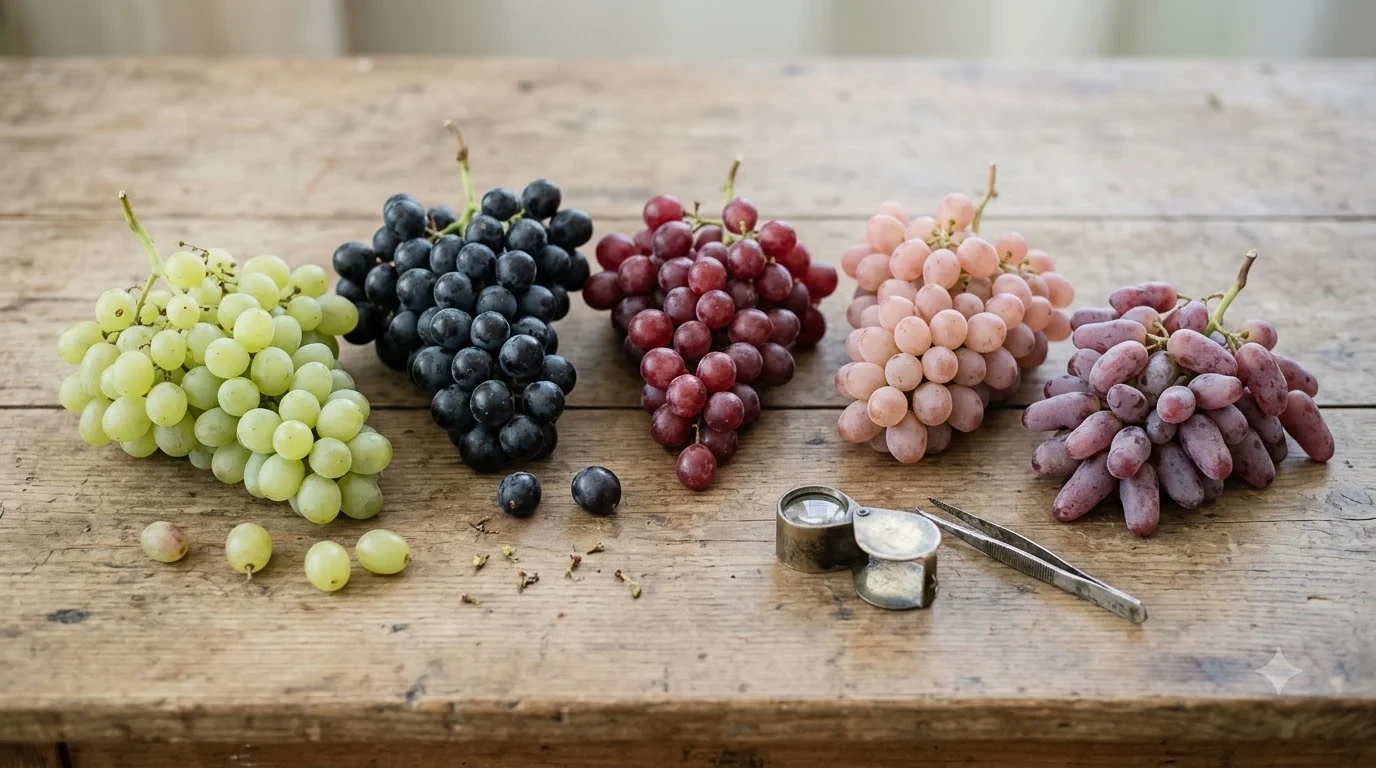
The franciacorta grape is not a single variety: Franciacorta is a protected sparkling wine made chiefly from Chardonnay and/or Pinot Nero, with Pinot Bianco and the native white grape Erbamat permitted in limited amounts. The blend changes the wine’s fruit, structure, color and freshness, while bottle fermentation gives it the fine bubbles and savory notes associated with traditional-method sparkling wine. Knowing the four permitted grapes makes it easier to understand a Franciacorta label and choose a style that suits the occasion.
Franciacorta comes from Lombardy in northern Italy, but its identity is not tied to one grape in the way a varietal wine is. It is defined by a place, a set of production rules and a method of making sparkling wine. Chardonnay usually supplies the central frame; Pinot Nero adds breadth and is essential to rosé; Pinot Bianco and Erbamat give winemakers further options for shaping a cuvée.
Franciacorta Is a Wine Name, Not a Grape Name
Franciacorta names a DOCG sparkling-wine denomination in Lombardy, not a grape variety. Its rules require a second fermentation in the bottle, and the standard blend is based on Chardonnay and/or Pinot Nero, with measured allowances for Pinot Bianco and Erbamat.
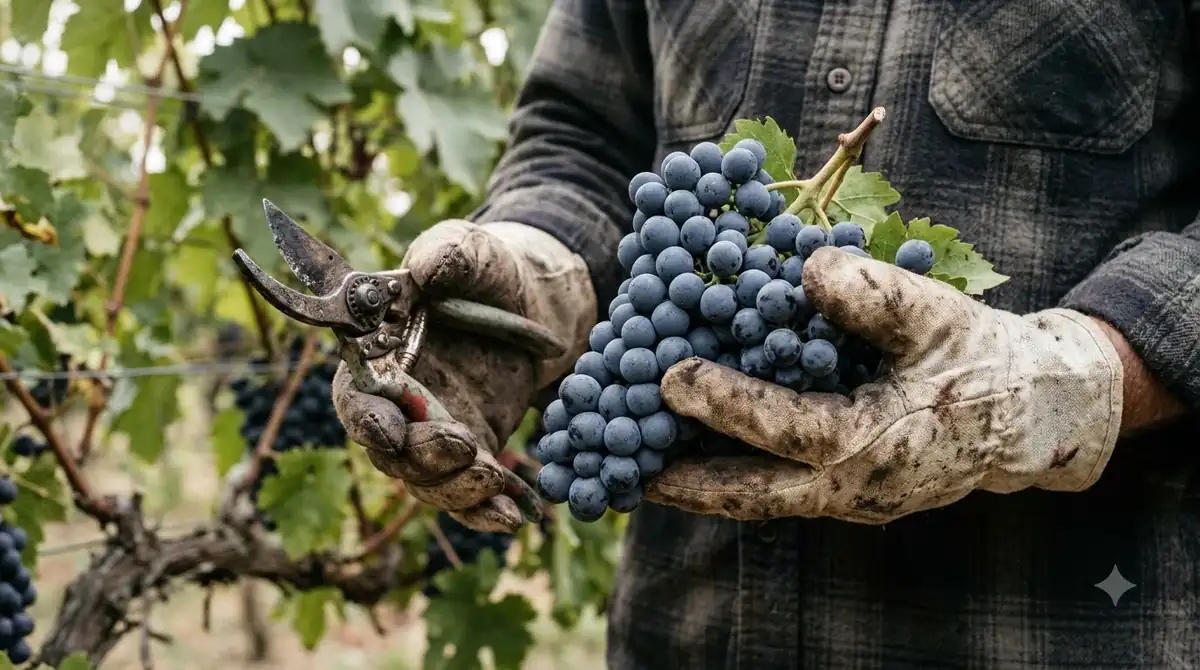
This distinction matters because the phrase “Franciacorta grape” is shorthand for the grapes permitted in the denomination. It does not identify a botanical variety that can be planted anywhere and labeled on its own. A bottle carrying the Franciacorta name must come from the defined production area and follow its production code for grapes, harvest and cellar work. A varietal label such as Chardonnay or Pinot Noir, by contrast, puts the grape first.
The region lies in Lombardy, east of Milan, around the southern end of Lake Iseo and the province of Brescia. Franciacorta is often compared with Champagne because both use bottle fermentation, but the names and grape rules are distinct: Franciacorta has its own local variety, Erbamat, and its own blend allowances. For a broader explanation of how grape names, places and styles fit together, browse our guide to Wine by Type. The label’s style name is the next clue: “Satèn” signals a white-grape wine with softer pressure, “Rosé” requires Pinot Nero, and vintage or Riserva designations indicate longer aging.
Chardonnay Provides the Foundation
Chardonnay is the leading grape in Franciacorta and supplies much of the region’s familiar profile: white and yellow fruit, floral aromas, freshness and a firm but flexible structure. The Franciacorta Consortium says the variety covers more than three-quarters of the vineyard area, making it the foundation of many base wines and blends.
In the glass, Chardonnay can suggest apple, pear, lemon, mandarin, peach and sometimes riper tropical fruit, depending on ripeness and the choices made in the cellar. The Consortium describes its wines as fragrant and complex, with fruit and floral tones, good structure and pleasant freshness. These traits make Chardonnay a useful anchor: it can give the blend a clear fruit center without overwhelming the yeast and bread notes that build during bottle aging. The Consortium’s overview of Franciacorta grape varieties describes Chardonnay’s central role in the denomination.
Chardonnay is particularly important in Satèn, where the blend must contain at least 50% Chardonnay and may include up to 50% Pinot Bianco. Since Satèn uses only white grapes, Pinot Nero does not contribute color or red-fruit notes; lower bottle pressure gives the style a softer bead and a rounder texture while preserving freshness. Many producers make Satèn predominantly or entirely from Chardonnay, although the rules leave room for Pinot Bianco.
Chardonnay’s prominence does not make every Franciacorta taste alike. Vineyard position, picking decisions, reserve-wine use and lees aging all influence the finished wine. Cooler base wines can preserve citrus and green apple; riper ones can show peach and yellow apple. The final style depends on the cuvée.
Pinot Nero, Pinot Bianco, and Erbamat Add Range
Pinot Nero contributes structure and depth, Pinot Bianco can refine the blend with a quieter white-grape character, and Erbamat brings acidity with a restrained aroma. Together, these three grapes give Franciacorta room to make different styles without losing the denomination’s recognizable method.
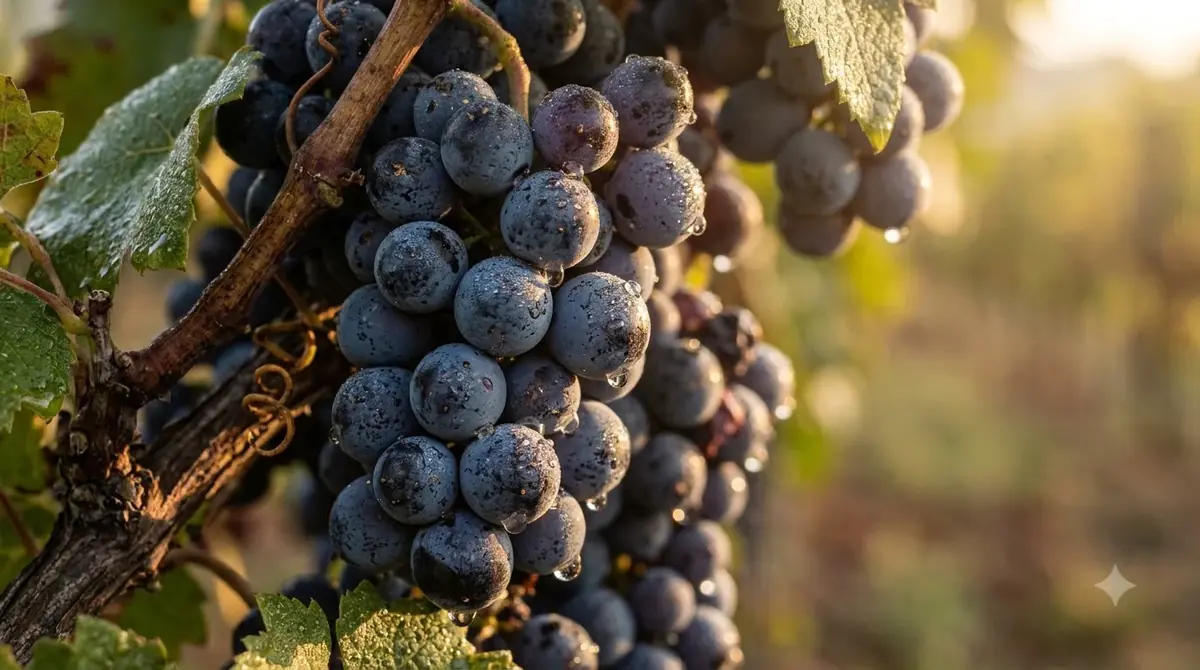
Pinot Nero is the region’s principal red grape and accounts for about 17% of its vineyard area according to the Consortium. It is often planted on higher, less fertile sites and can bring structure and longevity to vintage wines and Riservas. The denomination’s rules require at least 35% Pinot Nero in Franciacorta Rosé, giving the category its color and a more clearly red-fruit direction than a white Franciacorta. Pinot Nero can also appear in a white sparkling wine when grapes are gently pressed and juice is separated from the skins before color is extracted; the grape name alone does not mean the finished wine will be pink. For a contrasting Italian grape used in a different aromatic style of sparkling wine, see our guide to the Brachetto grape.
Pinot Bianco is a white member of the Pinot family and a relatively small part of local plantings, but the denomination allows it to make up as much as 50% of standard Franciacorta. In Satèn, it may account for the portion beyond the minimum 50% Chardonnay. Its restrained fruit and floral profile can add delicacy without dominating the cuvée; the permitted maximum is a ceiling, not a target.
Erbamat is the region’s distinctive local white grape, native to the Brescia area and recorded there as far back as the 16th century. Revived for modern production, it ripens more than a month later than Chardonnay and the Pinots, retaining high acidity while remaining relatively neutral in aroma. It can add freshness without shifting the blend toward overt herbal or floral notes. The production rules allow it up to 10% in relevant styles, but not in Satèn.
The Franciacorta Landscape Shapes Ripeness
Franciacorta’s lake-influenced, foothill setting helps its grapes reach ripeness while keeping useful acidity. Its glacial soils, rolling slopes and warm continental climate create different growing conditions across a relatively compact area.
The denomination sits in Lombardy at the foothills of the Alps, east of Milan and south of Lake Iseo. Decanter describes a warm continental climate moderated by the lake and sheltered by surrounding mountains; it also notes the southwest-facing slopes of Monte Orfano, where grapes can ripen while retaining acidity. That balance matters for sparkling wine: grapes need enough ripeness to deliver clear fruit, but the base wines also need freshness to stand up to the second fermentation and long lees aging.
Much of the region’s soil comes from glacial deposits. Decanter describes moraine soils of sand, silt and gravel, with mineral content and water retention that can help vines through dry periods. Differences in slope, exposure and water availability mean vineyard sites do not all ripen at the same pace. Pinot Nero’s use on higher, less fertile sites shows how growers match a variety to its location.
The Consortium says the harvest is done by hand and generally falls between the first ten days of August and the first ten days of September, depending on the vintage. Hand harvesting helps growers select healthy bunches and bring fruit to the press in good condition. Timing matters: pick too early and the base wine may lack fruit maturity; pick too late and it can lose some of the lively acidity that makes it refreshing.
Bottle Fermentation Builds Texture and Time
Franciacorta is made by the traditional method: a base wine is blended, bottled with yeast and sugar for a second fermentation, then aged on its lees before riddling and disgorgement. The legal minimum aging period starts at 18 months for the standard category and extends to 60 months for Riserva.
After harvest, the grapes are softly pressed and the juice is fermented into still base wine. Producers can keep vineyard and grape lots separate before blending them into a cuvée the following spring, sometimes adding reserve wines from earlier vintages. This is where the four permitted grapes are balanced for the desired style.
The cuvée is bottled with yeast and sugar, starting a second fermentation inside the bottle. Carbon dioxide remains trapped in the wine and creates the bubbles; the wine then rests on spent yeast cells, called lees, where it can develop bread-crust, brioche, pastry, toast and nut notes. The Franciacorta Consortium describes standard bottle pressure as 5 to 6 atmospheres, while Satèn uses lower pressure for a softer mousse. After aging, bottles are tilted and rotated so the lees collect in the neck; the neck is chilled and the deposit is expelled during disgorgement. A dosage may then adjust the final sugar level before sealing. The official terms run from Pas Dosé and Extra Brut through Brut, Extra Dry, Sec or Dry, and Demi-Sec.
The Consortium’s method guidelines set the standard minimum at 18 months; Decanter describes 24 months for Satèn and Rosé, 30 for Millesimato, and at least 60 for Riserva. Longer aging does not simply make a wine “better,” but it usually adds yeast-derived flavors and a broader texture. Choose based on whether you prefer fresh citrus and apple or more developed toast, nut and dried-fruit notes.
Reading Labels, Serving, and Pairing Franciacorta
The label tells you which style and sweetness level to expect, while the grape blend gives clues about fruit, structure and color. Serve Franciacorta cold but not numbingly icy, and match its acidity and bubbles with foods that welcome freshness.
For an easy first bottle, a Brut non-vintage Franciacorta is a practical reference point: it is made in the main category, has at least 18 months on the lees and sits toward the dry end of the dosage scale. The grape caps and minimum aging periods below follow the Consortium’s rules and published style descriptions. Satèn is worth exploring for a softer, white-grape style; Rosé offers the red-fruit contribution of Pinot Nero; Millesimato highlights a single vintage; and Riserva spends the longest minimum period aging on the lees. These categories help you compare like with like before focusing on the producer or blend details.
| Style | Grape rule | Minimum lees aging | What to expect |
|---|---|---|---|
| Franciacorta | Chardonnay and/or Pinot Nero; Pinot Bianco up to 50%; Erbamat up to 10% | 18 months | Classic citrus, orchard fruit and bottle-aged notes |
| Satèn | At least 50% Chardonnay; Pinot Bianco up to 50%; no Erbamat | 24 months | White-grape profile and softer pressure |
| Rosé | At least 35% Pinot Nero; Chardonnay up to 65%; Pinot Bianco up to 50%; Erbamat up to 10% | 24 months | Pink color and red-fruit character |
| Millesimato | Vintage-dated wine; grape blend depends on style | 30 months | More direct expression of one harvest |
| Riserva | Grape blend depends on style | 60 months | Extended lees development and greater savory complexity |
For standard sparkling-wine service, serve Franciacorta at about 40–50°F. A colder bottle can hide the aroma of Chardonnay and the lees-derived notes, while a warmer pour can make the bubbles feel more forceful and the wine seem less crisp. Chill it gradually in the refrigerator or use an ice bucket with water and ice; avoid leaving the bottle in the freezer. A tulip-shaped sparkling glass helps preserve bubbles while leaving room to smell the wine.
Tip: Open a bottle a little before serving, keep it in an ice bucket, and pour modestly at first. The wine can open as it warms slightly in the glass, so a second small pour may show more fruit and bread-like detail than the first.
Use acidity and dosage as your pairing guide. Brut and Extra Brut work well with oysters, fried fish, shrimp, salty snacks and cured meats because bubbles refresh the palate after salt and oil. Satèn’s softer texture suits risotto, roast chicken, mild cheeses and dishes with cream or mushrooms. Rosé can handle charcuterie, grilled salmon, roast poultry and tomato-based dishes, while a mature Riserva can stand up to richer fish, pork and aged cheese. Extra Dry and Sec styles can accompany gently sweet or savory-sweet dishes, while Demi-Sec is a better match for fruit tarts and pastries than a bone-dry bottle. The wine should be at least as sweet as the dessert; otherwise the dessert can make it taste sharp. Brut is usually the most versatile starting point for seafood, cheeses and fried vegetables.
Frequently Asked Questions
These quick answers cover the history and basic serving facts that often come up when people first encounter Franciacorta.
When did Franciacorta become a DOCG?
Franciacorta received DOC status in 1967 and DOCG status in 1995. A group of 20 producers formed the regional consortium in 1990 to establish shared principles and standards. The DOCG designation is Italy’s highest traditional wine appellation tier.
What was the first modern Franciacorta sparkling wine?
The first vintage made using the modern bottle-fermentation approach was released in 1961 under the name Pinot di Franciacorta. Wine Enthusiast’s regional history reports that the initial release consisted of 3,000 bottles. That milestone helped set the direction for the region’s modern sparkling-wine identity.
Is Franciacorta the same as Prosecco?
No. Franciacorta undergoes its second fermentation in the bottle, while Prosecco is generally made with the tank method. Prosecco is based on the Glera grape and commonly has an alcohol level around 11–12% ABV, so its grape identity and production method differ from Franciacorta.
How much of a Millesimato must come from the named vintage?
Franciacorta’s production rules require at least 85% of the wine in a vintage-designated cuvée to come from the year shown on the label. The same threshold applies to vintage and reserve wines under the denomination’s rules. This requirement preserves a clear link between the label year and the wine’s composition.
How many glasses are in a standard bottle of Franciacorta?
A standard 750 ml bottle yields about five servings when poured in 5-ounce measures. Smaller tasting pours will stretch the bottle further, especially during a multi-wine comparison. For a toast, allow for less wine per glass than a dinner pour.
Franciacorta is best understood as a place-defined sparkling wine built around Chardonnay and Pinot Nero, with Pinot Bianco and Erbamat adding further choices. Start with Brut to learn its balance of fruit and lees character, then compare Satèn, Rosé and longer-aged bottles to see how grape selection and time shape the style. Once those differences are clear, the phrase “Franciacorta grape” becomes a useful way to explore the region rather than a search for one single variety.
More in Wine Types & Grapes
 Zinfandel Sugar Content: Dry Red vs. White Zinfandel GramsUpdated Nov 21, 2026
 Best Zinfandel Substitute Options for Sipping and CookingUpdated Nov 21, 2026
 Zweigelt Food Pairing: Best Dishes, Cheeses, and Serving TipsUpdated Nov 21, 2026
 Zinfandel Tannins Explained: How Structure Shapes Every BottleUpdated Nov 21, 2026
 Zinfandel Sweetness Level: Dry Red vs. Sweet White Zin ExplainedUpdated Nov 21, 2026
 Xinomavro Food Pairing: Best Dishes, Styles, and Serving TipsUpdated Nov 21, 2026