


We may earn a commission when you buy through links on this page, at no extra cost to you. Learn more.
The barefoot sweet red price is typically about $6 to $12 for a 750 ml bottle in the US, although retailer listings can fall below or above that range. Barefoot Sweet Red Blend is an approachable California red wine with raspberry, cherry, and pomegranate flavors. Comparing the 187 ml, 750 ml, and 1.5 L formats can help shoppers find better value, particularly when buying for a party or stocking up for casual dinners.
Barefoot Sweet Red Blend occupies an accessible part of the American wine market, appealing to shoppers who prefer fruit-forward red wines with noticeable sweetness rather than dry, tannic styles. Its relatively straightforward flavor profile and multiple bottle sizes make it easy to find at grocery stores, liquor retailers, and other wine merchants. However, the amount you pay depends on the retailer, location, bottle format, and local alcohol regulations. Understanding those differences makes it easier to recognize a reasonable purchase price instead of judging a bottle by its shelf tag alone.
Who This Wine Is For
Barefoot Sweet Red Blend is particularly suitable for shoppers who enjoy approachable, fruit-forward wine and want an uncomplicated bottle for informal occasions. Its sweet red profile, soft finish, and California origin make it a familiar option for people who find traditional dry reds too tannic or austere.
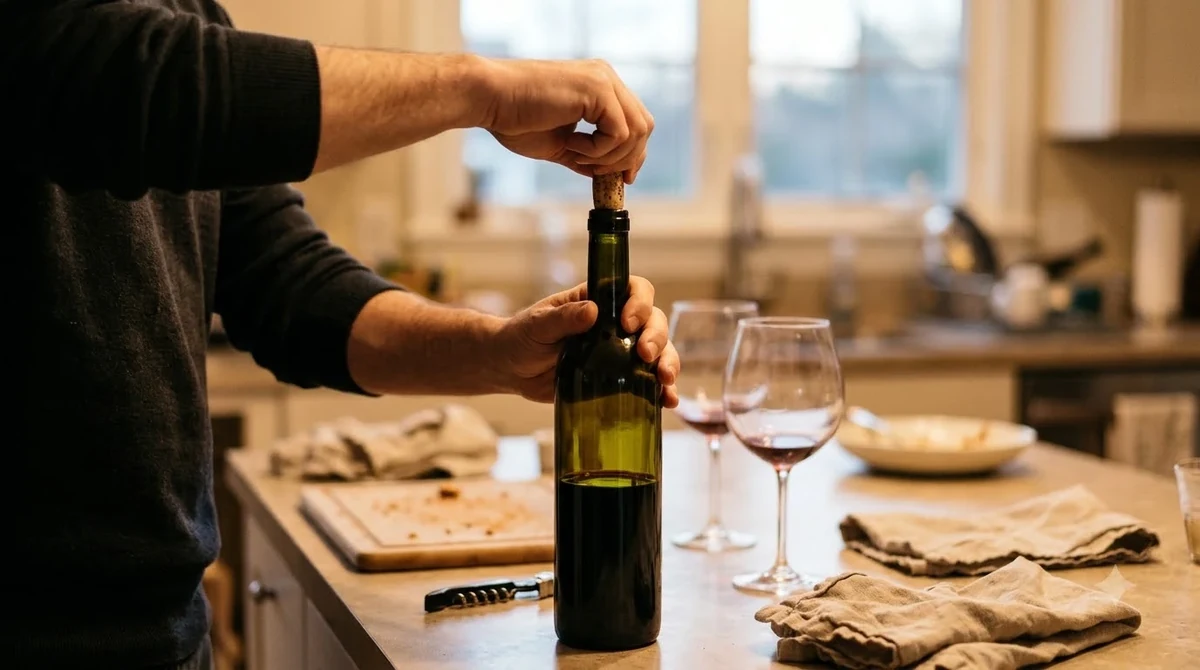
The producer describes the wine through three principal fruit flavors: raspberry, cherry, and pomegranate. These characteristics give the wine a recognizable dark-fruit profile without requiring an understanding of individual vineyard sites, vintage differences, or complicated regional classifications. Its combination of sweetness and smoothness also makes it accessible to people who are still developing their wine preferences.
It is a practical choice for several occasions:
- Casual dinners: Its approachable character works with everyday meals such as pizza, burgers, pasta, and grilled vegetables.
- Informal gatherings: The 1.5 L bottle provides a larger format for sharing at family celebrations and relaxed get-togethers.
- Sweet-wine drinkers: People who prefer fruit-forward wine over dry Cabernet Sauvignon or heavily tannic reds may appreciate its sweeter profile.
- Occasional wine drinkers: Its familiar fruit flavors make it relatively easy to select without extensive wine knowledge.
- Small individual servings: The 187 ml format offers a smaller alternative to purchasing a full-size bottle.
However, shoppers who prefer dry, structured reds should consider their preferences carefully. Barefoot Sweet Red is not designed to deliver the firm tannins, restrained fruit, or savory complexity associated with more traditional dry red wines. Someone looking for a serious dinner wine with substantial structure may prefer a different style.
It is also important to distinguish sweetness from fruit aroma. A wine can smell strongly of ripe cherries and raspberries without necessarily tasting sweet. Barefoot Sweet Red combines its fruit-forward character with a noticeably approachable sweet-red style, making it a different proposition from a dry Pinot Noir or Cabernet Sauvignon.
Key Factors to Compare Before Buying
The most useful way to evaluate Barefoot Sweet Red is to compare bottle size, typical retail pricing, serving requirements, and the wine’s flavor profile. These factors determine whether a particular listing represents reasonable value and whether the bottle suits the occasion.
| Buying factor | Available information | What to consider |
|---|---|---|
| Small bottle | 187 ml | Individual or limited servings |
| Standard bottle | 750 ml | Approximately 5 standard glasses |
| Large bottle | 1.5 L | Approximately 10 standard glasses |
| Typical retail reference | About $7.99 per 750 ml equivalent | VinoAlert retailer tracking |
| Alcohol content | 10.5% ABV | Compare with your preferred wine style |
| Origin | California, USA | Domestic red blend |
| Principal fruit notes | Raspberry, cherry, pomegranate | Fruit-forward flavor profile |
| Blend components | 5 named grape varieties | Zinfandel, Pinot Noir, Barbera, Grenache, Petite Sirah |
VinoAlert’s tracked retailer information provides a useful benchmark: its reported typical price is approximately $7.99 per 750 ml equivalent. Its listings also demonstrate why shoppers should compare several stores rather than assume every retailer charges a similar amount. These figures are retailer-tracking observations, not a guaranteed nationwide shelf price. Prices vary by state and retailer, and availability can change.
For an additional comparison, VinoAlert’s Barefoot Sweet Red price tracker displays listings from multiple US merchants and separates standard bottles from larger formats. This is especially useful because a 1.5 L bottle may look more expensive at first glance even when its cost per standard-bottle equivalent is lower.
Understand the three bottle formats
The producer lists three sizes: 187 ml, 750 ml, and 1.5 L. The standard 750 ml bottle is generally the easiest reference point because most wine comparisons use this format. The smaller bottle is useful when a full bottle would be unnecessary, while the larger bottle can make sense for occasions involving several guests.
According to standard wine-serving measurements, a 750 ml bottle contains approximately five 5 oz glasses. A 1.5 L bottle contains approximately ten such servings. This means shoppers can compare larger bottles using the equivalent cost of a standard 750 ml bottle rather than comparing the total shelf price alone.
Retail pricing requires some context. VinoAlert’s tracked retailer listings show that individual 750 ml bottles have appeared around $5.47 to $15.99 among several ordinary retail offers, with additional higher-priced listings. Its overall tracked range extends further because listings include unusually expensive offers. These are observed listings rather than a recommended spending target, and prices vary by state and retailer.
Compare the wine itself, not just the label
A low shelf price does not automatically make a wine a good purchase. The style must also match what the buyer wants to drink. Barefoot Sweet Red is built around ripe fruit flavors and a smooth finish, rather than the dry, firm structure associated with some other red blends.
Its five named grape varieties contribute to the blend’s overall identity. Zinfandel, Pinot Noir, Barbera, Grenache, and Petite Sirah offer different structural characteristics, although the retailer descriptions do not provide individual percentages for the finished wine. It is therefore better to assess the product as a blended sweet red rather than assume that one grape dominates its flavor.
Tip: Use approximately $8 per 750 ml equivalent as a useful comparison benchmark based on VinoAlert’s tracked typical retailer price. Compare the full bottle cost, size, and availability before deciding whether a listing offers reasonable value. Prices vary by state and retailer.
Step-by-Step: How to Find a Reasonable Retail Price
Finding a suitable bottle does not require extensive wine-market research. A few consistent comparison steps can help shoppers avoid paying substantially more than necessary while ensuring that they select the correct bottle size and style.
-
Identify the exact wine.
Search for Barefoot Sweet Red Blend rather than simply Barefoot Red. The brand sells multiple red wine products, and different blends can have different sweetness levels, flavors, and bottle formats. The Barefoot Sweet Red product overview is a useful starting point for confirming that the wine matches your intended purchase.
-
Choose the bottle size.
Decide whether 187 ml, 750 ml, or 1.5 L is most appropriate. For a personal purchase, a small format can prevent unnecessary leftovers. For a dinner involving several guests, the standard bottle offers a familiar serving quantity. Larger gatherings may justify the 1.5 L format.
-
Establish a standard-bottle comparison.
Use the 750 ml equivalent as the reference. For example, divide the cost of a 1.5 L bottle by two to determine the equivalent cost of one standard bottle. This simple calculation makes large-format offers easier to compare.
-
Check multiple retailers.
Compare grocery stores, neighborhood liquor stores, and online merchants that serve your location. Kroger and E-Z Market & Liquor provide examples of retailers listing the product, while VinoAlert aggregates offers from several merchants. Not every store operates in every state, so a national listing does not guarantee local availability.
-
Review the alcohol percentage.
Retail listings identify this wine at 10.5% ABV. Buyers comparing it with other sweet reds should consider alcohol content alongside sweetness, flavor, and bottle size. For more information, see the Barefoot Sweet Red alcohol content explanation.
-
Consider the occasion.
A single standard bottle may be sufficient for a small dinner, while multiple bottles or a larger format may be more practical for a celebration. Remember that a standard 750 ml bottle provides approximately five 5 oz servings.
-
Confirm the final checkout cost.
Retail listings can show different availability, delivery restrictions, and local taxes. Confirm the actual amount payable before completing a purchase. A low online listing is not useful if the merchant cannot deliver to the relevant location or the product is unavailable for pickup.
This process keeps the decision straightforward. The objective is not to find the lowest advertised number at any cost, but to identify a bottle that provides the right amount of wine at a reasonable local retail price.
Types and Styles Explained
Barefoot Sweet Red belongs to the fruit-forward sweet red blend category, which differs from the dry, grape-specific wines many traditional wine guides emphasize. Understanding these differences helps shoppers determine whether the product fits their preferences and whether another Barefoot red would be more appropriate.
Sweet red blends
A sweet red blend combines red grape varieties into a wine intended to deliver an approachable fruit profile. Barefoot Sweet Red features five named grapes: Zinfandel, Pinot Noir, Barbera, Grenache, and Petite Sirah. Its producer emphasizes raspberry, cherry, and pomegranate flavors, with a smooth finish.
The main appeal is accessibility. A sweeter red can feel less demanding than a highly tannic Cabernet Sauvignon, especially for drinkers who prefer ripe fruit characteristics over dryness and structure. This does not mean every sweet red is identical. Some are lighter and more refreshing, while others have deeper fruit concentration and a richer finish.
How the grape varieties affect expectations
Although the exact proportion of each grape is not provided in the cited product descriptions, understanding the varieties helps explain the broad character of the blend.
- Zinfandel: Commonly associated with ripe berry fruit and generous flavor.
- Pinot Noir: Generally offers lower to medium tannin and relatively high acidity compared with fuller red varieties.
- Barbera: Often contributes lively acidity and red-fruit characteristics.
- Grenache: Commonly associated with ripe berry fruit and a softer textural impression.
- Petite Sirah: Typically contributes deeper color, concentrated fruit, and substantial tannin.
The finished wine should not be treated as a simple mathematical combination of these characteristics. Blending decisions, residual sugar, acidity, and winemaking techniques influence the final result. The producer’s own description of the finished wine is more useful for everyday shopping than trying to predict its taste from the grape list alone.
Sweet red versus dry red
The most important difference is the balance between sweetness and structure. A dry Cabernet Sauvignon usually emphasizes tannin, acidity, and darker fruit, while a sweeter red blend places greater emphasis on ripe fruit flavors and a softer drinking experience.
For example, Cabernet Sauvignon generally has high tannin, while Merlot tends to offer medium tannin and a softer impression. Pinot Noir is typically lighter in tannin and higher in acidity. These distinctions help explain why a drinker who prefers Barefoot Sweet Red may not enjoy every traditional red wine equally.
Shoppers interested in the broader product family can also compare Barefoot red wine options. This provides a useful distinction between sweet red blends and other red styles sold under the same brand.
Serving temperature and food compatibility
Red wine does not always need to be served at room temperature. Lighter red styles generally work well around 55 to 60 degrees Fahrenheit, while fuller-bodied reds are commonly served around 60 to 65 degrees Fahrenheit. Because Barefoot recommends serving its Sweet Red chilled, a moderately cool serving temperature is a sensible approach.
Food pairing is another important consideration. Sweetness can work particularly well with foods that have a complementary savory or mildly spicy character. Grilled vegetables, pizza, barbecue dishes, and casual pasta meals are practical choices. The fruit-forward profile can also complement foods with tomato-based sauces, although acidity in the dish should be considered.
Salt and fat can soften the perception of tannin in red wine, making some savory dishes more compatible with structured reds. However, chili heat can become more pronounced with alcohol and tannin. For a sweet red blend, dishes with moderate seasoning are generally easier matches than extremely hot preparations.
Common Mistakes When Comparing Bottle Prices
The most common shopping mistakes involve comparing different bottle sizes, confusing different Barefoot products, and assuming that every retailer’s displayed price represents the same market value. Avoiding these errors makes price comparisons more reliable.
Comparing total prices instead of equivalent volumes
A 1.5 L bottle naturally costs more in total than a 750 ml bottle because it contains twice as much wine. That does not automatically mean the larger bottle is more expensive on a per-serving basis.
For example, a shopper comparing two formats should divide the larger bottle’s price by two before making a direct comparison with the standard format. This gives a more meaningful equivalent cost. The same principle applies when comparing multiple small bottles with a single standard bottle.
Assuming every Barefoot red is the same wine
Barefoot offers different red wines and blends. A listing simply labeled Barefoot Red may not refer to the same product as Sweet Red Blend. Different wines can have different grape compositions, flavor profiles, sweetness levels, and alcohol percentages.
Read the product name carefully before comparing retailers. The product’s official name is Sweet Red Blend, and the producer identifies its flavor profile through raspberry, cherry, and pomegranate. Using the complete name helps avoid mixing it up with other red products.
Treating an unusually high listing as the normal price
Online price aggregators can display a wide range because they collect offers from merchants operating in different locations. VinoAlert’s tracked listings include ordinary grocery and liquor retailers as well as substantially more expensive listings. An unusually high offer should not automatically be interpreted as the typical retail value of the wine.
Look at the typical tracked price and compare several available merchants. If a listing is substantially higher than other local offers, consider whether shipping, retailer location, or limited availability explains the difference.
Ignoring local availability
Alcohol retailing in the United States is affected by state and local regulations. Some retailers restrict shipping or delivery, while others only display prices for particular store locations. A product appearing in a nationwide search does not guarantee that it can be purchased in every state.
Before making a decision, confirm the store’s pickup and delivery options. This is especially important when comparing online listings with prices from a physical grocery store.
Buying a larger bottle without considering consumption
A larger bottle may provide a more attractive equivalent cost, but it is not necessarily the right choice for every occasion. A standard 750 ml bottle provides approximately five 5 oz servings, while a 1.5 L bottle provides approximately ten.
If only one or two people will be drinking, a smaller bottle may be more practical. The ability to use the entire bottle at an appropriate pace matters more than a small difference in unit cost.
Care, Storage, and Serving Tips
Proper handling helps preserve the wine’s fruit character after purchase. Although Barefoot Sweet Red is an accessible everyday wine rather than a bottle intended for extended cellaring, temperature, light exposure, and storage position still matter.
Store unopened bottles correctly
Keep unopened bottles in a cool, relatively dark location away from direct sunlight and large temperature fluctuations. A temperature near 55 degrees Fahrenheit is a useful general reference for wine storage. Bottles with traditional cork closures are generally stored on their sides to help keep the cork from drying out.
A kitchen cabinet away from the oven, refrigerator motor, and direct sunlight may be more appropriate than an exposed countertop. Avoid placing wine beside heating equipment or in areas where temperatures change frequently.
Sweet red wines intended for everyday enjoyment do not necessarily benefit from long-term aging. Buying a bottle for a near-term occasion is usually more practical than storing it for several years in the hope that it will develop additional complexity.
Serve at a comfortable temperature
The producer recommends serving Barefoot Sweet Red chilled. This is a useful distinction from the common assumption that every red wine should be served at room temperature.
A moderately cool serving temperature helps keep the fruit-forward character refreshing. If the wine has been stored at room temperature, a period in the refrigerator before serving can help bring it to a more suitable temperature. Avoid serving it excessively cold, since very low temperatures can make aromas and flavors less expressive.
Handle opened bottles carefully
Once opened, still wines generally remain at their best for approximately three to five days when properly resealed and refrigerated. The exact period depends on the wine, exposure to oxygen, storage temperature, and closure quality.
Use the original closure or a suitable wine stopper, then refrigerate the bottle. Bringing a serving back toward a comfortable drinking temperature is straightforward and helps preserve the wine’s fruit expression.
For gatherings, consider opening only the quantity likely to be consumed. This is another reason the 187 ml and 750 ml formats can be useful alternatives to purchasing a larger bottle.
Match serving quantities to the occasion
A standard wine serving is approximately 5 oz. This provides a useful planning reference for dinners and informal gatherings. One 750 ml bottle provides approximately five servings, while a 1.5 L bottle provides approximately ten.
When planning a meal, consider the number of guests, other beverages available, and whether the wine is intended to accompany food throughout dinner. A larger format is convenient for a group, but a standard bottle may be more sensible for a smaller gathering.
Frequently Asked Questions
Is Barefoot Sweet Red Blend made with natural fruit flavoring?
The producer describes raspberry, cherry, and pomegranate as the wine’s fruit characteristics. Those descriptions refer to its wine flavor profile and do not establish that fruit juices or added fruit flavorings are ingredients. The published product information identifies a blend of five grape varieties rather than providing a complete ingredient formulation.
Does Barefoot Sweet Red Blend have a vintage year?
Retailer and price-tracking listings commonly identify this wine as non-vintage, abbreviated NV. This means it is not marketed around a single designated harvest year in the same way as many vintage-specific wines. Consequently, a vintage comparison is not generally the most useful way to evaluate this particular product.
What does NV mean on a wine listing?
NV stands for non-vintage, indicating that the wine does not carry a designated vintage year as its primary identity. Producers may use wine from different harvests to maintain a consistent house style. This is common in several approachable commercial wine categories.
Can Barefoot Sweet Red Blend be used in sangria?
Its fruity, approachable character makes it a possible base for a simple red sangria. Chopped oranges, apples, and other suitable fruit can complement its raspberry and cherry profile. Because the wine already has sweetness, additional sweeteners should be used cautiously to avoid making the finished drink excessively sweet.
What is the difference between a wine blend and a varietal wine?
A varietal wine is identified primarily by a particular grape variety, while a blend combines two or more varieties. In the United States, varietal labeling generally requires at least 75% of the named grape variety under federal labeling rules, subject to applicable exceptions. Barefoot Sweet Red is presented as a blend rather than a single-variety wine.
Barefoot Sweet Red Blend is a practical option for shoppers who enjoy approachable, fruit-forward red wine and want several bottle formats to choose from. Comparing the standard 750 ml equivalent, checking local retailer availability, and selecting the right size are the simplest ways to make a sensible purchase. For a broader look at the producer’s other wines and styles, explore our Wine Brands resources before choosing your next bottle.
More in Wine Brands
 Underwood Wine Price: Compare Bottles, Cans, and Pack SizesUpdated Nov 21, 2026
 Zenato Wine Price: Compare Styles and Choose the Right BottleUpdated Nov 21, 2026
 Zuccardi Wine Price: Compare Bottles and Find the Right RangeUpdated Nov 21, 2026
 Yellow Tail Moscato Review: Taste, Sweetness and Serving TipsUpdated Nov 21, 2026
 Wolf Blass Yellow Label Review: Choose Your Best StyleUpdated Nov 21, 2026
 Wolffer Estate Rose Review: Choose the Right Bottle for Your TableUpdated Nov 21, 2026