

We may earn a commission when you buy through links on this page, at no extra cost to you. Learn more.
alamos wine review: Alamos is a reliable place to start for approachable Argentine wines, especially ripe, dark-fruited Mendoza Malbec. Its range also includes Cabernet Sauvignon and Chardonnay, giving shoppers a red and white option beyond the signature grape. Expect fruit-forward flavors, a generous feel, and styles designed to work at the dinner table rather than demand lengthy cellar aging.
Alamos takes its identity from Mendoza, where vineyards along the Andes benefit from intense sunlight, cool evenings, and irrigation supplied by mountain snowmelt. The useful buying question is not whether every bottle tastes the same, but which grape and texture suit the meal you have planned. This guide compares the core styles, explains what the producer’s tasting notes mean in practical terms, and gives a simple method for choosing a bottle. For a broader look at the range, start with this guide to Alamos wine.
Who This Is For
Alamos suits shoppers who want familiar grapes, clear fruit flavors, and an uncomplicated bottle for weeknight meals. Its Mendoza identity and labels—Malbec, Cabernet Sauvignon, and Chardonnay—make it easy to match a style to dinner.
Choose Malbec for dark fruit, supple texture, and pepper: the producer lists black raspberry, currant, floral notes, and sweet spice. It suits burgers, grilled beef, pork, or savory mushrooms. Compare more details on Alamos Malbec.
Cabernet suits shoppers who prefer firmer structure and savory seasoning; the 2023 notes include black cherry, blackberry, clove, pepper, brown sugar, and black olive. Chardonnay moves to roast chicken, creamy pasta, or seafood, with notes of roasted nuts, pineapple, citrus, and toasted spice. For a mixed dinner menu, that range is useful: one guest can choose a fruit-led red, another a firmer red, and someone who prefers white wine can stay with the same producer.
Key Factors to Compare
Compare grape, texture, and food match first. This table condenses Alamos’ published profiles into practical buying choices and serving targets.
| Style | Published profile | Best use at the table |
|---|---|---|
| Alamos Malbec | Full but supple; black raspberry, currant, pepper, floral notes, and sweet spice | Grilled beef, burgers, pork; red-wine serving target: 60–65°F |
| Alamos Cabernet Sauvignon | Black cherry, blackberry, clove, pepper, herbal notes, and firmer tannins | Steak, burgers, roast meat; red-wine serving target: 60–65°F |
| Alamos Chardonnay | Creamy; roasted nuts, pineapple, citrus, toasted spice, and caramel | Chicken, creamy pasta, chowder, fish; white-wine target: 50–55°F |
| Alamos Selección Malbec | Blackberry, blueberry, plum, and cocoa-powder finish | Richer Malbec for a substantial meal; serve around 60–65°F |
Texture matters more than one flavor descriptor. Malbec is usually full-bodied with medium tannin and medium-low acidity; Cabernet tends to have firmer tannin, which salt, fat, and protein soften. Chardonnay has no red-wine tannin, so its creamy texture and fruit are the main pairing clues.
Alamos places its vineyards around 3,000–5,000 feet in Mendoza, where bright sunlight, cool evenings, and Andes snowmelt shape the growing conditions. The setting helps explain ripe fruit with a fresh edge. See the producer’s official wine descriptions for its current profile of each style.
Oak is not the defining feature of every bottle. Alamos describes moderate oak use, while Cabernet’s vanilla, clove, and pepper accents provide a spicier finish. Choose Malbec for fruit first, Cabernet for structure, and Chardonnay for a richer white without red-wine tannin. Also consider acidity: food with lemon, tomato, or vinaigrette needs a wine with enough freshness to avoid tasting flat. Chardonnay’s lively finish can handle some creamy dishes, while a highly acidic tomato sauce may suit a brighter, lighter wine better than a broad red.
Step-by-Step: How to Choose an Alamos Bottle
Choose by dish, body, and structure rather than grape name alone. These six steps make it easier to match an Alamos bottle with its meal.
- Start with the main ingredient. For steak, burgers, lamb, or slow-cooked beef, begin with Malbec or Cabernet. For roast chicken, creamy pasta, or nut-crusted fish, start with Chardonnay. Roasted mushrooms can also suit Malbec.
- Decide how much structure you enjoy. Malbec is the softer red, with medium tannin and rounded fruit. Cabernet feels firmer. For a mixed group, Malbec is often the more flexible choice.
- Match food intensity. A delicate white fish can be overwhelmed by a full red, while pepper-crusted steak can make a light white seem thin. Try Chardonnay with creamy sauce, Malbec with a burger, and Cabernet with charred steak.
- Account for seasoning. Salt and fat soften tannin, so red wine works better with a salted burger and cheese than lean chicken breast. Pepper and herbs suit Cabernet. Chili can amplify alcohol and tannin, so choose Chardonnay or a softer red for spicy food.
- Set the serving temperature. Serve full-bodied reds around 60–65°F and Chardonnay around 50–55°F. A brief chill can balance a ripe red; a white served too cold may hide its aromas.
- Plan the amount. A 750 ml bottle provides about five 5-ounce pours. For four adults, one bottle covers a single moderate glass each; plan on two for a longer dinner with seconds. If several wines are being served, pour smaller tastes so each guest can compare styles without filling a full glass of every bottle.
Tip: When the menu includes both grilled meat and a creamy side, choose the red for the meat and let the side dish support it. A little fat from cheese, olive oil, or a butter-based sauce can make Malbec and Cabernet feel less drying.
For an independent comparison, read the Tastings review of Alamos 2024 Malbec. It describes a dry, medium-to-full-bodied wine with black raspberry, roasted fig, dark chocolate, cola, and a black-currant finish.
Alamos Wine Types and Styles Explained
The core range has three clear roles: Malbec for plush dark fruit, Cabernet for structured red-wine character, and Chardonnay for a fuller white. Selección Malbec is a richer expression of the same grape.
Malbec: the signature red
Alamos Malbec leads with ripe black fruit, black raspberry, and currant, while black pepper and floral notes add definition. Its full yet supple palate suits drinkers who like generous red wine without a sharply drying finish. It is the logical starting point for the brand.
Pair it with grilled beef, burgers, pork, roasted vegetables, or aged and blue cheeses. A little barbecue sweetness is fine, but a dish much sweeter than the wine can make a dry red taste hard. Compare other reds on the page about Alamos red wine.
Cabernet Sauvignon: more savory grip
Alamos Cabernet brings dark berry fruit, herbal notes, and firm but manageable tannins. The 2023 description adds black cherry, blackberry, clove, black pepper, brown sugar, and black olive. Pair it with steak, roast beef, burgers, or dishes with a savory crust.
Cabernet’s structure works best with protein and fat: grilled rib-eye, cheeseburgers, and braised short ribs all soften its tannin. With lean, lightly seasoned food, Malbec is often more flexible. Pepper, olive, and herbal accents make Cabernet the more savory red.
Chardonnay: the fuller white
Alamos Chardonnay is a fuller white rather than a sharply lean style. Roasted nuts, pineapple, citrus, toasted spice, and caramel sit alongside a creamy texture and lively finish. Pair it with roast chicken, cream-sauce pasta, corn chowder, or almond-crusted halibut.
Serve it around 50–55°F. Citrus can cut through creamy sauces, while nut and caramel notes complement browned flavors. Add lemon when the dish needs brightness; acidic food generally calls for wine with equal or higher acidity.
Selección Malbec: a richer option
Selección Malbec is described with ripe blackberries, blueberries, juicy plums, and a cocoa-powder finish. Its concentrated fruit suits grilled flank steak, lamb, or slow-cooked beef, especially when regular Malbec sounds too light for the meal.
Keep the meal savory rather than sugary. Cocoa-like notes do not make the wine a dessert wine; serve it with cheese or choose a wine at least as sweet as the dessert.
Common Mistakes When Buying or Serving Alamos
Common missteps include treating the three grapes as interchangeable, serving red wine too warm, or choosing only by flavor note. Matching structure and temperature to the food makes the bottle feel more balanced.
Do not assume every Alamos red is as soft as Malbec. Cabernet has more noticeable tannin and pepper, useful with grilled meat but less so with lean food or oily fish. For richer fish dishes, Chardonnay is the safer Alamos choice. Similarly, a very delicate preparation should not be paired only by the meat or fish name: cooking method, sauce, and seasoning can shift the match. Poached chicken with herbs is lighter than roast chicken with browned skin and cream sauce, even though the main ingredient is the same.
Do not take “room temperature” literally in a warm kitchen. A 15–20-minute refrigerator chill can bring a warm red closer to its 60–65°F target. Whites should be cool, not so cold that their fruit and texture disappear.
A bold wine does not require a bold sauce. Malbec works with burgers or grilled vegetables without sweet glaze; salt and fat can balance Cabernet without heavy reduction. Chili amplifies alcohol and tannin, so consider Chardonnay or a softer red with hot peppers. Also compare grape and style rather than assuming every vintage tastes identical: growing conditions change, so one bottling’s tasting note may not describe another. This overview of Wine Brands explains how grape and region labels help distinguish producers.
Care, Serving, and Storage Tips
Good serving habits bring out balance without special equipment. Set the temperature by color and body, give a tight young red a little air, and refrigerate an unfinished bottle promptly.
Serve Malbec and Cabernet at 60–65°F. Briefly cool a bottle kept in a warm room; a very cold red can seem muted. Serve Chardonnay at 50–55°F and remove it from the refrigerator shortly before dinner so its aromas can open.
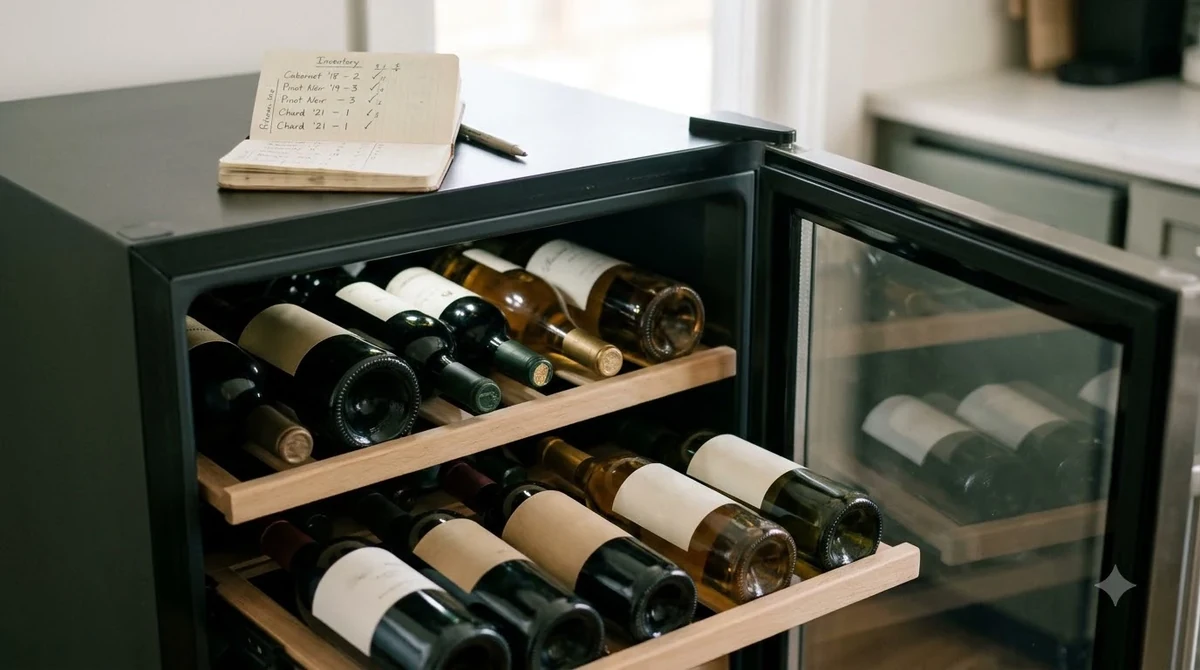
A young, full-bodied red can benefit from 30–60 minutes in a decanter if the first pour seems closed or firm. Taste before decanting; an expressive bottle may need no extra air. A broad glass with room to swirl works for both reds. Store unopened bottles on their side in a cool, dark place near 55°F, away from sunlight, vibrating appliances, and temperature swings. A kitchen refrigerator is useful for short-term chilling, not long-term storage; screw-cap bottles can be stored upright.
Refrigerate and recork opened still wine; aim to finish it within 3–5 days as flavor and aroma gradually fade. Bring a red pour toward serving temperature rather than storing the open bottle on the counter. Marking the opening date helps track several bottles. A vacuum stopper can slow air exposure, but it does not stop the wine from changing, so use the same short leftover window rather than assuming a sealed bottle will hold indefinitely. Do not cellar an everyday bottle indefinitely in the hope that age will improve it; for a special occasion, choose a consistently cool, dark spot and avoid moving the bottle.
Frequently Asked Questions
These technical details add context for the 2024 Malbec, the 2023 Cabernet, and Alamos’ listed Chardonnay bottling.
Is Alamos 2024 Malbec a dry wine?
Yes. Tastings categorizes its review of the 2024 Mendoza Malbec as dry and lists alcohol at 13.5% ABV. Its review describes black raspberry, roasted fig, dark chocolate, and cola, with a medium-to-full body rather than a sweet finish.
How is Alamos 2023 Cabernet Sauvignon made?
The producer says the grapes are hand harvested, destemmed, and crushed, then the must is chilled for a 72-hour cold soak before yeast is added. Fermentation is described as lasting 6–8 days, with 18–20 days of skin contact, followed by 6–9 months of fermentation and aging on the skins and malolactic fermentation across the blend.
Is Alamos Chardonnay made from one grape variety?
The Alamos Chardonnay technical sheet lists the wine as 100% Chardonnay. It identifies Valle de Uco and Luján de Cuyo in Mendoza as the varietal origins, and records stainless-steel fermentation lasting 15–18 days.
Did weather affect the 2023 Alamos growing season?
The producer reports frost events in Mendoza during the 2023 growing season that lowered yields. It also says the vines recovered and developed good flavor concentration, with an earlier-than-expected harvest. Those notes describe the season rather than promising that every 2023 bottle will taste alike.
How long does Alamos Selección Malbec keep?
Alamos’ product description recommends drinking the Selección Malbec over the next five years. That is a suggested window for the named bottling, not a guarantee that every vintage or every bottle will improve for five years. Storage conditions still matter: keep the bottle cool, dark, and away from temperature swings.
Alamos is most convincing when you choose by grape and meal: Malbec for supple dark fruit, Cabernet Sauvignon for savory structure, and Chardonnay for a creamy, fuller white. Start with the style that fits dinner, serve it at the right temperature, and let the food bring out the wine’s best balance.
More in Wine Brands
 Underwood Wine Price: Compare Bottles, Cans, and Pack SizesUpdated Nov 21, 2026
 Zenato Wine Price: Compare Styles and Choose the Right BottleUpdated Nov 21, 2026
 Zuccardi Wine Price: Compare Bottles and Find the Right RangeUpdated Nov 21, 2026
 Yellow Tail Moscato Review: Taste, Sweetness and Serving TipsUpdated Nov 21, 2026
 Wolf Blass Yellow Label Review: Choose Your Best StyleUpdated Nov 21, 2026
 Wolffer Estate Rose Review: Choose the Right Bottle for Your TableUpdated Nov 21, 2026